Billboards in Little Canada, MN
No Minimum Spend. No Long-Term Contracts. Just Results.
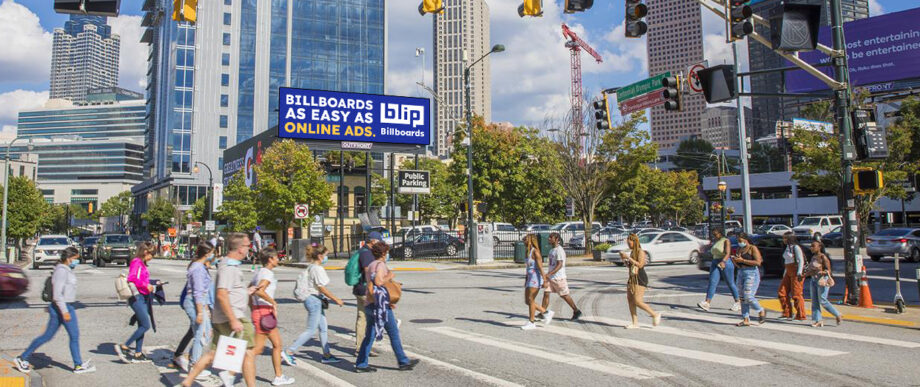
Turn heads in the Little Canada area with eye-catching Little Canada billboards powered by Blip. Launch flexible campaigns on billboards near Little Canada, Minnesota, set your own budget, and tweak your ads in real time—so your message shines exactly when and where you want.
Billboard advertising
in Little Canada has
never been easier
HERE'S HOW IT WORKS
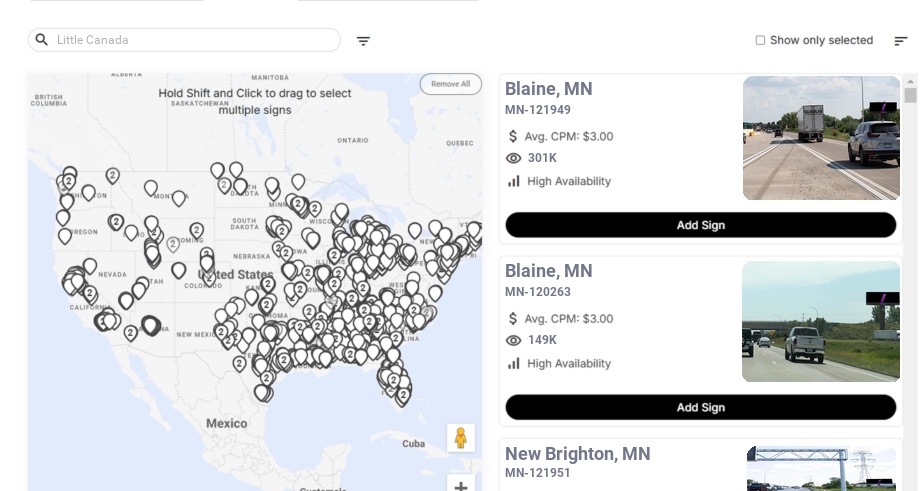
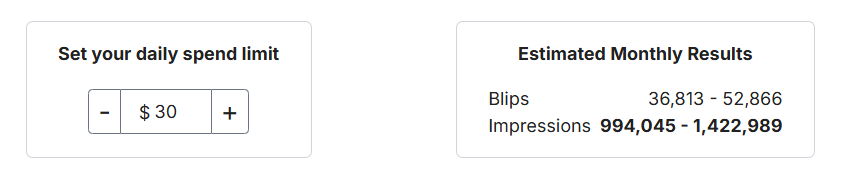
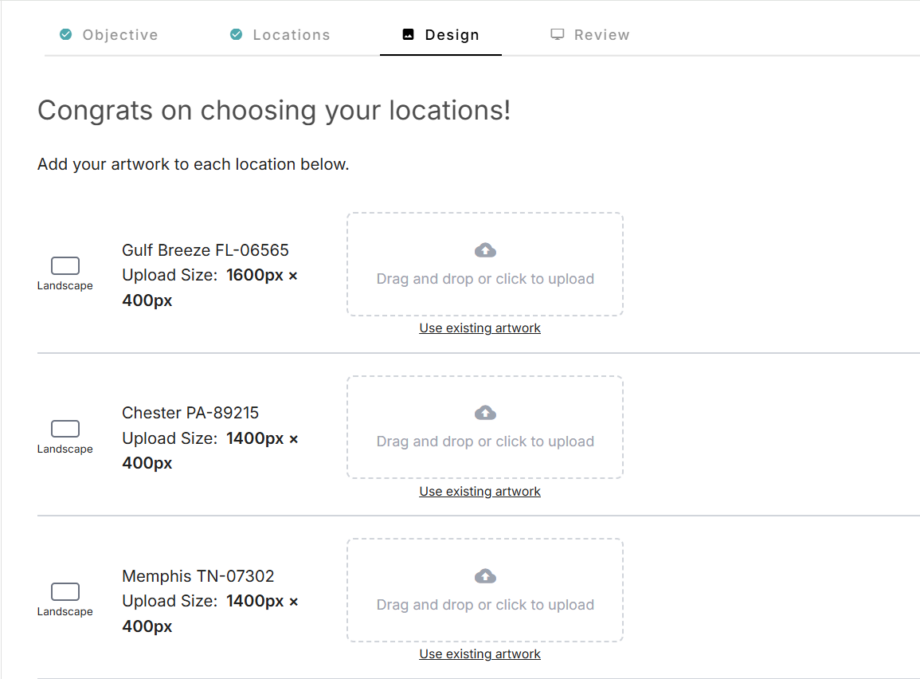
How much is a billboard in Little Canada?
Billboards in other Minnesota cities
Little Canada Billboard Advertising Guide
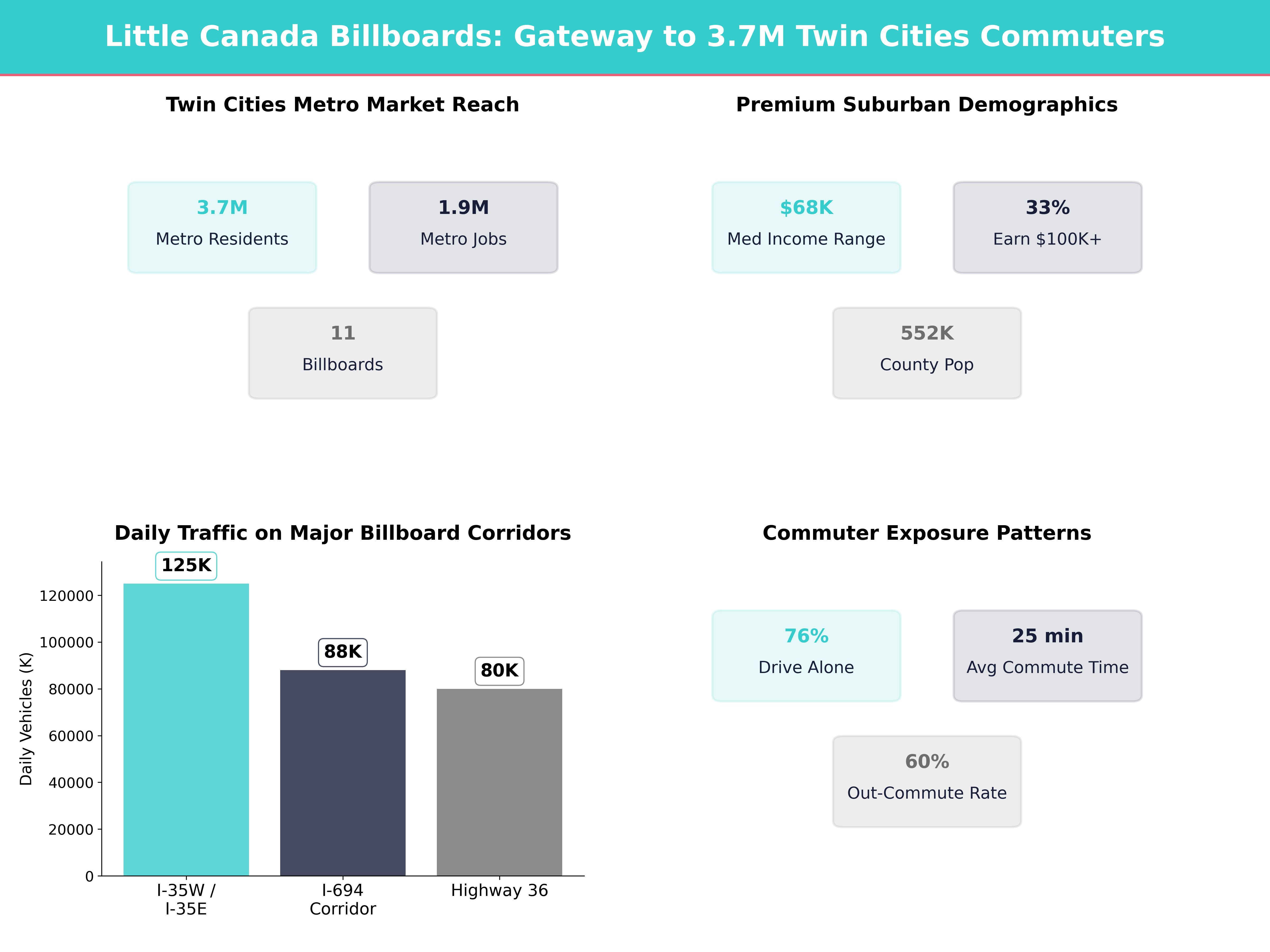
The Little Canada, Minnesota area offers a powerful mix of neighborhood stability, regional commuting, and big-metro access. With 11 digital billboards serving the Little Canada area from nearby New Brighton, Minneapolis, Blaine, and Spring Lake Park 3.7 million residents and more than 1.9 million jobs, providing deep audience reach for campaigns that originate in a small-city context like Little Canada and rely on highly visible billboards near Little Canada to extend their reach.
Understanding the Little Canada Area Market
The City of Little Canada sits in Ramsey County, just north of Saint Paul and northeast of Minneapolis. According to recent population estimates, the city has roughly 11,000 residents, up from 10,819 in the 2020 Census, reflecting modest but steady growth of about 1.5–2.0% over the past few years. Ramsey County as a whole has approximately 552,000 residents, making it Minnesota’s second-most-populous county after Hennepin. This combination of steady local growth and dense surrounding population helps explain why Little Canada billboards and nearby placements perform so efficiently for regional campaigns.
Key demographic characteristics in the Little Canada area and broader Ramsey County:
- Population density: Little Canada covers about 4.5 square miles, putting density at roughly 2,400–2,500 residents per square mile—denser than many suburban communities in the metro, where densities often fall below 2,000 residents per square mile. Ramsey County overall is even denser at around 3,600 residents per square mile, one of the highest in the state. This density is ideal for generating frequent billboard impressions with relatively few board locations.
- Age profile: The median age in the Little Canada area is in the mid–30s. About 23–25% of residents are under 18, around 58–62% are 18–64, and roughly 15–17% are 65+, giving advertisers meaningful reach across families, working professionals, and retirees. This broad age mix supports everything from pediatric healthcare and family dining to retirement planning and senior living campaigns.
- Household income: Ramsey County’s median household income is in the low– to mid–$70,000s, while Little Canada itself generally falls in the $60,000–$75,000 band, with an estimated 30–35% of households earning $100,000 or more. This supports campaigns for mid-range to premium consumer products, home services, financial services, and healthcare, while still including a sizable value-conscious segment.
- Housing mix: In and around Little Canada, roughly 55–60% of housing units are owner-occupied and 40–45% renter-occupied. Surrounding suburbs such as Maplewood, Roseville, Shoreview, and Blaine skew more heavily toward ownership, driving consistent demand for home improvement, landscaping, roofing, HVAC, and real estate services.
- Education & employment: In the Twin Cities metro, over 45% of adults age 25+ hold at least a bachelor’s degree, and roughly 90% have a high school diploma or higher. Employment is diverse: healthcare and social assistance account for roughly 17–18% of jobs; education services around 10–12%; government about 10–11%; professional and business services 13–15%; manufacturing 9–10%; and retail trade 9–10%. This variety supports both B2C and B2B messaging in the Little Canada area.
- Consumer spending: The Minneapolis–Saint Paul region generates more than $110 billion annually in retail and food service sales, with Ramsey County contributing roughly $7–8 billion. Residents in core Ramsey County ZIP codes typically spend 30–35% of their household income on housing, 12–15% on transportation, and 10–13% on food away from home—categories strongly influenced by roadside advertising and well-placed billboard advertising near Little Canada.
For more local background, advertisers can explore the official City of Little Canada website, Ramsey County, and regional visitor information via Explore Minnesota Meet Minneapolis, Visit Saint Paul, and Visit Roseville.
Where the Billboards Are and Who They Reach
We serve the Little Canada area via 11 nearby digital billboards located in:
- New Brighton (about 5.2 miles from Little Canada)
- Minneapolis (about 8.2 miles from Little Canada)
- Blaine (about 9.4 miles from Little Canada)
- Spring Lake Park (about 9.9 miles from Little Canada)
These locations function as a practical cluster of billboards near Little Canada, putting your message in front of people as they move between home, work, and major shopping destinations.
These locations place your message along some of the busiest commuting and retail corridors in the northern Twin Cities:
- I-35W & I-35E corridors: Major north–south routes for daily commuters between the northern suburbs (Blaine, Lino Lakes, Shoreview, New Brighton, Little Canada area) and the urban cores of Minneapolis and Saint Paul. Minnesota Department of Transportation (MnDOT) traffic counts show many segments of I-35W and I-35E in the region handling 100,000–150,000 vehicles per day (AADT), with some stretches near downtown cores exceeding 160,000 vehicles per day.
- Highway 694 & 36 beltway: East–west arterials just north of Little Canada support heavy cross-suburban traffic. Several segments of I‑694 between New Brighton and Maplewood record 80,000–95,000 AADT, while parts of Highway 36 near Roseville and Maplewood routinely see 70,000–90,000 AADT. This creates strong frequency potential for campaigns that require repeated exposures.
- Central Avenue / University Avenue corridors near Spring Lake Park & Minneapolis: These are busy commercial strips with strong exposure to shoppers, diners, and service-seekers. Commercial segments in the Spring Lake Park and Columbia Heights areas commonly record 25,000–35,000 vehicles per day, with key intersections higher during peak hours.
For detailed traffic counts to inform your placements and dayparting, advertisers can refer to MnDOT traffic volume maps.
Because Little Canada residents commonly commute into Minneapolis, Saint Paul, and nearby suburbs, billboards in these neighboring cities efficiently reach:
- Local residents leaving or returning to the Little Canada area, who frequently use I‑35E, I‑694, and Highway 36—routes where a typical commuter may pass the same boards 10 times per week.
- Commuters from surrounding suburbs (e.g., Maplewood, Roseville, Shoreview, Vadnais Heights, Blaine, New Brighton, Mounds View) who regularly drive past the Little Canada area. Within a 10-mile radius of Little Canada, you’re tapping into a daytime population of well over 300,000 people.
- Visitors and event-goers heading to downtown Minneapolis or Saint Paul via these northern corridors. The Twin Cities welcome more than 30–35 million visitors annually, and marquee venues—like sports arenas, theaters, and universities—pull traffic right through these billboard zones.
Together, this makes digital billboard advertising near Little Canada a practical way to capture both local and regional audiences along the same core routes.
Commuting Patterns and Daily Rhythms
A strong Little Canada area billboard strategy aligns with how and when people move:
- Car dependency: Across the Twin Cities metro, roughly 74–78% of workers commute by driving alone, and another 8–10% carpool. Public transit accounts for about 5–7%, and walking/biking/other modes make up the rest. Even with the presence of Metro Transit bus and light rail options, vehicles still dominate, making roadside digital billboards an essential channel.
- Typical commute: Average one-way commute times in Ramsey County are around 23–24 minutes, with many Little Canada area workers falling into the 20–29 minute range. About 35–40% of workers commute outside their home county, and thousands travel daily into job centers in downtown Saint Paul, downtown Minneapolis, and industrial corridors in Roseville, Maplewood, and Blaine.
- Rush-hour volumes: On peak weekday mornings and evenings, traffic volumes on I‑35E, I‑35W, I‑694, and Highway 36 can climb 20–40% above off-peak levels, with average speeds often dropping below 35 mph on the most congested segments. This increases dwell time and the likelihood of your copy being noticed and remembered.
- Morning drive (6–9 a.m.): Best for services and needs people plan during the day—healthcare, home services, financial planning, B2B services, and employment recruiting. Nearly 40–45% of daily vehicle trips on commuter routes occur during the combined morning and evening rush windows.
- Midday (10 a.m.–3 p.m.): Good for retail, quick-service restaurants, grocery, and errands. This is when retirees, at-home workers, and parents handling daytime activities are most reachable; in some corridors, midday traffic still represents 25–30% of daily volumes.
- Evening drive (3–7 p.m.): Prime time for restaurants, entertainment, gyms, local events, youth activities, and impulse food purchases. After-school and after-work trips substantially bump traffic, with some suburban arterials seeing their single highest hourly volumes between 4–6 p.m.
- Late evening & overnight: More limited traffic but cost-effective inventory; suited to entertainment, streaming, delivery services, and brand awareness for budget-conscious advertisers. Late-night drivers can represent 5–10% of total daily volume but can be highly responsive for categories like quick-serve restaurants, bars, and late-night delivery.
With Blip’s flexible scheduling tools, we can place heavier “blip” frequency around these high-traffic windows and reduce spend in lower-yield periods, improving cost per thousand impressions (CPM) over time for campaigns using billboards near Little Canada.
Seasonality in the Little Canada Area
Minnesota’s seasonality has a direct impact on traffic patterns and consumer behavior, especially near Little Canada:
-
Winter (Dec–Feb):
- Shorter daylight hours; in December, Little Canada averages barely 8 hours and 40 minutes of daylight, meaning commuters are often driving in the dark during both morning and evening rush. Bright, high-contrast creative performs especially well.
- The Twin Cities typically receive 45–55 inches of snow per year, and Ramsey County can see 10–20 days annually with measurable snowfall affecting roads. Weather disruptions can spike travel times on I‑35E, I‑35W, and the beltways by 20–50%. Campaigns for auto repair, tires, insurance, winter recreation, and delivery services resonate strongly.
-
Spring (Mar–May):
- Road construction season begins. MnDOT, Ramsey County Public Works, and neighboring cities often have dozens of active projects, with key corridors under lane restrictions for weeks at a time. This can reroute or slow traffic, increasing dwell time on certain segments and boosting impressions for boards near work zones.
- A strong season for home improvement, landscaping, real estate, lawn care, and tax-season promotions; many Twin Cities homeowners schedule big-ticket projects between April and June.
-
Summer (Jun–Aug):
- Tourism and recreation peak. The metro’s lake and park system—anchored by destinations like the Minneapolis chain of lakes and Ramsey County’s regional parks—draw millions of visits. The Canadian Days festival in Little Canada (typically in late July or early August) often attracts 5,000–10,000 visitors over the weekend from across the metro.
- Weekend travel to lakes, parks, and cabin country means increased Friday and Sunday traffic on regional routes; some northbound corridors can see 15–25% higher volumes on peak getaway days. This is ideal timing for recreation, food & beverage, tourism, and local attractions campaigns.
-
Fall (Sep–Nov):
- Back-to-school shifts traffic around local schools in districts like Roseville Area Schools and Mounds View Public Schools. After-school activities and youth sports add new peak periods between 3–6 p.m.
- High consumer engagement for retail, sports (Vikings, high school football, Gophers), Halloween, and early holiday promotions. Many retailers see 20–30% of annual revenue in the final quarter of the year, making fall billboard presence especially valuable.
We recommend adjusting your Blip budget and frequency by season—e.g., heavier near Canadian Days, back-to-school, or year-end holiday shopping, and slightly lighter during shoulder periods unless tied to a specific category (like tax services, construction, or winter emergencies). This seasonal flexibility is particularly useful if you’re planning billboard rental near Little Canada to support time-sensitive offers.
Aligning Creative with Local Identity
Little Canada has a distinct small-city identity within the Twin Cities metro:
- The city’s heritage, highlighted by events like Canadian Days, emphasizes community pride and a long-standing connection to French Canadian roots. Festival activities—parades, live music, and family events—create natural tie-ins for sponsorship and themed creative.
- Proximity to lakes and parks (e.g., Gervais Lake, Spoon Lake, and nearby regional parks like Vadnais-Snail Lakes Regional Park
- Residents are used to seeing regional brands but also respond strongly to genuinely local messaging, including references to neighborhood schools, youth sports, and civic partners like the City of Little Canada and Ramsey County.
To make creative resonate in the Little Canada area:
-
Reference local geography carefully
- Use phrasing like “Serving the Little Canada area,” “Minutes from the Little Canada area,” or “Near Little Canada off I‑35E.”
- Mention well-known nearby hubs: “Just 10 minutes from Rosedale Center,” or “Between Little Canada and Maplewood Mall.”
- Avoid implying your billboard is physically located inside city limits; focus on convenience and proximity instead, especially when you’re using Little Canada billboards to pull customers toward nearby destinations.
-
Highlight quick access
- Many Little Canada area drives are 5–20 minutes for essentials. Phrases like “10 minutes from the Little Canada area,” “Right off 694,” or “Next exit after 35E & 694” help convert impressions into visits by reducing perceived travel friction.
-
Design for fast recognition
-
Drivers typically have 3–7 seconds to process a billboard. Use:
- 6–10 words max in the main message
- One dominant visual element
- High-contrast color pairs (e.g., dark blue/yellow, black/white, red/white) to cut through winter gloom and nighttime commutes.
- Studies of digital out-of-home (DOOH) performance often show recall rates improving by 20–30% when copy is concise and visuals are simplified vs. cluttered layouts.
-
Drivers typically have 3–7 seconds to process a billboard. Use:
-
Speak to families and commuters
- Families: highlight convenience, safety, value, and community involvement (schools, youth sports, local sponsorships). About 30–35% of area households include children under 18, making family-focused offers especially relevant.
- Commuters: emphasize time savings, “on the way home” value propositions, or mobile actions (“Order now, pick up after work”). Nearly 60% of employed residents leave their home city for work, so corridor-based messaging is particularly effective.
-
Use localized calls to action
-
Examples:
- “Order tonight, pick up near the Little Canada area tomorrow.”
- “Book your appointment on your drive home—scan now.”
- If using QR codes, keep them large and high-contrast; they are best for slow or stopped traffic segments (near ramps, lights, or congestion) where speeds often drop below 25 mph.
-
Examples:
Using Blip’s Flexibility for Smarter Targeting
Digital billboards serving the Little Canada area let us fine-tune campaigns in ways static boards cannot:
-
Dayparting by message
- Morning: “Schedule your checkup today” (healthcare), “We’re hiring—apply on your lunch break” (recruiting), “Tax help before April 15.”
- Midday: “Lunch special near the Little Canada area,” “Same-day repairs when you call before 3,” “Walk-in clinic—short waits today.”
- Evening: “Dinner ready in 15 minutes,” “Tonight only—stream the big game,” “Stop in on your way home,” or “Practice starts at 6—gear up now.”
-
Weekparting by audience
- Weekdays: Focus on commuters, B2B services, staffing, education, and healthcare. For many office-based businesses, Monday–Thursday account for 70–75% of weekly site traffic and lead volume, aligning well with weekday billboard emphasis.
- Weekends: Emphasize events, restaurants, retail sales, local attractions, real estate open houses, and recreational activities. Retailers often see 25–35% of in-store traffic on Saturdays and Sundays.
-
Micro-campaigns around key dates
- Canadian Days festival (3–5 day push leading up to and during the event).
- School year milestones (back-to-school sales, fall sports, graduation season).
- Local elections and ballot measures, in compliance with relevant regulations.
- Weather-responsive campaigns (e.g., “Snow today? Same-day plow service near the Little Canada area,” or “Heat wave? AC tune-up specials today only”).
- Holiday retail windows—Black Friday, Small Business Saturday, and the week before Christmas—when some retailers capture 20%+ of annual revenue.
Because you can set maximum bids and daily budgets with Blip, you can run short, high-intensity bursts around these key windows while maintaining lower-level branding the rest of the time, effectively balancing reach and frequency against budget. This approach works especially well if your billboard rental near Little Canada is supporting promotions that change frequently.
Category-Specific Strategies for the Little Canada Area
Different industries can tailor their approach to how the Little Canada area behaves:
Retail & Restaurants
- Residents frequently travel to nearby shopping hubs in Maplewood, Roseville, and Minneapolis. Centers like Maplewood Mall and Rosedale Center collectively attract millions of shopper visits annually, with peak periods around weekends and holidays.
- Quick-service and casual-dining restaurants benefit from corridor visibility; national data often show 30–40% of QSR traffic occurring in the evening and 25–30% at lunch, both heavily tied to driving trips.
-
Promote:
- “On your way home” dinner specials along commuter routes.
- Limited-time offers aligned with payday cycles (e.g., biweekly Thursday/Friday pushes).
- “Kids eat free” nights, happy hours, or weekend brunch within 10–15 minutes of Little Canada.
- Include clear location cues: “Just south of 694,” “Next to [landmark], 8 minutes from the Little Canada area,” or “Exit 35E at County Road E.” These details help billboards near Little Canada translate into in-store visits.
Home Services & Contractors
-
With a large share of single-family homes in surrounding suburbs, home improvement demand is consistent. Many Ramsey and Anoka County neighborhoods feature housing stock built in the 1960s–1990s, now entering prime renovation years:
- Spring–summer: roofing, siding, landscaping, exterior painting, concrete, decks, and windows.
- Fall–winter: HVAC, insulation, plumbing, emergency repairs, and snow removal.
-
Use simple proof points:
- “Over 1,000 homes serviced near the Little Canada area”
- “Serving the north metro for 20+ years”
- “24/7 Emergency Service—Call Now”
- Rotate creative by season—digital makes it easy to swap artwork as weather changes and to align with major weather events that can drive spikes in demand of 50–100% for certain services (e.g., after hailstorms).
Healthcare & Wellness
- The Little Canada area is within easy reach of numerous clinics, dental offices, hospitals, and specialty centers in Ramsey County and Minneapolis–Saint Paul, including major systems in Saint Paul and Minneapolis. The Twin Cities health sector employs well over 200,000 workers, making healthcare one of the region’s largest industries.
-
Strategies:
- Highlight “Same-week appointments,” “Walk-ins welcome,” or “Open evenings & Saturdays”—extended hours that appeal to commuters with 8 a.m.–5 p.m. schedules.
- Target morning and late-afternoon commuters for appointment-driven messaging, particularly on routes leading to medical clusters in Roseville, Saint Paul, or Minneapolis.
- Focus on specialties where local demand is high: primary care, pediatrics, dental, urgent care, physical therapy, behavioral health, and eye care.
- Link back to local health resources or emphasize convenience from the Little Canada area: “Off 35E, 10 minutes from the Little Canada area.”
Education, Training, and Recruiting
-
With a regional workforce spanning multiple industries, billboard campaigns can support:
- Community colleges, technical colleges, and training programs within the Twin Cities.
- Local employers hiring for healthcare, manufacturing, logistics, and tech, where unemployment rates often hover in the 2–4% range—indicating a competitive labor market.
-
Use short, direct copy:
- “Hiring $22+/hr—Apply Today”
- “Sign-on bonus up to $3,000”
- “Earn your IT certificate in 6 months—Near the Little Canada area”
-
Run heavier during:
- Spring graduation (Apr–Jun), when high school and college graduates are seeking opportunities.
- Post-holiday job-switch season (Jan–Feb), when job search activity can surge by 30–40% on major job boards.
- Back-to-school (Aug–Sep), when families are planning schedules and education decisions.
Integrating with Local Media and Community
Digital billboards near the Little Canada area become even more effective when coordinated with other local channels:
-
News & information hubs:
- St. Paul Pioneer Press
- Star Tribune
- Local TV news outlets such as KARE 11, WCCO, and 5 Eyewitness News / KSTP
- Local updates through Ramsey County and the City of Little Canada
-
Community events:
- Sponsored messaging for Canadian Days, local school events, and neighborhood festivals in nearby cities like New Brighton, Blaine, and Spring Lake Park
- Many community festivals in the north-metro area attract 2,000–10,000 attendees each, making them ideal anchors for short, event-timed billboard flights.
-
Social & digital:
- Sync billboard messages with social campaigns targeting ZIP codes around the Little Canada area. Digital marketers often see 20–60% improvements in response when out-of-home and digital campaigns are aligned.
- Use consistent visuals and slogans for recognition as people see your brand online and on the road.
- Consider pairing billboards with geofenced mobile ads along key corridors (I‑35E, 694, 36) to reinforce messages during and after commutes.
Example integration approach:
- Launch a two-week billboard campaign: “Visit us this weekend—Family Fun Near the Little Canada Area.”
- Run geotargeted social ads to users within a 10–15 mile radius using similar art.
- Partner with a local news outlet’s digital ad inventory (e.g., Star Tribune St. Paul Pioneer Press) for added frequency.
- Track store visits, online leads, or promo code usage during and immediately after the billboard run; aim for measurable lifts of 10–30% in key metrics during the campaign window.
Measuring Success and Optimizing Over Time
To get the most from billboards serving the Little Canada area, define success metrics and iterate:
-
Set clear goals:
- Brand awareness (search volume, direct traffic, social mentions). Aim for lifts of 10–20% in branded search or direct traffic during sustained flights.
- Response actions (website visits, calls, directions requests, QR scans).
- In-person behaviors (store visits, event attendance, appointments booked).
-
Use trackable elements:
- Short URLs or dedicated landing pages.
- Unique promo codes: “Mention LITTLECANADA for 10% off.”
- Distinct phone numbers for billboard-only tracking or call-tracking lines that log volume and duration.
-
Compare time windows:
- Measure key metrics during the campaign vs. a comparable prior period (same days of week, same season).
-
If impressions are strong but conversions low, adjust:
- The call-to-action (simpler, more urgent, clearer value).
- The dayparts (focus on when your audience is most active).
- The locations (push more budget to boards along the routes your customers actually use—e.g., shifting spend from downtown-facing boards to I‑35E/694 corridors if most customers live in the north-metro).
Over several weeks or months, you can learn which message, creative, and schedule combinations deliver the strongest returns for the Little Canada area market. Many advertisers find that continuous optimization can improve cost per acquisition (CPA) by 20–40% over the first few campaign cycles, especially when they consistently use billboard advertising near Little Canada as part of their media mix.
Putting It All Together for the Little Canada Area
The Little Canada area offers a strategic sweet spot: a tight-knit community with strong commuter flows and easy access to the broader Twin Cities economy. By leveraging 11 digital billboards in nearby New Brighton, Minneapolis, Blaine, and Spring Lake Park, we can:
- Reach Little Canada area residents on their actual commuting and shopping routes, many of which see 70,000–150,000 vehicles per day.
- Tailor messages to seasonal weather, local events like Canadian Days, school calendars, and daily traffic patterns.
- Rapidly test and refine creative using Blip’s flexible scheduling and budgeting tools, shifting spend toward the combinations of locations, times, and messages that deliver measurable lift.
When advertisers combine data-driven timing, locally resonant creative, and clear, trackable calls to action, digital billboards near the Little Canada area become a powerful engine for both awareness and tangible business results. Thoughtfully planned billboard rental near Little Canada can anchor that strategy, helping brands stay visible to residents, commuters, and visitors all year long.