Your dashboard can show the last step. It cannot show every moment that made someone ready to choose you.
You can track every click and still miss what made the customer choose you.
Most people do not see one ad and buy. They notice your business over time—on the road, online, in search, and around town. That repeat exposure builds familiarity. Familiarity builds trust. And trust makes the final click easier.
But most marketing reports give the credit to the last measurable action. The search ad gets the sale. The social ad gets the lead. Everything that helped the customer remember you disappears from the dashboard.
That is the risk of measuring only what is easy to track. You may keep paying more for the final click while underinvesting in the visibility that made it work.
Blip Chief Operating Officer, RJ Schultz sees this with business owners all the time. They know the cost of a click down to the penny, but they do not always know whether customers recognized their name before they started shopping.
Clicks matter. They just rarely do all the work.
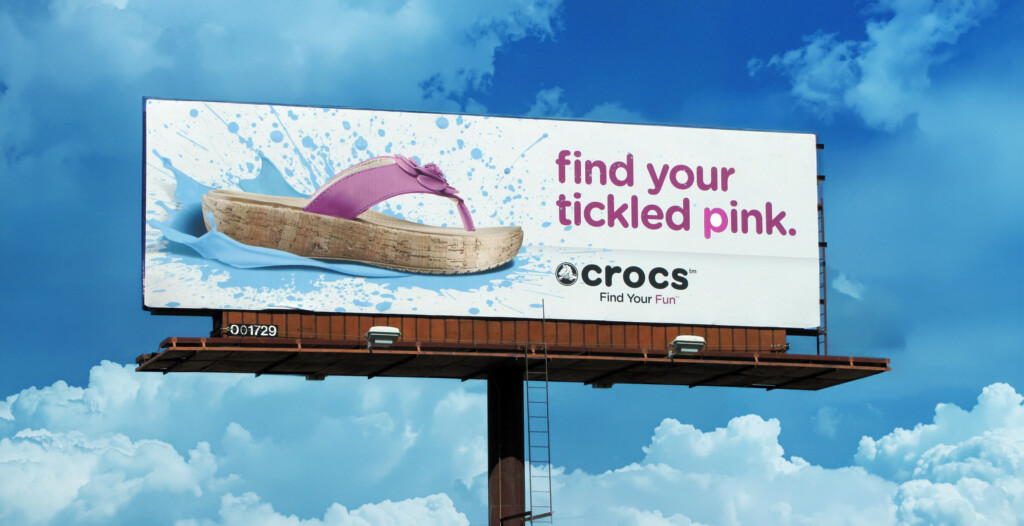
Billboards help people see your business again and again in the places they already go. That builds memory, and memory helps people recognize you, trust you, and choose you when the time comes.
The click is only the last step
RJ regularly hears someone in a marketing meeting ask, “How much money did that make us?”
It is a fair question. Marketing should help the business grow. The problem begins when one number is expected to explain the entire buying decision.
Most attribution systems give credit to the final measurable interaction before a sale. A customer clicks a search ad, submits a form, or buys after seeing a social campaign. The platform records the conversion and claims the win.
What the report cannot always tell you is why that customer clicked your business instead of a competitor.
Maybe they had driven past your billboard for three weeks.
Maybe they heard your name from a friend.
Maybe they have seen your social content a few times.
Maybe your business simply felt familiar when it mattered.
“You’re ignoring everything that made someone ready to buy in the first place,” RJ says. “You’re only looking at the last step.”
The click proves that someone acted. It does not prove that the click did all the work.
The danger of measuring only what is easy
Digital platforms have made marketing easier to track, test, and adjust. That is valuable.
But measurement becomes a problem when businesses assume the most measurable channel must also be the most important one.
That usually pushes more budget toward people who are already ready to buy. Businesses compete for the same search terms, the same social audiences, and the same small group of customers with immediate intent.
Meanwhile, future customers get ignored.
They may not need your product today, but they could need it next month, next season, or the moment something goes wrong. When that happens, they are more likely to choose a name they already recognize.
Brand visibility helps your business become familiar before the customer starts comparing options. It does not replace measurable marketing. It gives measurable marketing a head start.
What brand visibility actually does
“Brand awareness” can sound vague. In practice, it helps customers answer four simple questions:
- Do I recognize this business?
- Do I trust it?
- Does choosing it feel safe?
- Is it right for me?
Customers may not ask those questions out loud, but the answers shape what they do next.
A familiar business feels less risky than an unknown one. A company people see consistently can feel more established. A clear message helps customers understand who the business serves and why it matters.
When that work has already happened, the final sales message does not need to build trust from scratch. The customer arrives with context, making the next step easier.
Run your marketing like one system
Businesses often manage each marketing channel separately. Search has one report. Social has another. Email has its own metrics. A billboard campaign may sit in an entirely different budget.
Each channel is expected to prove that it worked alone.
Your customer does not experience your marketing that way. They see one business.
They may notice your billboard during their commute, see a social post later that week, search for your name when they need help, and finally convert through your website. To them, that is one connected experience.
Your marketing should work the same way.
Billboards build familiarity in the places your customers already travel. Social gives them more context about who you are. Search captures demand when they are actively looking. Email keeps the relationship moving until they are ready to act.
Each channel has a different job. They work better when they support one another instead of competing for all the credit.
Stop asking one ad to do everything
A single ad should not have to introduce your business, build trust, explain the offer, overcome objections, and close the sale all at once.
That is a lot of work for one impression, and it gets expensive.
When a customer has never heard of you, the final ad has to create attention and confidence immediately. When they already recognize your name, that same ad starts with an advantage.
You have already done the introduction. Now the conversion message can focus on the next step.
Brand marketing builds the memory. Performance marketing gives that memory somewhere to go.
Consistency beats starting over
Many businesses turn marketing on only when sales slow down.
Spending increases, business improves, and the campaigns stop. A few weeks or months later, demand drops again and the cycle repeats.
The problem is that recognition does not work like a light switch. When your business disappears for long stretches, future customers stop seeing you, and competitors have more opportunity to become the familiar name.
Consistent visibility does not mean spending heavily all year. It means choosing a sustainable level of activity, then adjusting it around your busiest seasons, promotions, and growth goals.
The goal is not maximum spend. It is avoiding the need to rebuild recognition from zero every time you need sales.
Measure the effect, not just the click
You do not need one perfect metric to understand whether brand visibility is helping.
Start with the business signals that matter most. Look at branded searches, direct website traffic, calls, store visits, leads, sales by location, and changes in conversion rates.
Ask new customers how they heard about you. Pay attention when they say, “I’ve seen you around.”
You can also compare performance in areas where your brand campaign is active. This could look like: Are more people searching for your business by name?
Are calls increasing?
Are your paid search and social campaigns converting more efficiently?
No single report will explain the whole journey. The goal is to gather enough useful signals to make the next decision with confidence.
Good measurement should help you understand what changed, what is working together, and what to try next. It should not convince you that only the final click mattered.
Build the memory before you need the sale
Customers do not wait for your slow season to start forming an opinion about your business. They are noticing brands, remembering names, and deciding which companies feel familiar and trustworthy all the time.
By the time they click, call, or walk through the door, part of the decision may already be made.
That is why visibility matters before the moment of purchase. The businesses people remember are more likely to be considered. The businesses people trust are more likely to be chosen.
Blip makes it easier to build that visibility with digital billboards you can launch on your budget and adjust anytime. Start where your customers already drive, stay visible, and become the name they remember when they are ready to buy.
Frequently asked questions
What is the difference between brand marketing and performance marketing?
Brand marketing helps people recognize and trust your business before they are ready to buy. Performance marketing encourages an immediate action, such as clicking, calling, submitting a form, or making a purchase.
Most businesses benefit from both. Brand marketing builds demand and makes your business easier to choose. Performance marketing captures that demand when the customer is ready.
Can billboards support my digital campaigns?
Yes. Billboards can build recognition in a specific market, while search, social, email, and your website give customers ways to learn more and act.
Use a consistent message across each channel so customers see one connected brand rather than several unrelated campaigns.
How should I measure a billboard campaign?
Start with the result you want the campaign to support. That may be more branded searches, calls, store visits, website traffic, leads, or sales in a specific area.
Compare those results with where and when your campaign ran. Look for changes over time rather than expecting one metric to explain every sale.
Do I need a large billboard budget?
No. Blip lets you choose your locations, set your own budget, and adjust your campaign as needed. There are no minimum spending requirements or long-term contracts, so you can start locally and scale as you go.