Quick Answer: The best billboard placement puts your ad where traffic is heavy and naturally slows: main highways, intersections with traffic lights, transit stations, retail districts and event venues. Traffic volume decides how many people see you. Pauses decide how long they look. Repeat exposure in a few well chosen spots builds the recognition that makes people choose you.
Digital billboards are highly effective, with nearly 8 in 10 consumers noticing digital billboard ads.
The key to success? Placing them where they’ll get the most visibility and engagement. Here are the top 8 locations for impactful digital billboard advertising:
- Main Roads & Highways: High visibility for daily commuters.
- Major Intersections: Longer viewing times at traffic stops.
- Bus & Train Stations: Consistent exposure to daily travelers.
- Popular Attractions: Reach tourists and locals alike.
- Retail & Business Districts: Target shoppers and professionals.
- City Junction Points: Natural traffic slowdowns for better attention.
- Community Spots: Parks, squares, and centers for local engagement.
- Sports & Concert Venues: High-energy events with large crowds.
Why These Locations Work:
- High Traffic: More eyes on your ad.
- Longer Viewing Times: Captive audiences during stops or slowdowns.
- Targeted Demographics: Match locations to your ideal customers.
Pair the right location with dynamic, relevant content, and you’ll create campaigns that people remember. Keep reading to learn how to maximize your impact at each location.
Key Takeaways
- Viewing time matters as much as traffic volume, since a stopped or slow moving audience reads more of your message.
- Match each location type to your audience: commuter routes for reach, retail districts for shoppers, venues for event crowds.
- Digital billboard advertising builds recognition through repeat exposure, so plan for consistent visibility over weeks rather than days.
- Data like foot traffic, dwell time and peak hours shows which spots hold attention, so use it to compare locations before you book.
- High-demand locations can cost more. With pay-per-play pricing, you stay in control of how much those busy spots use from your budget.
- Ready to be seen? Blip gives you digital billboards at the click of a button, with no contracts and no minimums.
Digital Billboards: GeoFencing Strategy
1. Main Roads and Highways
Main roads and highways are prime spots for digital billboard ads, offering unmatched visibility to daily drivers and commuters.
Digital billboards are made for fast, clear communication, so drivers can understand your message as they move through the real world. . Formats like 48-sheet (6m x 3m) or 96-sheet (12m x 3m) are large enough to stay noticeable, even at highway speeds.
Why advertise here?
| Advantage | How It Helps |
|---|---|
| Longer Viewing Time | Traffic congestion during rush hours gives viewers more time to notice your ad. |
| Frequent Exposure | Regular commuters see your ad repeatedly, reinforcing brand awareness. |
| Location-Specific Impact | Ads near business hubs or shopping areas can influence buying decisions. |
To make the most of these benefits, focus on placing your ads in high-traffic areas like:
- Exits leading to shopping or commercial districts
- Busy interchanges with steady traffic flow
- Entry points to major cities
- Routes connecting neighborhoods to office areas
Think in transportation routes, not single boards. A stretch of interstate, a beltway loop or an exit cluster near retail gives the same drivers repeat exposure along one route. That daily repetition is how highway billboard placement builds recall.
Digital billboards also let you use dayparting, adjusting your content based on traffic flow and time of day. Treat it as one piece of your visibility strategy. Consistent exposure helps the same commuters recognize your brand, remember it, and think of you when it matters.
2. Major Street Intersections
Intersections provide a unique opportunity for digital billboard advertising, especially since they engage audiences during stops. These locations are prime spots due to their high visibility and longer viewing times.
Why Choose Intersection Placements?
| Feature | Benefit | Impact |
|---|---|---|
| Traffic Light Stops | Longer viewing time | Better message retention |
| Multi-directional Views | Reaches traffic from all sides | Broader audience exposure |
| Pedestrian Traffic | Adds foot traffic visibility | Stronger local connection |
| Rush Hour Advantage | Captive audience during peak times | Maximum exposure during busy hours |
Digital billboards at major intersections can significantly increase impressions. Their dynamic nature allows businesses to adjust messages based on traffic flow, which keeps messages relevant and engaging.
Tips for Strategic Placement
- Place billboards near traffic signals to take advantage of natural stops.
- Focus on intersections linking commercial and residential areas for a diverse audience.
- Choose locations near popular spots like malls or entertainment hubs for more engagement.
Platforms like Blip make premium billboard locations more accessible through a flexible pay-per-play model. You choose what you spend and only pay when your ad runs, with the freedom to adjust your bid, budget, locations, and schedule as needed. With Blip Optimized, Blip selects where and when your ad runs based on your goals and budget, helping you get more value from your campaign.
For the best results, prioritize intersections that naturally slow down traffic. These “pause points” give your audience extra time to notice and absorb your message.
3. Bus and Train Stations
Transit hubs provide a steady stream of daily commuters, making them an ideal spot for local advertising. These locations offer a consistent and attentive audience, creating the perfect opportunity for targeted, timely ads.
Key areas to focus on include platforms, concourse halls, escalators, and waiting areas. These spots naturally attract attention due to waiting times and heavy foot traffic, giving advertisers a chance to deliver clear, real-time messages.
According to recent surveys, Nearly 8 in 10 consumers notice digital billboard ads, and about 3 in 4 take some kind of action after seeing a digital OOH ad.
Maximizing Impact
Transit station billboards work best when they connect with local residents as part of their daily routine. For the best results:
- Position displays at eye level in busy areas like platforms and concourses for clear visibility and longer viewing times.
- Use real-time data, such as weather updates, transit alerts, or local news, to make your ads more engaging and relevant.
Measurement and ROI
Transit authorities offer detailed viewership data, highlighting peak times and high-traffic areas. Choose panels with excellent sightlines, multi-angle visibility, and the ability to integrate with station systems for flexible, time-specific messaging.
The combination of long exposure times and repeated impressions makes transit hub billboards a powerful tool for building brand awareness. By aligning your campaigns with commuter habits, you can create a local marketing strategy that resonates with your audience every day.
4. Popular Local Attractions
Local attractions like museums, theme parks, and shopping districts are goldmines for ad visibility. Positioned near main roads or transit hubs, they naturally attract both tourists and locals, making them prime spots for digital billboards. These areas are perfect for grabbing attention, but keeping that attention requires engaging, dynamic content.
Strategic Placement Opportunities
Locations that see high foot traffic , like concert venues, museums, and retail hubs, are ideal for maximizing your ad’s reach, Research shows digital billboards are part of an OOH channel that nearly 9 in 10 U.S. adults notice each month, and about 8 in 10 engage within 60 days. proving how effective these placements can be.
Attraction traffic also swells with the calendar. OOH advertising during peak travel seasons shows how to plan around those visitor surges.
Tips for Maximizing Impact
Want your digital billboard near a popular attraction to stand out? Focus on these three things:
- Time-Sensitive Content: Sync your message with the attraction’s schedule or busiest hours.
- Audience-Specific Messaging: Craft messages that resonate with the typical crowd visiting the area.
- Clear Visibility: Place your billboard where it’s easy to see, avoiding locations with excessive visual clutter.
Tracking Performance
Modern digital billboards come with tools to measure their effectiveness. Platforms like Route provide detailed data on:
| Metric | What It Tracks |
|---|---|
| Foot Traffic | How many people pass by the billboard |
| Dwell Time | How long viewers spend looking at it |
| Peak Hours | When the most people are engaging |
| Demographics | Characteristics of the audience |
Best Practices for Content
Make sure your billboard content checks these boxes for maximum impact:
- Easy to spot and read within 5- to 7 seconds
- Relevant to the location and audience
- Eye-catching with bold visuals that stick in memory
5. Retail and Business Districts
Retail and business districts play a major role in shaping purchasing decisions. These areas naturally attract shoppers and professionals, offering unmatched visibility for advertising.
Smart Placement
Digital billboards in these zones are most effective when placed at critical decision-making points:
- Mall Entrances: Smaller displays grab attention as shoppers enter.
- Street-Level Panels: Interactive screens along busy shopping streets.
- Business District Crossroads: Large displays visible to both drivers and pedestrians.
Interactive features like touch screens or QR codes can turn passive viewers into active participants. These placements aren’t just about visibility. They are about driving measurable results.
Using Data to Boost Results
Here’s how data can fine-tune your campaign:
| Metric | Purpose | Benefit |
|---|---|---|
| Peak Shopping Hours | Schedule content effectively | Increased engagement |
| Foot Traffic Flow | Pinpoint prime ad locations | Maximum exposure |
| Consumer Demographics | Match messages to the audience | More relevant messaging |
| Dwell Time | Adjust content length | Better message retention |
Creating Impactful, Cost-Effective Campaigns
Advancements in advertising platforms have made premium retail locations accessible to businesses of all sizes. To make the most of these opportunities, your content should be:
- Time-Sensitive: Match store hours or peak shopping times.
- Location-Focused: Mention nearby stores or landmarks.
- Action-Driven: Include clear calls-to-action for immediate responses.
- Simple and Clear: Stand out in visually busy environments.
Plan your spend with this budget planning guide for digital billboard campaigns. For local businesses, these five strategies show how digital billboards can build visibility beyond simply choosing the right location.
6. City Junction Points
City junction points, where multiple roads meet and traffic naturally slows, are prime spots for catching attention. These locations, like intersections or transit hubs, take advantage of pauses in traffic flow, making them ideal for local advertising.
Why These Spots Work
The natural traffic patterns at junction points mean people spend more time in view of ads. Smaller intersections work well with digital 6-sheet displays, while larger, busier junctions can accommodate 48-sheet displays that are visible from multiple angles.
Choosing the Right Location
Advertisers rely on data to pick the best spots. They look at factors like peak congestion times, vehicle speeds, pedestrian movement, and the angles from which ads will be seen. This information helps them decide where to place displays and when to show content.
Making Ads More Effective
To make the most of these locations, use short, impactful messages paired with eye-catching visuals. Tools that measure audience demographics and engagement can help fine-tune campaigns, so they land with the right people. Focus on junctions where traffic naturally slows to get the most out of your ad spend.
7. Community Gathering Spots
Community gathering spots are perfect for connecting with local audiences in a more relaxed setting. Places like parks, public squares, and community centers naturally draw people in, offering a chance for brands to engage when individuals are more open to interaction.
Where to Place Your Message
These locations see plenty of foot traffic and offer longer engagement times. The right spot changes what the same budget gets you. Here are some examples:
| Location Type | Benefits | Ideal For |
|---|---|---|
| Public Parks | Longer viewing times, family-friendly | Family events, kid-focused products |
| Community Centers | Indoor visibility, specific audiences | Educational programs, local services |
| Public Squares | Busy foot traffic, multiple viewpoints | Retail promotions, public announcements |
| Recreation Areas | Active visitors, repeated exposure | Sports gear, health-related services |
Making the Most of These Spaces
To maximize your impact, focus on creating content that speaks directly to the local community. Use dynamic messaging that adapts to real-time factors like weather, events, and time of day. Matching your message to the setting keeps it relevant.
Tracking Results
Measure the success of your campaigns with tools that analyze audience engagement. For instance, platforms like Route in the UK provide detailed insights into who’s interacting with your content, helping you fine-tune your strategy.
Crafting Effective Content
Keep your messages simple, engaging, and respectful of the environment. Adding local touches, like referencing nearby landmarks or events, can help create a stronger connection with your audience.
8. Sports and Concert Venues
Sports and concert venues bring unique opportunities for engaging, event-focused campaigns. These locations attract thousands of enthusiastic attendees, creating multiple chances for impactful advertising.
Key Placement Opportunities
Placement around these venues decides who sees you. High-traffic areas to consider include:
| Location Type | Best Viewing Time | Target Audience |
|---|---|---|
| Stadium Entrances | Before and after events | Fans and attendees |
| Parking Structures | All day during events | Driving attendees |
| Transit Connection Points | Arrival and departure times | Public transport users |
| Entertainment Districts | Evening hours | Event-goers and locals |
Using Dynamic Content for Maximum Effect
Digital billboards at these venues can adjust content in real-time, making them ideal for:
- Promotions tied to specific games or concerts
- Limited-time deals during events
- Interactive features like QR codes for instant engagement
This real-time flexibility keeps your messages relevant throughout the event. Event spikes work best on top of steady visibility, since digital billboards are strongest when your audience sees your brand consistently over time.
Measuring and Understanding the Audience
Modern digital billboards come with advanced tracking tools that provide insights such as:
- Peak viewing times
- Demographic trends
- How long people engage with your ad
- Overall interaction rates
This data helps you refine your approach and helps your ads land with the audience.
Tips for Better Content
Keep your ads bold and to the point. Incorporate elements like social media links or interactive features to align with the lively event atmosphere. Make sure your messaging connects with the venue’s vibe and audience for a stronger impact.
Top US Markets for Digital Billboard Advertising
Location types tell you where to look inside a market. If you are comparing markets, start where commutes and tourism keep screens busy all day:
- Los Angeles: Freeway commutes give brands long daily exposure across sprawling routes.
- New York City: Dense foot traffic pairs street level screens with high impact placements.
- Chicago: Expressways and transit lines funnel commuters past the same boards every day.
- Atlanta: Interstate loops like I-75 and I-285 carry heavy commuter traffic all week.
- Dallas and Houston: Long drive times across wide highway networks mean high frequency for the same audience.
- Miami: Tourism and year round events keep visitors and locals moving past the same screens.
- Las Vegas: Long dwell times on resort corridors reach visitors who are ready to spend.
You do not need a giant market for billboards to work. The strongest advertising locations sit on your customers’ daily routes, not just famous streets. Blip gives you one marketplace with over 3500 plus boards nationwide, so you can build the same kind of campaign in a major metro or your own hometown.
How to Choose the Right Billboard Placement
All eight advertising locations work for a reason, but the right one for you depends on who you need to reach. The best digital billboard for advertising your business sits on routes your customers already drive or walk every day.
Online ads mostly reach people who are already searching for you. A billboard reaches everyone who passes, whether they were looking or not. The two work better together, since search captures the demand that repeat exposure creates.
Weigh three things before you book: traffic volume, viewing time and audience fit. A smaller board at a slow intersection can beat a bigger board on a fast road.
Then give the campaign room to work as billboards build over weeks not days and need for people to see you more than once. See how local businesses have done it in Blip’s success stories.
Match the Format to the Location
Different digital billboard advertising locations call for different screens. Match the format to the setting:
| Format | Best Locations | Why It Works |
|---|---|---|
| Large digital bulletins | Highways and interstates | Big text and one image read at speed and distance |
| Mid size digital displays | Intersections and junction points | Multiple angles catch stopped and turning traffic |
| Street level digital screens | Retail districts and urban cores | Eye height reaches people on foot with time to read |
Conclusion
Our top eight digital billboard locations highlight how strategic billboard placement strengthens local marketing efforts. Strong recall starts with the right location. For local businesses, the best spots are the ones your customers already pass, recognize, and remember.
Key factors for a successful campaign include traffic volume, how long people can view the ad, and the audience’s characteristics. Busy roads and major intersections provide maximum visibility, while areas where traffic slows naturally give viewers more time to absorb the message. This precise approach often leads to better consumer impressions.
Digital billboards also benefit from advanced tracking tools that help measure campaign performance. For example, One Day Agency’s recent campaigns used data analysis to fine-tune billboard locations and messages, resulting in improved brand recall and increased foot traffic.
Public opinion of digital billboards is overwhelmingly positive – : 72% of respondents see them as an engaging way to advertise. When paired with content timed to specific times or local events, these billboards become even more effective for connecting with local audiences.
To make the most of this medium, businesses must understand local traffic patterns and use detailed measurement tools. Whether at busy intersections or popular community spots, aligning billboard placement with the daily habits of your target audience keeps your campaign in front of the right people.
Ready to be seen in these spots? Blip gives you digital billboards at the click of a button. No contracts. No minimums.
Pick your boards, upload your ad, set your budget, and get your campaign set up within minutes
Frequently Asked Questions About Digital Billboard Advertising Locations
What are the most popular configurations for highway-facing digital billboards?
Most highway facing digital billboards in the US are large format bulletins, and 14 by 48 feet is the most common size. They usually sit well above the road, angle toward oncoming traffic and rotate several advertisers in short loops, often around 8 seconds per spot. Landscape layouts with big text and one clear image work best, because drivers only get a few seconds of clean sightline at speed.
What locations work best for outdoor advertising in urban areas?
Urban campaigns are won at street level. The strongest urban advertising locations put your message at eye height where people walk, wait and shop: crosswalks, transit shelters, parking structures and screens mounted near dense retail. Pedestrians move slower than drivers, so you can say a little more, but visual clutter is heavier, so bold and simple still wins.
Can billboard advertising be targeted to specific commuter corridors?
Yes. You can build a campaign around one commuter corridor by choosing boards along a single route and keeping your message consistent across them. Scheduling controls let you weight your plays toward commute windows, and that works best inside a broader visibility plan where the same drivers see you day after day until they remember you.
How much does a digital billboard for advertising cost with Blip?
There is no single flat rate. Pricing depends on the exact billboard location, its CPM, and advertiser demand. With Blip, you choose your budget, pay only when your ad runs, and can adjust your campaign anytime. There are no minimums or long-term contracts. Visit the Blip pricing page to explore how costs work and plan a campaign that gives your brand enough time and frequency to build recognition.
How do I get my ad running in these locations with Blip?
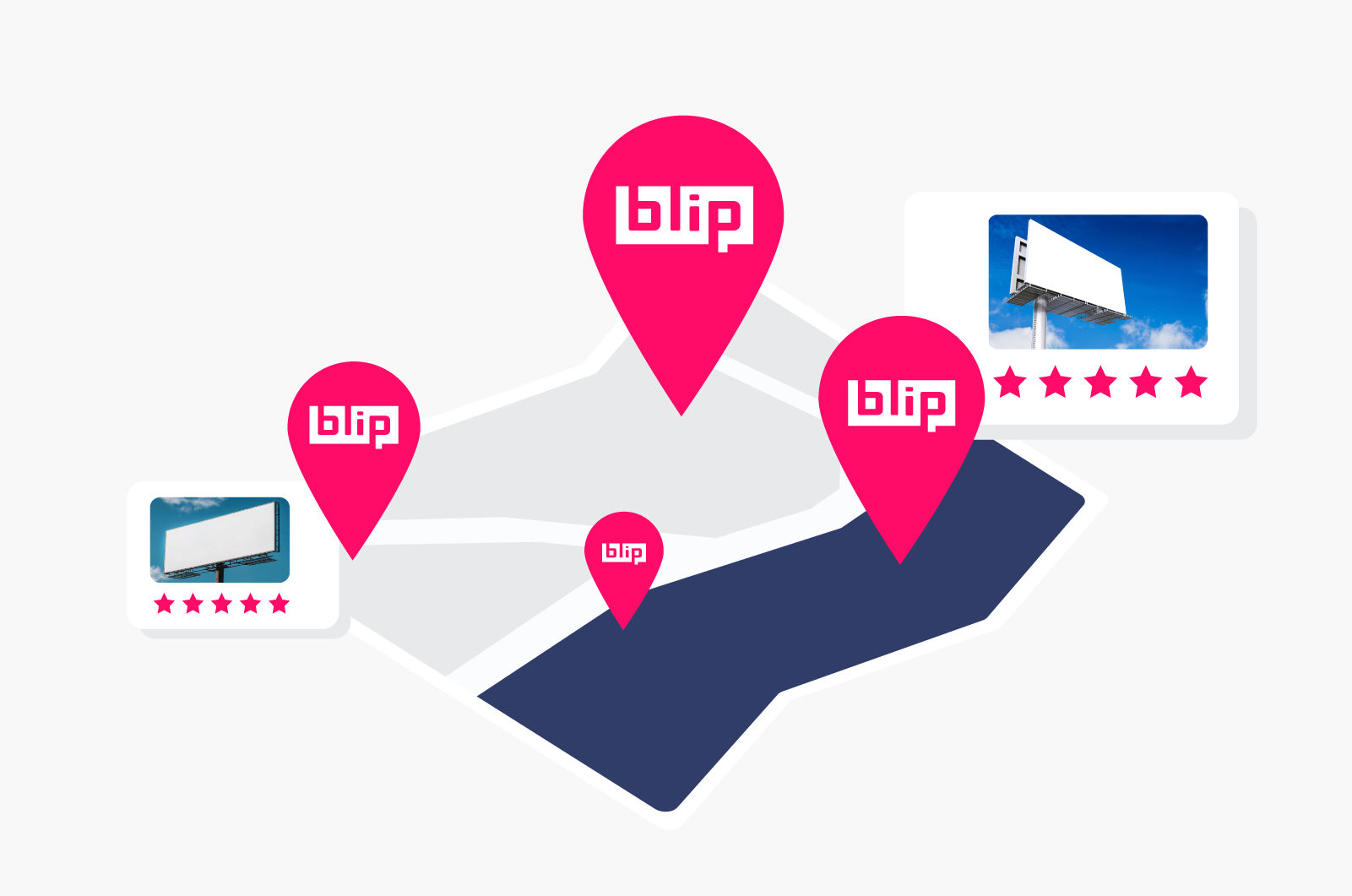
Create a free account, pick boards from the marketplace map, upload your artwork and set your schedule. Designs go through a quick review, and campaigns can be live within the week. You stay in control after launch, so you can adjust locations, budget or creative anytime.