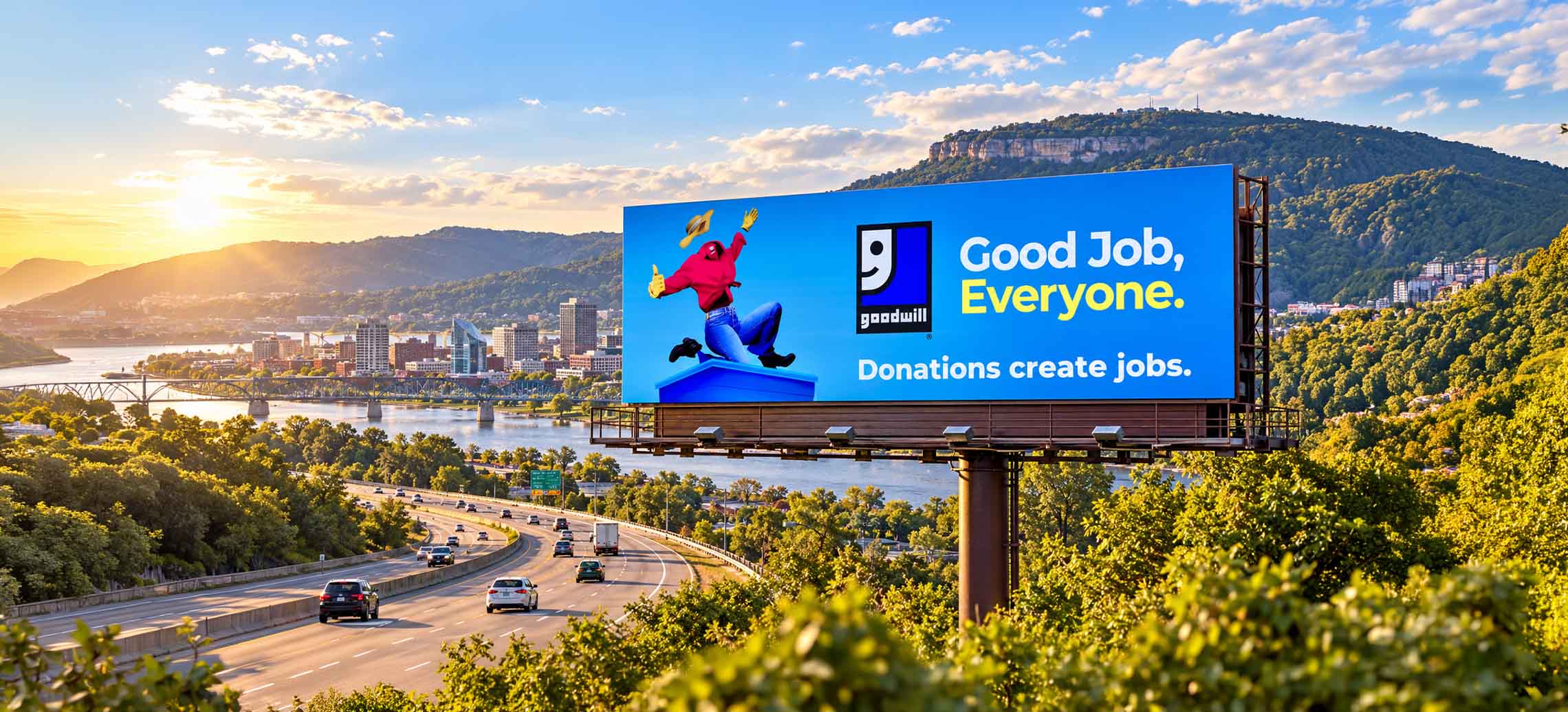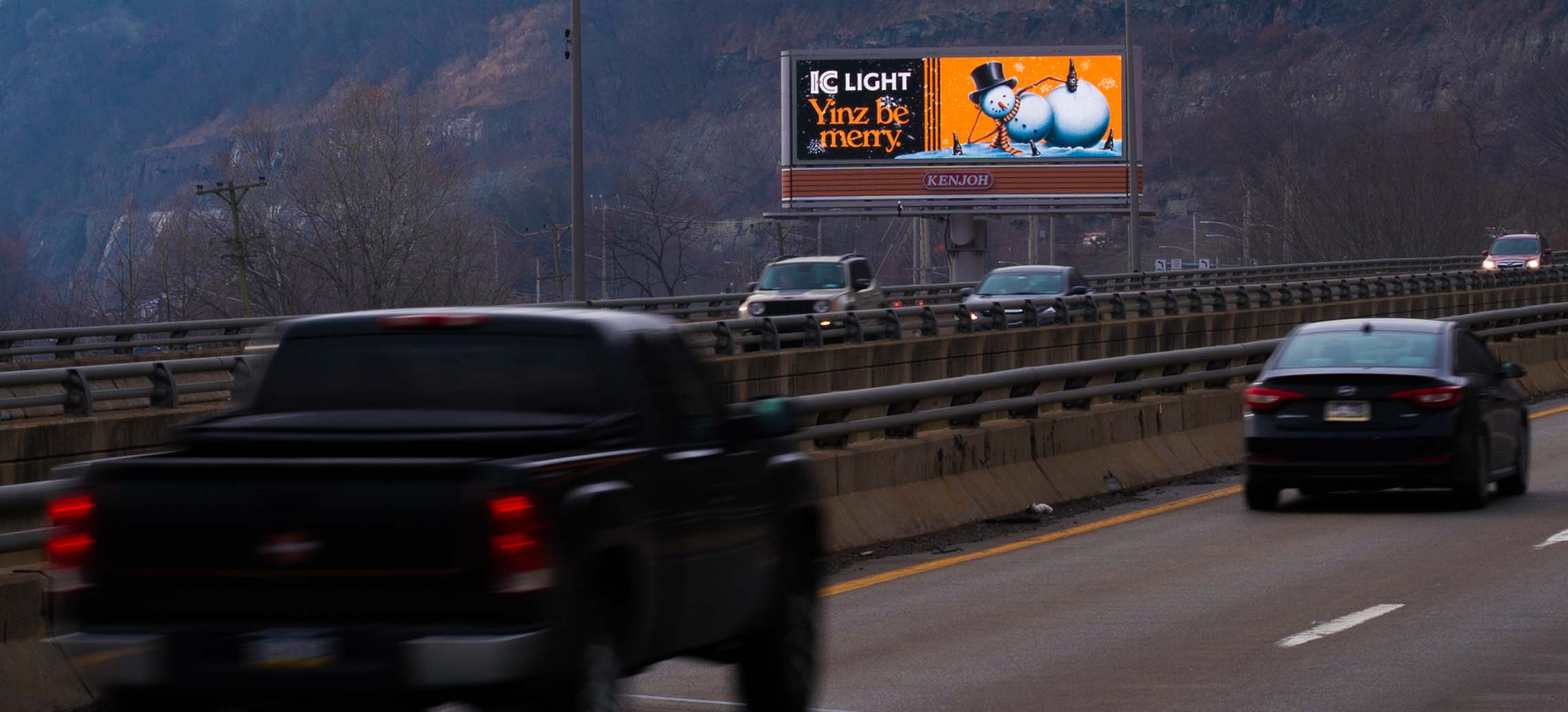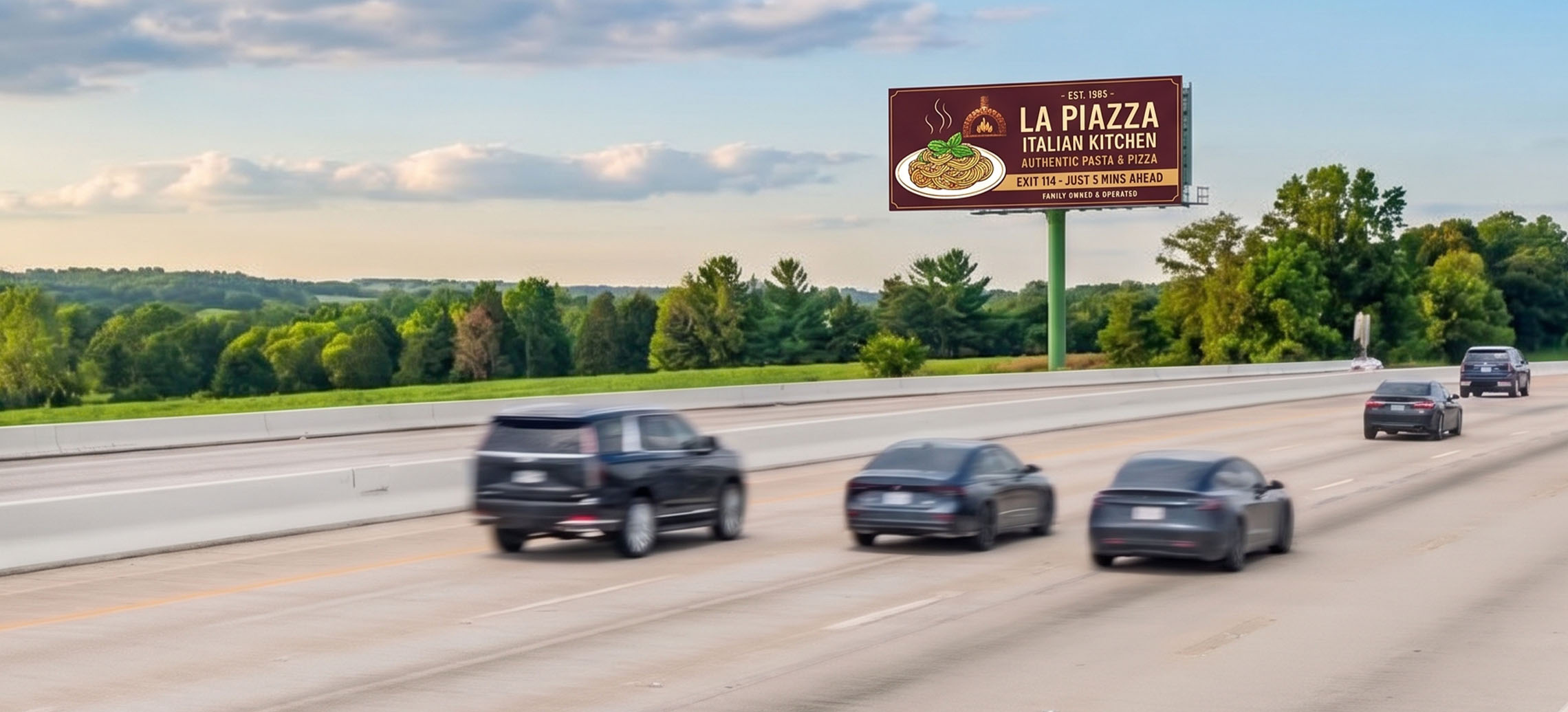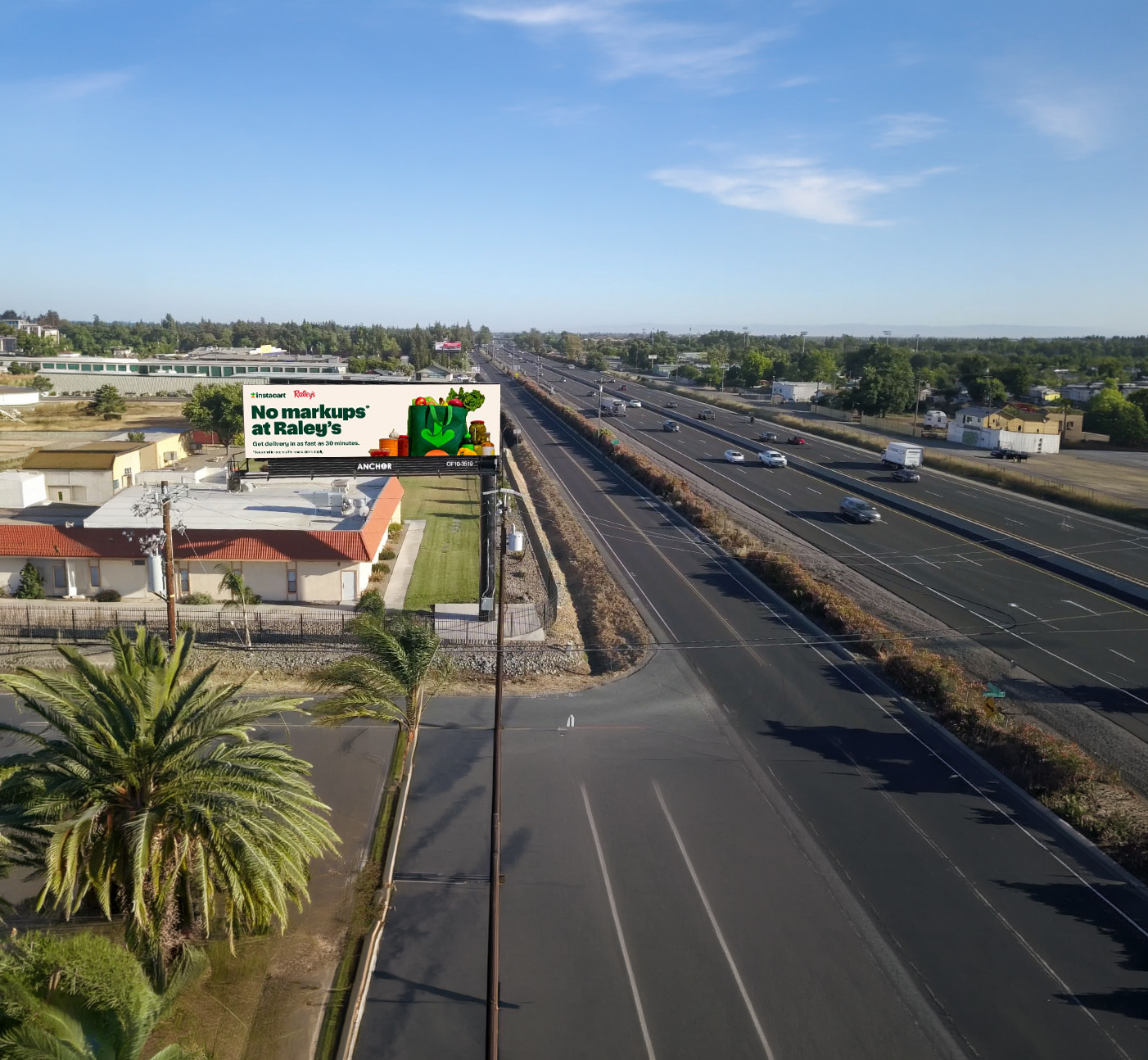
Your best customers may not be ready to buy today. But that does not mean you should wait to show up.
When you only market to people actively shopping, you’re competing with everyone else for the same expensive attention. The better move? Build recognition earlier, so when buyers are ready, your business already feels familiar.
RJ Schultz, Chief Operating Officer at Blip, works with small businesses that are tired of paying more for digital ads without seeing enough new customers.
We asked him how to:
- Find future customers before they start shopping
- Stay visible during the months before they buy
- Track early signs your marketing is working
- Lower the cost of turning awareness into action
Key Takeaways:
- 95% of your potential customers aren’t buying today, but they will eventually need what you sell. The trust you plant now determines whether they choose you later.
- Performance marketing (advertising where you pay only when someone takes a specific action, like a click or sale) uses existing demand. Trust marketing plants future demand.
- The more places people see your business, the more they trust it. That makes it easier and cheaper to turn them into customers.
Build Demand Before Busy Season
Picture a landscaping company in January. It’s cold, nobody’s thinking about their yard, so they cut their ad spending to save money.
Then April hits. Phones are ringing all over town, but theirs isn’t. The landscaper two miles away is booked out for six weeks.
What did they do differently?
They stayed visible before demand picked up.
While people were still months away from booking, they were already seeing that landscaper’s name around town. By the time spring arrived, the choice felt familiar.
Most future customers are not shopping today. They may need you in three months, six months, or next year. Right now, they’re just living their lives.
The most successful small businesses know timing matters. They build visibility before customers are ready to buy, so their name feels familiar when the need finally shows up.
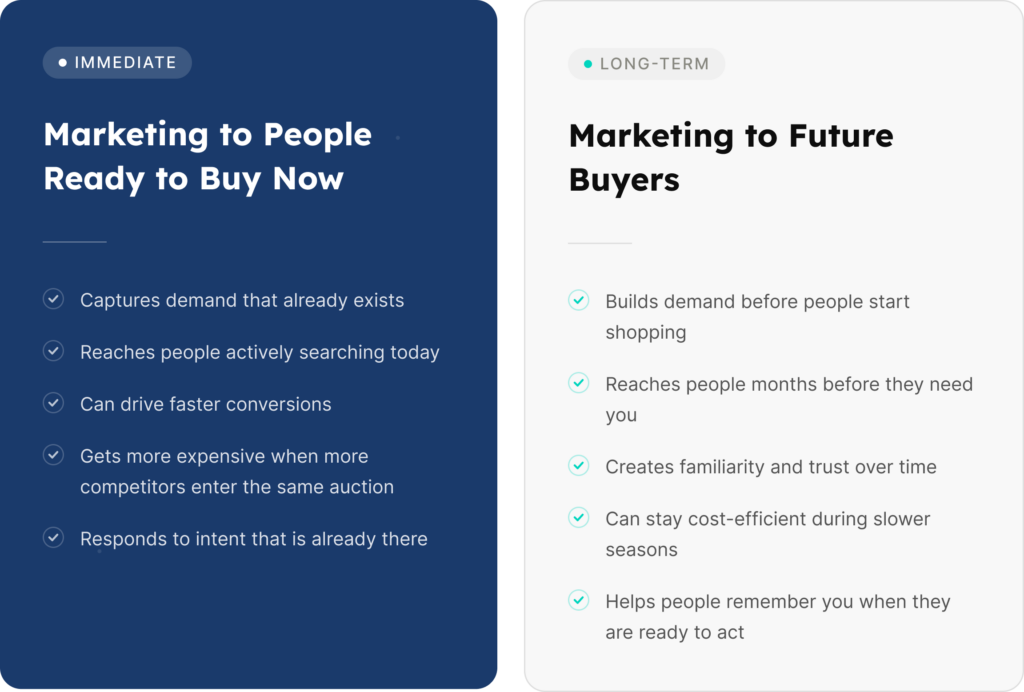
The difference is timing.
Some marketing helps you get in front of people who are already looking. That matters, but it also means you’re showing up at the most crowded, expensive moment.
The bigger opportunity is to become familiar before people start searching. When your name has already been seen, remembered, and trusted, you are not starting from zero when they are ready to buy.
As RJ puts it:
“Trust built before people want to buy determines who wins when they’re ready to make a purchase.”
Stay Visible Year-Round to Grow Demand
The idea is simple: show up before people need you, so they remember you when they do.
The hard part is staying consistent. RJ breaks it into four moves small businesses can use to build demand over time.
1. Start with the future buyer
Before you run the campaign, get clear on who you want to remember you later.
Ask:
Who is likely to need what we sell in the next three, six, or twelve months?
Where do they spend time in the real world and online?
What should they remember about us when that need appears?
You do not need a perfect answer to start. Pick the piece you are least sure about and test from there. The goal is to aim your visibility at people who are likely to become customers, not just anyone who might see the ad.
2. Give your marketing time to build
Demand does not usually show up overnight. It builds in layers.
In the first 30 days, look for signs that people are noticing you: more direct traffic, more branded searches, more people mentioning where they saw you.
By 60 days, you should have a better sense of which messages and locations are getting attention.
By 90 days, look at whether that attention is turning into action: more calls, form fills, visits, purchases, or faster sales conversations.
The win is not one magic spike. It is consistent visibility that helps each new interaction feel more familiar and effective.
3. Let your channels work together
Billboards, search, social, email, and retargeting should not feel disconnected. Each one should reinforce the same message and work together.
Billboards help people recognize your name before they need you. Digital channels help keep that name close when they start comparing options. Retargeting brings people back after they visit your site.
Each channel has a job. Together, they help move someone from “I’ve seen them before” to “I should buy or try that.”
Slower seasons can be a smart time to start. When fewer businesses are competing for attention, you can often build visibility more efficiently before demand gets crowded.
4. Put one person in charge of the story
Consistency takes a bit of intention.
One person should own the message across every channel. Otherwise, your Facebook ad might talk about price, your billboard might talk about quality, and your website might talk about speed.
All three may be true, but together they can make the business harder to remember.
Keep the message focused by asking:
What problem do we solve?
When do people care most about that problem?
What should they remember after seeing us?
How should each channel support that same idea?
When every touchpoint points to the same promise, your marketing becomes easier to recognize and easier to trust.
Make Demand Work for You Later
Getting a new customer is easier when they already know your name.
Someone who has seen your business for months does not need as much convincing when they are finally ready to buy. They are not starting from zero. They already have a little familiarity, a little trust, and a reason to choose you over someone they have never heard of.
That is how growth becomes more predictable. You are not relying only on the campaign running today. You are benefiting from the visibility you built weeks and months ago.
Blip makes that kind of visibility easy to start and scale. Access 3,500+ digital billboards across the U.S., launch in minutes with no minimums or contracts, adjust your spend anytime, and track everything in one place.
Start building demand with Blip
Frequently Asked Questions
How do I market to customers who aren’t ready to buy yet?
Show up before they start shopping.
Use billboards to help people see your name regularly in the places they already go. Then use digital ads to explain why they should choose you once they start looking.
From there, look for signs that familiarity is growing: more branded searches, more leads who already recognize you, and faster buying decisions.
What’s the difference between performance marketing and brand marketing?
Performance marketing captures people actively searching for solutions right now through channels like Google Ads. Brand marketing builds familiarity with people who will need your solution months from now but aren’t shopping yet.
What is the difference between marketing to today’s buyers and future buyers?
Marketing to today’s buyers means reaching people who are already looking for what you sell. Think Google Ads, search campaigns, or any channel built to capture someone who is ready to act now.
Marketing to future buyers means showing up earlier, while people are still weeks or months away from making a decision. The goal is to build familiarity, so your business feels like a known option when the need finally shows up.
Most businesses focus only on people ready to buy today. That can get expensive fast, because everyone is competing for the same customers at the same time.
When should I invest in brand marketing versus performance marketing?
Invest in both at the same time rather than choosing one over the other. Brand marketing builds awareness with future buyers during slow periods when ads cost less. Performance marketing gets sales from people who already know your brand.
Companies that only invest in performance marketing watch their ad costs climb higher while sales become unpredictable because they stopped building awareness with future customers.
How long does it take to see results from trust-building marketing?
In the first month, more people will search for your business by name. By month two, potential customers will say things like “I’ve seen you around” when they call. By month three, people will move from inquiry to purchase faster because they already know who you are.
Building awareness before people need you creates steady results instead of hoping you get your results right away after launching a campaign.