Billboards near Coeur Dalene, ID
No Minimum Spend. No Long-Term Contracts. Just Results.
Trusted by Leading Brands


Billboard advertising
near Coeur Dalene has never been easier
How much is a billboard near Coeur Dalene?
Why Choose Blip for Billboard Advertising near Coeur Dalene
Blip lets you launch Coeur d'Alene billboards fast on any budget, reaching I-90 and U.S. 95 traffic without long-term commitments.
Use Coeur d'Alene's weekend lake and resort traffic to daypart Blip ads for Fri-Sun, 11 a.m.-7 p.m., when leisure intent is highest.
Coeur d'Alene commuters on I-90 need timely messaging; Blip's real-time analytics help you shift spend as morning and 3-6 p.m. peaks change.
No contracts means Coeur d'Alene brands can test campaigns for Ironman, holiday lights, or summer tourism, then adjust instantly.
Blip's creative tools make it easy to build short, high-readability ads for Coeur d'Alene drivers heading from Post Falls to downtown or the lake.
Frequently Asked Questions About Billboard Advertising near Coeur Dalene
How much does a billboard cost near Coeur d'Alene, Idaho with Blip?
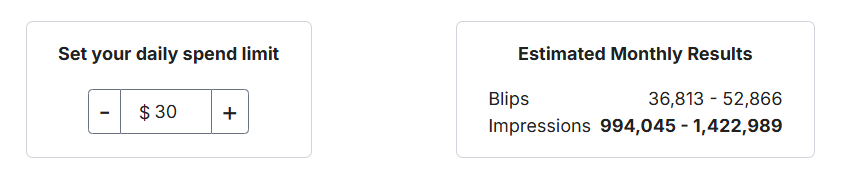
With Blip, advertising on Coeur d'Alene billboards is flexible and affordable because you pay per blip—a 7.5 to 10-second display—only when your ad runs. You set a daily budget during campaign setup, Blip sticks to it automatically, and you can adjust it anytime. Costs vary based on when and where you choose to advertise and on advertiser demand, so your total spend is simply the sum of each blip you receive over time.
Where can I advertise with Blip near Coeur d'Alene, Idaho?
We have three Blip-supported digital billboards serving the Coeur d'Alene area from nearby Post Falls, about 5.6 miles west of downtown Coeur d'Alene. This placement is along I-90 and major cross streets that collect both eastbound Spokane traffic headed toward downtown Coeur d'Alene and westbound local trips toward Spokane Valley. It is ideal for tourism messaging, retail and dining promotions, and service providers seeking weekday commuters.
When is the best time to run Coeur d'Alene billboard ads with Blip?
Prioritize seasonal windows from late spring through early fall, weekend leisure traffic, and weekday commuter dayparts on I-90. May–September sees the highest visitor volumes, and Friday 4–7 p.m. plus Saturday 11 a.m.–7 p.m. are the most reliable high-impression blocks. Weekdays also sustain robust commuter flow, with morning peaks from 7–9 a.m. and return peaks from 3–6 p.m.
Why is Coeur d'Alene a strong billboard market for Blip?
Coeur d'Alene blends fast-growing residential neighborhoods, a bustling tourism economy centered on Lake Coeur d'Alene, and cross-border commuting with Spokane. Kootenai County’s population surpassed 180,000 in 2023 after growing more than 30% since 2010, and median household income in the City of Coeur d'Alene is above $65,000. Average Annual Daily Traffic on I-90 through Post Falls and Coeur d'Alene commonly exceeds 60,000–70,000 vehicles per day.
What kinds of businesses should advertise in Coeur d'Alene with Blip?
Hospitality and attractions, dining and retail, real estate and home services, and healthcare or education can all benefit from the Coeur d'Alene market. The page notes that hotels, vacation rentals, marinas, boat tours, golf courses, family entertainment, lakefront patios, breweries, boutiques, and outdoor gear shops are especially good fits. It also says commuter-focused flights work well for clinics, dental, and higher ed during the school year.
Do I need a contract to advertise with Blip near Coeur Dalene?
No, Blip has no long-term contracts or minimum commitments. You can start, pause, or stop your campaign at any time.
How fast can I launch a billboard campaign with Blip near Coeur Dalene?
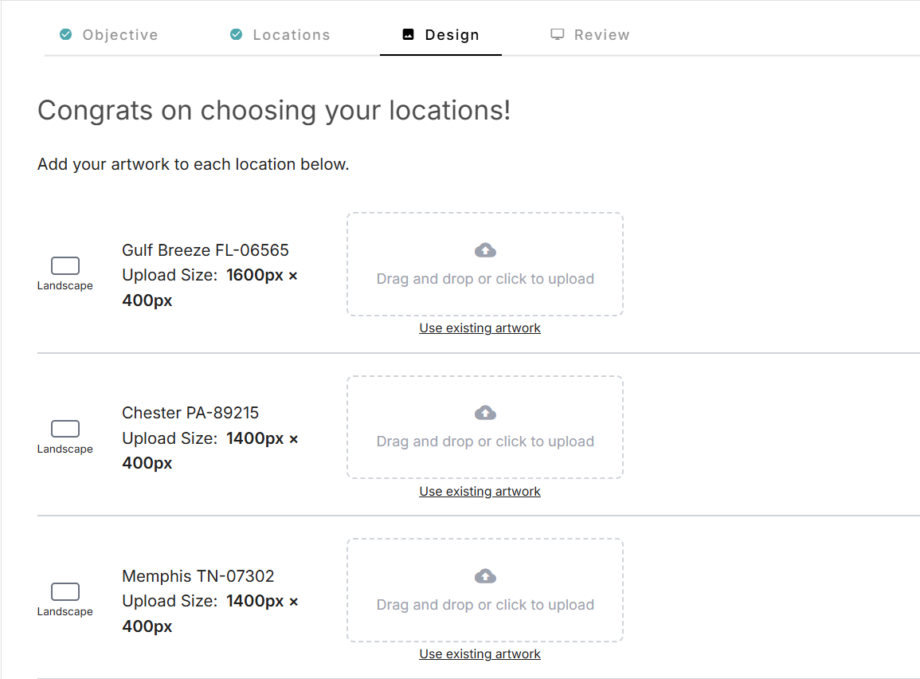
You can have your campaign live in minutes. Create a free account, select your locations, set your budget, upload your design, and start running once approved.
Where can I advertise with Blip near Coeur Dalene?
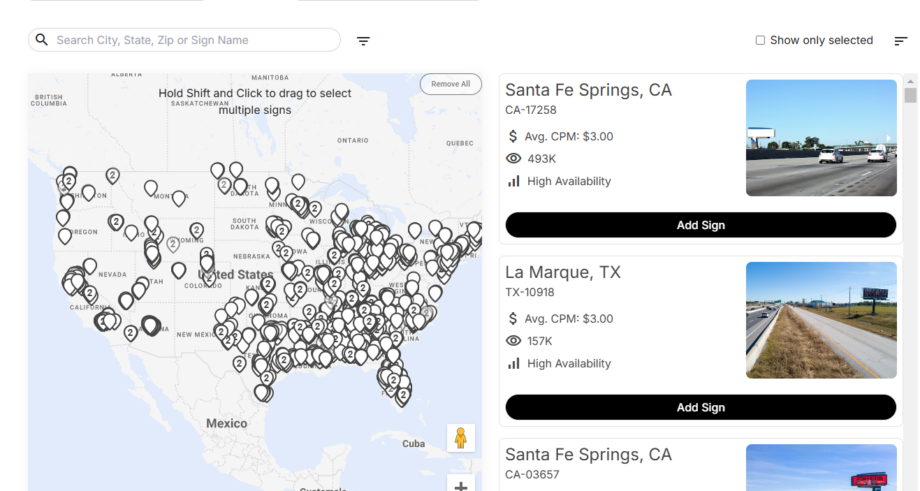
Blip has digital billboards near Coeur Dalene. You can browse available locations on a map, choose the ones that fit your audience, and start advertising right away.
Still have questions? Launch a campaign in minutes — no contracts, no commitments.
Start Your CampaignCoeur Dalene Billboard Advertising Guide
Coeur d’Alene blends fast-growing residential neighborhoods, a bustling tourism economy centered on Lake Coeur d’Alene, and cross-border commuting with Spokane to create a uniquely high-impact market for digital out-of-home. With three Blip-supported digital billboards serving the Coeur d’Alene area from nearby Post Falls (about 5.6 miles west), we can help you reach local families, seasonal visitors, and daily commuters along I-90 and key arterials with flexible budgets and precise dayparting. If you’re searching for billboards near Coeur D'Alene, our Post Falls screens provide highly efficient reach at Coeur D'Alene billboards pricing without sacrificing proximity to downtown and U.S. 95.
Why the Coeur d’Alene Area Is a High-Value Billboard Market
-
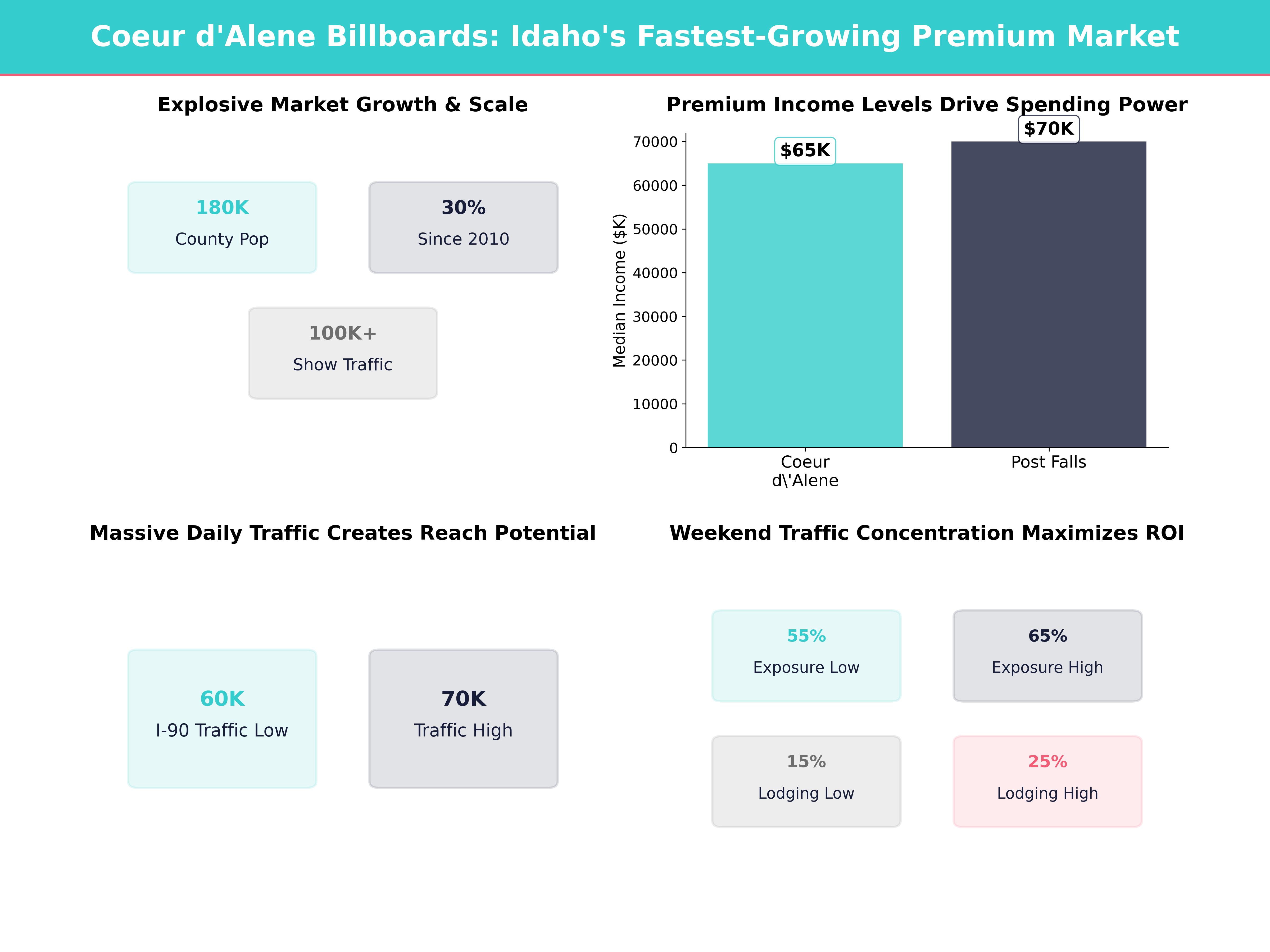
Rapid population growth and affluence: Kootenai County’s population surpassed 180,000 in 2023, after growing more than 30% since 2010, driven by migration from the West Coast and Spokane metro. The City of Coeur d’Alene reports steady residential and retail expansion, especially along the U.S. 95 and I-90 corridors. Median household income in the City of Coeur d’Alene is above $65,000, with neighboring City of Post Falls above $70,000, supporting discretionary spend for dining, recreation, and retail. Local housing permits remained elevated in 2021–2023, with thousands of new units approved across Coeur d’Alene, Post Falls, and unincorporated Kootenai County. See updates from the City of Coeur d’Alene and the City of Post Falls for recent growth and projects:
- City of Coeur d’Alene: https://www.cdaid.org/
- City of Post Falls: https://www.postfalls.gov/
-
Tourism magnet: Visit Coeur d’Alene notes that the region welcomes millions of leisure trips annually, with peak visitation May–September tied to lake recreation, golf, events, and waterfront dining. Hotel occupancy in the core summer months routinely runs in the mid‑70% to mid‑80% range, with average daily rates highest in July and August. Signature events such as Ironman 70.3 Coeur d’Alene draw thousands of athletes and spectators, while the Coeur d’Alene Resort Holiday Light Show attracts well over 100,000 annual visitors between late November and early January. Major draws include Coeur d’Alene Resort, the Centennial Trail, Art on the Green, Ironman 70.3 Coeur d’Alene, and holiday lights. Explore:
- Visit Coeur d’Alene: https://www.coeurdalene.org/
- Coeur d’Alene Resort: https://www.cdaresort.com/
- Cross-metro reach: I-90 connects Coeur d’Alene to Spokane in roughly 30–40 minutes. Daily cross-border commuting and shopping flow push traffic through Post Falls, making nearby billboards especially effective for reaching Coeur d’Alene residents and Spokane-area visitors heading for the lake, downtown, or U.S. 95 retail. Average Annual Daily Traffic on I‑90 through Post Falls and Coeur d’Alene commonly exceeds 60,000–70,000 vehicles per day, with summer Friday peaks well above weekday averages. Retail nodes along U.S. 95 see strong spillover, with weekend hourly peaks between 11 a.m. and 3 p.m. contributing a disproportionate share of daily trips.
What this means for your campaign: prioritize seasonal windows (late spring through early fall), weekend leisure traffic, and weekday commuter dayparts on I-90. Use creative that resonates with outdoor recreation, family experiences, and event timing. For advertisers considering billboard advertising near Coeur D'Alene, this mix delivers both volume and intent.
Where Our Screens Serve the Coeur d’Alene Area
-
Post Falls (approx. 5.6 miles from downtown Coeur d’Alene): Strategically positioned along I-90 and major cross streets that collect both eastbound Spokane traffic headed toward downtown Coeur d’Alene and westbound local trips toward Spokane Valley. This placement is ideal for:
- Tourism messaging targeting visitors en route to the lake and resort.
- Retail and dining promotions for U.S. 95 corridors and downtown.
- Service providers seeking weekday commuters.
By scheduling Blips near Post Falls, we can intercept audiences just minutes before they reach Coeur d’Alene lodging, marinas, golf, and shopping. For brands evaluating billboard rental near Coeur D'Alene, these locations offer cost-effective frequency and immediate proximity to arrival decisions.
Audience Patterns, Traffic, and Timing
-
Seasonal peaks:
- May–September sees the highest visitor volumes, with lake boating, events, and trail usage surging on weekends and holidays. Lodging demand in July–August typically runs 15–25% higher than shoulder months, and restaurant sales lift 20–30% on peak summer weekends. Visit Coeur d’Alene’s events calendar consistently stacks major happenings through summer and early fall: https://www.coeurdalene.org/events/
- Winter still delivers strong weekend traffic for ski and holiday events, especially the Coeur d’Alene Resort Holiday Light Show (typically late Nov–early Jan), which can produce waterfront pedestrian counts 2–3x normal winter levels and evening traffic spikes after 5 p.m.
-
Weekly rhythm:
- Weekends (Fri–Sun) show heavy leisure movement toward downtown and the waterfront. Friday 4–7 p.m. and Saturday 11 a.m.–7 p.m. are the most reliable high‑impression blocks, often generating 30–40% of weekly roadside exposures.
- Weekdays (Mon–Thu) sustain robust commuter flow along I-90 and U.S. 95, including school-year patterns tied to the Coeur d’Alene School District. Morning peaks concentrate 7–9 a.m., with return peaks 3–6 p.m.; these two windows can account for 45–55% of weekday impressions.
-
Dayparts that perform:
- Morning (6–10 a.m.): Commuters moving Spokane–Post Falls–Coeur d’Alene; strongest 7–9 a.m.
- Midday (11 a.m.–2 p.m.): Lunch and shopping runs near U.S. 95 and downtown; up to 25–30% of weekend exposures.
- Late afternoon/evening (3–7 p.m.): Return commuters plus leisure traffic to restaurants, waterfront, and events; best for “Tonight” and “Happy Hour” CTAs.
-
Event surges:
-
Ironman, Art on the Green, Car d’Lane, Oktoberfest, and Independence Day fireworks drive exceptional spikes. Ironman weekends can lift downtown foot traffic 50%+ versus typical summer Saturdays and increase hotel sold-out nights. Coordinate flights to start 7–10 days before and run through event weekends. Monitor the city’s and tourism calendars:
- City of Coeur d’Alene events
- North Idaho College events near the waterfront
-
Ironman, Art on the Green, Car d’Lane, Oktoberfest, and Independence Day fireworks drive exceptional spikes. Ironman weekends can lift downtown foot traffic 50%+ versus typical summer Saturdays and increase hotel sold-out nights. Coordinate flights to start 7–10 days before and run through event weekends. Monitor the city’s and tourism calendars:
Creative Strategies That Work Near Coeur d’Alene
- Lean into outdoor and family lifestyle: Use imagery of water, trails, bikes, boats, and sunsets to match audience mindset. Short copy like “Lake Day Starts Here” or “Dine on the Water Tonight” aligns with visitor intent. Keeping total on-screen words under 7 boosts legibility at 60–70 mph and can raise recall by 20%+.
- Geo-cue the drive: Include distance-based prompts from Post Falls to Coeur d’Alene destinations (e.g., “Exit U.S. 95 in 7 minutes” or “Downtown CDA in 10 min – Turn Right at Next Exit”). Highway legibility studies show concise, number-led headlines increase comprehension at a glance by 15–30%.
-
Seasonal swaps:
- Summer: rentals, marinas, patios, golf, festivals; tourist share of traffic can exceed 35–40% on peak weekends.
- Fall: college sports, dining, harvest and beer events; shoulder season hotel occupancy typically 10–15 points lower than July–August—use offers.
- Winter: holiday lights, ski weekends, cozy dining, wellness; evening impressions rise with earlier sunsets.
- Spring: real estate, home improvement, outdoor gear; home tours and open houses concentrate on Sat/Sun, with 60–70% of weekly showings on weekends.
- Clear offers and time hooks: “Tonight,” “This Weekend,” “Happy Hour 3–6,” “Race Week Discount,” or “Book by Sunday.” Pair with easy-to-remember URLs or QR-friendly short links; QR scans on roadside DOOH typically convert at 0.1–0.3% of exposures when within 0.25 miles of an exit.
How to Use Blip’s Tools to Own Key Moments
- Dayparting: Activate morning and evening commuter windows on weekdays, and heavier midday blocks on Saturday/Sunday during summer. For event weekends, extend evening hours to capture restaurant and entertainment decisions after 5 p.m. Expect 10–20% CPM efficiency gains by concentrating spend into these high-density blocks.
- Budget pacing: Increase max bid ceilings the week leading into headline events, then taper the day after. For evergreen goals, maintain a baseline budget Monday–Thursday and step up Friday–Sunday during peak tourism months. Advertisers often allocate 60–70% of weekly spend to Fri–Sun in summer to align with 55–65% of weekly exposures.
-
Creative rotation: Prepare at least 3–5 variations:
- Core brand ad (always on)
- Weekend offer
- Event-specific ad
- Weather-reactive or seasonal swap
- Directional or exit prompt Running 4–5 creatives can improve ad fatigue metrics and lift engagement proxies (site visits, map searches) by 10–25% versus a single static creative.
- Test-and-optimize: Run A/B tests on call-to-action phrases and distance cues. Shorten text for I-90 speeds; if engagement lifts when simplifying from 9 words to 5–6, apply across your set. Shift 15–30% of impressions into the better-performing variant within 72 hours.
Who Should Advertise Near Coeur d’Alene
- Hospitality and attractions: hotels, vacation rentals, marinas, boat tours, golf courses, family entertainment. Use event-week and holiday calendars to cluster impressions. Expect strongest ROI when 50%+ of impressions run Thu–Sun in May–September. This is especially true for brands evaluating Coeur D'Alene billboards to capture last‑mile decision-making.
- Dining and retail: lakefront patios, breweries, boutiques, outdoor gear shops. Promote time-bound offers and “tonight” language Friday–Sunday; restaurants commonly see 5–15% lift in covers when aligning evening DOOH with 4–7 p.m. windows.
- Real estate and home services: population growth boosts demand—target weekday mornings and spring/summer weekends when home tours spike; open house traffic can increase 10–20% when campaigns run Fri–Sun with directional copy.
- Healthcare, education, and services: clinics, dental, and higher ed benefit from commuter-focused flights during the school year. Aim 70–80% of impressions at 7–10 a.m. and 3–6 p.m. Monday–Thursday. If you need billboard advertising near Coeur D'Alene that reaches commuters reliably, prioritize these dayparts.
Local Insights, Media, and Government Resources
- City of Coeur d’Alene: permits, transportation updates, event info
- City of Post Falls: growth, transportation, and community alerts
- Visit Coeur d’Alene: tourism stats, seasonal events, and travel guides
-
Local news and traffic context:
- Coeur d’Alene Press
- KREM 2 (Spokane/Coeur d’Alene regional)
- Idaho Transportation Department 511 (road alerts)
-
Additional local visitor and recreation context:
- City of Coeur d’Alene Parks & Recreation
- Post Falls Parks & Recreation
- Centennial Trail Foundation
- Spokane International Airport travel advisories for regional arrival surges feeding I‑90 eastbound
Use these sources to align your flight dates with construction changes, event surges, and holiday traffic patterns.
Campaign Blueprints You Can Copy
-
Tourism weekend takeover:
- Timing: Friday–Sunday from Memorial Day to Labor Day.
- Dayparts: 10 a.m.–7 p.m. with a heavier 4–7 p.m. push.
- Creative: “Patio Seating on the Water – Tonight,” “Boat Tours Every Hour,” “Free Parking Downtown.”
- Budget: 60–70% of weekly spend allocated to Fri–Sun, with a 15–25% bid increase for major event weekends.
-
Commuter lead-gen (services/real estate):
- Timing: Mon–Thu, 6–10 a.m. and 3–6 p.m.
- Creative: “Move-In Ready Near U.S. 95,” “New Patient Openings – Exit in 8 Min.”
- Tactic: Rotate two CTAs weekly; keep copy under 7 words. Shift up to 30% more budget into whichever CTA shows higher click or call volume within 72 hours.
-
Event countdown:
- Timing: Start 10 days before major events; peak Wed–Sun of event week.
- Creative: D-10, D-5, and “Today” versions; include ticket URL.
- Budget: Raise bids 20–40% during final 72 hours. Maintain a 70/30 split between evening and morning impressions on event days.
Measuring Success and Iterating
- Track correlated metrics: weekend reservations, walk-in counts, unique short links, phone call spikes, and POS promo codes tied to billboard copy. Target a 10–25% lift on event-aligned weekends versus baseline.
- Watch time windows: Compare sales during dayparted ad windows to off-windows to validate lift; a 5–15% delta indicates daypart fit.
- Refresh cadence: For tourism-facing businesses, refresh creative monthly May–September; for services, quarterly or after a key A/B learning. Aim for no single creative to exceed 40% of impressions over a 30‑day period to avoid fatigue.
Getting Started
With three digital billboards serving the Coeur d’Alene area from Post Falls, we can quickly stand up a campaign that meets visitors and locals where they travel most—on I-90 and feeder routes just minutes from the lake and downtown. Share your date windows, target audiences, and any event tie-ins, and we’ll recommend dayparts, bid strategies, and creative rotations tailored to the Coeur d’Alene area’s seasonal rhythms. If you’re comparing options for billboard rental near Coeur D'Alene, our flexible buying model lets you scale from test budgets to full weekend takeovers without long-term commitments.