Billboards in Hampton, VA
No Minimum Spend. No Long-Term Contracts. Just Results.
Trusted by Leading Brands


Billboard advertising
in Hampton has never been easier
How much is a billboard in Hampton?
Why Choose Blip for Billboard Advertising in Hampton
-
Blip lets you launch Hampton billboards fast, reaching I-64 and HRBT commuters without long leases.
-
Set a flexible budget for Hampton and scale up for Coliseum events, tourism peaks, or slower weeks.
-
Daypart on Hampton shift changes to hit Langley, NASA, and shipyard traffic at the right time.
-
Track Hampton campaign results in real time, then adjust spend as weekend sports and waterfront traffic shift.
-
Use Blip's creative tools to tailor Hampton ads for military families, students, and coastal travelers.
Frequently Asked Questions About Billboard Advertising in Hampton
How much does a billboard cost near Hampton, Virginia with Blip?
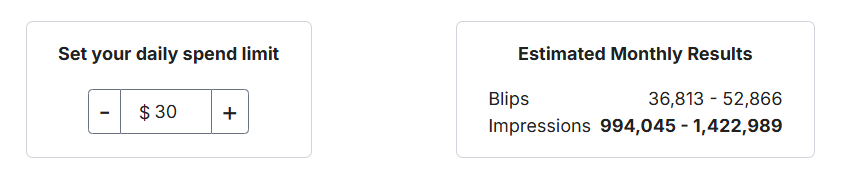
With Blip, you control exactly what you spend on Hampton billboards by setting a daily budget, and our system automatically keeps your campaign within that limit. Each ad play, or “blip,” is a brief 7.5–10 second display, and you only pay for the blips you receive, based on when and where you choose to show your message and current advertiser demand. This pay-per-blip model means the total cost over time is simply the sum of all your individual blips, making it easy to scale up or down as needed.
Where can I advertise with Blip near Hampton, Virginia?
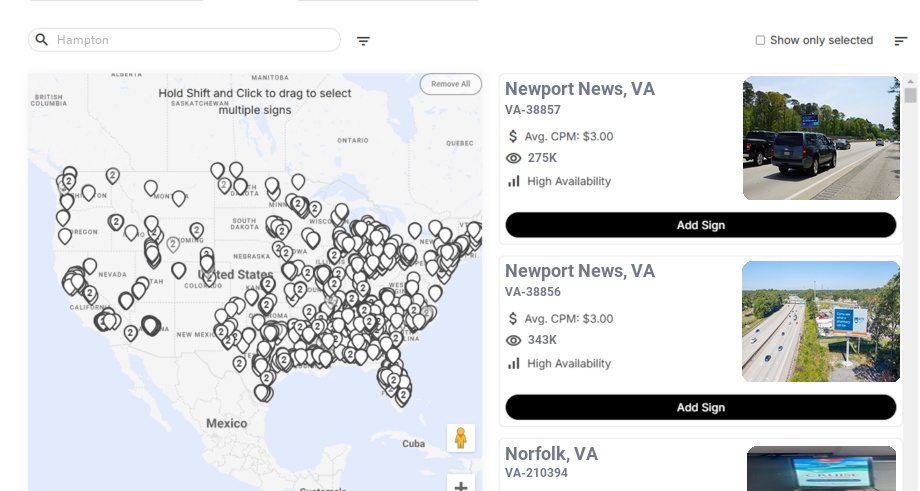
We have 3 digital billboards serving the Hampton area, located in nearby Newport News, about 6.7 miles from Hampton. These units tap into some of the busiest corridors for Hampton-area travel and function as high-impact billboards near Hampton without requiring separate leases inside Hampton city limits. I-64 and key arterials through Newport News connect directly to Hampton, the Hampton Roads Bridge–Tunnel, and the Peninsula’s major employers.
What kind of audience do Hampton, Virginia billboards with Blip reach?
Hampton sits at the center of the Hampton Roads region’s military, maritime, and tourism economy, making it a powerful market for digital billboard campaigns. Hampton’s median age is in the mid-30s, and more than 60% of residents are between 18 and 64, creating a strong base of adults in their prime working and child-rearing years. Military and government are major anchors, and tourism and events are critical.
When is the best time to run billboards near Hampton, Virginia with Blip?
Blip’s flexible scheduling lets us align campaigns with the Hampton area’s real-world traffic rhythms. The morning commute runs from 6:00–9:00 a.m., while afternoon and early evening traffic is strongest from 3:00–7:00 p.m. Weekends also see strong flows to shopping centers, waterfront entertainment areas, and sports complexes across the Peninsula.
Why use Blip billboard advertising near Hampton, Virginia instead of downtown-core pricing?
Because commuter, military, and visitor flows cross city boundaries constantly, digital billboards in Newport News are extremely effective for reaching people who live, work, or play in the Hampton area. This proximity makes billboards near Hampton an efficient way to extend your reach across the entire Peninsula without paying downtown-core pricing. In practice, this gives you the impact of Hampton billboards while leveraging the flexibility and pricing of digital inventory in Newport News.
Do I need a contract to advertise with Blip in Hampton?
No, Blip has no long-term contracts or minimum commitments. You can start, pause, or stop your campaign at any time.
How fast can I launch a billboard campaign with Blip in Hampton?
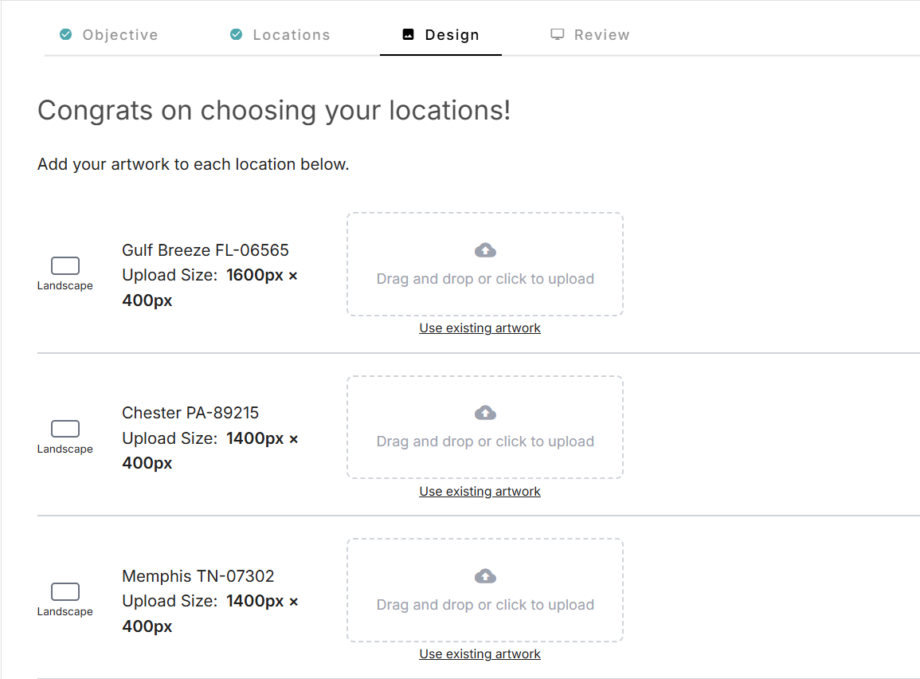
You can have your campaign live in minutes. Create a free account, select your locations, set your budget, upload your design, and start running once approved.
Where can I advertise with Blip in Hampton?
Blip has digital billboards in Hampton. You can browse available locations on a map, choose the ones that fit your audience, and start advertising right away.
Still have questions? Launch a campaign in minutes — no contracts, no commitments.
Start Your CampaignHampton Billboard Advertising Guide
Hampton sits at the center of the Hampton Roads region’s military, maritime, and tourism economy, making it a powerful market for digital billboard campaigns. With Blip, we can reach drivers and visitors in the Hampton area through nearby digital billboards in Newport News, only about 6–7 miles away, and tune campaigns to the city’s unique traffic patterns, demographics, and seasonal rhythms. This proximity makes billboards near Hampton an efficient way to extend your reach across the entire Peninsula without paying downtown‑core pricing.
Understanding the Hampton Area Market
Hampton is a mid‑sized, high‑traffic city embedded in a dense regional economy:
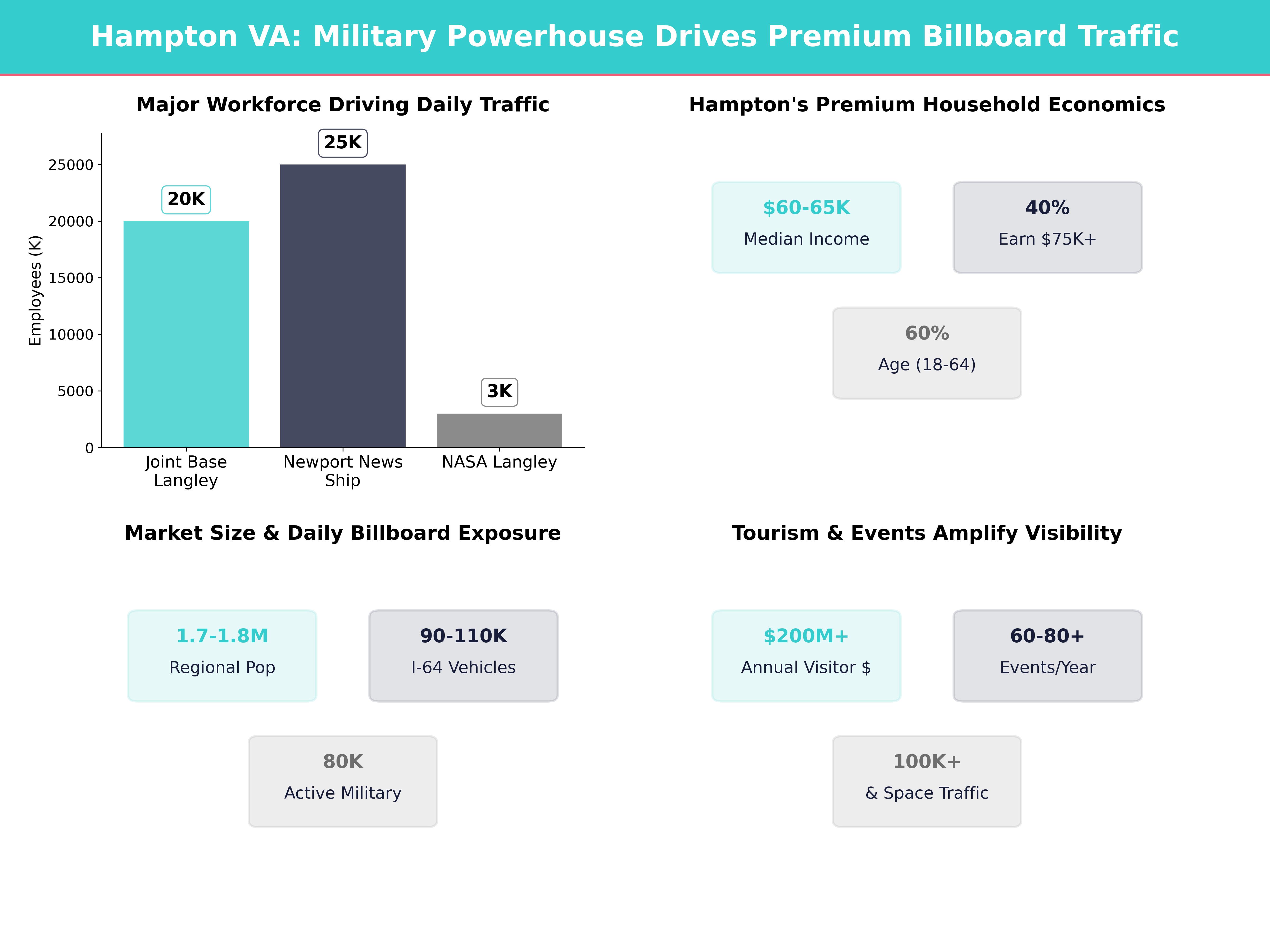
- The City of Hampton reports a population of roughly 137,000 residents, while the broader Hampton Roads region, which includes Hampton, Newport News, Norfolk, Chesapeake, and Virginia Beach, totals around 1.7–1.8 million people across its cities and counties.
- Hampton’s median age is in the mid‑30s, and more than 60% of residents are between 18 and 64, creating a strong base of adults in their prime working and child‑rearing years. Roughly 30–35% of households include children under 18, supporting robust demand for retail, healthcare, auto, education, and family entertainment.
- Median household income in Hampton is in the $60,000–$65,000 range, with nearly 40% of households earning $75,000 or more. That mix of middle‑income and upwardly mobile households is ideal for value‑driven and aspirational brands alike.
- Military and government are major anchors. Joint Base Langley‑Eustis supports roughly 20,000+ active‑duty military, civilian employees, and contractors, NASA Langley Research Center employs about 3,000 civil servants and on‑site contractors, and Hampton University supports hundreds of faculty and staff. Together they generate tens of thousands of daily trips into and through the Hampton area.
- Tourism and events are critical. According to Visit Hampton, Hampton welcomes hundreds of thousands of visitors each year, contributing well over $200 million annually in visitor spending and supporting 2,000+ tourism‑related jobs. Attractions like the Virginia Air & Space Science Center, Hampton Coliseum, Boo Williams Sportsplex, and the city’s waterfront, museums, and marinas are major draws.
Because commuter, military, and visitor flows cross city boundaries constantly—Hampton, Newport News, Norfolk, and Virginia Beach are all tied together by I‑64, I‑664, and the Hampton Roads Bridge–Tunnel—digital billboards in Newport News are extremely effective for reaching people who live, work, or play in the Hampton area. For advertisers, this means you can treat Hampton billboards and Newport News units as a single connected network when planning coverage.
Where Our Billboards Reach Drivers Near Hampton
We have 3 digital billboards serving the Hampton area, located in nearby Newport News, about 6.7 miles from Hampton. These units tap into some of the busiest corridors for Hampton‑area travel and function as high‑impact billboards near Hampton without requiring separate leases inside Hampton city limits:
- I‑64 and key arterials through Newport News connect directly to Hampton, the Hampton Roads Bridge–Tunnel, and the Peninsula’s major employers. According to the Virginia Department of Transportation – Hampton Roads District, average daily traffic on I‑64 in the Hampton/Newport News segment often exceeds 90,000–110,000 vehicles per day, with some stretches peaking higher in summer.
- Major surface routes like Jefferson Avenue and Warwick Boulevard typically carry 35,000–60,000 vehicles per day. That means even modest Blip budgets can translate into tens of thousands to low hundreds of thousands of weekly impressions when scheduled efficiently.
- Many Hampton residents commute west into Newport News Shipbuilding, hospitals, and logistics centers, while Newport News residents commute east toward Langley, NASA, Hampton University, and waterfront employers. Newport News Shipbuilding alone employs roughly 25,000 people, many of whom travel the I‑64, Jefferson Avenue, and Mercury Boulevard corridors daily. Billboards near these flows repeatedly reach the same high‑value audiences.
By placing creative on these nearby boards, we expose brands to both Hampton locals and regional travelers who regularly shop, dine, and attend events in the Hampton area. In practice, this gives you the impact of Hampton billboards while leveraging the flexibility and pricing of digital inventory in Newport News.
Who You’re Reaching: Key Audience Segments
When planning creative and scheduling, it helps to think in terms of Hampton‑area audience groups:
-
Military Personnel & Families
- The Hampton Roads region is one of the largest military concentrations in the world, with more than 80,000 active‑duty personnel and tens of thousands of dependents and retirees. A significant share is connected to Joint Base Langley‑Eustis, accessible via I‑64 and major arterials.
- Military households skew younger: nationally, the majority of active‑duty service members are under 35, and the Hampton area mirrors that profile. These families frequently relocate (often every 3–4 years), creating a steady flow of newcomers seeking housing, auto, childcare, gyms, medical, financial services, and schools.
- Messaging emphasizing reliability, family‑friendly offers, and military discounts (10–20% off, waived fees, or “first month free”) resonates strongly and can differentiate you in a competitive service market.
-
Students & Academic Staff
- Hampton University enrolls about 3,000–4,000 students and employs several hundred faculty and staff members.
- Virginia Peninsula Community College, with campuses in Hampton and Newport News, serves roughly 10,000+ students annually, including traditional, military‑affiliated, and adult learners.
- Within a 20–25 minute drive of Hampton, additional institutions such as Christopher Newport University in nearby Newport News and other regional colleges add thousands more students to the daily traffic mix.
- These audiences respond well to bold, mobile‑friendly creative: events, concerts, food, nightlife, student discounts (e.g., “Show your ID for 15% off”), and on‑demand services like delivery, rideshare, and tutoring.
-
Shipyard, Port, and Industrial Workforce
- Newport News Shipbuilding, the Port of Virginia tens of thousands of workers. The Port of Virginia processes 3+ million TEUs (twenty‑foot equivalent units) of cargo annually, driving supporting jobs in trucking, warehousing, and distribution.
- Shift‑based work drives heavy early‑morning and late‑afternoon traffic patterns, with major shift changes commonly around 6–7 a.m., 2–3 p.m., and 10–11 p.m. This is ideal for time‑targeted digital billboard campaigns focused on quick‑serve restaurants, gas stations, auto repair, and personal services.
- Industrial and skilled‑trade workers often have stable, long‑term employment, supporting higher‑ticket purchases like vehicles, home improvements, and financial products.
-
Tourists & Event Visitors
- Hampton is a coastal gateway city. Visit Hampton notes that visitor volumes swell from late spring through early fall, with regional tourism contributing billions of dollars annually across Hampton Roads.
- The Hampton Coliseum hosts 60–80+ ticketed events per year, including concerts, expos, graduations, and family shows, many drawing 5,000–10,000+ attendees per event.
- The Boo Williams Sportsplex routinely hosts youth basketball, volleyball, and track tournaments that bring in hundreds to thousands of athletes and families over multi‑day weekends, driving hotel nights and restaurant visits.
- The Virginia Air & Space Science Center attracts 100,000+ visitors annually, including school groups and regional tourists.
- This is prime real estate for hotels, attractions, restaurants, retail, and seasonal promotions targeting out‑of‑town spenders, who typically spend 30–50% more per day than local residents on food, entertainment, and lodging.
By tailoring your creative and scheduling to these segments, you can use our Newport News boards to saturate the Hampton‑area audience that matters most to you, effectively turning digital inventory into targeted billboard advertising near Hampton.
Timing Your Campaign Around Hampton Traffic Patterns
Blip’s flexible scheduling lets us align campaigns with the Hampton area’s real‑world traffic rhythms. Consider the following patterns when setting dayparts and budgets:
Weekday Commuter Waves
Local traffic data and coverage from outlets like WAVY 10 and the Daily Press show distinct weekday peaks:
-
Morning commute: 6:00–9:00 a.m.
- Heavy flows between Hampton and Newport News shipyards, bases, and office parks along I‑64, Mercury Boulevard, Jefferson Avenue, and Warwick Boulevard.
- In many segments, volumes reach 4,000–5,000 vehicles per hour at peak.
- Great for coffee shops, breakfast concepts, gas stations, healthcare reminders, and top‑of‑funnel brand awareness.
-
Afternoon and early evening: 3:00–7:00 p.m.
- Mix of traditional 9–5 commuters and shift workers, plus parents headed to after‑school sports or errands.
- Ideal for grocery, dining, family activities, auto services, and “tonight only” offers like happy hours, event tickets, or same‑day sales.
With Blip, we can bid more aggressively during these peak hours and scale back on quieter periods, making the most of each dollar spent and improving the efficiency of billboard advertising near Hampton.
Military & Industrial Shift Changes
- Many military and shipyard personnel work non‑standard hours, including early morning (5:00–7:00 a.m.) and late‑night (9:00–11:00 p.m.) rotations. Some facilities operate 24/7, meaning there is meaningful traffic even outside conventional rush hours.
- If you serve this audience—such as 24‑hour gyms, urgent care, quick‑serve restaurants, or convenience retailers—consider adding off‑peak dayparts where ad inventory can be more cost‑efficient but still heavily trafficked by your targets.
- Because off‑peak inventory is typically less expensive, it can be possible to generate 20–40% more impressions per dollar in these windows compared with prime commute hours.
Weekend Retail & Leisure
- Weekends see strong flows to shopping centers like Peninsula Town Center, big‑box retail corridors, waterfront entertainment areas, and sports complexes across the Peninsula.
-
Late morning through evening (10:00 a.m.–8:00 p.m.) on Saturdays and Sundays is ideal for:
- Retail promotions and sales
- Family attractions and entertainment
- Restaurants, breweries, and nightlife destinations
- Regional tourism and event calendars mean some weekends (holiday periods, large tournaments, big concerts) can see 10–20% higher traffic volumes than typical weekends, especially in spring and summer.
Because weekend patterns vary by season, Blip’s week‑by‑week controls let you ramp up during key sales periods and pull back during slower times, fine‑tuning when and how often your Hampton billboards appear to different audiences.
Seasonal Opportunities in the Hampton Area
Hampton’s coastal climate and tourism calendar create distinct seasonal windows that advertisers can leverage:
Spring (March–May)
- Average high temperatures climb from the 50s into the low 70s, encouraging outdoor activity and early season travel.
- Spring break periods and college events boost student and visitor traffic. Many schools and universities in the region schedule breaks and graduations that draw thousands of visiting family members.
- Local events promoted by Visit Hampton and the Hampton Convention & Visitor Bureau drive festival and waterfront attendance.
-
Good timing for:
- Home improvement and landscaping (spring is often when contractors see inquiry volumes spike 20–30%)
- Outdoor recreation and marine services
- Spring sales and tax‑refund promotions, especially from late March through mid‑April
Summer (June–August)
- Peak tourism season for beaches, waterfronts, and events across Hampton Roads. Hotel occupancy in coastal Virginia frequently rises into the 70–80% range on summer weekends.
- Youth sports tournaments at venues like Boo Williams Sportsplex and concerts at Hampton Coliseum increase hotel and restaurant demand, often filling hundreds of room nights per event.
- Traffic on I‑64 toward the Hampton Roads Bridge–Tunnel can spike significantly on Friday and Sunday afternoons as visitors arrive and depart, creating long dwell times and repeated exposures.
- Use bold, high‑energy creative with clear calls to action (e.g., “Exit now,” “5 minutes ahead”) to capture spontaneous spending on food, attractions, and last‑minute lodging.
Fall (September–November)
- Back‑to‑school and college football weekends bring mixed local and visitor traffic. Universities and high schools across the region host games and homecoming events drawing thousands of spectators.
- Military families settle in after PCS (Permanent Change of Station) moves, shopping for services, furniture, and activities. Many bases experience a concentration of moves in late summer and early fall.
- Healthcare utilization tends to rise heading into flu season, and many insurers promote open enrollment in late fall.
-
Strong window for:
- Education and training programs as adults look to skill up for the new year
- Healthcare and dental, including back‑to‑school checkups and flu‑shot campaigns
- Financial services and insurance
- Early holiday promotions starting in November
Winter (December–February)
- Holiday shopping and New Year promotions dominate December. Nationally, retailers can do 20–30% of annual sales in the November–December window, and Hampton‑area malls and shopping districts mirror that pattern.
- December also brings holiday events, parades, and concerts at Hampton Coliseum and downtown venues, pushing evening and weekend traffic higher around key dates.
- January and February are prime for gyms, healthcare, tax services, and “new year, new you” messaging. Tax refund anticipation products and early‑season filing services see heavy interest starting in late January.
- Blip’s flexibility allows campaigns to spike heavily during the December rush, taper in early January, then re‑focus budgets around tax season (February–April) when financial and retail spending patterns shift again.
Crafting Artwork That Works for Hampton‑Area Drivers
High‑performing digital billboard creative in the Hampton area shares a few common traits:
-
Large, Simple Headlines
- Aim for 7 words or fewer so drivers on I‑64 and major arterials can read your message at a glance. At 55–65 mph, drivers typically have 6–8 seconds of clear view time; concise text significantly improves recall.
- Example: “Military Discount on Auto Insurance – Exit 3” will outperform a dense, multi‑line explanation.
-
High Contrast, Coastal‑Friendly Color Palettes
- Bright daylight, reflections off the water, and variable weather conditions mean low‑contrast designs can wash out. Cloud cover from coastal systems is common, but glare is also frequent on clear days.
- Use high contrast: dark text on a light background or vice versa, with bold accent colors (navy, gold, red) that echo local school and military palettes (Hampton University, local high schools, and base insignias).
- Avoid thin fonts and intricate patterns; thicker strokes can improve legibility by 20–30% at highway speeds.
-
Location‑Driven Calls to Action
-
People traveling near Hampton and Newport News respond well to:
- “Next 2 Exits”
- “5 Minutes Ahead in the Hampton Area”
- “Near Hampton Coliseum”
- Mentioning well‑known anchors (Coliseum, shipyard, bases, mall areas, waterfront districts) helps drivers immediately place your business and increases the odds of an immediate turnoff or saved search. This is especially important when you’re using billboard advertising near Hampton to direct visitors who may not know the local street grid.
-
People traveling near Hampton and Newport News respond well to:
-
Military & Local Culture Cues
- Without over‑crowding the design, subtle nods to military life, the waterfront, shipbuilding, fishing, or local landmarks can increase relevance and trust.
- Pair these cues with clear, transactional offers: “10% Off for Military & First Responders” or “Locally Owned Since 1985 in the Hampton Area.” Including a strong offer has been shown in many markets to lift response rates by 15–30% versus pure branding alone.
-
Multiple Creative Variations
-
With Blip, we can easily upload several creatives and rotate them:
- One targeting military/mornings
- One for families/afternoons
- One for visitors/weekends
- Rotated creatives keep repeat commuters from tuning out and let us test which message drives more engagement (measured via website visits, calls, or promo code use). Advertisers who actively A/B test creative can often improve cost‑per‑response by 20–40% over a few months.
-
With Blip, we can easily upload several creatives and rotate them:
Using Local Data & News Cycles to Your Advantage
The Hampton area’s media ecosystem offers context we can piggyback on:
- Local news outlets like the Daily Press, WAVY 10, and WTKR regularly cover traffic, military news, weather events, and community happenings.
- Government and infrastructure sources such as VDOT’s Hampton Roads District and the Hampton Roads Bridge–Tunnel Expansion Project provide updates on lane closures, construction phases, and long‑term traffic changes that can alter commute times and routes.
- Major stories—like base‑related developments, tunnel and bridge work, or severe weather—often change commuting patterns and consumer behavior.
We can respond by:
- Temporarily shifting budgets away from dayparts or days when severe storms keep people home, especially during coastal storm and hurricane alerts.
- Increasing evening and weekend visibility ahead of high‑profile events promoted by outlets like Visit Hampton, such as festivals, concerts, or holiday celebrations that may draw 5,000–20,000+ attendees across a weekend.
- Aligning messaging with the broader conversation—for example, reminding residents of storm‑prep products and services before hurricane season peaks (August–October), or highlighting tax services as local media discuss filing deadlines.
Strategic Campaign Structures That Work Near Hampton
Here are a few tested approaches we recommend for advertisers targeting the Hampton area via nearby Newport News boards:
Always‑On Brand Presence
- Objective: Keep your brand top‑of‑mind for Hampton‑area residents year‑round.
-
Tactics:
- Set a modest daily budget with Blip and distribute impressions across morning and evening commutes, when 60–70% of weekday traffic occurs.
- Use simple, evergreen creative focused on your core value (e.g., “Trusted Family Dentist Serving the Hampton Area”).
- Layer in short, higher‑spend “bursts” for special events or promotions—such as back‑to‑school, open enrollment, or holiday sales—where you temporarily increase impressions by 2–3x.
This structure works well for businesses seeking ongoing billboard rental near Hampton without committing to a single, fixed‑price board for an entire year.
Event‑Driven Bursts
- Objective: Maximize visibility around specific events or seasons.
-
Tactics:
- Run concentrated campaigns 1–2 weeks before major Hampton events at Hampton Coliseum, Virginia Air & Space Science Center, waterfront festivals, or Boo Williams Sportsplex, when search and social interest often spike 30–50%.
- Increase bids during late afternoon and evening when attendees are driving to events.
- Feature time‑sensitive messaging: “Show This Ad for 15% Off Tonight Only,” “Pre‑Game Specials Before the Concert,” or “Tournament Discount – This Weekend Only.”
Geo‑Bridge Strategy (Hampton–Newport News Flow)
- Objective: Capture both Hampton‑ and Newport News‑based audiences who travel between the cities.
-
Tactics:
- Emphasize your proximity to both markets: “Minutes from Hampton & Newport News” or “Right Off I‑64 Between Hampton and Newport News.”
- Run heavier during weekday commutes when cross‑city travel peaks; in many corridors, more than half of daily trips are work‑related.
- Use creatives that speak to commuters: auto, food, healthcare, and essential services that fit into “on the way” decision‑making.
Using this kind of geo‑bridge plan, our digital billboards near Hampton effectively function as a shared platform for businesses on both sides of the river.
Test‑and‑Scale Approach
- Objective: Optimize creative and timing using real‑world response.
-
Tactics:
- Start with 2–3 creatives and a modest daily budget, then collect at least 2–4 weeks of data.
-
Track response through:
- URL parameters or unique landing pages
- Custom phone numbers
- In‑store “Mention the billboard” offers with distinct codes by creative or week
- After you hit a meaningful sample size (often 1,000+ clicks/calls or dozens of in‑store redemptions, depending on your business), shift budget toward the best‑performing creatives and time windows.
Local Businesses That Benefit Most
Many categories see particular advantages from digital billboards serving the Hampton area:
- Healthcare & Dental – Appeal to families, military households, and aging populations seeking convenient care. With tens of thousands of TRICARE‑eligible residents and a large civilian workforce, even small lifts in awareness can translate into hundreds of new patients per year for well‑positioned practices.
- Auto Sales & Services – High commuter traffic, shipyard and base employees with stable incomes, and frequent military relocations support robust auto spending. Regional auto dealers often rely on outbound corridors like I‑64 and Jefferson Avenue, where impressions can reach hundreds of thousands per month.
- Home Services – Roofing, HVAC, landscaping, and remodeling can capitalize on the region’s mix of older housing stock and coastal weather. Storms and seasonal temperature swings drive spikes in demand; targeted bursts around peak seasons can significantly increase call volume.
- Education & Training – Trade schools, community colleges, and certification programs tap into the large military and industrial workforce seeking credential upgrades. Even a small conversion rate from the tens of thousands of daily commuters can sustain strong enrollment pipelines.
- Hospitality & Attractions – Hotels, museums, tours, and waterfront activities benefit from steady seasonal tourism and repeat regional visitors. A share of the hundreds of thousands of annual visitors to Hampton can be redirected to your property with clear directional and value‑driven messaging.
- Restaurants & Retail – Quick‑serve, casual dining, and local retailers can drive measurable traffic with timely offers such as “Kids Eat Free Tonight,” “Happy Hour 4–7 p.m.,” or “Weekend Doorbusters,” especially when aligned with paydays or big local events.
For these sectors, flexible billboard rental near Hampton via Blip can be more cost‑effective than traditional, long‑term static boards while still delivering consistent visibility.
Putting It All Together
To succeed with digital billboard advertising near the Hampton area using Blip, we recommend:
- Define your core Hampton‑area audience (military families, commuters, visitors, students, or a mix), using local insights from sources like the City of Hampton and Newport News.
- Choose dayparts that match their travel patterns—commutes, shift changes, event times, or weekend leisure—based on observed traffic and local news/VDOT updates.
- Align with the season, from summer tourism and festivals to winter holidays and tax season, scheduling bursts when consumer spending is highest for your category.
- Design clear, high‑contrast, locally tuned creative that’s legible in under two seconds and references familiar anchors like Hampton Coliseum, the shipyard, bases, or key exits.
- Test, measure, and refine—using Blip’s flexibility to adjust budgets, creatives, and schedules without long‑term contracts, and shifting spend toward the messages and times that deliver the best response.
By leveraging our three digital billboards in nearby Newport News, advertisers can build efficient, high‑impact campaigns that consistently reach the people who live, work, and spend in the Hampton area—all with the control and agility that set Blip apart, and with the same market coverage you’d expect from premium Hampton billboards.