Small businesses create concrete reasons for people to engage before anyone knows who they are.
There’s an important lesson about brand building that often seems counterintuitive: the brands that succeed from zero recognition create experiences, access, or education that give people reasons to care long before those people become customers.
Sam Sterling, the Head of Marketing at the U.S. SailGP Team knows how important this is. She’s building a fan base for professional sailing against competitors with 20-person marketing teams and decades of established presence.
She’s taking on this challenge – explaining a sport most Americans don’t know exists while competing for attention in a market dominated by established leagues – as a marketing team of one. And she knows that a key part of building this brand is giving before she gets.
Key Takeaways:
- Unknown brands must create value before asking for loyalty. Design experiences, access, and education that give people concrete reasons to engage, then use that engagement to build community through authentic moments that produce stories worth sharing.
- Small teams build stronger communities. Being tight on resources forces prioritization of memorable interactions over mass reach. One authentic experience that inspires deep loyalty outperforms expensive campaigns that generate passive awareness.
- Measure brand building through compounding returns, not immediate sales. Track content generated from experiences, talent who wants to work for you, and partners who want to collaborate. Community produces returns across multiple channels over time.
Chasing the “Better Product”
It’s easy to assume that what you’re offering, whether it’s premium service, unbeatable quality, or unforgettable experiences, can create fans on its own. But even spectacular products need people to know they exist first.
And a lot of businesses get caught up in perfecting features while ignoring the human need to connect. You refine specifications, streamline processes, and polish presentations. Meanwhile, your potential customers scroll past because there’s no reason to care yet.
It’s a vicious cycle.
Small businesses see lackluster results → they conclude they need better products → they invest in improving the quality of their product or service, while their competitors build community and loyalty → these small businesses remain in the shadows.
Known by few and easily replaced by larger competitors with name recognition.
What to “Give” to Start Building a Customer Base
Sam treats every interaction as content and every experience as a story. When she talks about the U.S. SailGP Team’s approach, she describes building a media company disguised as a sports team.
“Everything is content. Everything is storytelling,” Sam says. “People are craving connection.” Live sports is one of the last frontiers that can’t be replaced by AI.
Most businesses create content to sell products. Sam creates content to build relationships. The races matter, but the relationships matter more. Fans don’t just watch racing, they join a community built around shared values and experiences.
When considering marketing initiatives, small businesses who are building awareness and brand loyalty should always ask: will this give people something to care about?
Sam’s answer to that comes in three forms:
Experiences That Create Stories
A single giveaway sent a U.S. SailGP fan to Saint-Tropez, where he got VIP access, met athletes, and experienced professional racing on the water up close.
That immediate value to the customer generates multiple returns for the business: social content from an enthusiastic winner, testimonials that convert future customers, and proof that the brand delivers on promises.
The Saint-Tropez winner didn’t just attend a race. He stayed at the team hotel, participated in team meetings, and returned home with stories his friends wanted to hear.
While these experiences do cost both time and money, those investments convert into trust and loyalty from the fans.
Education That Helps People Succeed Beyond Your Product
If you’re building a small business, you want your consumers to know more than just your name. They should know about your company history, your mission. You want them to feel like they’re in on it, especially if you have a complicated product.
For the U.S. SailGP Team, Sam breaks down technical racing data, shares behind-the-scenes moments, and explains decisions in real time. This transforms casual viewers into educated fans who understand what they’re watching and why it matters.
Partnerships That Build Relationships & Community
The U.S. SailGP Team focuses on fan engagement with youth sailing communities, including college, high school, and younger sailors, not because those kids will immediately become customers, but because they’re building a strong network of future audiences. They create content that helps young sailors understand advanced tactics, improve their own racing, and see what the sport looks like at the highest level.
Sam’s solution is to prioritize authentic moments over polished campaigns. “Resource allocation and prioritizing authentic moments builds community and sometimes doesn’t have immediate ROI,” she acknowledges. But those moments create memories that a manufactured campaign can’t ever replicate.
“We have to exchange some sort of value in order to build fandom,” Sam explains. Nobody owes your business attention. You earn it by giving first.
But for small teams with limited staff, how do you compete when you can’t outspend competitors?
Why Platforms Favor Unknown Brands
Sam operates with platforms where algorithms favor discovery and engagement over loyalty. Social platforms constantly push new and engaging content to audiences in an effort to garner more time on their platforms.
Platforms that prioritize fresh voices present a critical opportunity for unknown brands to take the stage.
To capitalize on this, Sam designs content that is both accessible and attention-grabbing. “SailGP is built as a spectator sport first. We only race in destinations where the course can be positioned directly off the shoreline, creating a front row experience for fans.”
Bring the experience to people rather than expecting people to seek the experience. Lower every barrier between curiosity and engagement.
When Sam’s agency films race data breakdowns with athletes, they capture multiple versions: elementary explanations for complete newcomers discovering them through algorithms, plus detailed analysis for engaged fans who understand technical concepts. Same production session, different complexity levels, broader reach.
Customers seek authentic relationships with brands that see them as people, not transactions. Sam describes community building as her core marketing function because community turns attention into loyalty.
Rules for Building from Nothing
Invest in returns that build on themselves over quick revenue. Every community initiative should generate multiple returns beyond immediate sales. The U.S. SailGP Team’s giveaway spent money on travel but generated content, testimonials, social sharing, and culture building. Calculate return across all outcomes, not just what people buy right away.
Conviction beats budget. “We all fiercely believe in what we’re doing,” Sam says. Small teams with shared purpose can outperform large teams with divided priorities. Hire for people who believe in what you’re building. Passion can take you really far.
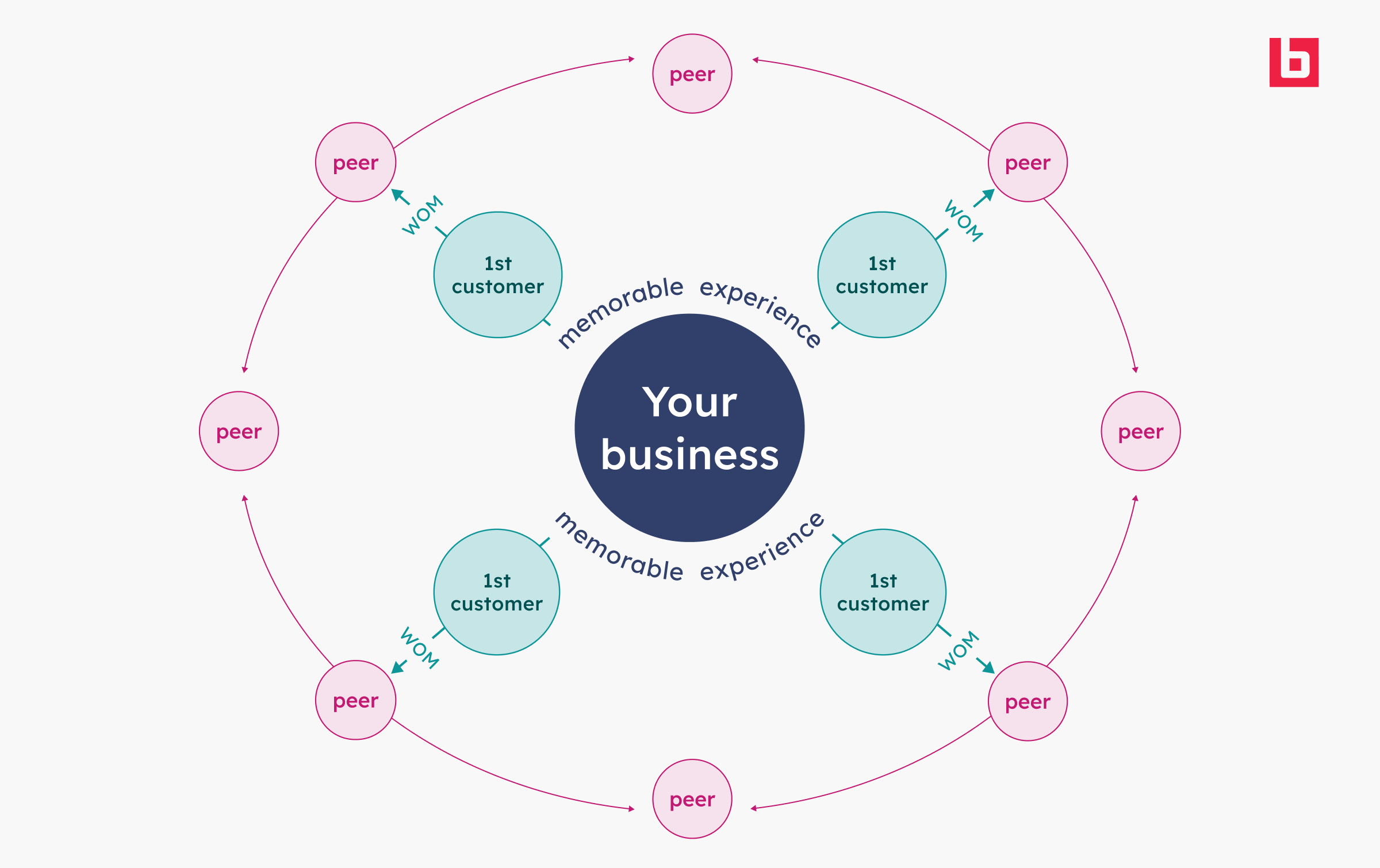
Build for believers, not everyone. “We’re building something that feels bigger than ourselves,” Sam explains. Define your mission clearly enough that customers recruit other customers. You can’t convince everyone, so focus on converting believers who share your values and will spread your message.
Simplify the complex. If what you sell is complex, find simple ways to describe it that make it instantly understandable. Sam’s athletes describe racing as “standing on the roof of a car at highway speed while it’s going through a car wash.” That image itself doesn’t sell tickets, but it creates a mental picture that makes people curious enough to watch. When potential fans can visualize the intensity without needing to understand “tacks,” “jibes,” or “foiling physics,” they’re more likely to tune in.
Frequently Asked Questions
How do small businesses compete against established brands with bigger budgets?
Focus on authentic moments over polished campaigns. Large competitors try to reach everyone; small businesses can be memorable instead. Create experiences that generate stories customers want to share; that word-of-mouth costs nothing but creates lasting impact that advertising budgets can’t match.
What value exchanges work best for resource-constrained companies?
Start with access and education before investing in expensive experiences. Share behind-the-scenes content, explain your process, teach skills related to your industry. These exchanges cost time rather than money but build trust that converts curiosity into loyalty.
How do you measure success when building community doesn’t show immediate ROI?
Track metrics that grow over time: content generated from experiences, testimonials that convert future customers, employees who become voluntary advocates for your brand, and customers who recruit other customers. Community building produces returns across multiple channels over extended periods rather than immediate, direct sales.