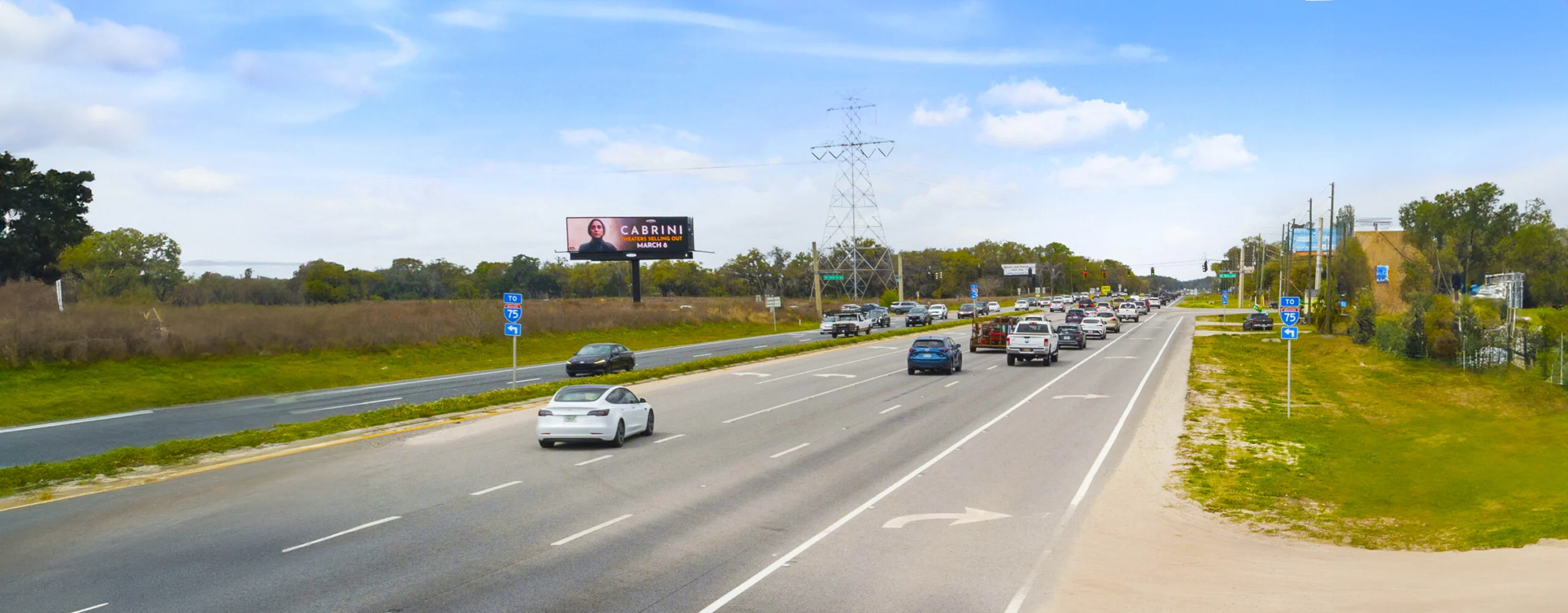
Most small business owners start with the same instinct when choosing a billboard location:Pick the biggest board, on the busiest road, in the spot that looks the most impressive.
That can work.
But the best billboard location is not always the biggest, busiest, or closest to your business. The best location is the one your customers are most likely to pass at the right moment.
Michael Lieberman has spent years studying which billboard placements help businesses reach the right people. His approach is simple: start with your customer, then choose the board.
No complicated media plan required. Just four questions to help you choose better locations, reach the right customers, and create more opportunities for sales.
Key Takeaways
- Choose a billboard based on where your customers actually go, not just where the board looks good.
- Think about how long it takes someone to choose your business before deciding where and when to advertise.
- A billboard right outside your business may seem like the obvious choice, but it may not be the best one.
- Decide what you want to track before your campaign starts, so you know what changed after it runs.
Start With the Customer, Not the Board
Billboards are exciting. Seeing your business in the real world is a big moment.That is why it is easy to focus on the board first. The size. The road. The traffic. The photo you can show your team.
But a billboard’s job is not just to look impressive.Its job is to reach the right people often enough that they remember you when they are ready to act.
A busy board can still be the wrong fit if the people passing it are not your customers. A board close to your business can still miss the mark if people only see it after they have already made a decision.
Before you choose a location, answer one question: When does my customer need to see me before they decide?
That answer will help you choose a board that supports your actual goal.
The Four-Step Billboard Placement Method
1. Know how long it takes someone to choose you
Before you pick a board, ask yourself: Does my customer decide in minutes, days, weeks, or months?
That answer shapes where you advertise, when your ads run, and how long your campaign should stay active.
Some decisions take time. A homeowner choosing a contractor may compare options for weeks. A parent looking for a dentist may ask around, check reviews, and think it over before booking.
For these businesses, one billboard view probably will not drive an immediate sale. The goal is to build recognition over time, so your name feels familiar when the customer is ready.
Other decisions happen quickly. A restaurant, coffee shop, car wash, or bakery may need to reach someone right before they make a same-day choice.
The point is simple: your billboard should match how your customers actually buy.
2. Find where your customer is before they buy
A lot of first-time billboard buyers choose a board near their own location. It feels logical. Your business is there. Your customers may be nearby. The board is easy to recognize.
But that location may be reaching people too late.
If someone sees your billboard while they are already pulling into your parking lot, it is hard to know whether the ad influenced them or whether they were already on their way.
The stronger opportunity is usually earlier in the journey.
Think about the roads your customers travel before they are ready to buy.
A coffee shop may want boards along morning commute routes. A dental office may want visibility near neighborhoods, schools, or everyday errand routes. A fitness studio may want to show up near offices, grocery stores, or apartment-heavy areas.
In each case, the billboard reaches people before the decision is made.
3. Match the location to the right moment
A good location works even harder when the timing makes sense. Think about when your customer is most likely to be in the right mindset.
A breakfast cafe probably cares most about morning traffic. Someone seeing that ad at 8 a.m. may already be thinking about coffee, food, and the start of their day. The same ad at 8 p.m. does not carry the same urgency.
A law firm, contractor, or financial advisor may not need to reach someone at the exact moment of need. Those businesses may benefit from steady visibility over time, so their name comes to mind later.
Spend a few minutes thinking through your customer’s normal week.
Where are they driving? What are they doing? What are they likely thinking about when they pass that board?
The better your location and timing match your customer’s routine, the more effective your board will be
4. Decide what you will track before your campaign starts
Many businesses launch a billboard campaign, then try to figure out if it worked later.That makes results harder to understand.
Before your campaign starts, choose two or three simple things to track. For most local businesses, this can be straightforward.
As Michael puts it, the plan can be as simple as: did the phone ring, did the website get more visits, or did more people walk in?
Start by writing down your normal numbers.
How many calls do you usually get in a week? How much website traffic do you normally see? How many walk-ins, bookings, form fills, or quote requests are typical?
Then track those same numbers while your billboard is live.
Just make sure you give the campaign enough time. If customers usually take months to decide, do not judge the campaign after two weeks. If your business drives quick decisions, you may see movement sooner.
Generally billboards build over weeks not days and people see the best results after at least running for 90 days.
A simple plan gives you a clearer way to understand what changed and what to adjust next.
What Happens When You Get Placement Right
Local businesses have a real advantage with billboard advertising.
You know the roads. You know the neighborhoods. You know when the phone rings, when the door swings open, and when more people start mentioning your ad.
You do not need a complicated system to learn from one billboard.
You need the right location, the right timing, and a clear idea of what success looks like before you start.
The right billboard location is not just a spot on a map.It is a connection point between your business and the customers you want to reach.
Choose the board that fits their route. Run it long enough for your message to stick. Then use what you learn to make the next campaign stronger.
Ready to Find the Right Billboard Location?
With Blip, you can choose from more than 3,500 digital billboards nationwide and build a campaign around the locations that make sense for your customers.
Start with the board, budget, and timing that work for you. No contracts. No minimums. Just a simpler way to get your business seen in the real world.
Frequently Asked Questions
How can I tell if customers take a short or long time to choose my business?
Put yourself in your customer’s shoes.
Would you make the decision quickly, or would you need time to compare options, ask around, and think it over?
Emergency services and convenience purchases usually have shorter decision windows. Think plumbers, quick-service restaurants, coffee shops, car washes, or urgent home services.
Specialty services, contractors, medical providers, fitness memberships, furniture stores, and financial services usually take longer.
The longer the decision takes, the more important repeated visibility becomes.
Is a billboard right outside my business a good idea?
It can be, but it depends on your goal. A board near your business can help people find you and reinforce your location. But it may also reach people who were already nearby or already planning to visit.
If your goal is to reach new customers earlier, boards along commute routes, neighborhood roads, or daily errand paths may be more useful.
What if I can only afford one billboard?
One well-chosen board is better than several weak placements.
If you are starting with one board, Blip Optimized can do the location selection for you. Based on your goal, budget, and selected area, it helps choose the board that gives your campaign the best chance to reach the right customers and get the most value from your spend.
From there, track what happens while your campaign runs.
Starting with one board can give you real insight before you expand.