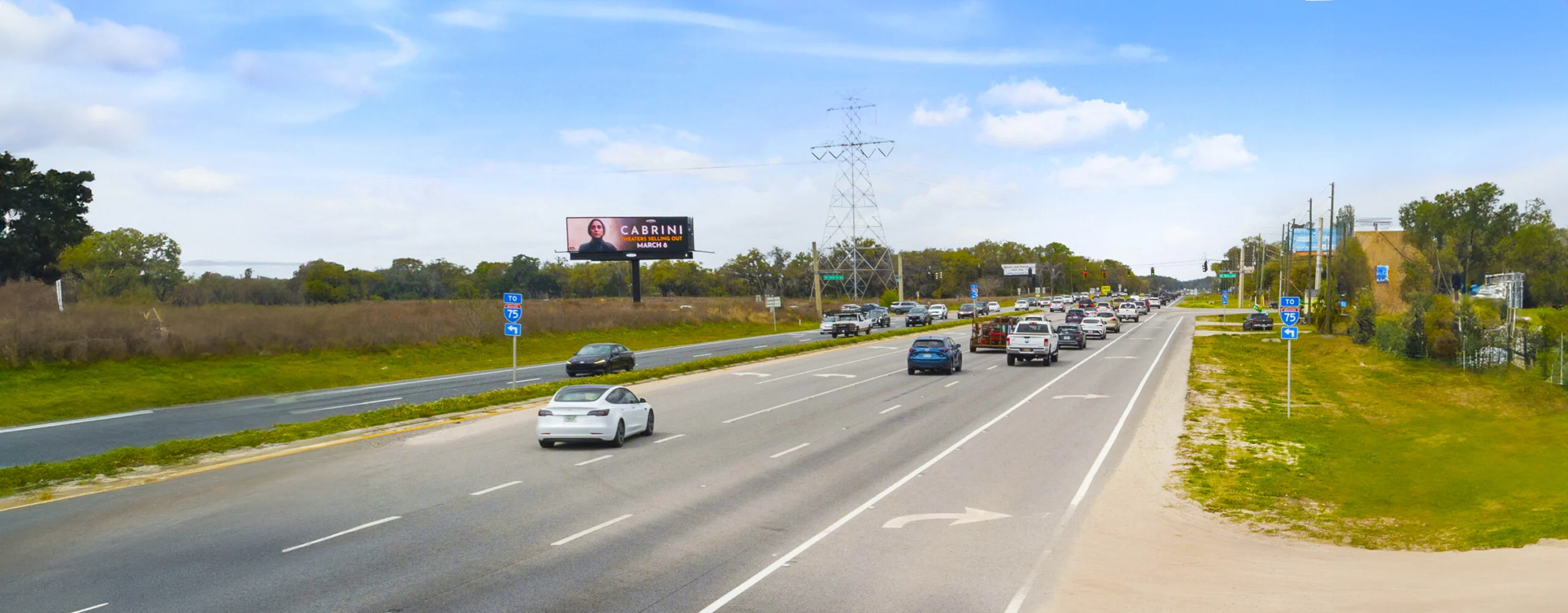
Quick Answer: Cannabis businesses in New Jersey cannot advertise on off-premises billboards, but there are compliant options. Digital campaigns and cannabis-adjacent services can use platforms like Blip Billboards when audience age requirements and regulations are followed.
New Jersey’s cannabis market has grown rapidly since recreational sales began in April 2022. With voters approving legalization by a decisive 67% margin, the Garden State now hosts a thriving industry projected to exceed $2.4 billion in value in 2026.
But for cannabis business owners looking to build brand awareness and attract customers, one question keeps coming up: Can you actually use billboards to advertise?
The short answer is complicated. New Jersey’s Cannabis Regulatory Commission (NJ CRC) has established specific rules that make traditional billboard advertising largely off-limits for plant-touching businesses. However, understanding these regulations opens up opportunities for creative and compliant outdoor advertising strategies.
Key Takeaways
- New Jersey prohibits cannabis businesses from using off-premises billboards but allows compliant digital and print advertising.
- All cannabis ads must meet the 71.6% adult audience requirement and include required warnings and a license disclosure.
- On-premises signage may only display the licensed business name with no product promotions or mascots.
- Digital OOH ads can work for cannabis-adjacent businesses that promote consulting, branding, or services.
- Platforms like Blip allow age-targeting, flexible budgeting, and location control to stay within legal boundaries.
- Violating cannabis advertising rules can lead to fines, license suspension, or federal scrutiny.
- Use Blip Billboards to find compliant outdoor advertising options for cannabis-adjacent businesses.
New Jersey Cannabis Advertising Regulations: What You Need to Know
Before launching any marketing campaign, cannabis businesses operating in New Jersey must understand the state’s regulatory framework. The NJ CRC oversees all advertising activities and enforces compliance through NJAC 17:30-17.1 and 17:30-17.2.
The 71.6% Audience Rule
Every cannabis advertisement in New Jersey must meet a critical threshold. Businesses can only advertise where at least 71.6% of the audience is reasonably expected to be 21 years of age or older. This requirement applies across all advertising channels and demands documented evidence of audience demographics.
Advertisers must maintain records proving compliance and provide these records to the Commission upon request.
Required Warnings and Disclosures
All cannabis advertisements must include the following mandatory warning:
“This product contains cannabis. For use only by adults 21 years of age or older. Keep out of the reach of children. There may be health risks associated with the consumption of this product, including for women who are pregnant, breastfeeding, or planning on becoming pregnant. Do not drive a motor vehicle or operate heavy machinery while using this product.”
Every advertisement must also disclose that the business is licensed by the State of New Jersey. These requirements apply regardless of the advertising medium you choose.
Billboard Restrictions for Cannabis Businesses in New Jersey
The NJ CRC has placed significant limitations on outdoor advertising for cannabis companies. Understanding these restrictions helps businesses avoid costly violations while exploring compliant alternatives.
Off-Premises Billboards Are Prohibited
New Jersey regulations explicitly prohibit cannabis businesses from advertising on billboards that are not located on the real property where the business operates. This means dispensaries and cultivation facilities cannot purchase space on highway billboards or digital displays along major roadways.
The regulation states clearly: no business may advertise “on a billboard that is not on the real property where a cannabis business is located.” This restriction applies to both static and digital billboard formats across the state.
On-Premises Signage Limitations
Cannabis businesses can display signage on their own property, but with strict limitations. External signage may only identify the building by its licensed name.
You cannot display advertisements for cannabis products or specific brands on the exterior of your establishment. Any signage must comply with local ordinances related to the real property where your business operates.
Commercial mascots cannot be used outside of or near your premises. Cannabis products and paraphernalia must not be visible to people viewing your business from the outside. These rules aim to prevent cannabis advertising from reaching underage individuals passing by retail locations.
Location-Based Restrictions
Beyond billboard prohibitions, New Jersey restricts cannabis advertising in numerous locations:
- Within 200 feet of elementary or secondary school grounds
- On signs or placards in arenas, stadiums, shopping malls, state-funded fairs, or video game arcades (unless the venue is 21+ only)
- On public transit vehicles or within transit shelters
- On publicly owned property
Businesses must carefully evaluate advertising placements to avoid these restricted zones. Violations can result in penalties and license complications.
What Types of Advertising Are Allowed for NJ Cannabis Businesses?
Despite the restrictions, cannabis businesses in New Jersey have several compliant advertising options. Knowing these channels helps you build effective marketing campaigns within regulatory boundaries.
Digital and Online Advertising
Online advertising faces no hour restrictions under New Jersey regulations. Cannabis businesses can run digital campaigns around the clock as long as they implement age-gating measures and target audiences where at least 71.6% are 21 or older.
Many digital advertising platforms offer demographic targeting tools that help meet this requirement.
However, pop-up advertisements, unsolicited emails, and unsolicited text messages are prohibited. Your digital marketing strategy should focus on opt-in channels and platforms that can verify user age.
Television and Radio Advertising
Cannabis advertisements on TV, streaming services, and radio are restricted to specific hours. Ads cannot air between 6:00 AM and 10:00 PM. This leaves late-night hours as the only compliant window for broadcast advertising.
Print and Direct Mail
Print advertising in newspapers, magazines, and direct mail pieces remains an option when audience demographics meet the 71.6% threshold. Materials cannot contain coupons and must include all required warnings and disclosures.
Event Sponsorships
Cannabis businesses may advertise at charitable, sports, music, art, cultural, or social events under specific conditions. Sponsorship is allowed only when there is reliable evidence that no more than 20% of the expected audience is under 21. Documentation proving audience demographics must be maintained.
| Advertising Channel | Allowed? | Key Restrictions |
| Off-premises billboards | No | Prohibited for plant-touching businesses |
| On-premises signage | Limited | Licensed name only, no product ads |
| Digital/Online | Yes | Age-gating required, 71.6% adult audience |
| TV/Radio | Limited | Only between 10 PM – 6 AM |
| Print media | Yes | 71.6% adult audience, no coupons |
| Event sponsorship | Conditional | Less than 20% underage audience |
Digital Out-of-Home Advertising: A Potential Alternative
While traditional billboards remain restricted for plant-touching cannabis businesses, the regulations create interesting possibilities for cannabis-adjacent companies. Consulting firms, branding agencies, and ancillary businesses supporting the cannabis industry face different advertising considerations.
How Digital OOH Platforms Work
Modern digital out-of-home (DOOH) platforms like Blip Billboards offer flexibility that traditional billboard contracts cannot match. These self-serve platforms allow advertisers to select specific locations, set their own budgets, and control when ads display. With pay-per-play pricing and no long-term contracts, businesses can test campaigns and adjust strategies quickly.
Blip operates through digital auctions held every 10 minutes, where ads compete for available “blips” on billboards across the network. This system lets advertisers target specific times of day and days of the week when their audience is most likely to see the message.
Cannabis-Adjacent Success Stories
Some cannabis-related businesses have found success with digital billboard advertising by focusing on consulting and branding services rather than product sales.
Blue Dream Industries, a cannabis consulting and branding company based in Atlanta, used Blip Billboards to expand their reach in both Atlanta and Los Angeles. Their campaign highlighted their business name, website URL, and value proposition of “Global Cannabis Consulting and Branding.”
The results were significant. Their Atlanta campaign generated 1,000 additional website visits. The Los Angeles campaign led to a partnership with a major industry player. CEO Aubrey R. Logan Holland noted they initially planned a one-month test but extended their campaign due to strong results.
This example demonstrates how cannabis-adjacent businesses can leverage digital billboard advertising when positioning focuses on services rather than products. Businesses should consult legal counsel to determine how advertising regulations apply to their specific operations.
Content Restrictions: What Your Cannabis Ads Cannot Include
Beyond placement restrictions, New Jersey regulates what cannabis advertisements can contain. These content rules apply across all advertising channels.
Prohibited Content Elements
Your cannabis advertisements cannot include:
- Depictions of people under 21 consuming cannabis
- Toys, cartoon characters, or imagery appealing to minors
- False or misleading statements about products
- Claims that products are safe because they are regulated or tested
- Statements encouraging excessive or rapid consumption
- False disparagement of competitor products
- Unsubstantiated health or medical claims
- Trademarks resembling tobacco or alcohol brands
Health and Safety Claims
Cannabis businesses cannot make therapeutic claims without substantial scientific evidence. The standard requires at least two adequate and well-controlled studies supporting any efficacy claims. Most businesses find it safer to avoid health claims entirely rather than risk regulatory action.
You cannot suggest that cannabis products are inherently safe based on state regulation or laboratory testing. This restriction prevents businesses from using compliance as a marketing angle.
Penalties for Non-Compliant Cannabis Advertising
Violating New Jersey’s cannabis advertising regulations carries serious consequences. The NJ CRC can impose administrative penalties including fines and license suspensions. Repeated violations may result in license revocation.
Beyond state penalties, businesses face federal exposure through the FDA. The agency continues monitoring cannabis and CBD marketing claims, issuing warning letters to companies making unsubstantiated health claims. Recipients must submit corrective action plans and face potential fines if violations continue.
Consumer fraud lawsuits present another risk. New Jersey’s Consumer Fraud Act provides treble (triple) damages and attorney’s fees to successful plaintiffs. Lawsuits against CBD and cannabis companies for misleading advertising have increased nationally, putting all industry participants on notice.
Building a Compliant Cannabis Marketing Strategy in New Jersey
Working within New Jersey’s advertising framework requires creativity and attention to compliance details. Here are practical approaches for cannabis businesses.
Focus on Digital Channels
Digital marketing offers the most flexibility for cannabis businesses. Age-gated websites, social media platforms with demographic targeting, and email marketing to opted-in subscribers all provide compliant pathways to reach customers. SEO and content marketing help build organic visibility without the restrictions applied to paid advertising.
Leverage Your Physical Location
Since on-premises signage is permitted (within limits), maximize the visibility of your retail location. Window displays, parking lot signage using only your licensed name, and interior design that creates a memorable customer experience all contribute to brand building without triggering off-site advertising restrictions.
Consider Ancillary Business Structures
Some cannabis entrepreneurs have separated their consulting, educational, or branding services into distinct business entities. These ancillary businesses may face fewer advertising restrictions when promoting services rather than cannabis products directly. Legal counsel should evaluate any such structure before implementation.
Track Everything
The NJ CRC requires businesses to maintain records demonstrating advertising compliance. Document the audience demographics for every advertising placement. Save contracts, insertion orders, and platform analytics proving your ads reached the required 71.6% adult audience threshold.
Making Smart Advertising Decisions for Your Cannabis Business
New Jersey has strict advertising rules for plant-touching cannabis businesses, especially when it comes to billboards and public signage.
Off-premises billboards are prohibited, and on-site signage is limited to licensed business names with no product promotion. However, digital channels, event sponsorships, compliant print advertising, and age-gated online platforms offer viable alternatives when the 71.6% adult audience rule is met.
Digital out-of-home advertising can work for cannabis-adjacent businesses that promote services rather than products, especially using flexible self-serve platforms like Blip.
Success stories from consulting and branding companies show that creative messaging and legal positioning can still drive strong results. Compliance is non-negotiable – but with the right strategy, visibility is still within reach.
Ready to explore outdoor advertising options for your business? Blip Billboards offers a self-serve platform with flexible budgeting and real-time campaign control. Create your free account to browse available locations and see how digital billboard advertising might fit your marketing strategy.
Frequently Asked Questions
Can Cannabis Brands Use QR Codes in Their Ads?
QR codes are allowed when they link to age-gated websites. Businesses must ensure that access requires age verification and that any linked pages follow the same compliance rules as the ad itself. Linking to product menus or active discounts is risky, but educational pages or service-focused landing pages are generally safer and more compliant.
How Can Cannabis Businesses Prove the 71.6% Adult Audience Requirement?
Businesses must maintain records that demonstrate demographic compliance. This can include analytics reports from ad platforms, demographic targeting settings, or third-party audience verification. These documents must be stored and provided to the NJ CRC upon request, so keeping organized advertising records is essential for compliance.
Are Dispensaries Allowed to Use Vehicle Wraps for Advertising?
Yes, but only with major limitations. The vehicle must be owned by the cannabis business and signage must follow the same rules as on-premises advertising. That means only the licensed business name may be used – no promotional language, brand mascots, or product imagery. Vehicles cannot display any consumption-related messaging.
Do Multi-State Cannabis Brands Face Additional Advertising Challenges?
Yes. Cannabis advertising regulations vary widely across states, and New Jersey is stricter than many others. Multi-state operators often need different ad assets for each state. Disclosures, ad placement rules, and prohibited content requirements must be adapted locally to avoid violations and compliance complications.
What Happens If a Cannabis Business Violates Advertising Rules?
The NJ CRC may issue penalties ranging from fines to license suspension. Violations must be addressed immediately with corrective action, formal documentation, and proof of compliance efforts. If health claims or broader federal laws are violated, the FDA or consumer fraud lawsuits may also come into play.