You’ve poured money into marketing and aren’t getting the results you’d expect. Yet you can’t figure out why.
You might be using the right platforms and have great creative content to share. But do you have all of the puzzle pieces to put together an effective marketing plan that will get you new customers and sales?
Mickelle Sleyster serves as Senior Brand Lifecycle Marketing Manager at Blip. She has worked with small, family-owned businesses to eight-figure brands, and the marketing advice she gives most often is this: you need a foundation in place first.
What You’ll Walk Away With:
- The reason your current marketing plan may not be set up for success
- The simple ways to build local credibility
- How to build on that credibility and carry it to future success
Why Your Marketing Often Fails Before It Starts
Most small businesses run ads before building anything for those ads to point to.
Someone clicks your ad, lands on a profile with three posts and zero reviews, and leaves. The ad worked because someone searched you, but there was nothing there to prove you’re legitimate.
Here’s what could be holding you back:
→ Small and medium businesses try to drive purchases immediately without first proving they’re legitimate and worth trusting
→ Lack of Google reviews means potential customers actively distrust the business
→ Generic or empty social media presence reads as suspicious rather than credible
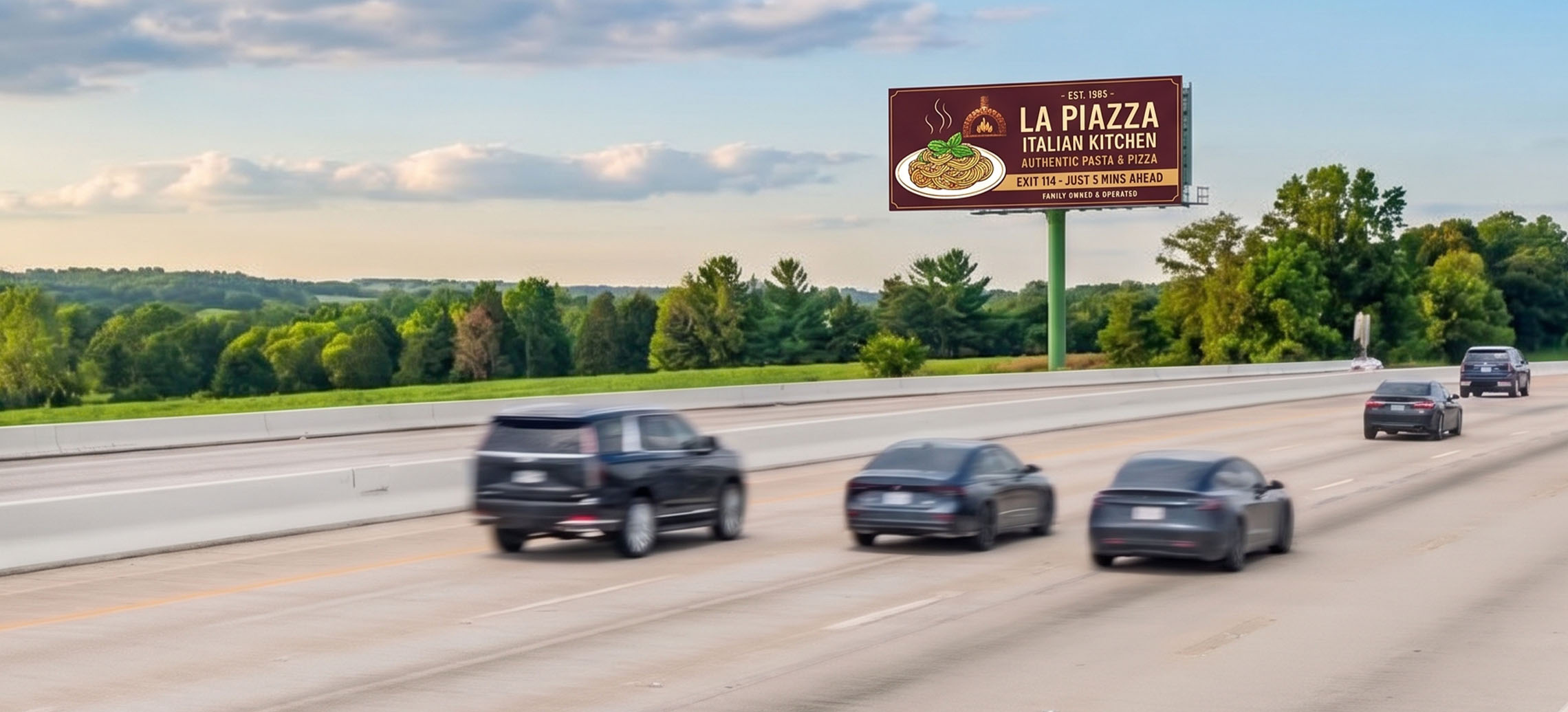
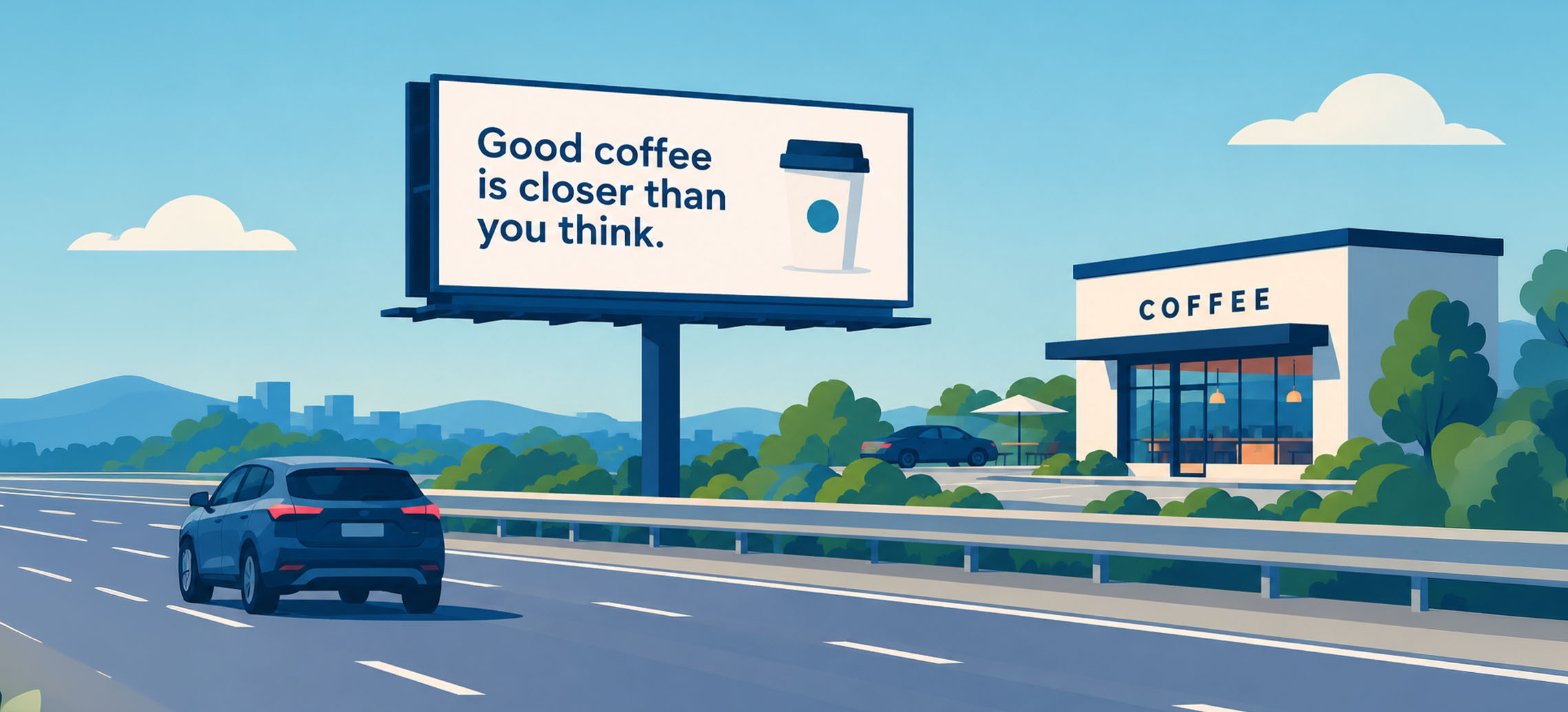
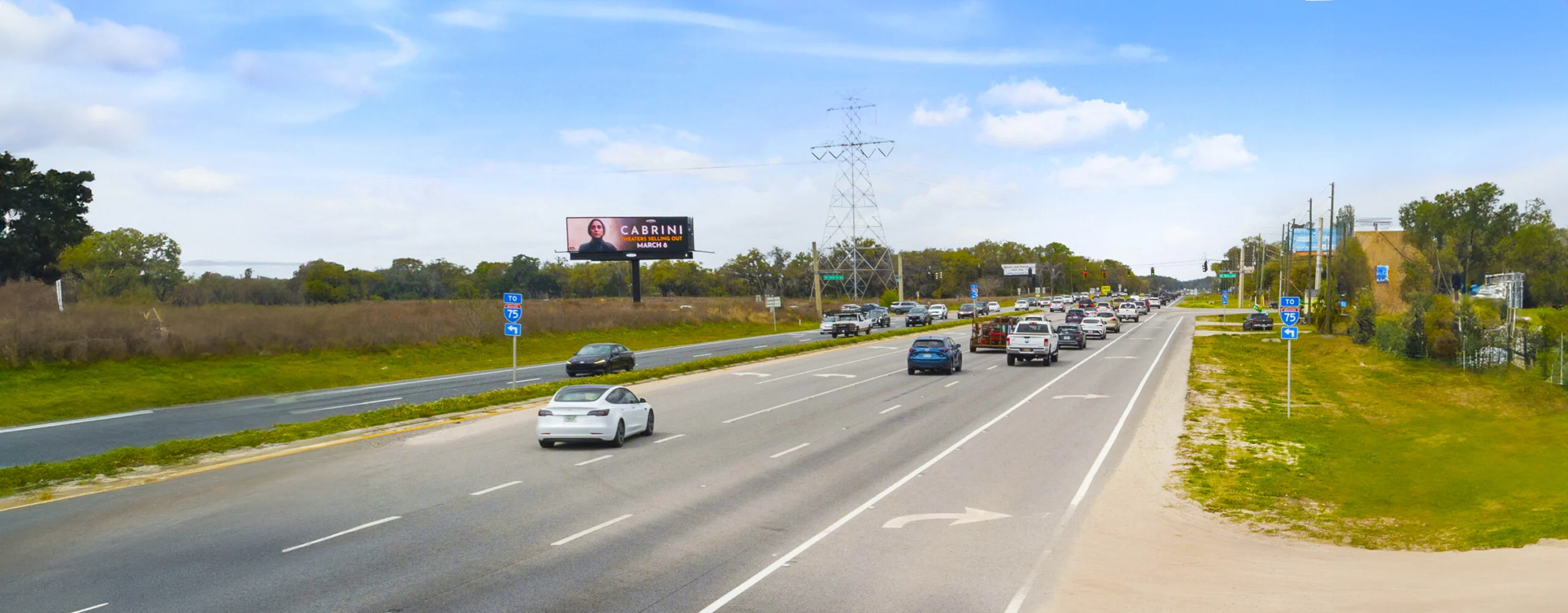
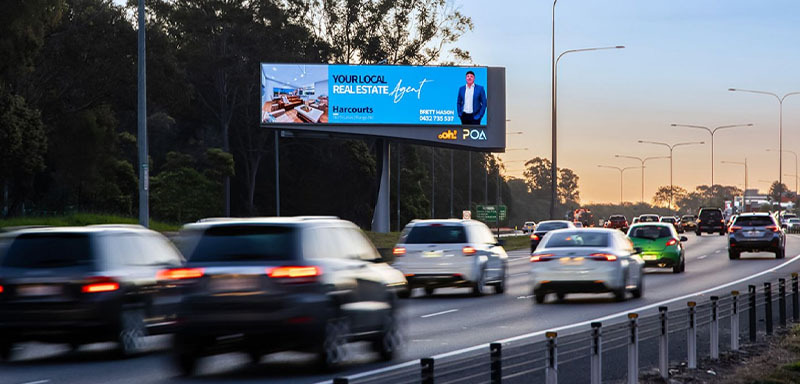
This is where physical presence matters. “If you’re a fake business, how did you get a billboard?” Mickelle asks. “Anything you can do to physically have your brand in the physical world will give you an advantage.”
A billboard, stickers at local businesses, yard signs, and event sponsorships all carry trust that a social profile alone can’t create, because people don’t question physical presence the same way.
The 3-Step Checklist for Building Credibility in Your Local Community
Between “just post on social media” (which isn’t a strategy) or “hire a full marketing team” (which most don’t have budget for), build trust first. Run social media ads second.
Credibility drives sales. Start with these three steps to build it.
1. Grow Your Google Reviews
“If you have no presence on Google, the first thing I’m gonna think is you’re not a real business,” Mickelle says. “Even if your place is physically there, if I see no reviews then I think something’s off.”
Google is the first thing to set up, before social media, before ads, before anything else, especially for physical businesses. Anyone aged 20 to 40 will check Google before visiting a local business.
No reviews don’t just mean low credibility; they actively trigger suspicion.
Set up a Google Business Profile on day one. Ask every customer for a review:
- In person
- Via follow-up message
- On a receipt
Existing social followers are the fastest early source. A business with 10,000 Instagram followers can grow Google reviews significantly faster than a brand-new business with no audience.
Make it worth their time: feature them on your social feed, offer a small discount on their next purchase, or create a monthly giveaway for reviewers.
Once the business has a credible Google presence, the next priority is picking the right single social platform and posting consistently.
2. Pick One Platform and Post a Specific Mix of Content
Mickelle sees small businesses try to be on every platform, but stretching resources thin leads to unfocused foundation building and affects the quality of content. Her rule is firm: pick one, based on where your product and audience actually live, and commit.
B2B service businesses should focus on LinkedIn. Visual products like clothing or home goods work on Instagram. Local service businesses with older customers (plumbing, HVAC, landscaping) still see the most engagement on Facebook.
“Don’t try to be everywhere, because then you will be nowhere.”
While Google reviews establish that the business is real, a consistent social presence explains what the business is and why someone should care.
Post at least three times per week with a mix of:
- Personal content (your story, your employees, your perspective)
- Brand content (what you believe and why you do what you do)
- Direct selling (what your product is)
All three need to be present, otherwise customers don’t get the full picture of your business.
Once you’ve built your digital credibility through Google and your chosen social platform(s), the third layer, physical presence, is what builds your authority, familiarity, and recognition.
3. Get Into the Physical World
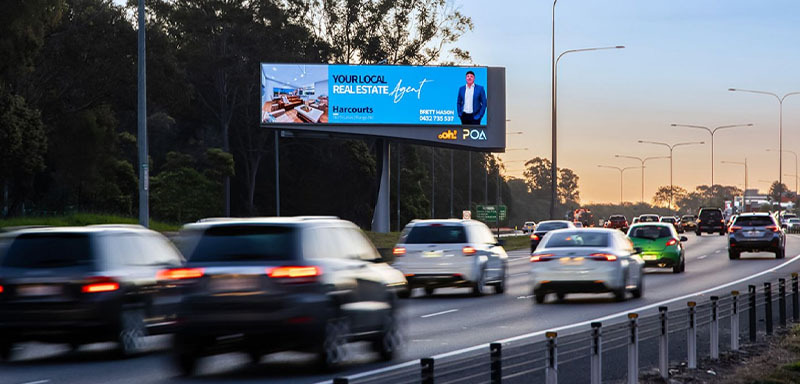
This is the step most businesses skip, and Mickelle considers it the highest-trust move available to a local business. She’s explicit that the physical world carries credibility that digital alone can’t create, especially as AI makes it easier to fake everything online. People don’t question a billboard the same way they question social media, where perfect photos and glowing reviews can be generated in minutes.
“The marketing’s not gonna work for you if you don’t have awareness. You get awareness by doing the foundational things and getting into more physical shops, more posters, more signs,” she says. “Then go and look at hiring someone to do your marketing. You’re gonna get results much faster.”
Your digital presence, like Google reviews and consistent social content, is what builds your legitimacy. Physical presence through billboards, posters, and local sponsorships drives awareness. If a billboard gets someone to search your name, you need something waiting for them, otherwise you’re paying for awareness that leads nowhere.
Physical presence can look like a lot of things. Mickelle suggests stickers at complementary local businesses, posters, yard signs, and sponsoring local events.
Billboards through a platform like Blip take this idea even further, all without the cost and commitment that come with traditional billboards. The goal is to be seen in the physical spaces where your customers already are so that when they encounter your digital ads, you feel familiar and real.
Build Your Foundation for a Stronger Future
Businesses that do these three things before spending on ads or hiring marketers see faster results from everything that comes after. The foundation makes the rest of the investment work.
Getting a new customer costs less when they already recognize you. Someone who’s seen your billboards for six months needs less convincing before they’re ready to buy; they show up already halfway convinced you’re the right choice.
When a billboard or ad drives someone to search the business, they find Google reviews, active social content, and physical presence in the community. Each of these signals reinforces the others.
Bigger investments into the foundation pay off. The businesses that sequence correctly, with foundation first, and amplification second, get faster results from every dollar after that.
Frequently Asked Questions
How do I market to customers who aren’t ready to buy yet?
Use billboards so they see your name regularly. Use digital ads to explain what you do when they start looking. Save your performance ads for people who already recognize your brand. Track whether more people are searching for you by name, whether the people contacting you already know who you are, and whether they’re deciding faster than they used to.
What’s the difference between building awareness and building trust?
Awareness gets people to search for your name. Trust is what they need to feel to make a purchase. Billboards do both, offering both awareness and the trust that comes with real-world credibility.
When should I invest in marketing vs. building my foundation?
Build your foundation first. Get 10-20 Google reviews. Post consistently on one social platform for at least three months. Place stickers, posters, or yard signs in places your customers frequent. Then invest in paid marketing. The foundation makes everything else work harder. Without it, you’re spending money on ads that drive people to a business they can’t verify is real.