Billboards near Ansonia, CT
No Minimum Spend. No Long-Term Contracts. Just Results.
Trusted by Leading Brands


Billboard advertising
near Ansonia has never been easier
How much is a billboard near Ansonia?
Why Choose Blip for Billboard Advertising near Ansonia
-
Blip lets Ansonia brands launch fast on Route 8 and Route 34 commuter traffic, with self-serve control from your phone.
-
Set flexible daily budgets for Ansonia and reach drivers heading to New Haven, Milford, and Orange without long contracts.
-
Daypart your Ansonia ads for the 6:30-9 a.m. rush or 4-7 p.m. commute to catch repeat car traffic when it counts.
-
Track Ansonia billboard results in real time and shift spend toward I-95 and Route 1 corridors that drive more clicks and calls.
-
Use Blip creative tools to make Ansonia ads pop for Valley families, Yale commuters, and weekend Milford shoppers.
Frequently Asked Questions About Billboard Advertising near Ansonia
How much does a billboard cost near Ansonia, Connecticut with Blip?
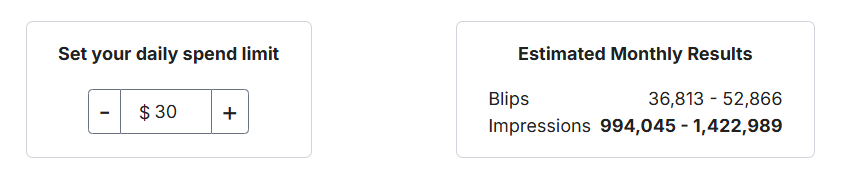
With Blip, advertising on Ansonia billboards is flexible and budget-friendly because you only pay for each brief 7.5–10 second “blip” your ad receives. You set a daily budget that fits your comfort level, and Blip automatically keeps your campaign within that limit, giving you control over how much you spend on billboards near Ansonia, Connecticut. Each blip price varies based on when and where you choose to advertise and current advertiser demand, and your total spend is simply the sum of those blips.
Where can I advertise with Blip near Ansonia, Connecticut?
There are 31 digital billboards serving the Ansonia area, all within about 10 miles, concentrated along high-traffic corridors in Orange, Milford, West Haven, and New Haven. These communities together account for roughly 180,000–190,000 residents, plus significant daytime populations from workers, shoppers, and students. If you are searching for billboards near Ansonia that offer both local relevance and regional scale, these locations form a practical, easy-to-buy network.
What kind of audience do Ansonia billboards with Blip reach?
Ansonia is a compact, commuter-heavy city with strong ties to nearby coastal and university hubs, making it an ideal setting for billboards that reach people multiple times per week as they move between home, work, and shopping districts. Over 80–85% of Ansonia workers commute by car, with an average one-way commute of about 24–26 minutes. This steady commuter flow is exactly what boards near the Ansonia area capture, delivering repeated impressions as the same drivers pass key locations multiple times per week.
When is the best time to run billboard ads near Ansonia, Connecticut?
Traffic data from CTDOT and local planning agencies show that on major corridors like I-95, Route 8, and Route 1, peak hours can see 2–3× as many vehicles per hour as overnight periods. Morning rush, midday, evening commute, and weekend shopping times are all highlighted as strong windows depending on your business category. With Blip, you can concentrate your budget on these peak windows rather than paying for 24/7 exposure, so Ansonia-area impressions are as efficient as possible.
How many people can billboard advertising near Ansonia reach on Route 8, Route 34, and I-95?
Route 8 and Route 34 in the Derby/Ansonia corridor carry heavy traffic, with CTDOT counts of 55,000–65,000 vehicles per day on Route 8 and 20,000–30,000 vehicles per day on key portions of Route 34. With conservative assumptions of 1.3–1.5 occupants per vehicle, that translates into potential exposure to 70,000–90,000 people daily along these corridors. I-95 near New Haven and West Haven carries 130,000–150,000 vehicles per day, making it one of the highest-volume corridors in the state.
Do I need a contract to advertise with Blip near Ansonia?
No, Blip has no long-term contracts or minimum commitments. You can start, pause, or stop your campaign at any time.
How fast can I launch a billboard campaign with Blip near Ansonia?
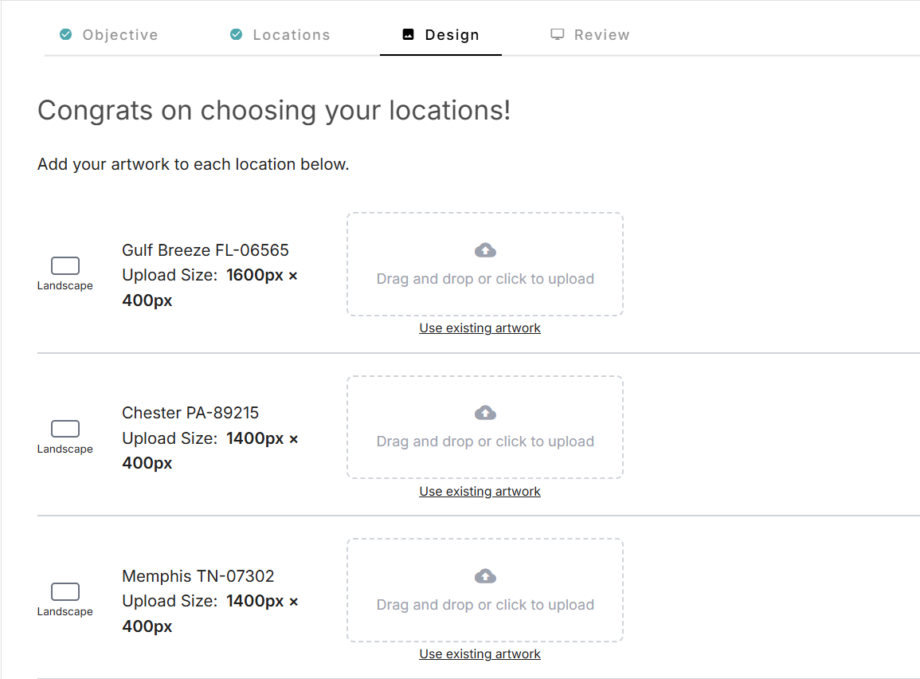
You can have your campaign live in minutes. Create a free account, select your locations, set your budget, upload your design, and start running once approved.
Where can I advertise with Blip near Ansonia?
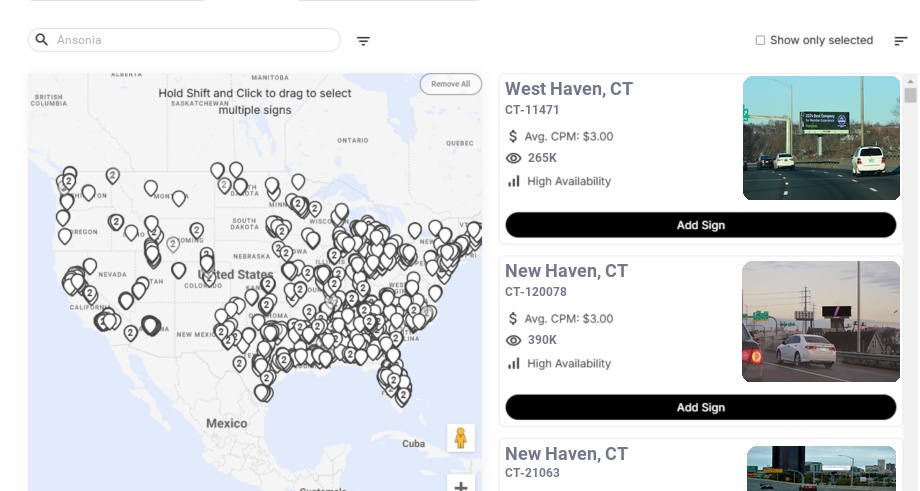
Blip has digital billboards near Ansonia. You can browse available locations on a map, choose the ones that fit your audience, and start advertising right away.
Still have questions? Launch a campaign in minutes — no contracts, no commitments.
Start Your CampaignAnsonia Billboard Advertising Guide
Nestled along the Naugatuck River, Ansonia sits at the heart of Connecticut’s “Lower Naugatuck Valley” and within the New Haven metro. With 31 digital billboards serving the Ansonia area from nearby Orange, Milford, West Haven, and New Haven
Understanding the Ansonia Area Audience
Ansonia is a compact, commuter-heavy city with strong ties to nearby coastal and university hubs—an ideal setting for Ansonia billboards that reach people multiple times per week as they move between home, work, and shopping districts.
-
Population & density
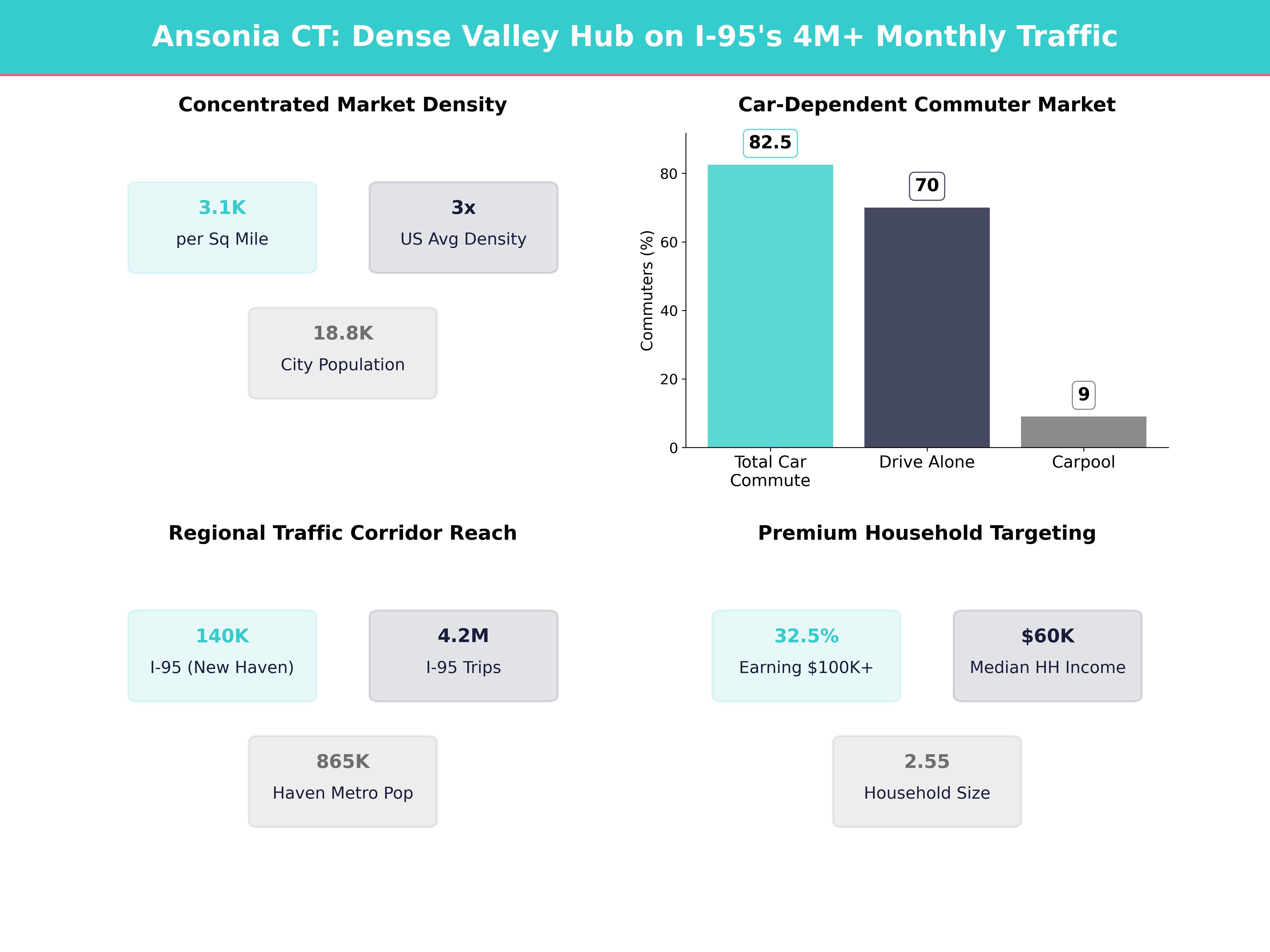
- Ansonia’s population is about 18,500–19,000 people in roughly 6 square miles, a density of about 3,000–3,200 residents per square mile, more than 3× the U.S. average density of around 1,100 people per square mile.
- The broader New Haven metropolitan area, which influences work, shopping, and entertainment for local residents, has roughly 860,000–870,000 residents, with New Haven County itself accounting for about 850,000 people.
- Nearby “Valley” communities like Derby, Shelton Seymour add another 70,000+ residents to the immediate labor and shopping shed, according to local and regional planning data from groups such as the Naugatuck Valley Council of Governments. Billboard advertising near Ansonia can therefore influence not just city residents, but a much larger Valley audience.
-
Age & household profile
- About 23–25% of Ansonia residents are under age 18, and roughly 16–18% are 65 or older, meaning close to 2 in 5 residents are either children/teens or retirees—key decision‑makers for family and healthcare spending.
- Average household size is about 2.5–2.6 people, with around 60–65% of housing units occupied by families, typical of inner‑ring suburban communities that still retain a small‑city feel.
- Median household income is in the low–mid $60,000s, compared with a Connecticut median of roughly $85,000–$90,000, indicating value‑conscious consumers who still have solid buying power. About 30–35% of households earn over $100,000, while an estimated 15–20% earn below $35,000, creating room for both premium and budget‑oriented offerings that can be promoted with billboard rental near Ansonia.
-
Commuting behavior
- Over 80–85% of Ansonia workers commute by car, with an average one‑way commute of about 24–26 minutes. Roughly 70% drive alone, and about 8–10% carpool, creating repeated daily exposures along the same corridors.
-
Many commute toward:
- New Haven (8.6 miles away) for jobs at large institutions such as Yale University and Yale New Haven Health, both of which rank among the region’s largest employers, collectively supporting tens of thousands of jobs.
- Nearby employment centers in Milford, Orange, West Haven, and Stratford, which together host hundreds of retail, logistics, manufacturing, and service businesses.
- This steady commuter flow is exactly what our boards near the Ansonia area capture, delivering repeated impressions as the same drivers pass key locations multiple times per week.
-
Local economy & anchors
- Ansonia is closely linked to nearby Derby, Shelton, and New Haven, creating an interconnected labor and shopping market where an estimated 60–70% of workers are employed outside their home municipality.
- Local school systems and city services, highlighted on the City of Ansonia Ansonia Public Schools, drive consistent daily travel for families. Nearby Griffin Hospital in Derby employs roughly 1,500–2,000 staff and draws hundreds of patients and visitors per day, further boosting traffic on Route 8 and Route 34.
- Major regional draws—shopping centers in Milford and Orange, downtown New Haven, and shoreline destinations promoted by CTVisit—generate high‑traffic routes for our digital billboards. For example, Milford’s retail corridors are anchored by large power centers and malls that attract thousands of shoppers daily, especially on weekends. Businesses that rely on these destinations can benefit from billboard advertising near Ansonia that reaches visitors before and after their trips.
For advertisers, this means your message should speak to working families, commuters, and students who balance affordability with convenience—and who spend a lot of time on the road.
Where Our Digital Billboards Reach Drivers Near Ansonia
We have 31 digital billboards serving the Ansonia area, all within about 10 miles, concentrated along high‑traffic corridors in:
- Orange (4.6 miles from Ansonia)
- Milford (7.4 miles from Ansonia)
- West Haven (7.2 miles from Ansonia)
- New Haven (8.6 miles from Ansonia)
If you are searching for billboards near Ansonia that offer both local relevance and regional scale, these locations form a practical, easy‑to‑buy network.
These communities together account for roughly 180,000–190,000 residents, plus significant daytime populations from workers, shoppers, and students. This placement is crucial because Ansonia residents regularly use:
-
Route 8 & Route 34 (Derby / Ansonia corridor):
- Primary north‑south and east‑west arteries that feed traffic toward Orange, New Haven, and the I‑95 corridor.
- According to Connecticut Department of Transportation (CTDOT) 55,000–65,000 vehicles per day (AADT), while key portions of Route 34 handle 20,000–30,000 vehicles per day, depending on the segment.
- With conservative assumptions of 1.3–1.5 occupants per vehicle, that translates into potential exposure to 70,000–90,000 people daily along these corridors, making them prime routes for Ansonia billboards focused on commuters.
-
I‑95 near Milford, West Haven, and New Haven:
- CTDOT traffic counts show sections of I‑95 around New Haven and West Haven carrying 130,000–150,000 vehicles per day, making it one of the highest‑volume corridors in the state.
- Over a 30‑day period, that can represent 3.9–4.5 million vehicle trips passing key billboard locations.
- Our boards in Milford and West Haven tap into this constant flow of local commuters, shoppers, and through‑traffic traveling between New York, coastal Connecticut, and Rhode Island.
-
Route 1 (Boston Post Road) in Orange and Milford:
- A major retail corridor lined with big‑box stores, auto dealerships, restaurants, and service businesses, supported by local economic development efforts from the Town of Orange and the City of Milford.
- Average daily traffic on busy segments of Route 1 often ranges from 25,000–40,000 vehicles per day, with peak weekend volumes in shopping areas frequently 10–20% higher than weekday mid‑day levels.
- Perfect for reaching Ansonia‑area residents who shop and dine along the corridor, as well as visitors coming from neighboring towns.
By combining placements in Orange, Milford, West Haven, and New Haven, a Blip campaign can repeatedly reach the same Ansonia‑area residents as they commute, shop, and travel to school or work, often delivering multiple weekly impressions per driver when you target the right dayparts. This makes billboard rental near Ansonia a flexible option for both brand awareness and direct‑response goals.
Timing Your Campaign Around Local Traffic Patterns
Because Blip allows you to buy individual “blips” (8–15 second spots) and choose exactly when your ads run, timing is a powerful lever for reaching the Ansonia area efficiently.
Traffic data from CTDOT and local planning agencies show that on major corridors like I‑95, Route 8, and Route 1, peak hours can see 2–3× as many vehicles per hour as overnight periods. Aligning your buys with these windows maximizes impressions per dollar and improves the cost‑effectiveness of billboard advertising near Ansonia.
Weekday patterns
-
Morning rush (6:30–9:00 a.m.)
- On I‑95 and Route 8, morning peaks typically run 6:30–8:30 a.m., with hourly volumes often exceeding 6,000–7,000 vehicles per direction.
- Drivers from the Ansonia area head toward New Haven, Milford, Orange, and beyond.
-
Focus on:
- Service businesses (home services, auto repair, medical, financial).
- Coffee shops, quick‑service restaurants, and breakfast spots.
- Job recruitment and training programs, especially near university and hospital employment centers in New Haven
- Use simple, urgency‑oriented calls to action: “Before work? Book online in 30 seconds.”
-
Midday (11:00 a.m.–2:00 p.m.)
- Errands, lunch breaks, and shift changes drive steady volumes—often 60–70% of peak rush‑hour traffic on Route 1 and in downtown areas.
-
Ideal for:
- Restaurants on Route 1 and downtown New Haven.
- Retail, grocery, and healthcare (including urgent care and walk‑in clinics).
- Senior‑oriented services (since older adults often travel mid‑day and comprise nearly 1 in 5 local residents).
- Highlight lunch specials, same‑day appointments, or in‑store offers.
-
Evening commute (3:30–7:00 p.m.)
- High volume of east‑ and west‑bound commuters returning to the Ansonia area. On many corridors, 4:00–6:00 p.m. is the single busiest 2‑hour window of the day.
-
Strong for:
- Family attractions and youth activities.
- Gyms, tutoring centers, and after‑school programs.
- Retail events (weeknight sales, limited‑time promotions).
- Reinforce brand recognition with consistent creative and short, memorable copy, since drivers may see your message 5+ times per week if you buy frequently in these slots.
Weekend patterns
-
Saturday
- Heavy traffic to shopping, shoreline, and entertainment areas promoted by CTVisit, Milford and West Haven beaches, and New Haven’s restaurant scene. State tourism data indicate that coastal and city destinations capture a large share of Connecticut’s tens of millions of annual visitor trips.
- Retail centers often see 20–30% higher sales on Saturdays compared with mid‑week, and Route 1 corridors reflect that in elevated traffic.
-
Emphasize:
- Retail and dining.
- Events, festivals, and entertainment (coordinate with coverage you may get from local outlets like the New Haven Register WTNH News 8
-
Sunday
- More relaxed but still strong mid‑day travel for dining, errands, and recreation; many restaurants report Sundays as a top‑3 revenue day.
- Great for brand‑building, faith communities, healthcare, and “plan‑your‑week” messages, especially when you feature clear hours and simple offers.
With Blip, you can concentrate your budget on these peak windows—rather than paying for 24/7 exposure—so Ansonia‑area impressions are as efficient as possible.
Crafting Creative That Resonates With the Ansonia Area
The Ansonia area has a distinct small‑city, blue‑collar identity combined with proximity to major educational and cultural centers. Your creative should match that reality so that Ansonia billboards feel relevant and local, not generic.
Design for fast-moving traffic
- Use high‑contrast colors that stand out against New England’s seasonal backdrop (greens in summer, grays in winter, foliage in fall, snow in winter).
- Limit your message to 7 words or fewer; drivers on I‑95 or Route 8 may have only 3–5 seconds to process your ad at highway speeds of 55–65 mph.
- Favor large, bold fonts and one clear focal point (logo, product, or person).
- Avoid clutter: studies of out‑of‑home recall show that ads with a single clear message can boost brand recall by 20–30% versus crowded designs.
Message angles that work locally
-
Value and practicality: Given median incomes and a strong working‑class base, deals and savings resonate.
- “Brake Repair Near the Valley – $X Off This Week”
- “Family Dinner Under $40 – Exit X”
-
Local pride and Valley identity:
- Reference the “Valley,” the Naugatuck River, or local rivalries (Derby, Shelton, etc.) in a positive way.
- “Proud to Serve Valley Families Since 1998”
-
Commute‑friendly solutions:
- Many people pass through Milford, Orange, West Haven, and New Haven twice a day. If you’re near major employers or institutions (like hospitals, universities, or office parks highlighted by the Greater New Haven Chamber of Commerce), emphasize convenience.
- “Oil Change While You Work in New Haven – Book Today”
-
Bilingual or inclusive messaging:
- The New Haven metro is diverse, with significant Hispanic and Black communities. In several Valley and coastal communities, Hispanic/Latino residents account for 20–30% of the population.
- If your audience skews bilingual, consider alternating English/Spanish creatives, which can expand reach and engagement, especially for healthcare, education, and retail.
Adapt to the seasons
Seasonal timing matters in Connecticut, where weather and school calendars strongly influence travel:
-
Winter (snow & early sunsets):
- Darkness falls before 5:00 p.m. in mid‑winter, meaning more impressions occur after dark; prioritize high‑contrast, bright designs.
- Promote heating services, auto care, healthcare, and tax prep—categories that tend to peak December–March.
-
Spring:
- Home improvement, landscaping, youth sports, weddings, and graduations drive spending. Local home‑related businesses often see double‑digit percentage increases in sales between March and May.
-
Summer:
- Shoreline trips to Milford and West Haven beaches, outdoor dining, festivals, and attractions featured by Visit New Haven
- Position offerings as “on the way to the beach” or “5 minutes from the shore.”
-
Fall:
- Back‑to‑school, college and trade programs, high school sports, and Halloween/pumpkin events. Local school districts and colleges typically start late August, making July–September critical for education and youth‑focused campaigns.
Because digital boards can change instantly, we recommend planning 3–6 seasonal creative variations and rotating them via Blip throughout the year to keep your message fresh and relevant.
Matching Billboard Locations to Your Goals
With 31 boards serving the Ansonia area from four neighboring cities, location strategy is critical. Use different clusters for different objectives when planning billboard advertising near Ansonia.
Brand awareness for the wider Valley
- Mix boards in Orange, Milford, West Haven, and New Haven to cover both I‑95 commuters and local shoppers.
-
This is ideal for:
- Regional healthcare systems.
- Multi‑location retailers and restaurants.
- Financial institutions and colleges that draw from multiple ZIP codes.
- For example, a healthcare provider drawing patients from the Valley and the coast can use boards near major interchanges in West Haven and Milford to reach both work‑bound and home‑bound streams.
Drive traffic from specific corridors
-
Route 1 (Boston Post Road) boards:
- Great for big‑ticket retail (cars, furniture, appliances), restaurants, gyms, and services with locations in Milford, Orange, or West Haven.
- The Milford Regional Chamber of Commerce and local business districts highlight Route 1 as a key shopping spine, with dozens of national and local brands clustered within a few miles.
-
Boards near I‑95 interchanges:
- Best if your customers travel from the Ansonia area to coastal towns or pass through on longer trips.
- Use clear directional language: “Next 2 Exits,” “10 Minutes North of Here,” etc., and consider including exit numbers where allowed.
Hyper‑local callouts
Even though our boards are in neighboring cities, your messaging can explicitly invite people back to the Ansonia area:
- “Short Drive from the Valley – Auto Repair on Route 1”
- “Ansonia‑Area Families: Free Estimate Today”
- “Live Near the Naugatuck River? We’ll Come to You”
By pairing geo‑specific language with board placements on the exact routes residents use—such as Ansonia → Route 34 → Orange → I‑95—you turn regional inventory into hyper‑local messaging and get the most from billboard rental near Ansonia.
Strategies for Common Advertiser Types in the Ansonia Area
Different business categories can take advantage of the same inventory in distinct ways, using data on traffic, demographics, and seasonal behavior to refine their buys.
Local service businesses (home, auto, healthcare)
- Focus on rush hours when homeowners commute; these windows often deliver 50–60% of total weekday traffic on major roads.
- Use area‑specific language: “Serving the Ansonia and Derby Area,” or “Proudly Serving Valley Families.”
-
Rotate multiple creatives:
- One highlighting price (“$0 Down HVAC Install”).
- One emphasizing urgency (“AC Out? Call Today, We’re Nearby.”).
- Set a modest daily budget and let Blip optimize frequency across 3–6 key boards, aiming to reach the same driver 3–5 times per week during your core season.
Restaurants, coffee shops, and quick‑service
- Concentrate on 11:00 a.m.–2:00 p.m. and 4:30–7:30 p.m., which align with typical meal periods; many quick‑service locations generate 60–70% of daily revenue in these windows.
-
If you’re on or near Route 1 or in downtown New Haven, call that out:
- “Exit X → 5 Minutes to Fresh Seafood in Milford.”
- “Heading Back to the Valley? Stop for Tacos in West Haven.”
- Promote rotating specials or day‑of‑week deals; update creative quickly in Blip when offers change so your messaging always matches what’s in‑store.
Retailers and shopping centers
- Use boards along I‑95 and Route 1 near your location, where shoppers already expect destination retail.
-
Build anticipation with short campaigns:
- “3 Days Only – Tent Sale in Orange” with countdown creatives (e.g., “2 Days Left,” “Last Day Today”), a tactic that can lift event traffic by 10–20% versus generic sale messaging.
- For big events (Black Friday, back‑to‑school), increase your daily budget for a 10–14 day window for maximum saturation, especially Fridays–Sundays when foot traffic peaks.
Education & training (schools, colleges, trades)
- The New Haven area is dense with students and career‑changers. Local colleges, universities, and trade programs collectively enroll tens of thousands of students each year.
- Advertise heavily in late summer (July–September) and January for enrollment; many programs see 30–40% of annual inquiries during these periods.
-
Use direct, benefit‑oriented lines:
- “Train for a New Career – 15 Minutes from the Valley.”
- “Evening Classes for Working Adults.”
- Consider boards near university districts and major bus or rail hubs to reach both drivers and multimodal commuters.
Healthcare providers
- Target mid‑day and early evening to catch parents, seniors, and commuters; office‑based visits often spike between 10:00 a.m.–1:00 p.m. and 4:00–6:00 p.m.
- Promote convenience: same‑day appointments, walk‑in clinics, extended hours, and parking ease—key drivers of provider choice.
-
Consider separate creatives for:
- Primary care (family‑friendly, preventive messaging).
- Urgent care (after‑hours, “walk in now” language).
- Specialized services (dental, vision, physical therapy, behavioral health).
Using Blip Tools to Target the Ansonia Area Efficiently
Blip’s flexible buying model is especially well‑suited to the Ansonia area’s commuter dynamics and makes it easy to test billboard advertising near Ansonia without committing to long‑term, fixed‑price contracts.
1. Geographically focus your buy
- Select only boards in Orange, Milford, West Haven, and New Haven that align with where Ansonia‑area residents actually drive. City resources like Orange, Milford, West Haven, and New Haven
- Start with 5–10 boards that sit on the busiest corridors (e.g., I‑95 interchanges and key Route 1 segments), then expand once you see which placements generate more engagement (website visits, calls, or store traffic).
2. Dayparting (time‑of‑day targeting)
- Allocate 60–70% of your budget to peak commute windows, where traffic volumes can be 2× late‑night levels.
- Use the remaining 30–40% for mid‑day or weekend exposure, depending on your category.
-
For example:
- A home services company might spend 70% during 6–9 a.m. and 4–7 p.m., when homeowners are most likely to be driving.
- A brunch restaurant might flip that to 70% during 9 a.m.–2 p.m., especially on weekends.
3. Budget control and testing
- Start small—many advertisers in markets like the Ansonia area begin with $10–$20 per day, which can still generate hundreds to a few thousand daily impressions depending on board selection and competition.
-
Run a 2–4 week test with:
- Two or three creative variations.
- Clear tracking mechanisms (unique URLs, promo codes, or dedicated phone numbers).
- After the initial period, shift spend toward times and boards that correspond with better performance metrics (higher call volume, more online leads, or increased in‑store traffic).
4. Creative rotation and A/B testing
-
Use Blip’s ability to rotate multiple creatives:
- Test different offers (“$50 Off” vs. “Free Consultation”).
- Test different geographic wording (“Serving the Ansonia Area” vs. “Serving Ansonia & Derby” vs. “Serving Valley Families”).
- Track which messages line up with increases in website traffic or inbound calls from local ZIP codes. Even a 5–10% difference in response rate can meaningfully improve your return on ad spend over several months.
Measuring and Optimizing Your Campaign
To get the most from your billboard investment near the Ansonia area, connect your Blip activity with measurable outcomes.
-
Estimate impressions using traffic data
- CTDOT traffic counts (available via the CTDOT
- Combine AADT figures with your Blip share of voice on each board to estimate how many viewers see your message. For example, if a board on I‑95 faces 140,000 vehicles per day and you purchase 10% of the available ad time, you can estimate on the order of 14,000 vehicle impressions per day for your ad.
-
Link to digital analytics
- Use simple, memorable URLs or QR codes that lead to landing pages you can track in tools like Google Analytics.
-
Monitor spikes in:
- Direct traffic.
- Branded search volume.
- Calls or form fills from the Ansonia, Derby, Shelton, Milford, Orange, West Haven, and New Haven ZIP codes.
- Compare performance during weeks when your boards are running heavily versus “off” weeks to estimate lift.
-
Ask new customers how they heard about you
- Include “billboard” as a specific option on intake forms, online booking pages, and phone scripts.
- Track how many people mention the ad along with which locations they frequent (e.g., “saw it driving on I‑95 near Milford” or “on Route 1 in Orange”). Over a 60–90 day period, this can reveal which corridors drive the most responses.
-
Iterate every 30–60 days
- Review performance monthly or at least every 30–60 days.
- Refresh creatives at least once per quarter, or more often if you’re promoting time‑sensitive offers or seasonal products.
- Reallocate budget to the boards and dayparts producing the best results, and consider pausing lower‑performing slots to improve overall cost‑effectiveness.
By understanding how Ansonia‑area residents move through neighboring hubs like Orange, Milford, West Haven, and New Haven, and by using Blip’s flexible tools, we can build campaigns that reach the right people at the right moments—without wasting spend. With 31 digital billboards serving the Ansonia area, you have the reach of a major market and the precision of hyper‑local targeting, all in one platform, making it simple to test and scale billboard advertising near Ansonia as your business grows.