Billboards in Plainfield, CT
No Minimum Spend. No Long-Term Contracts. Just Results.
Trusted by Leading Brands


Billboard advertising
in Plainfield has never been easier
How much is a billboard in Plainfield?
Why Choose Blip for Billboard Advertising in Plainfield
-
Blip lets you launch Plainfield billboards fast, reaching I-395 and Route 12 commuters without traditional media barriers.
-
Set flexible budgets in Plainfield to reach local shoppers and casino-bound drivers, then scale up only when results look strong.
-
Use Blip dayparting in Plainfield to hit 6:30-9 a.m. and 3:30-6:30 p.m. peaks when commuter traffic is highest.
-
No long contracts in Plainfield means you can test seasonal pushes for tourism, winter auto repair, or spring home services.
-
Track Plainfield performance in real time and shift spend toward the I-395 and Route 12 creatives driving more clicks and calls.
-
Blip's creative tools make it easy to tailor Plainfield ads for commuters, families, and Mohegan Sun or Foxwoods visitors.
Frequently Asked Questions About Billboard Advertising in Plainfield
How much does a billboard cost in Plainfield, Connecticut with Blip?
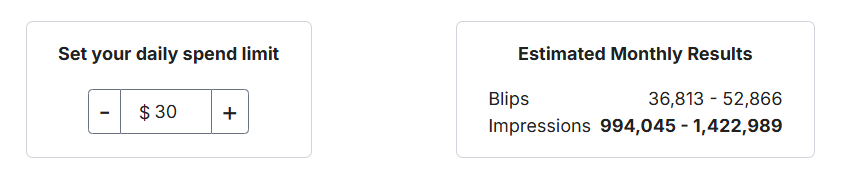
With Blip, you control exactly how much you spend on Plainfield billboards by setting a daily budget that can be as small or as large as you like. Each 7.5–10 second “blip” is individually priced based on when and where your ad appears and on current advertiser demand, so you only pay for the exposure you actually receive. Over time, your total cost is simply the sum of your purchased blips.
Where can I advertise with Blip in Plainfield, Connecticut to reach the most drivers?
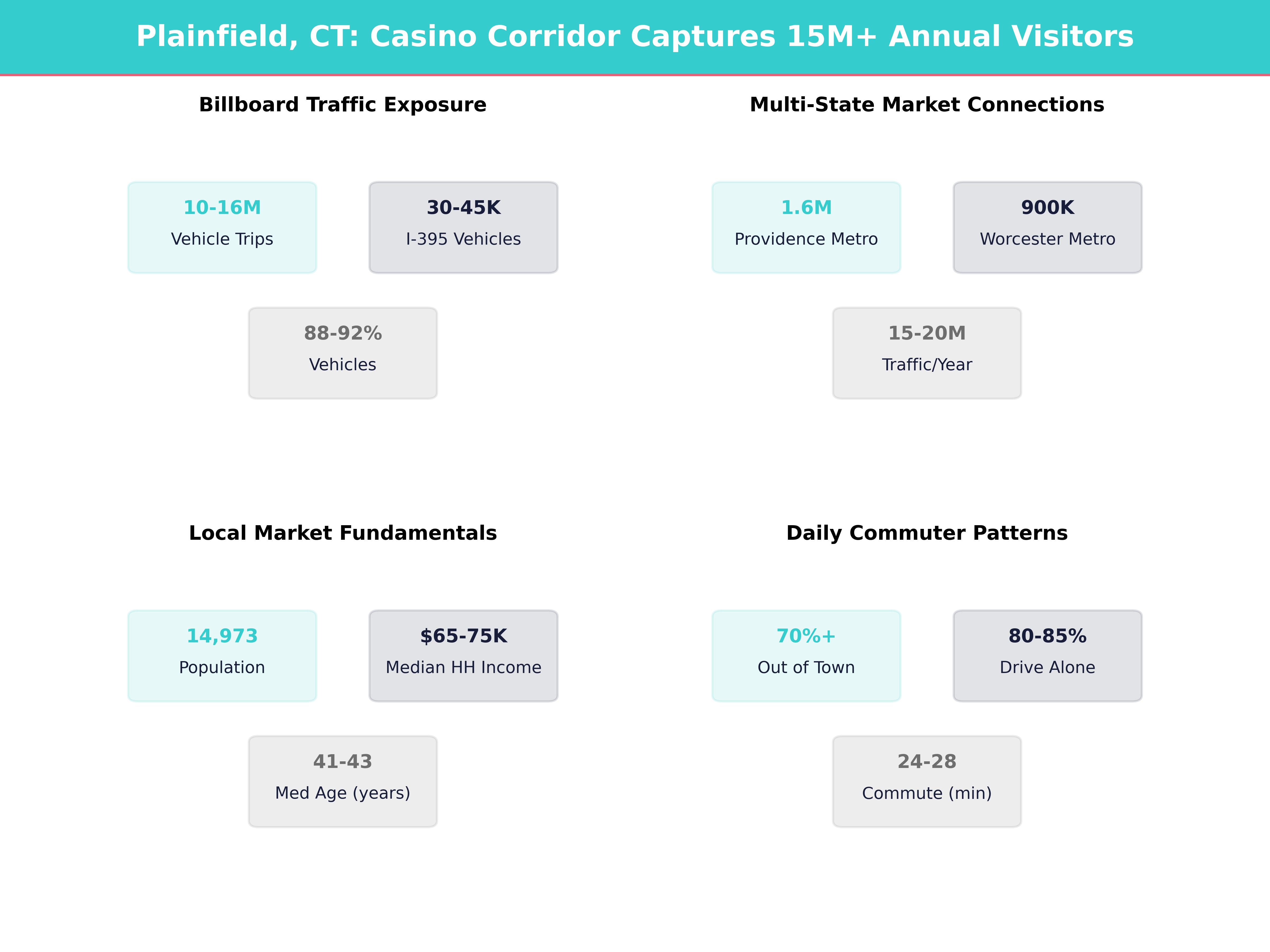
Plainfield sits at a high-traffic crossroads in eastern Connecticut, where everyday commuters, regional shoppers, and casino-bound visitors all converge. I‑395 is a primary north–south spine for eastern Connecticut, with recent CTDOT traffic volume data showing 30,000–45,000 vehicles per day, and Route 12 adds another 8,000–15,000 vehicles per day on select segments. Routes 14 and 14A also feed into local village centers and serve many short-trip errands.
What kind of audience do Plainfield, Connecticut billboards with Blip reach?
Plainfield is a four-village town with a combined population of roughly 14,900–15,000 people, according to recent town and state estimates. The area’s median age is in the low-40s, and roughly 60–65% of occupied housing units are owner-occupied. Median household income in the Plainfield area generally falls in the $65,000–$75,000 range, which suggests value-driven messaging performs well.
When is the best time to run billboards in Plainfield, Connecticut with Blip?
Morning peak traffic runs from 6:30–9:00 a.m., and evening peak traffic runs from 3:30–6:30 p.m., capturing school dismissal and standard work schedules. Midday is also valuable for lunch, retail errands, healthcare appointments, seniors, and at-home workers. With Blip, you can daypart your campaign and buy more impressions during these high-value windows.
Why are Plainfield, Connecticut billboards effective for tourists and casino traffic?
Plainfield sits within the orbit of Connecticut’s tourism and gaming economy, and Mohegan Sun and Foxwoods together attract an estimated 15–20 million visits per year. A share of these visitors drive along I‑395 and cross through the Plainfield area from Worcester and central Massachusetts, Northern Connecticut, and western New England. Weekend and holiday periods can see traffic volumes on casino-feeder corridors rise 10–20% over typical weekdays.
Do I need a contract to advertise with Blip in Plainfield?
No, Blip has no long-term contracts or minimum commitments. You can start, pause, or stop your campaign at any time.
How fast can I launch a billboard campaign with Blip in Plainfield?
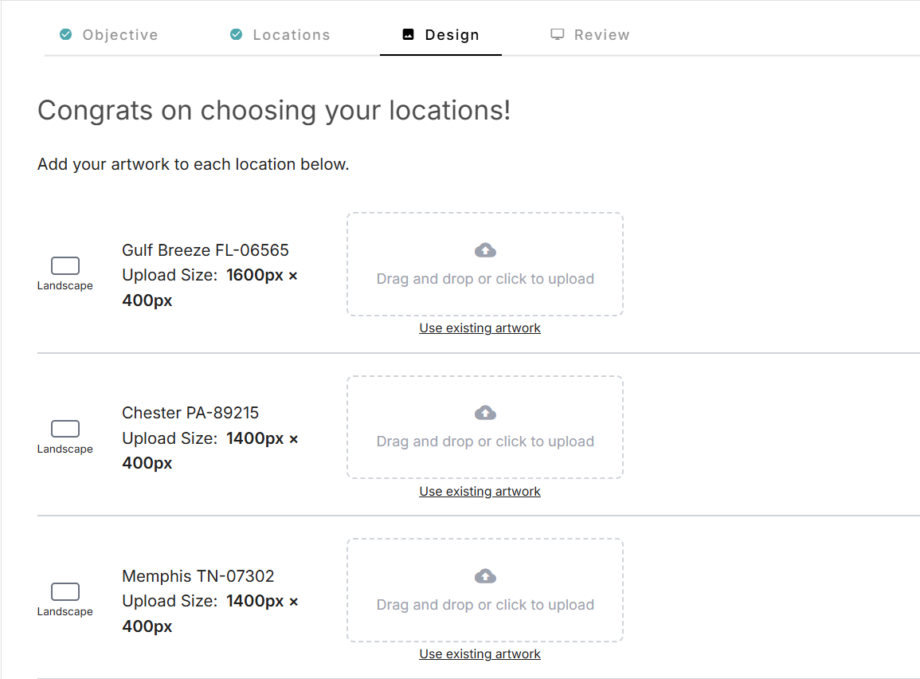
You can have your campaign live in minutes. Create a free account, select your locations, set your budget, upload your design, and start running once approved.
Where can I advertise with Blip in Plainfield?
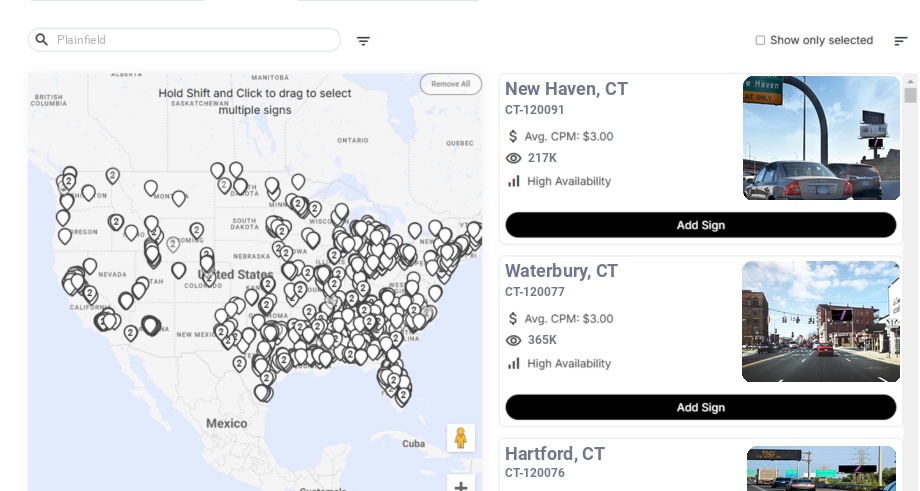
Blip has digital billboards in Plainfield. You can browse available locations on a map, choose the ones that fit your audience, and start advertising right away.
Still have questions? Launch a campaign in minutes — no contracts, no commitments.
Start Your CampaignPlainfield Billboard Advertising Guide
Plainfield, Connecticut sits at a high-traffic crossroads in eastern Connecticut, where everyday commuters, regional shoppers, and casino-bound visitors all converge. When we use digital Plainfield billboards here through Blip, we’re not just reaching Plainfield’s 15,000 residents—we’re tapping into tens of thousands of daily trips along I‑395 and Route 12 that connect the City of Providence City of Norwich, Norwich–New London, and City of Worcester markets. This guide walks through how to turn that movement into measurable attention for your brand with Plainfield billboard advertising.
Understanding the Plainfield Market
Plainfield is a four‑village town (Plainfield, Moosup, Wauregan, and Central Village) with a combined population of roughly 14,900–15,000 people, according to recent town and state estimates. The town’s demographic and economic profile is important for our creative and targeting decisions and helps explain why billboards in Plainfield can punch above their weight:
-
Population & households
- The 2020 Census counted 14,973 residents in Plainfield, and recent local estimates still place the town at just under 15,000.
- The median age in the area is in the low‑40s (around 41–43 years), a touch older than the Connecticut median of roughly 41 years, which means a strong mix of families with children and middle‑aged homeowners.
- Plainfield contains about 5,800–6,000 households, with average household size around 2.5–2.6 people. Roughly 60–65% of occupied housing units are owner‑occupied, indicating a stable base of year‑round residents who respond well to recurring local messages.
- Households skew toward families and working‑class residents, with many commuting to nearby employment hubs such as Norwich, Town of Killingly 70% of workers in this part of Windham County commute out of their home town for work.
-
Income & occupations
- Median household income in the Plainfield area generally falls in the $65,000–$75,000 range, below the statewide median (around $85,000), which suggests value‑driven messaging performs well (discounts, bundles, “$ off” instead of luxury positioning).
-
In eastern Connecticut, around 20–25% of jobs are in manufacturing and logistics, and another 20–25% are in healthcare, retail, hospitality, and food service. Plainfield closely reflects that mix:
- A large share of workers are in manufacturing, trades, healthcare, retail, and service industries.
- Roughly 80–85% of workers in the region drive to work alone, and average commute times fall in the 24–28 minute range—prime conditions for repeated billboard exposure along I‑395 and Route 12.
- Practical offers (auto repair, HVAC, healthcare, restaurants, local retail) can resonate strongly with this blue‑collar and service‑oriented workforce, especially when supported by well-placed Plainfield billboards.
-
Regional context
-
Plainfield is in Windham County, roughly:
- 25–30 minutes from Norwich (population about 40,000)
- 30–40 minutes from the Rhode Island line (toward Providence, metro population over 1.6 million)
- 35–45 minutes from Worcester, MA (city population about 200,000, metro over 900,000)
This means our billboards in Plainfield serve both local messaging and wider regional campaigns, catching daily commuters as well as shoppers and visitors moving between these hubs.
-
Plainfield is in Windham County, roughly:
For context and deeper local information, we recommend advertisers explore the Town of Plainfield official website and regional coverage via outlets such as the Norwich Bulletin and The Day. For broader economic and business climate data, the Windham Region Chamber of Commerce and the Northeastern Connecticut Council of Governments publish useful regional statistics and planning reports that can inform Plainfield billboard advertising strategy.
Traffic Patterns: Where the Eyeballs Are
The strength of a Plainfield billboard campaign is its traffic. Even though the town is relatively small, its highways carry significant daily volume that makes billboard rental in Plainfield appealing:
-
Interstate 395
- I‑395 is a primary north–south spine for eastern Connecticut, linking I‑95 at East Lyme up through Norwich and Plainfield into Massachusetts.
- According to recent Connecticut Department of Transportation (CTDOT) traffic volume data 30,000–45,000 vehicles per day (Average Annual Daily Traffic, AADT). Some nearby segments between Norwich and Plainfield push toward the upper end of that range, creating more than 10–16 million vehicle trips per year past strategic billboard locations.
- CTDOT data also show that in eastern Connecticut, passenger vehicles usually make up around 88–92% of the traffic stream, with 8–12% being trucks and commercial vehicles—valuable for B2B, logistics, and industrial advertisers.
-
Traffic includes:
- Local workers commuting to Norwich, Killingly, Town of Putnam, and Worcester
- Long‑distance passenger vehicles heading between I‑95, central Massachusetts, and northern New England
- Commercial traffic and freight traveling between the New London/Groton ports, warehouse districts, and inland distribution hubs
-
Route 12 and Route 14/14A
- State Route 12 runs roughly parallel to I‑395, tying together Plainfield’s villages and neighboring towns like Town of Griswold and Town of Lisbon. Select segments in the region often see 8,000–15,000 vehicles per day, adding up to 3–5 million vehicle trips per year past local businesses.
- Routes 14 and 14A feed into local village centers and serve many short‑trip errands—ideal for campaigns promoting supermarkets, quick‑service restaurants, auto shops, and local services. Speeds are typically 30–40 mph, which can offer 5–8 seconds of viewing time per billboard compared with 3–6 seconds on the interstate.
-
Commuter peaks
- Morning peak: 6:30–9:00 a.m., when traffic volumes on key CTDOT count stations often run 15–25% higher than the daily average.
- Evening peak: 3:30–6:30 p.m., capturing school dismissal and standard 9–5 work schedules.
- In many Connecticut commuter corridors, these two windows together can account for 35–45% of all weekday traffic.
- These are the strongest windows for commuter‑focused messaging (workwear, coffee, quick breakfast, service businesses, job recruitment).
Using Blip, we can “daypart” our campaign—buying more impressions during these high‑value windows and fewer late at night—so our budget is focused when the most drivers are on the road, maximizing the value of billboard rental in Plainfield.
How Tourism and Casinos Boost Billboard Reach
Plainfield sits within the orbit of Connecticut’s powerful tourism and gaming economy, which further enhances the effectiveness of billboards in Plainfield:
-
Casinos
- Mohegan Sun (in Uncasville) and Foxwoods Resort Casino (in Mashantucket) together attract an estimated 15–20 million visits per year, with strong weekend surges. Public reporting has historically placed Mohegan Sun in the 8–10 million annual visit range and Foxwoods in the 6–9 million range, depending on the year.
-
A share of these visitors drive along I‑395 and cross through the Plainfield area from:
- Worcester and central Massachusetts (via I‑395 south)—this corridor alone connects to nearly 1 million metro residents
- Northern Connecticut and western New England (via Route 2 to I‑395)
- Weekend and holiday periods can see traffic volumes on casino‑feeder corridors rise 10–20% over typical weekdays, which increases the number of unique travelers exposed to Plainfield billboards.
-
This makes Plainfield billboards valuable not only for local businesses but also for:
- Hospitality and lodging
- Entertainment and events
- Restaurants and bars
- Attractions and retail destinations
- For more visitor information and event calendars, advertisers can reference the casinos’ tourism pages via the regional Mystic Country tourism hub at Mystic Country.
-
Connecticut tourism
- The Connecticut Office of Tourism over $15 billion in economic impact statewide each year and support more than 80,000 jobs in lodging, food service, attractions, transportation, and retail.
- State tourism data show that leisure travel in Connecticut is highly seasonal, with roughly 40–45% of overnight leisure trips occurring between June and September, and another 25–30% in the spring and fall shoulder seasons.
- Eastern Connecticut’s Mystic Country region, which includes the Plainfield area, is one of the state’s strongest tourism areas, drawing visitors for casinos, coastal attractions, and outdoor recreation. The regional tourism portal at Mystic Country highlights casinos, state parks, trails, and family attractions that bring consistent visitor flow through the I‑395 corridor.
For advertisers serving tourists—hotels, campgrounds, RV services, attractions—Plainfield is a strategic “en route” impression point, where we can influence travelers as they approach their destination and make Plainfield billboard advertising part of a broader tourism funnel.
Seasonality: When to Ramp Up Spend
Plainfield’s traffic and behavior patterns shift with the seasons, and Blip’s flexibility allows us to mirror those shifts and adjust billboard rental in Plainfield accordingly:
-
Winter (Dec–Feb)
- Commuter and freight volumes remain relatively steady; CTDOT data often show only a 5–10% dip in total traffic compared with annual averages, even in colder months.
- Leisure travel and tourism, however, drop more sharply—state tourism research indicates winter can account for as little as 15–20% of annual leisure trips.
-
Good for:
- Auto services (snow tires, repairs, inspections), as Connecticut often sees 30–40+ inches of snowfall per season in inland areas.
- Home services (heating, plumbing, snow removal) as heating demand spikes and average daily temperatures hover in the 20s–30s°F.
- Retail and e‑commerce (post‑holiday sales, tax‑season services), since federal tax season drives increased financial activity from late January through April.
- Strategy: Lower overall spend but maintain presence during commute hours and weekends to stay top‑of‑mind during essential trips.
-
Spring (Mar–May)
- Road projects and construction pick up, adding weekday traffic delays and longer exposure. The Connecticut Department of Transportation 10–20% during work zones.
- Households shift spending toward home improvement; national home improvement data show spring accounts for roughly 30–35% of annual project starts.
- People start planning outdoor activities, youth sports, and event calendars as temperatures rise into the 50s–70s°F range.
-
Strategy:
- Ramp spend for contractors, landscapers, garden centers, and recreational businesses.
- Use creative focused on “getting ready for warm weather” or “spring tune‑ups.”
-
Summer (Jun–Aug)
- High season for tourism, road trips, and local events. In Connecticut, summer months can capture 40–45% of total leisure travel spending.
- More daytime and weekend traffic, including families and visitors. Schools in Plainfield typically dismiss in mid‑June and return in late August, adding nearly 10 weeks of flexible daytime travel patterns.
- Regional event calendars (fairs, festivals, outdoor concerts) further boost weekend traffic along I‑395 and local state routes.
-
Strategy:
- Increase total budget and run broader time coverage (midday and weekends).
- Ideal period for festivals, attractions, restaurants, and tourism marketing.
- Use bright, high‑contrast creatives that stand out in strong sunlight.
-
Fall (Sep–Nov)
- Stable commuter traffic as school returns. In many Connecticut districts, school buses and parent drop‑offs add noticeable volume to morning and mid‑afternoon peaks.
- Regional leaf‑peeping and fall events bring weekend drivers; tourism offices report that fall foliage season can account for 10–15% of annual visitor spending in New England states.
- Consumers also start thinking about healthcare (flu shots, physicals), financial planning, and holiday prep.
-
Strategy:
- Target back‑to‑school, healthcare (flu shots, checkups), and financial services (open enrollment, year‑end planning).
- For agritourism and events, push heavier on Friday–Sunday.
Because Blip lets us adjust our budgets and dayparts in real time, we can push hard during the May–October tourism window and roll back to a more efficient, commuter‑focused strategy in the winter, without locking into inflexible Plainfield billboard rentals.
Local Industries and Messaging Angles
Understanding Plainfield’s economic base helps us design targeted billboard messages and decide where Plainfield billboards can have the most impact:
-
Manufacturing and logistics
- Eastern Connecticut retains a substantial manufacturing footprint; regional labor data show that manufacturing can account for 12–15% of all jobs in some Windham County communities—well above the national average of about 8%.
- Major industrial corridors along I‑395 and Route 12 serve warehouses, fabrication shops, and distribution centers, bringing regular truck traffic through Plainfield.
-
Good targets:
- Industrial suppliers, safety equipment, tools
- Training programs, community colleges, and trade schools
- Job recruitment campaigns for regional employers
- Creative angle: Simple “Now Hiring” with pay rates, bonuses, and a short URL or QR code. For example, “Starting at $22/hr + $1,000 sign‑on bonus” can dramatically increase response rates compared with generic hiring messages.
-
Healthcare
- Residents rely on facilities in Plainfield and nearby Norwich, Putnam, and Willimantic
- In Connecticut, about 1 in 5 residents is age 60+, and aging populations in rural and semi‑rural towns like Plainfield create ongoing need for outpatient and specialty services.
-
Good targets:
- Medical practices, dental offices, urgent care, physical therapy
- Behavioral health and addiction services, which have seen growing utilization across Connecticut over the last decade.
- Creative angle: Reassuring, benefit��driven lines like “Same‑day appointments in Plainfield” with a short phone number or URL. Adding specific proof points—“Most visits in under 30 minutes” or “Accepting 10+ major insurance plans”—can further boost trust and response.
-
Local retail and services
- Auto repair, car dealers, HVAC, insurance, and grocery stores benefit heavily from local visibility. In a town of nearly 15,000 people with limited transit options, over 90% of households typically have access to at least one vehicle, and most errands involve driving.
- Because many trips on Route 12 and Route 14 are errand‑driven, location‑based copy works well:
“Next Right in Central Village” or “5 Minutes Ahead on Route 12.” - Local news outlets like The Day and the Norwich Bulletin regularly feature coverage of new businesses and retail openings; syncing billboard campaigns with earned media like this can amplify results.
-
Education and workforce development
- Area residents frequently look for training that leads to stable careers. Community colleges and technical schools in eastern Connecticut enroll thousands of students each year in healthcare, trades, and transportation programs.
- The Plainfield school system, detailed at Plainfield Public Schools 2,000+ students across multiple campuses, and many graduates pursue local training options.
-
Good targets:
- Technical schools, adult education, CDL training, nursing programs.
- Creative angle: Emphasize short timelines and career outcomes:
“Become an LPN in 12 Months – Norwich Campus, Exit XX off I‑395.”
Adding details like “Classes 2 Nights a Week” or “Job Placement Rate 80%+” (if accurate) can significantly increase inquiries.
Crafting Artwork for Plainfield Drivers
Because drivers around Plainfield travel at highway speeds on I‑395 or moderate speeds on state routes, our billboard creative must be instantly understandable for Plainfield billboard advertising to work effectively:
-
Keep text minimal
- Aim for 6–10 words maximum plus logo/URL.
- Drivers at 60 mph typically have 3–6 seconds of viewing time; eye‑tracking research on roadside advertising shows that most effective messages are processed in under 2 seconds.
-
Use bold contrast
- Dark backgrounds with light text (or the inverse) work best in varying weather. Eastern Connecticut averages 120–140 days per year with measurable precipitation, so high contrast is crucial for legibility in rain, fog, and snow.
- Avoid overly detailed photos; use one strong visual that supports the core message.
-
Local cues increase response
-
Referencing local landmarks or routes helps:
- “Exit XX – Plainfield”
- “Across from [known supermarket/landmark]”
- “Minutes from Moosup / Central Village”
- These references tap into drivers’ mental maps, making the message feel relevant. Studies on out‑of‑home advertising often show that local references can raise message recall by 10–20% compared with generic creative.
-
Referencing local landmarks or routes helps:
-
Mobile‑friendly calls to action
-
Use:
- Short URLs: “BrandCT.com”
- Easy phone numbers: “Call 860‑XXX‑XXXX”
- QR codes only when viewing speeds are lower (local roads, not mainline interstate). On roads at 30–35 mph, drivers may have 7–10 seconds of exposure, enough for a quick QR scan at red lights or congestion points.
-
Use:
Timing: Matching Messages to Moments of the Day
Blip’s daypart controls are especially useful in Plainfield, where trip purposes vary by time and where advertisers want their Plainfield billboards to match specific customer mindsets:
-
Morning commute (6:30–9:00 a.m.)
- Focus: coffee, breakfast, news/radio, job recruitment, service reminders.
- In many Connecticut corridors, 25–30% of daily traffic occurs in the combined morning and evening peak windows.
- Example: “Flat Tire? We’re Open at 7 a.m. – Exit XX Plainfield Tire.”
-
Midday (11:00 a.m.–2:00 p.m.)
- Focus: lunch, retail errands, healthcare appointments, seniors and at‑home workers.
- Healthcare systems and clinics report that a large share of outpatient appointments—often 40–50%—occur in this window, making it high value for medical and personal‑service advertisers.
- Good for restaurants, clinics, and local retailers along Route 12 and village corridors.
-
Afternoon school and work traffic (2:30–6:30 p.m.)
- Focus: family services, grocery, after‑school activities, gyms, quick‑service restaurants.
- School dismissal plus standard 9–5 and 8–4 jobs create sustained volumes rather than a single sharp peak.
- Example: “Kids’ Checkups After School – Book Today in Plainfield.”
-
Evenings & weekends
- Focus: entertainment, dining, casinos, events, faith communities.
- State leisure travel data show that weekends account for a majority of overnight trips and day‑trips, and casinos often see their highest visitation Friday–Sunday evenings.
- Great time for casinos, bowling alleys, breweries, churches, and special events to run heavier rotations.
With Blip, we can schedule different creatives for different dayparts—for instance, recruitment messages in the morning and customer‑facing offers in the afternoon and weekend—using billboards in Plainfield as a dynamic, time‑sensitive channel.
Geotargeting: Local vs. Regional Campaigns
Plainfield’s location makes it suitable for both hyperlocal and regional campaigns, so you can tailor your Plainfield billboard advertising to your service area:
-
Hyperlocal focus (Plainfield and nearby towns)
-
Best for:
- Local professional services (lawyers, dentists, accountants)
- Trades and contractors serving a 10–20‑mile radius
- Local retail and restaurants in Plainfield, Griswold, Killingly, Town of Sterling, and Lisbon
- Together, Plainfield and its immediately adjacent towns represent a catchment area of roughly 45,000–60,000 residents—large enough for meaningful reach yet small enough for highly targeted messaging.
-
Strategy:
- Focus spend on boards closest to your actual storefront or service area.
- Use “distance + direction” messaging, like “2 Miles Ahead – Exit XX” or “Serving Plainfield & Moosup.”
- Consider tying in local event calendars from sites like Plainfield Recreation
-
Best for:
-
Regional focus (Norwich–Worcester corridor and coastal tourism)
-
Best for:
- Casinos, attractions, and event venues
- Regional healthcare systems and colleges
- Multi‑location retail brands and auto dealers
- The I‑395 corridor between Norwich and Worcester links hundreds of thousands of residents and millions of annual visitors who travel to the shoreline, Mystic, and casino destinations.
-
Strategy:
- Mix Plainfield inventory with boards nearer to Norwich, Lisbon, and Killingly to create a corridor of repeated impressions.
- Use consistent branding and a single memorable call‑to‑action.
- Leverage regional tourism visibility from portals like CTvisit while using Plainfield billboards to capture last‑mile attention as travelers approach eastern Connecticut attractions.
-
Best for:
Because Blip sells exposure by the “blip” rather than long‑term contracts, advertisers can test a Plainfield‑only campaign first, then expand regionally if performance indicators look strong, scaling billboard rental in Plainfield as results come in.
Measuring Success in a Smaller Market
In a town the size of Plainfield, traditional “impressions only” thinking can undersell a campaign’s value. We recommend focusing on these practical measurement tactics to evaluate your Plainfield billboard advertising:
-
Track web and search lift
-
Watch for increases in:
- Direct visits (people typing your URL) of 10–30% in the weeks after launch.
- Branded search volume (“Your Brand Plainfield”) via analytics tools; even a 5–10% uptick can be meaningful in a smaller market.
- Compare these metrics before and after your campaign launches, ideally over 4–8 weeks.
-
Watch for increases in:
-
Use unique URLs, offers, or phone numbers
- Example: “Use code PLAINFIELD10” or “Book at BrandCT.com/plainfield.”
- Track redemptions or page visits to tie response back to your billboard spend. If even 2–5% of monthly customers use the code, that can be strong evidence in a limited‑population area.
-
Ask customers how they heard about you
- Even a simple in‑store or online survey (“Did you see our billboard on I‑395?”) can help you quantify impact.
- Many local businesses find that 15–30% of new customers cite billboards or “saw you on the highway” when asked.
-
Look for neighborhood‑level shifts
-
For local retailers and restaurants, monitor:
- Weekly revenue
- New customer sign‑ups or loyalty program joins
- Appointment volume
- In a town of under 15,000 people, consistent lifts of 5–10% in these indicators over several weeks are often tied to successful awareness campaigns.
-
For local retailers and restaurants, monitor:
Over time, combining these indicators with your Blip delivery data (impressions by board, daypart, and creative) will reveal which combinations work best for your brand in Plainfield and help refine ongoing billboard rental in Plainfield.
Creative Testing and Optimization with Blip
One of the biggest advantages of digital billboards—especially in a market like Plainfield—is the ability to test and refine quickly:
-
A/B test creatives
-
Run two or three different versions of your message:
- Variation A: Price‑driven (“Oil Change $39.99 – Exit XX”)
- Variation B: Value‑driven (“Fast 20‑Minute Oil Change – Walk‑In Welcome”)
- Rotate them evenly at first, then shift spend toward the version that correlates with more calls or web visits. Many advertisers see 20–50% performance differences between their best and worst creatives, so testing is worth the effort.
-
Run two or three different versions of your message:
-
Test different calls‑to‑action
- Try “Call Today,” “Book Online,” and “Visit Us at Exit XX” on different creatives.
- See which CTA aligns with increased inquiries. In some service categories, “Call Today” can generate 10–20% more response than generic branding alone.
-
Seasonal swaps
-
For a contractor:
- Spring: “Book Your Roof Inspection Now – Serving Plainfield”
- Winter: “Emergency Heat Repair 24/7 – Call 860‑XXX‑XXXX”
Update creatives a few times per year to stay relevant without committing to a new long‑term print buy. Digital refreshes are typically processed within hours instead of the 1–2 weeks common for printed vinyl production and installation.
-
For a contractor:
Because there’s no printing and installation delay, we can pivot quickly based on performance or changing business needs, keeping your Plainfield billboard advertising current and effective.
Putting It All Together for Plainfield
Plainfield, Connecticut offers a unique mix: modest population, but strong through‑traffic on I‑395 and Route 12; local, working‑class residents, but also high‑value tourism and casino visitors passing through. That combination makes it ideal for:
- Local businesses that need to dominate awareness within a 10–20‑mile radius.
- Regional brands wanting cost‑efficient exposure on a major corridor.
- Tourism and entertainment venues seeking to influence visitors as they approach eastern Connecticut.
By using Blip’s flexible tools—dayparting, adjustable budgets, multiple creatives, and geotargeted board selection—we can build Plainfield campaigns that are nimble, data‑driven, and aligned with how people actually move through the area.
For advertisers ready to reach drivers across eastern Connecticut, Plainfield is a small town with outsized billboard potential—and digital inventory gives us the precision to make every impression count, whether you are testing a single Plainfield billboard or scaling a larger program of billboards in Plainfield.