Billboards near Oakville, MO
No Minimum Spend. No Long-Term Contracts. Just Results.
Trusted by Leading Brands


Billboard advertising
near Oakville has never been easier
How much is a billboard near Oakville?
Why Choose Blip for Billboard Advertising near Oakville
-
Blip lets you self-serve Oakville billboards near I-55 and I-255, so you can launch fast on the routes South County commuters already drive.
-
No contracts or minimums make Oakville easy to test, whether you're reaching Telegraph Road shoppers, Lemay Ferry drivers, or Grant’s Farm visitors.
-
Use dayparting in Oakville to hit 6-9 a.m. commuters and 3-7 p.m. return traffic, when south county drivers are most repeat-route focused.
-
Blip’s real-time analytics help Oakville campaigns shift spend as back-to-school, Cardinals games, and winter weather change road patterns.
-
Create and update ads quickly for Oakville’s family-heavy market, targeting Mehlville school traffic, weekend parks, and local service buyers.
Frequently Asked Questions About Billboard Advertising near Oakville
How much does a billboard cost in Oakville with Blip?
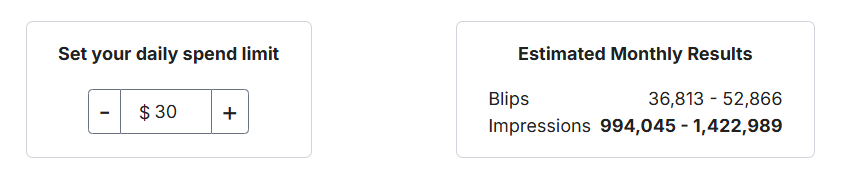
Blip makes billboard advertising in the Oakville area flexible and accessible by using pay-per-play pricing, so you only pay when your ad actually appears. Each “blip” is a 7.5-to-10-second display on a rotating digital billboard serving the Oakville area, with pricing starting at $0.01 per display. Your daily budget guides Blip’s algorithm as it bids for open ad slots, and the cost per blip can vary based on time of day, location, and advertiser demand.
Where can I advertise with Blip near Oakville, Missouri?
Our 15 digital billboards serving the Oakville area are positioned in nearby Imperial, Affton, and St. Louis, all within 10.0 miles of Oakville, which gives us strong reach across the exact routes local drivers already use. The most effective billboard placements serving the Oakville area are the ones that intercept drivers before they peel off into neighborhood streets. We typically think about Oakville-area traffic in three layers: interstate movement, major arterials, and local commercial connectors.
Why are billboards near Oakville effective for local advertising?
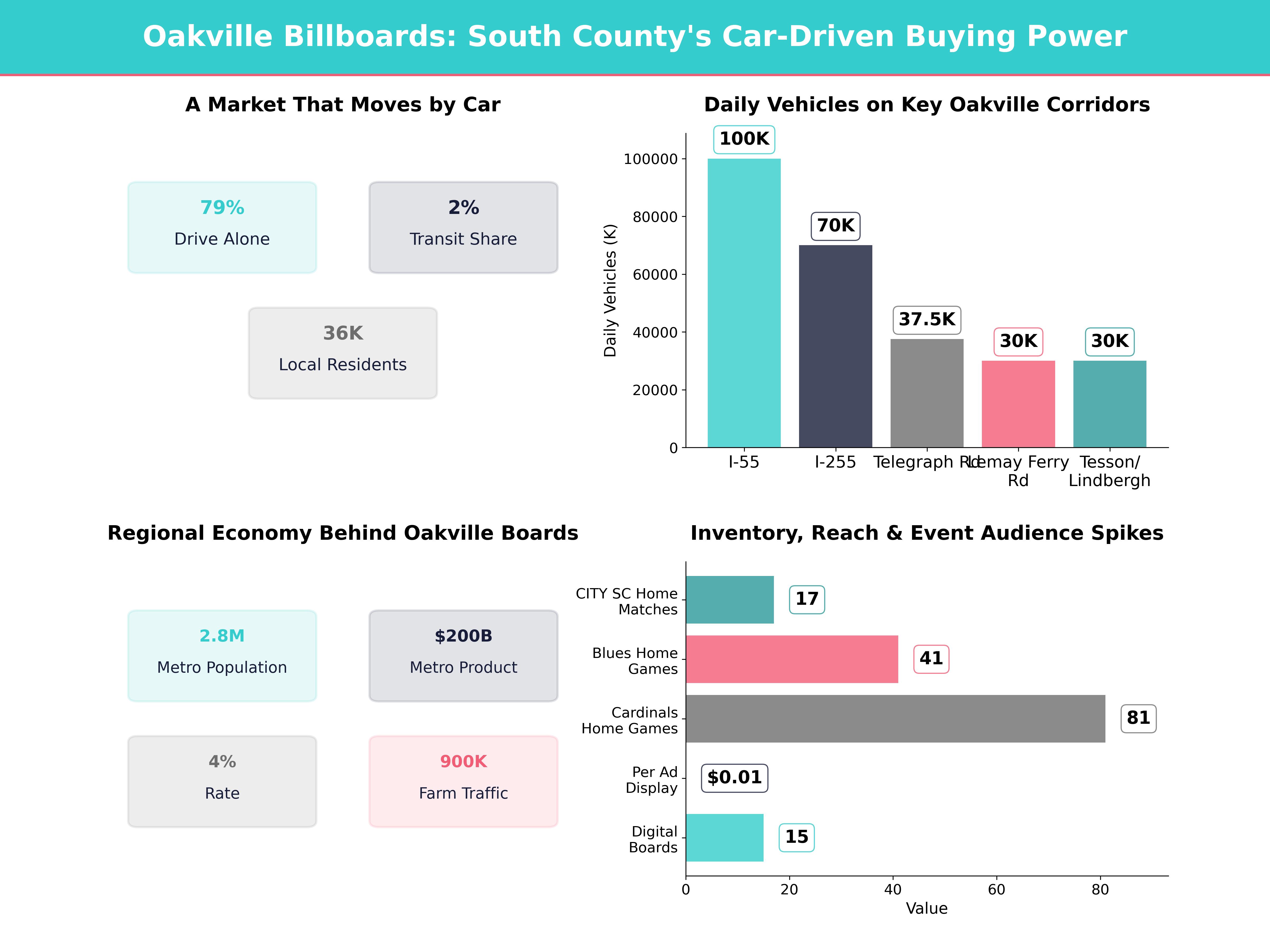
Advertising near Oakville works because the community sits at the crossroads of south St. Louis County, northern Jefferson County, and the wider Greater St. Louis metro. The Oakville area is a highly car-dependent suburban market where roughly 79% of workers drive alone, transit accounts for only about 2% of commuting, and commuters, families, homeowners, and weekend visitors repeatedly travel the same corridors. That matters because the Oakville area is a mature suburban market of roughly 36,000 residents.
What roads get the most traffic for Blip billboard ads in Oakville?
I-55 is the primary north-south spine for the Oakville area, and MoDOT traffic counts on this corridor commonly rise above 100,000 vehicles per day near the I-255 split. Nearby I-255 segments often carry roughly 60,000 to 80,000 vehicles per day, especially where drivers are moving between South County, river crossings, industrial areas, and employment hubs. Telegraph Road and Lemay Ferry Road also serve the market, with many segments typically in the 30,000 to 45,000 and 25,000 to 35,000 vehicles per day ranges.
When is the best time to run billboard ads in Oakville with Blip?
Spring is one of the best seasons for campaigns near Oakville because it combines tax-season decision-making, home-improvement projects, park usage, and the start of the Cardinals schedule. Late July through September is another prime window because family calendars compress, and a district with more than 10,000 students creates visible demand for school apparel, after-school programs, pediatric care, quick dining, tutoring, eyewear, and youth activities. Fall and winter also create opportunities for retail, healthcare, and weather-related services.
Do I need a contract to advertise with Blip near Oakville?
No, Blip has no long-term contracts or minimum commitments. You can start, pause, or stop your campaign at any time.
How fast can I launch a billboard campaign with Blip near Oakville?
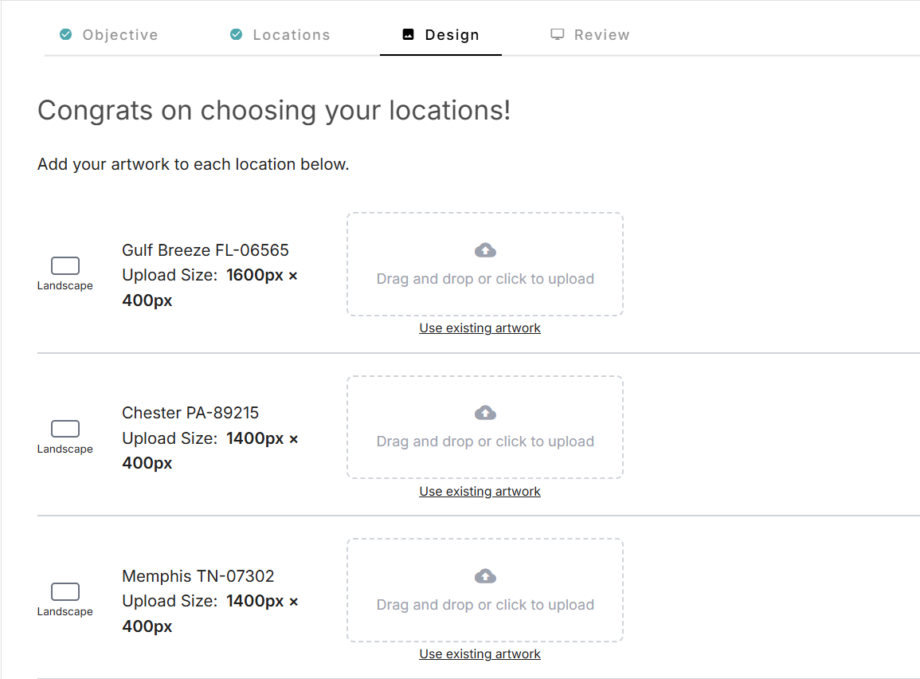
You can have your campaign live in minutes. Create a free account, select your locations, set your budget, upload your design, and start running once approved.
Where can I advertise with Blip near Oakville?
Blip has digital billboards near Oakville. You can browse available locations on a map, choose the ones that fit your audience, and start advertising right away.
Still have questions? Launch a campaign in minutes — no contracts, no commitments.
Start Your CampaignOakville Billboard Advertising Guide
Advertising near Oakville works because the community sits at the crossroads of south St. Louis County Jefferson County 15 digital billboards serving the Oakville area are positioned in nearby Imperial St. Louis, all within 10.0 miles of Oakville, which gives us strong reach across the exact routes local drivers already use. That matters because the Oakville area is a highly car-dependent suburban market where roughly 79% of workers drive alone, transit accounts for only about 2% of commuting, and commuters, families, homeowners, and weekend visitors repeatedly travel the same corridors. When we pair that repeat travel with flexible digital scheduling, we can build billboard campaigns near Oakville that feel timely, local, and efficient.
Oakville area market overview
Population, regional scale, and economic context near Oakville
The Oakville area is a sizable south county residential market of about 36,000 residents, and it sits inside St. Louis County, which had 1,004,125 residents in 2020. Just to the south, Jefferson County added another 226,739 residents, so advertisers near Oakville are not speaking to one isolated suburb. They are speaking to a south metro trade area that feeds into a broader regional economy of roughly 2.8 million people.
That larger metro economy is meaningful for billboard planning because many Oakville-area residents work, shop, study, and seek entertainment across municipal boundaries, with average commute times in St. Louis County generally in the 25- to 27-minute range. Greater St. Louis, Inc. $200 billion in gross metro product, which gives local advertisers access to a deep base of consumers, employers, and service demand. For categories such as healthcare, education, legal services, restaurants, retail, automotive, financial services, and home improvement, the Oakville area benefits from both neighborhood loyalty and regional mobility.
We also like the Oakville area because it is a mature suburban market of roughly 36,000 residents. Many households are established, family-oriented, and used to making recurring purchase decisions close to home. That makes billboard advertising near Oakville especially strong for businesses that depend on repetition rather than one-time novelty.
Commuting patterns that make Oakville-area billboards valuable
Commuting data compiled by the East-West Gateway Council of Governments shows that about 4 out of 5 regional workers drive alone. Transit remains only a small single-digit share of commuting, which means roadside media carries an outsized role in daily visibility. Average commute times in St. Louis County are generally in the mid-20-minute range. That is long enough for drivers to encounter multiple boards on a typical route but short enough that creative still needs to be immediate.
Recent labor updates from the Missouri Economic Research and Information Center have generally kept St. Louis County unemployment around the 4% range. That kind of labor stability supports steady demand for everyday consumer categories, including healthcare appointments, restaurants, school-related services, financial products, home services, and retail purchases. In practical terms, the Oakville area is not just a bedroom community. It is a dependable, drive-first consumer market with consistent exposure opportunities throughout the week.
Key traffic corridors near Oakville
The most effective billboard placements serving the Oakville area are the ones that intercept drivers before they peel off into neighborhood streets. We typically think about Oakville-area traffic in three layers: interstate movement, major arterials, and local commercial connectors.
I-55 and I-255 serving the Oakville area
I-55 is the primary north-south spine for the Oakville area, connecting south county with St. Louis, Arnold, Imperial, and the rest of Jefferson County. MoDOT traffic counts on this corridor commonly rise above 100,000 vehicles per day near the I-255 split, which makes it one of the strongest places to reach commuters, sports fans, service buyers, and cross-county shoppers serving the Oakville area.
I-255 adds another major movement pattern. Nearby segments often carry roughly 60,000 to 80,000 vehicles per day, especially where drivers are moving between South County, river crossings, industrial areas, and employment hubs. For advertisers, that means I-255 is not only a bypass. It is a connector that helps us reach people who may live near Oakville, work elsewhere, and still spend money in the Oakville area on their way home.
When we want broad reach near Oakville, these two interstates are usually the first place we look. They are especially effective for healthcare systems, colleges, large retail brands, entertainment venues, legal services, automotive dealers, and home-service companies with wide service areas.
Telegraph Road and Lemay Ferry Road near Oakville
Telegraph Road functions as a local retail and service corridor for the Oakville area, with many segments typically in the 30,000 to 45,000 vehicles per day range. Lemay Ferry Road serves a similar role on the west side of the market and frequently handles about 25,000 to 35,000 vehicles per day, depending on the segment.
These are not merely pass-through roads. They are decision corridors. Drivers use them to choose grocery stores, quick-service restaurants, urgent care providers, banks, pharmacies, gyms, and home-service vendors. Because of that, we often like these corridors for campaigns with a clear call to action, such as “Book today,” “Next exit,” “Now open,” or “South County location.”
The Telegraph and Lemay Ferry corridors also help reinforce what drivers already saw on the interstates. That layered exposure is especially useful near Oakville because many purchase decisions happen after people leave the highway and enter familiar shopping patterns.
Tesson Ferry, Lindbergh, and local commercial connectors serving Oakville
Tesson Ferry Road and Lindbergh Boulevard extend the reach of campaigns serving the Oakville area because they connect residential neighborhoods to schools, medical offices, shopping centers, and service providers. On many nearby stretches, these arterials move about 20,000 to 40,000 vehicles per day.
We use these roads strategically when a business depends on local frequency. A family dentist, an HVAC company, a youth sports program, or a neighborhood restaurant may not need maximum metro-wide reach. That business usually needs consistent visibility among Oakville-area residents who make the same errands every week. These commercial connectors help deliver exactly that kind of repeat exposure.
Audience segments we can reach near Oakville
The Oakville area is strongest when we think in terms of overlapping audiences rather than one generic suburban consumer. Billboards near Oakville can reach commuters, families, recreation seekers, students, and event-driven traffic, often on the same network of roads.
Commuters and daily service buyers in the Oakville area
Commuters are the largest audience near Oakville because driving dominates local travel. When about 79% of workers drive alone, and I-55 alone can exceed 100,000 daily vehicles on nearby segments, categories tied to practical needs tend to perform well.
That includes healthcare, legal help, insurance, banking, fast casual dining, fuel, convenience retail, auto service, and home repair. We usually recommend commuter-focused creative that does three things quickly. It names the brand, states the offer or category, and gives one easy next step. The Oakville area is full of drivers who already know the roads. They do not need a long explanation. They need a reason to remember us on the next exit or later that evening.
Families and school-centered households serving the Oakville area
The Mehlville School District is one of the clearest indicators of family density in the Oakville area because it serves more than 10,000 students across about 18 square miles in south St. Louis County. That school-centered rhythm creates reliable advertising windows around August back-to-school shopping, fall sports, winter activities, spring events, and summer family planning.
That audience matters for more than education advertisers. Pediatric care, orthodontics, tutoring, family restaurants, recreation programs, churches, grocery brands, and home-service companies all benefit from staying visible to parent decision-makers. The strongest messages near Oakville often acknowledge real family logistics, including convenience, price, scheduling, and proximity.
Outdoor recreation and weekend visitors near Oakville
Weekend traffic serving the Oakville area is boosted by major recreation assets managed by St. Louis County Parks Missouri State Parks. Cliff Cave County Park 525 acres, Jefferson Barracks Park 426 acres, Suson Park 98 acres, and Grant’s Trail 7.9 miles. Nearby Mastodon State Historic Site 431 acres in Jefferson County.
Just west of the Oakville area, Grant’s Farm welcomes more than 900,000 visitors each year. That is a powerful reminder that south county traffic is not only commuter traffic. It is also leisure traffic, family traffic, and day-trip traffic. Restaurants, entertainment brands, family attractions, local retailers, and convenience-oriented services can all benefit from that weekend movement.
Students, sports fans, and citybound audiences near Oakville
The broader metro adds younger and event-driven audiences that still travel through routes serving the Oakville area. Washington University in St. Louis, Saint Louis University, and University of Missouri–St. Louis together enroll well over 45,000 students. Even when those campuses are not in the immediate Oakville trade area, their students circulate throughout the region for housing, dining, internships, entertainment, and weekend activities.
Sports are another major driver. The St. Louis Cardinals play 81 regular-season home games, the St. Louis Blues play 41 regular-season home games, and St. Louis CITY SC plays 17 MLS regular-season home matches. That steady event calendar keeps evening and weekend traffic active between south county and the urban core, which gives billboard campaigns near Oakville additional visibility beyond the workday.
Seasonal and timing opportunities for the Oakville area
Timing matters near Oakville because the same roads serve different audiences at different times of year. We can improve performance by matching campaign windows to school rhythms, recreation patterns, sports schedules, and weather-driven needs.
Spring and early summer campaigns serving Oakville
Spring is one of the best seasons for campaigns near Oakville because it combines tax-season decision-making, home-improvement projects, park usage, and the start of the Cardinals schedule. From March through June, we often see strong opportunities for roofing, landscaping, lawn care, patios, outdoor retail, urgent care, and family-fun categories.
This is also a smart season for tourism-adjacent advertising. Grant’s Farm, county parks, and Mastodon State Historic Site all benefit from warmer weather and school breaks. If we are promoting restaurants, attractions, events, or retail with outdoor relevance, spring and early summer give us both weekday commuters and weekend leisure traffic.
Late summer and back-to-school timing near Oakville
Late July through September is another prime window because family calendars compress. A district with more than 10,000 students creates visible demand for school apparel, after-school programs, pediatric care, quick dining, tutoring, eyewear, and youth activities.
We like to tighten dayparting during morning commute periods, late afternoons, and early evenings during this season. Those are the moments when parents are balancing school, work, errands, and extracurricular schedules. In the Oakville area, convenience wins a lot of buying decisions during back-to-school season.
Fall, holidays, and winter advertising near Oakville
Fall campaigns serving the Oakville area do well when they acknowledge football weekends, cooler-weather outings, and early holiday shopping. Retailers, entertainment brands, and local restaurants can also align creative with the Blues’ 41-game home schedule and the downtown event calendar promoted by Explore St. Louis
Winter favors categories that solve immediate needs, including healthcare, urgent care, tires, HVAC, battery service, delivery-friendly food, and insurance. Because digital boards can be updated quickly, we can change creative around cold snaps, snow, or heavy rain instead of waiting through a static production cycle. That flexibility is valuable near Oakville because weather changes still affect high-volume driving even when daily routines continue.
Billboard design tips for the Oakville market
Creative near Oakville should respect the way south county drivers actually move. This is a practical, familiar-road market, so clarity usually beats complexity.
Keep Oakville-area messaging directional and useful
Drivers serving the Oakville area are usually navigating known routes at speed, so practical language outperforms abstract branding. We recommend headlines of about 6 to 8 words, large type, and one obvious takeaway, such as a price point, a location cue, or a single call to action.
References like “South County,” “Telegraph,” “I-55,” “near Grant’s Farm,” or “next exit” feel more relevant than generic metro-wide copy. Those cues match the way Oakville-area residents orient themselves geographically, and they help make the ad feel immediate rather than distant.
Use imagery that matches south county life near Oakville
The Oakville area is not a neon-heavy entertainment district. It is a suburban market shaped by parks, school events, youth sports, homeownership, churches, family errands, and weekend recreation. We usually see stronger response when creative uses clean contrast, trustworthy photography, bold color blocks, and recognizable local references.
That does not mean every ad needs a scenic image. It means the overall tone should feel grounded and approachable. For many brands, that translates to simple layouts, strong color contrast for Missouri’s gray winter skies and bright summer sun, and imagery that feels at home in south county rather than copied from a downtown nightlife campaign.
Match the creative to the route and trip purpose
Highway boards near I-55 and I-255 should emphasize brand name, category, and one fast action because drivers may only give us 7.5 to 10 seconds of attention as the ad rotates. Boards closer to retail corridors can support a little more detail, especially when the goal is a sale date, a neighborhood-specific offer, or a directional cue.
If a campaign has multiple audiences, we often rotate at least 2 versions of creative. One version can speak to weekday commuters, and another can speak to weekend families or event traffic. That approach works especially well near Oakville because the same roadway can carry very different motivations depending on the hour and day.
Regional strategies serving the Oakville area
Because our billboard inventory serving Oakville is spread across nearby cities, we can build regional coverage instead of relying on a single approach. That lets us align location strategy with actual consumer behavior.
Affton and inner south county strategies near Oakville
Our boards near the Affton side of south county, about 7.2 miles from Oakville, are useful when we want to intercept routine retail and service traffic before people disperse deeper into neighborhood streets. This zone is strong for healthcare, financial services, restaurants, legal advertising, home services, and local education campaigns because it reaches drivers on functional trips.
We especially like this area for weekday frequency and for campaigns tied to Telegraph Road, Lemay Ferry Road, Tesson Ferry Road, and the South County Center trade area. If the goal is repeated visibility among south county households, this zone often plays a central role.
Imperial and the I-55 south approach serving Oakville
Our Imperial boards sit about 5.6 miles from Oakville and help us capture the southbound and northbound I-55 audience moving between south St. Louis County and Jefferson County. That matters because Jefferson County contributes more than 226,000 residents to the wider trade area, including commuters, shoppers, and recreation travelers.
This zone is particularly effective for regional retail, destination dining, automotive, casinos, entertainment venues, and any advertiser that wants to catch drivers before they make a route choice farther north. It is also a smart place for brands that serve both county populations rather than only one neighborhood.
St. Louis and urban-core reach for the Oakville area
Our St. Louis boards, about 9.9 miles from Oakville, extend reach to workers, students, sports fans, and event traffic moving between the urban core and south county. We use this zone when a business depends on broader awareness, such as hospitals, universities, event venues, downtown attractions, or brands expanding beyond a single suburb.
In practical terms, these boards help us serve the Oakville area while also speaking to the part of the audience that spends weekdays downtown and evenings or weekends in south county. That is an important distinction because many Oakville-area consumers do not live and spend exclusively in one municipality.
How we combine Oakville-area regions for better coverage
The best plans usually do not rely on one board. We often build a layered approach with highway reach from Imperial, weekday repetition from the Affton corridor, and metro-scale awareness from St. Louis. Because we have 15 nearby digital boards serving the Oakville area, we can scale from a tight 2- or 3-board local test to a broader multi-zone campaign without rebuilding the strategy from scratch.
Blip tools and capabilities for Oakville-area campaigns
Blip works especially well near Oakville because the market is driven by route timing, repeat travel, and audience overlap. We can use the platform’s flexibility to match local traffic behavior instead of forcing every campaign into a fixed billboard buy.
How we use Blip’s features near Oakville
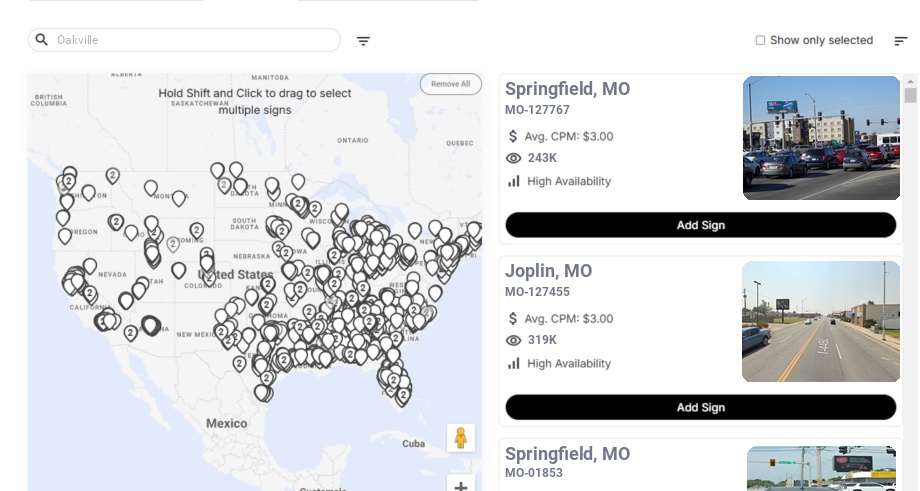
- We can select individual digital billboards on a map across the 15 locations serving the Oakville area, which makes it easy to focus on the exact corridors that fit our audience.
- We can daypart around local behavior, including morning commute windows such as 6:00 a.m. to 9:00 a.m., lunchtime bursts, and afternoon return-home windows such as 3:00 p.m. to 7:00 p.m.
- We can test multiple corridors without committing to a static, all-or-nothing buy because pricing starts at $0.01 per display and we only pay when the ad runs.
- We can rotate creative quickly, which is useful when we want one message for weekday commuters and another for weekend recreation traffic.
- We can react to seasonality, including Cardinals opening week, back-to-school periods, and winter weather, without waiting through a traditional production cycle.
- We can watch real-time analytics and shift spend toward the Oakville-area boards and times that are producing the best delivery.
The key advantage is not just flexibility for its own sake. The advantage is that Oakville-area traffic is variable by route and time, so adaptable tools usually outperform rigid billboard planning.
Getting started with billboard rental near Oakville
Renting a billboard near Oakville should begin with strategy, not just availability. The strongest results come from matching board location, timing, and creative to a real business goal.
Step 1: Define the Oakville-area audience we want to reach
We first decide whether the campaign is trying to reach commuters, local families, weekend visitors, regional shoppers, or a blend of those audiences. A family dentist, for example, may care most about Mehlville-area frequency and after-school visibility. A casino, university, or large healthcare brand may need broader reach across Imperial, south county, and St. Louis.
When we define the audience clearly, location choices become much easier. We know whether to prioritize interstates, retail corridors, or multi-zone coverage.
Step 2: Evaluate which billboard locations fit the goal near Oakville
When we evaluate Oakville-area billboard options, we usually look at five things.
- We look at route type, because an interstate board and an arterial board often serve different goals.
- We look at traffic direction, because morning northbound patterns and evening southbound patterns can imply different audiences.
- We look at decision timing, because boards placed before exits or major intersections can influence immediate action.
- We look at surrounding land use, because a board near shopping, schools, or recreation may support more local-intent behavior.
- We look at how one board works with another, because frequency across 2 to 4 well-matched locations often beats a scattered buy.
For many advertisers, a 14-day test across a small set of boards is a smart starting point. That gives us enough time to compare delivery, refine creative, and decide whether to expand.
Step 3: Launch, measure, and adjust without traditional billboard friction
Traditional billboard rentals often involve slower negotiations, less flexibility, and longer commitment structures. Digital buying through Blip is simpler because we can choose boards ourselves, set a daily budget, upload creative, and make changes whenever the strategy needs to shift.
That matters near Oakville because this is a market where timing really affects performance. A home-services brand may want more weight during storm season. A restaurant may care most about Thursday through Saturday evenings. A healthcare provider may want weekday commute dominance. With Blip, we can make those adjustments without restarting the entire campaign.
If we are getting started with billboard rental near Oakville, we usually recommend beginning with a focused objective, a small but intentional board mix, and creative tailored to the local routes people actually drive. From there, we can use delivery data and seasonal insights to expand confidently across the Oakville-area market.