Billboards in Broomfield, CO
No Minimum Spend. No Long-Term Contracts. Just Results.
Trusted by Leading Brands


Billboard advertising
in Broomfield has never been easier

How much is a billboard in Broomfield?
Why Choose Blip for Billboard Advertising in Broomfield
-
Blip lets you launch Broomfield billboards in minutes, reaching US-36 and I-25 commuters without the usual setup hassle.
-
Set flexible budgets in Broomfield and pay only for the blips you want, ideal for testing high-income north-metro traffic.
-
Daypart Broomfield ads for the 6:30-9 a.m. and 4-6:30 p.m. peaks to catch daily commuters on US-36 and I-25.
-
No contracts means you can run Broomfield campaigns around FlatIron Crossing shopping, 1STBANK Center events, or ski-weekend traffic.
-
Use Blip's real-time analytics and creative tools to swap ads fast for Broomfield's season shifts, from back-to-school to holiday retail.
Frequently Asked Questions About Billboard Advertising in Broomfield
How much does a billboard cost near Broomfield, Colorado with Blip?
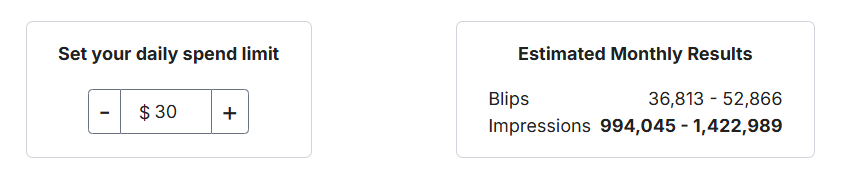
With Blip, you control exactly how much you spend on Broomfield billboards by setting your own daily budget while reaching drivers in the Broomfield area. Each “blip” is a brief 7.5–10 second ad on digital billboards near Broomfield, Colorado, and you only pay for the individual blips you receive. Pricing for each blip changes based on when and where you choose to advertise and on advertiser demand, so you can run flexible campaigns that fit any budget.
Where are Blip billboards near Broomfield, Colorado located?
Our three digital billboards serving the Broomfield area are located in Northglenn, about 6 miles from Broomfield. These boards primarily capture traffic on and near I‑25, one of Colorado’s busiest north–south arteries, which links the north‑metro communities to downtown Denver and beyond. For businesses comparing billboards near Broomfield, these locations combine heavy daily traffic with convenient access from Broomfield neighborhoods and employment centers.
Who can I reach with Blip billboards in Broomfield, Colorado?
With three digital billboards serving the Broomfield area from nearby Northglenn, we can help brands tap into a high‑income, commuter‑heavy audience that’s constantly on the move between home, work, shopping, and recreation. Broomfield has a median household income around $115,000–$120,000, and a significant share of workers commute by car, truck, or van. This makes the area a strong fit for time‑pressed professionals, affluent families, shoppers, and eventgoers.
When should I run a billboard campaign in Broomfield, Colorado with Blip?
Blip allows you to buy individual “blips” and target specific times of day and days of the week, which is crucial around Broomfield’s commute‑driven patterns. Morning commute hours from 6:30–9:00 a.m. and evening commute hours from 4:00–6:30 p.m. are especially strong, and weekends are often better for shopping, dining, recreation, and family activities. With Blip, you can skew your budget toward the top 20–30% of hours that matter most to your audience.
What kind of traffic do Broomfield, Colorado billboards see?
Broomfield sits at the heart of the busy US‑36 corridor between Denver and Boulder, with quick access to I‑25 and the entire north‑metro region. Key stretches of I‑25 between Denver and the northern suburbs often carry 150,000–190,000 vehicles per day on the busiest segments, while US‑36 near Broomfield carries around 80,000–100,000 vehicles per day. Major arterials feeding Broomfield retail and employment areas also see tens of thousands of vehicles per day, creating steady exposure for advertisers.
Do I need a contract to advertise with Blip in Broomfield?
No, Blip has no long-term contracts or minimum commitments. You can start, pause, or stop your campaign at any time.
How fast can I launch a billboard campaign with Blip in Broomfield?
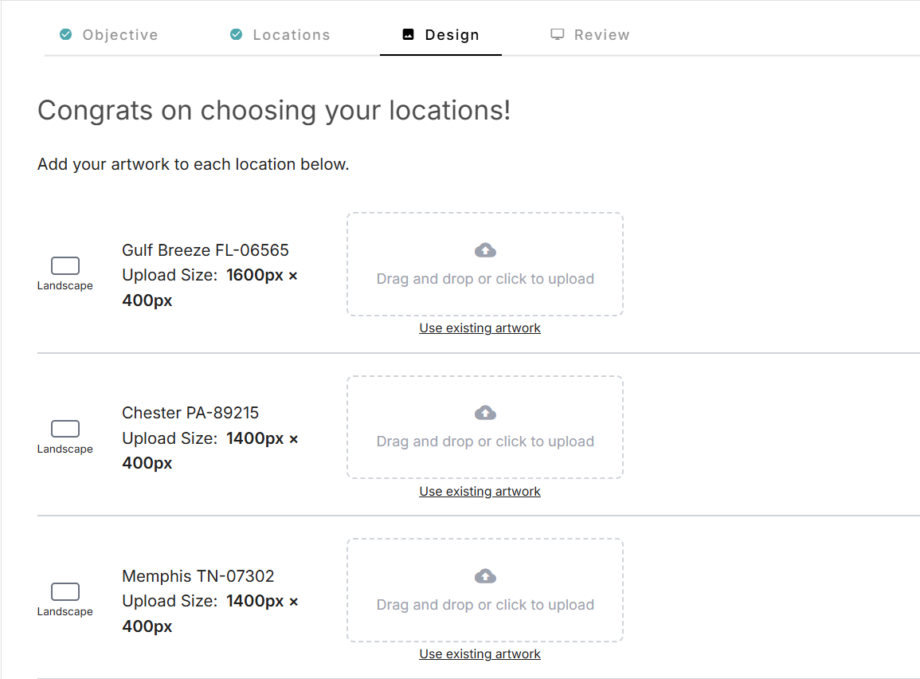
You can have your campaign live in minutes. Create a free account, select your locations, set your budget, upload your design, and start running once approved.
Where can I advertise with Blip in Broomfield?
Blip has digital billboards in Broomfield. You can browse available locations on a map, choose the ones that fit your audience, and start advertising right away.
Still have questions? Launch a campaign in minutes — no contracts, no commitments.
Start Your CampaignBroomfield Billboard Advertising Guide
Broomfield sits at the heart of the busy US‑36 corridor between Denver and Boulder, with quick access to I‑25 and the entire north‑metro region. With three digital billboards serving the Broomfield area from nearby Northglenn, we can help brands tap into a high‑income, commuter‑heavy audience that’s constantly on the move between home, work, shopping, and recreation. For advertisers searching for billboards near Broomfield that can reach both local residents and regional travelers, these locations offer an efficient, high‑visibility option.

Understanding the Broomfield Market
Broomfield is both a city and county, which means local decision‑making is relatively centralized and well‑documented through the City and County of Broomfield. For advertisers, a few numbers matter right away:
- Population: About 76,000–77,000 residents in recent estimates, up from roughly 59,000 residents in 2010—growth of about 30% in just over a decade, outpacing Colorado’s statewide growth of roughly 15% over a similar period.
- Household income: Median household income is around $115,000–$120,000, roughly 30–35% higher than the overall Colorado median and close to 60–70% higher than the U.S. median. More than 40% of households are estimated to earn $150,000+, and a substantial share of households own 2 or more vehicles, supporting categories like higher‑end retail, financial services, home improvement, vehicles, and B2B services.
- Education: Roughly 60–65% of adults 25+ hold a bachelor’s degree or higher, versus around 45% statewide. Graduate and professional degrees are also common, with about 1 in 4 adults holding an advanced degree. This aligns well with tech services, professional training, healthcare, and sophisticated B2B offerings.
- Housing and tenure: Around 60–65% of occupied housing units are owner‑occupied, reflecting a stable base of long‑term residents, while 35–40% renters provide turnover and fresh demand for moving services, housing, and retail. The median home value in Broomfield now sits in the $600,000–$650,000 range, indicating strong purchasing power.
- Commuting patterns: A significant share of workers—often 70%+—commute by car, truck, or van. Many travel 20–35 minutes each way, with thousands of Broomfield residents commuting daily toward Denver, Boulder, and the Interlocken business park, primarily using US‑36 and I‑25. A smaller but important share uses regional transit like the Regional Transportation District (RTD) Flatiron Flyer bus on US‑36.
Broomfield’s business environment—highlighted by companies at Interlocken and nearby office parks—is supported by organizations such as the Broomfield Chamber of Commerce. The city is home to or adjacent to major employers in technology, telecom, aerospace, healthcare, and advanced manufacturing, contributing to low unemployment rates that typically track around 2–3% in strong years, consistently below national averages. Its position between urban and mountain attractions (like those featured by Visit Broomfield
Recreation and amenities data underscore this quality‑of‑life focus:
- The Broomfield Parks, Recreation and Senior Services 8,000+ acres of open space and parks, multiple recreation centers, and an extensive trail network connecting to regional systems.
- Events at the 1STBANK Center several hundred to 6,000+ attendees per event, funneling more visitors through nearby highways and arterials.
For advertisers, this means:
- You’re reaching time‑pressed, car‑reliant professionals and families who respond well to clear, high‑value offers.
- The audience is tech‑savvy and research‑oriented—home broadband adoption and smartphone usage are high—so billboards should often direct people to search, visit a URL, or scan a QR code for details.
- With household spending on retail, dining, travel, and services often 10–20% above national averages in similar high‑income suburbs, there is strong capacity to respond to compelling offers. Well‑planned Broomfield billboards can translate this spending power into measurable store visits, online leads, and appointments.
Key Travel Corridors and Where Our Boards Sit
Our three digital billboards serving the Broomfield area are located in Northglenn, about 6 miles from Broomfield. These boards primarily capture traffic on and near I‑25, one of Colorado’s busiest north–south arteries, which links the north‑metro communities to downtown Denver and beyond. For businesses comparing billboards near Broomfield, these locations combine heavy daily traffic with convenient access from Broomfield neighborhoods and employment centers.
Based on data from the Colorado Department of Transportation (CDOT), key segments of I‑25 between Denver and the northern suburbs often carry:
- 150,000–190,000 vehicles per day on the busiest stretches between US‑36 and 120th/136th avenues.
- Weekday morning peaks (about 6:30–9:00 a.m.) where speeds can drop significantly due to volumes often hitting 2–3 times off‑peak hourly traffic.
- Evening peaks (roughly 4:00–6:30 p.m.) that mirror morning congestion as commuters head back toward Broomfield, Westminster, Thornton, and north‑metro communities.
In addition to I‑25:
- US‑36 between Denver and Boulder carries in the range of 80,000–100,000 vehicles per day near Broomfield, according to corridor summaries often referenced by regional planning agencies and RTD.
- Major arterials that feed Broomfield retail and employment areas—such as Wadsworth Parkway, 120th Avenue, and CO‑128—see tens of thousands of vehicles per day, driving steady exposure for brands with regional catchment areas.
Positioned just to the east of Broomfield, these Northglenn boards are highly effective for:
- Reaching Broomfield residents traveling south or north on I‑25 for work, shopping, sports, or events. Many Broomfield residents regularly visit Thornton, Northglenn, and central Denver, particularly on weekdays and for weekend shopping.
- Capturing regional traffic coming from Greeley, Loveland, Fort Collins, and other northern communities heading toward downtown Denver, the Denver International Airport
- Connecting with shoppers headed to major retail hubs such as FlatIron Crossing, which hosts 200+ stores and restaurants and reports millions of visits per year, and other centers accessed via CO‑128, US‑36, and neighboring arterials.
By combining these placements with Blip’s flexible scheduling, we can concentrate impressions at the times when Broomfield‑area drivers are most likely to see your message, increasing the effective frequency of exposures among the tens of thousands of daily commuters who regularly traverse this part of the north‑metro area. This makes digital billboard advertising near Broomfield a practical option not only for large regional brands but also for local businesses that want targeted reach without committing to a long‑term static board.
Audience Segments to Target Near Broomfield
Because the Broomfield area draws different types of travelers, tailoring your message to the primary segment you care about is crucial. Key groups include:
1. Commuting professionals
- Many residents hold white‑collar jobs in tech, aerospace, healthcare, finance, and professional services. Nearby employment hubs include Interlocken, US‑36 tech campuses, and offices in downtown Denver and Boulder.
- In comparable north‑metro suburbs, it’s common for 50–60% of employed residents to work in management, professional, and related occupations, with a large share commuting 15–30 miles.
- They are frequently on I‑25 and US‑36, commuting to office campuses and downtown Denver, often 5 days per week, which can translate to 400–500+ billboard exposures per commuter per year with consistent scheduling.
- Effective categories: business services, coworking, recruiting, higher education, software, professional certifications, and financial services (banks, credit unions, investment advisory, tax planning).
2. Affluent families
- Higher median incomes and strong school districts draw families who value education, youth activities, health, and home upgrades. Local schools in and around Broomfield enroll thousands of K–12 students across multiple districts, as listed by Broomfield‑area school districts.
- In similar high‑income suburban markets, households with children under 18 often represent 30–40% of all households, creating sustained demand for pediatric healthcare, family entertainment, tutoring, and after‑school activities.
- They often travel to regional shopping, kids’ sports, and family entertainment multiple times per week. Youth sports leagues and recreation programs managed by Broomfield Parks, Recreation and Senior Services thousands of participants annually, generating repeated travel across main corridors.
- Effective categories: private schools, tutoring, pediatric and dental care, family attractions, home remodeling, vehicles (especially SUVs and minivans), insurance, and family‑oriented financial planning.
3. Shoppers and leisure travelers
- Broomfield’s retail destinations (such as FlatIron Crossing and various power centers) attract visitors from the surrounding north‑metro region. Large regional malls of this scale typically draw millions of shopper visits annually, many arriving via I‑25, US‑36, and 120th Avenue.
- Local tourism and leisure data from outlets like Visit Broomfield Broomfield Enterprise coverage highlight consistent traffic to parks, golf courses, events, and dining districts throughout the year.
- The area’s proximity to Denver and Boulder means visitors combine shopping, dining, and outdoor recreation—day‑trippers who may pass your billboard 2–4 times per outing (out‑and‑back trips on the same corridors).
- Effective categories: restaurants, malls, outlet stores, breweries and taprooms, family entertainment venues, tourism, and local attractions.
4. Sports and event fans
- Residents follow regional coverage from outlets like 9NEWS Denver, the Denver Post’s Broomfield coverage, and local community papers such as the Broomfield Enterprise.
- They drive to Broncos, Nuggets, Avalanche, Rockies, and CU Boulder games, plus regional concerts and festivals. NFL and major college football home games routinely draw 60,000–75,000 fans, while NBA and NHL games see 15,000–20,000 attendees—many of whom travel on I‑25 before and after events.
- Special events at venues in and around Broomfield (including the 1STBANK Center several thousand additional vehicles over a few hours, amplifying exposure for event‑aligned campaigns.
- Effective categories: sports bars, fan gear, sports betting (where compliant), rideshare and transit, parking services, and event‑based promotions.
When planning, we recommend choosing one primary audience per creative to keep your message focused and relevant, then using Blip’s scheduling flexibility to align with when that audience is most likely to be on I‑25 or US‑36. This approach helps ensure that Broomfield billboards deliver meaningful impressions to the customers most likely to respond.
Creative Strategies That Resonate Near Broomfield
The Broomfield area’s demographics and travel patterns point to specific best practices for artwork and copy.
1. Emphasize clarity and speed
At freeway speeds, drivers have roughly 3–6 seconds to absorb a message. Numerous out‑of‑home effectiveness studies indicate that:
- Messages with 7 words or fewer of main headline text can improve recall rates by 20–30% compared with more crowded designs.
- Limiting to 1 key idea per creative (e.g., “Free Pickup in Broomfield” or “Enroll by Sept 30 – 50% Off First Month”) reduces cognitive load and helps your message stick.
- Choosing high‑contrast color combinations—for example, dark text on a light background or vice versa—can improve legibility at distance by up to 50%, particularly in low‑light or adverse weather conditions common during winter commutes.
2. Speak to value, not just awareness
Given the area’s high incomes and education levels, residents respond well to specific value propositions supported by numbers:
- “Save up to 30% on auto insurance near Broomfield.”
- “New luxury townhomes from the $600s.”
- “Same‑day urgent care – Check in online in under 2 minutes.”
- “Join for $1 to start – Limited‑time fitness offer.”
Marketing research consistently shows that including concrete figures (percentages, dollar amounts, time savings) can increase perceived credibility and response intent by 10–25% compared with vague statements like “big savings” or “great value.”
3. Localize your message
Even though our boards are physically in Northglenn, make it clear you are serving the Broomfield area:
- Use phrases like “serving the Broomfield area”, “minutes from Broomfield,” “near US‑36 & Wadsworth,” or “off I‑25 – short drive from Broomfield.”
- Include recognizable anchors: “by FlatIron Crossing,” “near Interlocken,” or “off I‑25 & 120th.”
- Consider mentioning local neighborhoods or landmarks featured on Visit Broomfield Broomfield Enterprise stories.
This reassures drivers that your location or service is both relevant and convenient, increasing the likelihood they’ll remember and act. Local reference points can lift ad relevance and recall by 10–15% in many out‑of‑home studies, and they help position your creative as true billboard advertising near Broomfield rather than generic regional messaging.
4. Align visuals with local lifestyle
Broomfield‑area residents value quality of life, outdoor recreation, and family time:
- Use imagery of mountain backdrops, cycling, hiking, family outings, and modern workspaces to match the lifestyle promoted by City and County of Broomfield and local tourism materials.
- For tech or B2B services, clean, minimalist visuals and professional photography align with the local business culture shaped by nearby tech and corporate campuses.
- For family‑focused offerings, show real people (parents, kids, multi‑generational families) instead of generic stock icons. Ads featuring people’s faces typically deliver higher emotional engagement and can improve brand recall by 15–20%.
5. Make it easy to act later
Drivers cannot always respond immediately:
- Include a short URL (e.g., BrandCO.com/Broomfield). Short, branded URLs are up to 2–3x more likely to be remembered than long, complex ones.
- Use a simple keyword + search prompt: “Search ‘Broomfield Solar Quote’.” Many consumers prefer to search instead of typing URLs, and search‑driven follow‑up is particularly strong in tech‑savvy markets.
- Consider a large, scannable QR code positioned on one side; this works well at slower traffic points and during congestion on I‑25. Adoption of QR code scanning in everyday life has surged in recent years, and campaigns report scan‑through rates that can rival or exceed direct‑URL visits when traffic is slow or stopped.
Smart Scheduling and Dayparting for the Broomfield Area
Blip allows you to buy individual “blips” (ad plays) and target specific times of day and days of the week, which is crucial around Broomfield’s commute‑driven patterns.
Traffic and commuting data for the north‑metro area show:
- AM peak volumes can be 40–60% higher than mid‑day off‑peak periods.
- PM peaks often last slightly longer, generating repeated exposures as congestion builds.
Use these patterns to stretch your budget.
Weekday strategies
-
Morning commute (6:30–9:00 a.m.)
Ideal for:- Coffee, breakfast, news, and podcast promotions.
- Traffic, weather, and productivity tools.
- B2B services reminding professionals to act when they reach the office.
- Education and training programs encouraging online sign‑ups during lunch or after work.
-
Midday (11:00 a.m.–2:00 p.m.)
Ideal for:- Lunch spots, medical appointments, and personal errands—healthcare providers often see appointment inquiries spike around mid‑day on weekdays.
- Retail and grocery reminders—“Pick this up on the way home.”
- Services that benefit from flexible schedules (gyms, salons, pet care).
-
Evening commute (4:00–6:30 p.m.)
Ideal for:- Restaurants, grocery, fitness centers, and after‑school activities, as families plan their evening while in the car.
- Family‑oriented services and promotions activated after work.
- Entertainment and sports viewing (“Tonight’s game at 7:00 p.m.”). Game nights and event days can see notable volume bumps on I‑25 in late afternoon and early evening.
Weekend strategies
Weekends often show more discretionary travel—shopping, dining, recreation—versus the fixed commute patterns of weekdays.
- Fridays: Focus on weekend events, dining, entertainment, and retail. Highlight time‑sensitive offers (“This weekend only”). Many consumers make weekend plans Friday during the workday or commute home, so emphasizing urgency can increase response.
- Saturdays: Strong for home improvement, automotive, family entertainment, and shopping as residents move between home, stores, and activities. Auto dealerships, furniture stores, and big‑box retailers frequently see their highest traffic on Saturdays.
- Sundays: Good for financial services, education, faith communities, and health/wellness as people plan their week. Ads for Monday‑through‑Friday services (like clinics, offices, or schools) often see more engagement when promoted on Sundays.
With Blip, we can skew your budget heavily toward the top 20–30% of hours that matter most to your audience, rather than paying for a blanket schedule. This can effectively reduce your cost per meaningful impression by 20–40% compared with an always‑on schedule that includes low‑traffic hours, and it makes short‑term billboard rental near Broomfield more affordable for businesses that want to test or seasonally adjust their campaigns.
Seasonal and Event‑Based Opportunities
The Broomfield area has a strong community calendar and seasonal rhythms that you can align with.
1. Back‑to‑school and academic cycles
Broomfield’s schools and nearby universities drive predictable spikes in spending and travel:
- Late July–September: Prime for back‑to‑school retail, tutoring, extracurricular programs, and healthcare (eye exams, dental, sports physicals). Districts listed on the Broomfield‑area school districts page collectively serve tens of thousands of students, all of whom need supplies, clothing, and services each year.
- January: New semester promotions for colleges, training programs, and test prep. Adults often look for continuing education or career upgrades after the holidays.
Coordinate campaigns around local school calendars and big academic dates; for example, advertising 2–4 weeks before the first day of school or major enrollment deadlines can capture families when they are actively making decisions.
2. Holiday and shopping seasons
-
November–December: Peak retail and gifting period. Many retailers in regional centers like FlatIron Crossing and nearby power centers can see sales volumes increase 30–50% versus average months.
- Use billboards serving the Broomfield area to push gift cards, local experiences, and big‑ticket items (jewelry, electronics, cars).
- Emphasize “Buy online, pick up near Broomfield” messages for omnichannel retailers—curbside pick‑up use surged in recent years and remains a preferred option for many suburban households.
- Pre‑holiday weeks: Emphasize ease and time savings for your offer—“Skip the mall traffic,” “Curbside pickup in 2 hours,” etc. Convenience‑focused messaging resonates with dual‑income households and commuters with limited free time.
3. Outdoor and recreation seasons
Broomfield’s extensive open space system and regional trail connections support strong outdoor participation:
- Spring and summer: Home services (landscaping, roofing, solar, exterior painting), recreation (bikes, camping, golf), and day trips. Local golf courses, parks, and trailheads see noticeable spikes in usage as temperatures rise, and weekend park visitation can climb by 50%+ over winter levels.
- Fall: Winterization services, HVAC checks, and snow‑sport–related advertising. As high‑country ski resorts open, traffic on I‑25 and connecting routes to I‑70 builds on Friday afternoons and weekends, creating opportunities for ski shops, winter apparel, and vehicle services.
Because the Broomfield area has many outdoor enthusiasts, pairing seasonal visuals (mountains, trails, patios) with timely offers resonates strongly. Campaigns that change creative with the season can keep your message feeling fresh and relevant.
4. Local events and community traditions
Keep an eye on:
- Community events and festivals listed on the City and County of Broomfield events calendar, which includes cultural festivals, concerts, and family activities that can draw anywhere from hundreds to several thousand attendees.
- Neighborhood and school events, parades, and charity runs highlighted by local news outlets such as Broomfield Enterprise and regional broadcasters like 9NEWS Denver.
With Blip, we can:
- Run short, intense bursts of impressions during the 2–3 weeks leading up to a specific event—ideal for ticket sales, registrations, or limited‑time offers.
- Swap creatives quickly—for example, “Early Bird Tickets – Save 20%” shifting to “Last Chance – This Weekend” as the event nears.
- Align creative with notable holidays and local observances—such as Independence Day festivities, fall festivals, or winter celebrations promoted on City and County of Broomfield pages—to ride the wave of heightened local attention.
Measuring Success and Optimizing with Blip
To get the most out of digital billboards serving the Broomfield area, it’s essential to define and track success from the start.
1. Choose clear KPIs
Depending on your business, examples include:
- Web traffic from the Broomfield area (measured in Google Analytics or similar tools). Look for increases in sessions from ZIP codes and cities around Broomfield after your campaign starts; uplifts of 10–30% during active flight windows are common for well‑targeted campaigns.
- Coupon redemptions or promo code uses tied to billboard messaging. Even modest redemption rates (e.g., 0.1–0.5% of impressions) can yield strong ROI at scale.
- Store visits or appointment volume during and after campaigns. Retailers frequently see 5–15% sales lifts during focused out‑of‑home campaigns, particularly when paired with in‑store promotion.
- Search volume lift for branded keywords in the region. Track whether searches for your brand or specific offer keyword increase in the Broomfield and north‑metro area during your campaign window.
2. Use attribution tactics that fit the market
- Create Broomfield‑specific URLs or promo codes (e.g., /broomfield or “BROOM25”) and monitor how many times they are used or visited.
- Encourage search‑based follow‑up with easy, memorable phrases: “Search ‘North Denver Orthodontist’.” In high‑education markets like Broomfield, many users prefer to research via search engines before committing.
- Track call volume to unique local numbers that only appear on your billboard creative. Even a 5–10% increase in calls during your flight can be a meaningful indicator of success, depending on your baseline.
- For advertisers with physical locations, consider using anonymized mobile location data providers or in‑store surveys (e.g., “How did you hear about us?”) to estimate billboard‑driven traffic share.
Given the Broomfield area’s digital literacy, many people will research before buying—so expect a significant share of response via organic search and direct website visits rather than only clicks or calls. Aligning your billboard copy with the language used on your website and local listings can make these paths easier to measure and helps you fully capture the impact of billboard advertising near Broomfield on your broader marketing funnel.
3. Test, learn, and iterate
One of Blip’s biggest advantages is the ability to:
- Run multiple creatives simultaneously and rotate them to see which performs better on the KPIs you care about.
-
A/B test different headlines, calls‑to‑action, or offers:
- Creative A: “Free Consultation – Near Broomfield”
- Creative B: “$0 Down – Flexible Payments – Serving Broomfield Area”
- Compare in‑store sales, web traffic, or call data during each creative’s run. Even differences of 5–10% in performance can guide future creative decisions.
- Shift budget toward the best performers based on store traffic, web analytics, or call data, and test new variations over time to keep improving.
Over time, you’ll learn which combinations of message, schedule, and audience focus consistently move the needle for your brand in the Broomfield area, turning billboard advertising into a repeatable, data‑driven channel. This is especially valuable if you treat digital placements as ongoing billboard rental near Broomfield, updating creative and timing as your promotions and seasons change.
By combining high‑impact placements near Broomfield with the flexibility of Blip’s scheduling and budgeting tools, we can help you build campaigns that are precisely tuned to how, when, and why people travel through this fast‑growing, high‑income corridor. With clear goals, locally attuned creative, and data‑driven optimization, digital billboards near Broomfield can become one of the most efficient and visible components of your marketing mix—supporting everything from brand awareness to measurable, trackable sales growth.