Billboards in Snellville, GA
No Minimum Spend. No Long-Term Contracts. Just Results.
Trusted by Leading Brands


Billboard advertising
in Snellville has never been easier

How much is a billboard in Snellville?
Why Choose Blip for Billboard Advertising in Snellville
Blip lets you launch Snellville billboards fast and self-serve, reaching commuters on U.S. 78 and GA-124 without the old-school hassle.
In Snellville, set flexible daily budgets to match rush-hour traffic on Pleasant Hill Road and I-85, then scale up when demand peaks.
No contracts means Snellville businesses can test campaigns around school seasons and Snellville Farmers' Market weekends, then adjust anytime.
Use Blip's dayparting to hit Snellville families during 6-9 a.m. school runs and 4-7 p.m. returns home across eastern Gwinnett.
Track real-time results in Snellville and shift spend toward the Lilburn and Duluth corridors that drive the most commuter impressions.
Upload and rotate creative with Blip to keep Snellville ads fresh for diverse local audiences, from Brookwood parents to weekday shoppers.
Frequently Asked Questions About Billboard Advertising in Snellville
How much does a billboard cost near Snellville, Georgia with Blip?
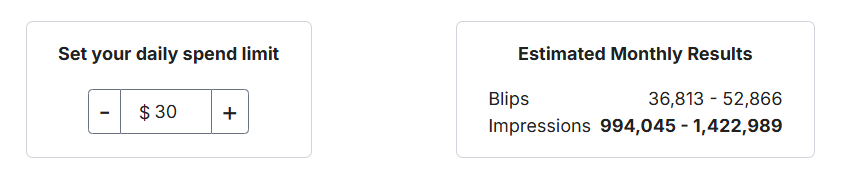
With Blip, you can advertise on digital Snellville billboards on any budget by setting a daily amount that Blip will automatically follow, so you stay in control of your spend while reaching drivers in the Snellville area. Each “blip” is a 7.5 to 10-second ad display, and you only pay per blip, making it easy to scale your exposure up or down by adjusting your campaign budget whenever you want. The price of billboards near Snellville, Georgia varies based on when and where your ads appear and on advertiser demand, so you’re always paying a fair, market-driven rate.
Where can I advertise with Blip near Snellville, Georgia?
With Blip, advertisers can tap into 4 digital billboards in nearby City of Lilburn and City of Duluth—each within about 10 miles—strategically serving the Snellville area with flexible budgets and precise timing. These boards are positioned to reach Snellville-area residents commuting toward employment centers in Duluth, Norcross, Peachtree Corners, and Atlanta. This corridor-based approach makes billboard rental near Snellville more efficient, since you’re paying to be exactly where your audience drives every day.
Why is the Snellville area a strong market for Blip billboard ads?
Snellville sits in eastern Gwinnett County, one of the fastest-growing and most economically dynamic counties in Georgia. The county’s population now exceeds 980,000 residents, up from roughly 808,000 in 2010, and the immediate trade area brings 70,000–90,000 people within a short drive of downtown Snellville. This makes Snellville billboards and nearby placements especially useful for capturing both residents and visitors moving through the broader trade area.
When is the best time to run billboard ads near Snellville, Georgia?
With Blip, you choose the exact times of day and days of week your ads appear, which is crucial in the Snellville area because travel patterns are strongly tied to commuting, school schedules, and weekend shopping. Morning drive, midday, and evening drive each have different strengths, and many residents are returning to the Snellville area through corridors where the Lilburn and Duluth boards stand. Weekends, back-to-school seasons, and holiday peaks are also highlighted as especially useful times to increase exposure.
What kind of people will see billboards near Snellville, Georgia?
Digital billboards near Snellville give us a powerful way to reach families, commuters, and shoppers who move daily between eastern Gwinnett County and the broader Atlanta metro. The local audience has a median age just under 40 years, strong household incomes, and a diverse population with many households speaking more than one language. This mix makes billboards near Snellville effective for family-focused, community-minded, and convenience-driven messaging.
Do I need a contract to advertise with Blip in Snellville?
No, Blip has no long-term contracts or minimum commitments. You can start, pause, or stop your campaign at any time.
How fast can I launch a billboard campaign with Blip in Snellville?
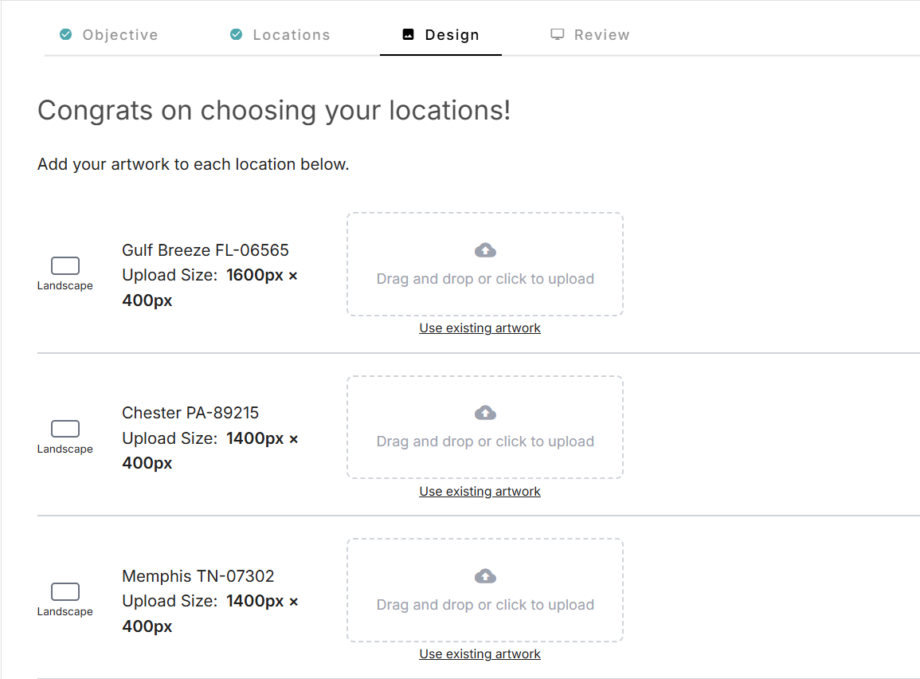
You can have your campaign live in minutes. Create a free account, select your locations, set your budget, upload your design, and start running once approved.
Where can I advertise with Blip in Snellville?
Blip has digital billboards in Snellville. You can browse available locations on a map, choose the ones that fit your audience, and start advertising right away.
Still have questions? Launch a campaign in minutes — no contracts, no commitments.
Start Your CampaignSnellville Billboard Advertising Guide
Digital billboards near Snellville give us a powerful way to reach families, commuters, and shoppers who move daily between eastern Gwinnett County and the broader Atlanta metro. With Blip, advertisers can tap into 4 digital billboards in nearby City of Lilburn and City of Duluth—each within about 10 miles—strategically serving the Snellville area with flexible budgets and precise timing. For businesses specifically seeking billboards near Snellville without committing to long contracts, this network makes it easy to run targeted, on‑demand campaigns.

Why the Snellville Area Is a Strategic Billboard Market
Snellville sits in eastern Gwinnett County, one of the fastest‑growing and most economically dynamic counties in Georgia. According to Gwinnett County Government, the county’s population now exceeds 980,000 residents, up from roughly 808,000 in 2010—an increase of more than 21% in just over a decade. The City of Snellville reports a population of around 21,000 residents, but its true marketing footprint is much larger because it functions as a hub for surrounding unincorporated communities and exurban neighborhoods that together bring the immediate trade area to 70,000–90,000 people within a short drive of downtown Snellville. This makes Snellville billboards and nearby placements especially useful for capturing both residents and visitors moving through the broader trade area.
Economic indicators further reinforce the market’s strength. Local and regional economic development data from organizations such as the Gwinnett Chamber show:
- A county‑wide labor force of more than 520,000 workers.
- Unemployment rates frequently hovering between 2.5% and 3.5% in recent years—consistently below or on par with state and national averages.
- Over 33,000 businesses operating in Gwinnett County, with strong representation in healthcare, logistics, technology, advanced manufacturing, and retail.
A few reasons the Snellville area is especially attractive for billboard advertisers:
- Strong household incomes: Median household income in the Snellville area is commonly reported in the $75,000–$80,000 range, with many nearby zip codes exceeding $85,000. Gwinnett County overall sits well above the Georgia median, which is generally in the low‑to‑mid‑$60,000s. That translates into robust purchasing power for retail, automotive, healthcare, home services, and financial products.
- High homeownership and stability: Estimates for many Snellville‑area neighborhoods show homeownership rates around 65–70%, indicating a stable base of long‑term residents who invest in their homes, vehicles, and local services.
- Suburban family base: Snellville is known for its “Snellville, Where Everybody’s Proud to be Somebody” motto and a strong family‑oriented culture. Gwinnett County Public Schools (GCPS), the state’s largest school district, serves more than 180,000 students at over 140 schools, including flagship schools such as Brookwood High School and South Gwinnett High School. This reflects a substantial population of school‑age children and their parents—ideal for family‑focused offers and services.
- Proximity to Atlanta: Located roughly 25 miles east of downtown Atlanta, many residents commute or travel regularly towards Lilburn, Duluth, Norcross, Peachtree Corners, and I‑85. Regional commute data for Gwinnett County often shows average one‑way commutes of 30–33 minutes, underscoring how much time residents spend on the road. Our boards near Lilburn (about 7.8 miles away) and Duluth (about 9.9 miles away) intercept this movement and extend your reach far beyond the city limits while still staying highly relevant to the Snellville area. For many brands, this kind of billboard advertising near Snellville performs like in‑town coverage because it follows real commuter patterns.
- Tourism and regional visitors: Tourism reports from Explore Gwinnett indicate that Gwinnett regularly attracts 1.5–2 million visitors annually, generating over $1.5–$1.8 billion in visitor spending and supporting more than 20,000 tourism‑related jobs. Many of these visitors pass through or near Snellville‑adjacent corridors on their way to attractions, shopping, and lodging.
This mix—high growth, strong incomes, family orientation, and regional connectivity—makes billboard campaigns near Snellville particularly effective when they are timed correctly and tailored to local life.
Understanding the Local Audience
To build effective billboard creative serving the Snellville area, we should anchor it in who lives and works here.
Demographic Snapshot
Drawing from Gwinnett County and city‑level data shared by the City of Snellville, Gwinnett County Government, and regional planning resources:
-
Age profile: The median age in the Snellville area sits just under 40 years. Roughly:
- 24–26% under age 18
- Around 60% ages 18–64
- 12–15% age 65+
This balance creates opportunities for youth‑focused messages (after‑school programs, family entertainment) as well as services for older adults (healthcare, retirement planning, senior living).
-
Diversity: Gwinnett County is one of the most diverse counties in the Southeast. County data generally indicates:
- 30–32% Black or African American
- 30–31% White (non‑Hispanic)
- 20–22% Hispanic or Latino
- 12–14% Asian
In many Gwinnett schools, more than 100 different languages are spoken at home. Culturally inclusive imagery and clear, simple language work best. In some cases, bilingual English/Spanish creative can perform well, especially for consumer services and retail.
-
Education and employment: A large share of adults in Gwinnett have at least some college education, with many census‑tract‑level estimates showing 35–40% of residents holding an associate’s degree or higher. The workforce is heavily represented in professional services, education, healthcare, logistics/warehousing, and retail. This translates into:
- Strong weekday commuting patterns toward employment hubs in Duluth, Norcross, Peachtree Corners, and central Atlanta.
- High demand for commuting‑related products and services (vehicles, quick‑service restaurants, financial institutions, and more).
- Digital engagement: Regional studies and local marketing benchmarks often indicate high smartphone penetration (well above 85%) and strong social media usage among Gwinnett residents. Billboards that drive to short URLs or search‑friendly brand names can therefore convert quickly from impression to online engagement.
What This Means for Your Messaging
Given this audience profile, we typically recommend:
- Family‑centric framing: “For your family,” “Protect what matters most,” “Weekend fun for the whole family.” This matches a market where around one‑third of households include children under 18.
- Trust and reliability: Established brands and local businesses can lean into community credibility: “Serving Gwinnett families since 2005,” “Trusted by Snellville‑area homeowners.” In a county with tens of thousands of small businesses, emphasizing years in service and local roots helps you stand out and makes your Snellville billboards feel like part of the community rather than generic ads.
- Inclusive visuals: Show diverse households and age ranges; avoid imagery that feels tailored to only one demographic segment. Reflecting the multi‑ethnic reality of Gwinnett makes the creative feel authentic.
- Value and convenience: Many households juggle commuting, school, and kids’ activities. Phrases like “Right on your way home,” “Same‑day service,” or “5 minutes from [major road or landmark]” can drive action from drivers who may only have 3–6 seconds to process the message.
Key Commuter Corridors and Where Our Boards Fit
Traffic flows shape who sees your ads. The Snellville area is dominated by a few key arteries:
- U.S. 78 / Main Street (Stone Mountain Highway): This east‑west corridor connects the Snellville area to Stone Mountain and further into the Atlanta metro. Georgia Department of Transportation (GDOT) traffic counts in recent years typically show average annual daily traffic (AADT) in the 40,000–45,000 vehicle range near Snellville’s commercial stretches, with some segments pushing above 50,000 vehicles per day closer to major intersections.
- GA‑124 / Scenic Highway: Running north‑south, GA‑124 links the Snellville area to Lawrenceville and I‑85. AADT figures on this corridor commonly range from 30,000–35,000 vehicles per day near the main retail zones, including the busy commercial areas with multiple shopping centers and big‑box anchors.
- Ronald Reagan Parkway, Pleasant Hill Road, and I‑85 corridors near Lilburn and Duluth: As we move toward Lilburn and Duluth, volumes increase sharply approaching I‑85 and major retail/office nodes. Segments of I‑85 in Gwinnett frequently exceed 200,000 vehicles per day, with feeder routes like Pleasant Hill Road delivering 40,000–55,000 vehicles daily in some sections, according to GDOT’s traffic monitoring data.
Our 4 digital billboards near Lilburn and Duluth are well positioned to:
- Reach Snellville‑area residents commuting toward employment centers in Duluth, Norcross, Peachtree Corners, and Atlanta—corridors that together carry hundreds of thousands of daily trips.
- Target regional shoppers heading to major retail hubs such as the Mall of Georgia Explore Gwinnett, which features dozens of shopping, dining, and entertainment destinations across the county.
- Capture reverse traffic: People coming back toward the Snellville area in the evenings, ideal for reinforcing local businesses and services closer to home. Evening peak‑hour volumes on key arteries regularly climb to 3,000–5,000 vehicles per hour on the busiest segments.
When planning your campaign, think of our Lilburn and Duluth boards as gateway touchpoints: they keep your brand top‑of‑mind for Snellville‑area residents during the most heavily trafficked parts of their day and function as high‑visibility billboards near Snellville, even if they sit just outside the official city limits.
Timing Your Campaign for Maximum Impact
With Blip, you choose the exact times of day and days of week your ads appear. This is crucial in the Snellville area, where travel patterns are strongly tied to commuting, school schedules, and weekend shopping.
Weekday Daypart Strategies
-
Morning drive (6–9 a.m.):
- Ideal for: coffee shops, quick‑service restaurants, childcare, healthcare clinics, automotive services, and financial institutions.
- Messaging angle: “Before work,” “On your way in,” “Drop‑off, then stop by…”
Commuter data for Gwinnett suggests that a substantial share of workers—often 40–50%—leave home before 8:00 a.m. Many Snellville‑area residents head west and north towards Lilburn, Duluth, and I‑85; boards in those directions are especially valuable in this window.
-
Midday (10 a.m.–3 p.m.):
- Ideal for: healthcare appointments, senior services, retail, home services, and B2B offers targeting local business owners.
- Messaging angle: “Today only,” “Walk‑ins welcome,” “Book during your lunch break.”
This period reaches a mix of shift workers, stay‑at‑home parents, and retirees. In many corridors, midday volumes still hold at 60–70% of peak rush‑hour traffic, giving you consistent visibility.
-
Evening drive (4–7 p.m.):
- Ideal for: restaurants, grocery, family entertainment, fitness centers, and recurring service reminders (HVAC, insurance, dental).
- Messaging angle: “Tonight,” “On your way home,” “Beat the rush.”
For many commuters, the evening drive is slightly longer than the morning one, with regional averages often 2–3 minutes higher. Many residents are returning to the Snellville area through corridors where our Lilburn and Duluth boards stand, making this prime time for local awareness and same‑day decisions.
Weekend & Seasonal Considerations
- Weekends (especially Saturdays): Retail and entertainment dominate. Shopping‑center traffic data often shows 20–30% higher foot traffic on Saturdays compared to weekdays. Use Blip’s scheduling to boost your bid on Saturdays around mid‑day and early evening to capture shoppers heading to and from malls, parks, and events listed on the City of Snellville Events Calendar or Explore Gwinnett events.
- Back‑to‑school seasons: Gwinnett County Public Schools enrolls more than 180,000 students, and the district calendar significantly influences traffic with school start dates, early releases, and extracurricular events. Target early August and January with school‑related offers (clothing, supplies, tutoring, healthcare checkups).
-
Holiday peaks:
- Late November–December: Heavy retail and travel traffic; national retail benchmarks often show 25–30% of annual retail sales occurring during this period.
- Spring and summer: Increased activity at parks, festivals, and farmer’s markets such as the Snellville Farmers’ Market at Snellville Towne Green hundreds to thousands of visitors on peak days.
Use short, time‑sensitive creatives (“This weekend only,” “Ends Sunday”) and increase frequency during these windows to ride the surge in impressions.
Crafting Creative That Resonates in the Snellville Area
Digital billboards give us flexibility, but the fundamentals still matter: clarity, contrast, and local relevance.
Visual & Copy Best Practices
- Prioritize bold, high‑contrast colors: The Atlanta metro can experience frequent overcast days and strong sun glare. Tests across outdoor campaigns commonly show 10–20% better recall for high‑contrast combinations (dark backgrounds with bright text or the reverse).
-
Limit copy to 7 words or fewer: At 45–55 mph, drivers have only 3–6 seconds to absorb your message. Focus on:
- Brand name or logo
- One key offer or benefit
- One clear call‑to‑action (CTA)
- Use large, simple fonts: Sans‑serif, high‑weight fonts ensure legibility on busy corridors like Pleasant Hill Road and U.S. 78, where drivers must keep their attention on complex traffic patterns.
- Feature recognizable anchors: Phrases such as “Minutes from Scenic Highway,” “Near Downtown Snellville,” or “Off Pleasant Hill Road exit” help people place you mentally even when boards are near Lilburn or Duluth. This is especially important when your billboard advertising near Snellville is supporting a destination they may not yet know by name.
Lean Into Local Identity
The Snellville area audience responds well to businesses that feel rooted in the community. Consider:
- Referencing local events or teams: “Proud supporter of Brookwood Broncos and South Gwinnett Comets.” High schools in the Snellville cluster can have enrollments of 2,200–3,500 students, plus thousands of family members and alumni—an audience that notices local supporters.
- Featuring local landmarks: Snellville Towne Green Briscoe Park 90 acres of recreation space), or the “Where Everybody’s Proud to Be Somebody” motto in a subtle way.
- Incorporating community‑focused messages: “Serving Gwinnett families,” “Locally owned & operated,” or “Supporting Snellville events all year,” tying into happenings promoted by Snellville Tourism & Trade
Multiple Creative Variations
Because Blip allows you to upload multiple creatives and rotate them, we recommend:
- Brand ad: Clean creative that focuses on your name, logo, and a core promise—ideal for building recognition over thousands of daily impressions.
- Offer ad: Limited‑time discount, promotion, or seasonal message. Even a 5–10% limited‑time offer can significantly increase response when seen repeatedly.
- Directional ad: “2 miles ahead on [road],” “Next to [known landmark].”
Rotate these throughout the day or week to keep impressions fresh while reinforcing your core message on your Snellville billboards and nearby placements.
Using Blip Tools to Target the Snellville Area
Blip’s flexibility is particularly valuable when boards are near, rather than inside, your core city.
Geographic Strategy
-
Select boards near Lilburn and Duluth that align with where Snellville‑area residents travel:
- Lilburn boards for traffic moving between Snellville, Stone Mountain, and I‑85.
- Duluth boards for northbound commuters and shoppers heading toward major employment and retail centers along the I‑85 corridor.
- Think in corridors, not municipalities: Your “Snellville area” campaign can focus on the actual paths people take—U.S. 78 westbound in the morning, I‑85 southbound in the evening, Pleasant Hill Road near major shopping nodes—even if board locations are officially in neighboring cities. This corridor‑based approach makes billboard rental near Snellville more efficient, since you’re paying to be exactly where your audience drives every day.
Budget & Bid Controls
-
Start with a daily budget aligned to your goals, then adjust bids by daypart:
- Higher bids during rush hours and key shopping windows, when traffic counts are 20–40% higher than off‑peak times.
- Lower bids or pauses during overnight hours if your audience is less active.
-
Launch with a test period of 2–4 weeks, then evaluate:
- Website traffic and call volume by time of day.
- In‑store mentions (“Saw your billboard!”).
- Coupon or promo code redemptions. Even modest campaigns that generate a few tens of thousands of weekly impressions can create noticeable lifts in branded search and direct traffic.
Flexible Scheduling
-
Use day‑of‑week targeting to align with your sales patterns:
- Restaurants and entertainment: focus Thursday–Sunday, when dining‑out and leisure activity typically peaks.
- Professional services: Monday–Friday, with mid‑week peaks (Tuesday–Thursday) often generating the highest appointment volume.
- Churches and faith‑based organizations: highlight Wednesday evenings and Friday–Sunday to align with mid‑week services and weekend worship.
- Event‑based bursts: When the City of Snellville or Explore Gwinnett promote major festivals, concerts, or holiday events that can draw thousands of attendees, temporarily increase your budget to ride the extra traffic and visibility on nearby corridors. Short‑term billboard advertising near Snellville during these windows can introduce your brand to a surge of new visitors who might not otherwise pass your location.
Campaign Ideas by Industry
Different sectors can leverage the Snellville area’s patterns in specific ways.
Retail & Shopping Centers
- Promote weekend sales with Friday–Sunday bursts near Duluth and Lilburn to hit outbound and inbound shoppers. Retail studies often show up to 60–70% of weekly in‑store traffic occurring between Friday and Sunday for some categories.
- Use simple CTAs like “Exit now,” “5 minutes ahead,” or “Next to [known anchor store].”
- Coordinate schedules with ads in local media such as the Gwinnett Daily Post or community sections of the Atlanta Journal‑Constitution
Restaurants & Food Service
-
For quick‑service and casual dining, focus heavily on:
- Morning (breakfast, coffee) near commuter routes—especially 6–9 a.m., when tens of thousands of vehicles pass through key corridors.
- 4–7 p.m. (dinner) targeting drivers returning to the Snellville area.
- Rotate menu features seasonally and highlight family meal deals, combo discounts, or kids eat free offers to appeal to the area’s strong family base. National dining data often shows that promotions like these can increase party size and check averages by 10–20%.
Healthcare, Dental, and Vision
- Highlight convenience and trust: “Same‑day appointments,” “Open late,” “Emergency care,” and “Most insurance accepted.”
- Time your ads for midday and early evening to reach parents planning after‑school or after‑work appointments—when GCPS dismissal times push extra traffic onto local roads.
- If you have multiple locations (e.g., one in the Snellville area and one near Duluth), use boards near Duluth to reinforce your broader brand presence and emphasize “Multiple locations across Gwinnett” for convenience.
Home Services (HVAC, Roofing, Landscaping, Pest Control)
- The predominantly suburban, single‑family housing stock in the Snellville area—where single‑family homes often make up 70% or more of housing units—is ideal for home services.
-
Schedule campaigns:
- Early spring and late summer for HVAC, when temperature swings drive spikes in service calls.
- Post‑storm periods for roofing and tree services, particularly after heavy rain and wind events that are common in the Atlanta metro.
- Use strong, urgent copy: “AC not working? Call today,” “Free roof inspections,” “Same‑day pest control,” and consider including a short, memorable phone number or URL.
Education, Tutoring, and Youth Activities
-
The large student population tied to Gwinnett County Public Schools (more than 180,000 students across the district) makes year‑round opportunities for:
- Tutoring centers
- After‑school programs
- Sports leagues, arts, and music academies
-
Pulse campaigns around:
- Back to school (July–September), when families are planning activities and support services.
- Pre‑exam periods (March–May), when demand for tutoring and test prep typically increases.
- Summer camps (March–June), as parents look ahead to 8–10 weeks of summer programming.
Measuring and Optimizing Performance
While billboards are primarily a top‑of‑funnel and mid‑funnel medium, we can still track performance trends and refine over time.
Simple Tracking Techniques
- Dedicated URLs or landing pages: Use a short, memorable URL unique to your billboard campaign (e.g., yourbrand.com/snellville). Even a few hundred visits per month from a local billboard‑only URL can indicate strong engagement.
- Promo codes: “Mention SNELL10 for 10% off” to track redemptions from billboard viewers. If even 2–5% of in‑store buyers reference the code, that’s a strong signal the billboard is being noticed.
- Call tracking: Use a specific phone number (or extension) for billboard‑driven calls. Comparing call volumes before and after a campaign over 4–8 weeks can help quantify impact.
Compare performance data by:
- Time of day: Did calls and web visits increase when you emphasized rush hours?
- Day of week: Do Snellville‑area residents respond more on weekends vs weekdays?
- Creative version: Which message or design correlates with more inquiries or store visits?
Continuous Improvement
Using what you observe:
- Reallocate budget to the best‑performing dayparts and days, potentially shifting 20–40% of spend toward the highest‑response windows.
- Retire less effective creative and iterate small variations (headline, color, CTA) to see what moves the needle.
- Tie campaigns to local news and events you see covered by outlets like the Gwinnett Daily Post or the Gwinnett section of the Atlanta Journal‑Constitution
By aligning creative, timing, and budget with how people actually live and move in the Snellville area—and by leveraging our four strategically located digital billboards near Lilburn and Duluth—we can build campaigns that consistently reach the right audience at the right moments. With Blip’s flexible billboard rental near Snellville, advertisers of any size can test, learn, and scale their presence on these high‑impact screens to become a familiar, trusted part of daily life for Snellville‑area residents.