Billboards near Puyallup, WA
No Minimum Spend. No Long-Term Contracts. Just Results.
Trusted by Leading Brands


Billboard advertising
near Puyallup has never been easier
How much is a billboard near Puyallup?
Why Choose Blip for Billboard Advertising near Puyallup
Blip lets you self-serve Puyallup billboards fast, ideal for SR-512, I-5, and SR-167 commuters heading to Tacoma, Fife, and Seattle.
Set flexible budgets in Puyallup and scale up for Washington State Fair rushes or back down after the crowd clears—no waste.
Daypart your Puyallup ads for 5:30-9 AM and 3-7 PM traffic, when Pierce County commuters are stuck on the road.
No contracts means you can test Puyallup, South Hill, and Tacoma creative, then shift spend based on real-time results.
Use Blip’s real-time analytics to see what works on rainy Puyallup routes and adjust for fair season, weekends, or school pickup.
Build bold, high-contrast creative for Puyallup with easy design tools that pop in winter darkness and on busy commuter corridors.
Frequently Asked Questions About Billboard Advertising near Puyallup
How much does a billboard cost near Puyallup, Washington with Blip?
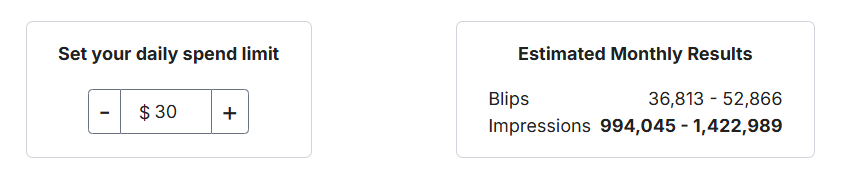
With Blip, you control exactly what you spend on Puyallup billboards by setting a daily budget that can be as modest or ambitious as you like, and Blip automatically keeps your campaign within that limit. Each ad play, or “blip,” is a 7.5 to 10-second display on digital billboards serving the Puyallup area, and you only pay for the blips you receive. That means the total cost of your campaign is simply the sum of those individual blips, with prices varying based on time, location, and advertiser demand.
Where can I advertise with Blip near Puyallup, Washington?
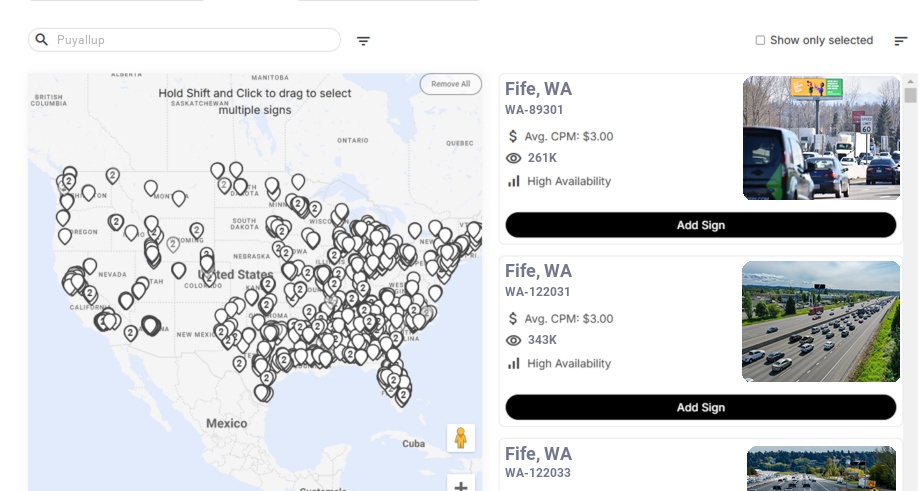
Our 11 digital billboards serving the Puyallup area are strategically positioned in Tacoma, Fife, and Milton. Tacoma is about 3.3 miles from Puyallup, Fife is about 5.4 miles away, and Milton is about 5.6 miles away. These placements reach commuters, visitors, and local residents traveling major nearby corridors.
What kind of people do Puyallup, Washington billboards reach?
The Puyallup area audience is diverse but with clear dominant segments, including daily commuters, families and students, event and leisure visitors, and a blue-collar and logistics workforce. Many local residents commute to Tacoma, Fife, Auburn, Kent, and Seattle, while the Washington State Fair and Tacoma-area events bring in large visitor crowds. The area also has a strong presence of trades, logistics, and healthcare workers.
When is the best time to run Blip billboards in Puyallup, Washington?
Blip’s ability to daypart and adjust budgets lets us sync your ads with how and when people actually travel. Morning commute, evening commute, and major seasonal events like the Washington State Fair are all strong opportunities. Use Blip’s scheduling to surge budget during these peak windows and scale back in quieter periods while staying visible.
Why is billboard advertising in Puyallup, Washington effective for commuters?
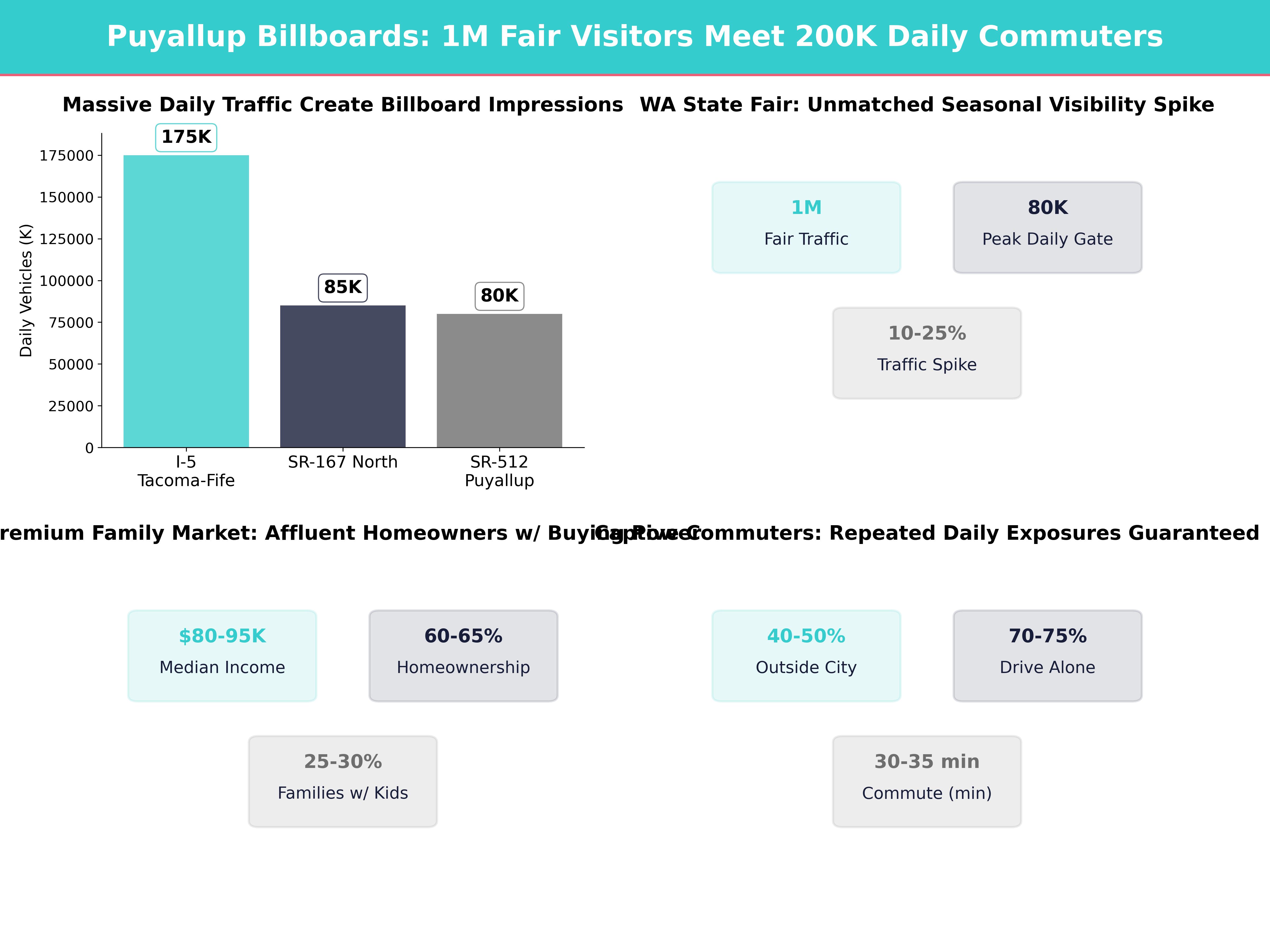
Puyallup sits at the crossroads of Pierce County’s suburbia, agriculture, and big-city commuting. Local transportation and economic reports show that 40–50% of employed Puyallup residents commute to jobs outside the city, with many traveling to Tacoma, Fife, the Port of Tacoma, or farther up the I-5 corridor toward Seattle and Federal Way. Average one-way commute times for Pierce County residents often fall in the 30–35 minute range, meaning drivers routinely spend 1+ hour per weekday on the road.
Do I need a contract to advertise with Blip near Puyallup?
No, Blip has no long-term contracts or minimum commitments. You can start, pause, or stop your campaign at any time.
How fast can I launch a billboard campaign with Blip near Puyallup?
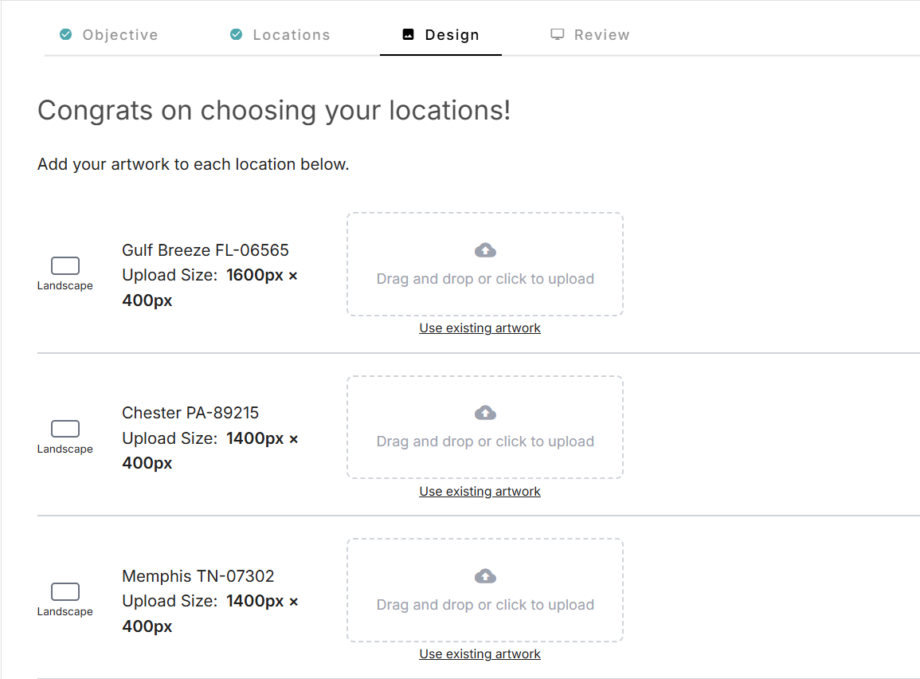
You can have your campaign live in minutes. Create a free account, select your locations, set your budget, upload your design, and start running once approved.
Where can I advertise with Blip near Puyallup?
Blip has digital billboards near Puyallup. You can browse available locations on a map, choose the ones that fit your audience, and start advertising right away.
Still have questions? Launch a campaign in minutes — no contracts, no commitments.
Start Your CampaignPuyallup Billboard Advertising Guide
Puyallup sits at the crossroads of Pierce County’s suburbia, agriculture, and big‑city commuting. With 11 nearby digital billboards in Tacoma, Fife, and Milton serving the Puyallup area, we can put campaigns in front of tens of thousands of local residents, commuters, and visitors every day—without the cost or commitment of a traditional static board. If you’re looking for flexible billboard advertising near Puyallup that can be turned up or down as your needs change, these placements offer a powerful option. This guide walks through how to think about the Puyallup area market and how to use Blip’s tools to build smart, data‑driven campaigns here.
Understanding the Puyallup Area Market
Puyallup is a mid‑sized city with outsized regional influence:
- The City of Puyallup reports a population of roughly 43,000–44,000 residents, while the broader Pierce County population tops 925,000+, according to local and county planning documents from the City of Puyallup and Pierce County government
- Nearby Tacoma has about 220,000–225,000 residents, making it the second‑largest city in Western Washington and driving a large portion of the county’s employment base, per summaries from the City of Tacoma.
- The Puyallup School District serves more than 22,000 students across 35+ schools, with over 2,700 employees, making it one of the top employers in the area and a strong indicator of how family‑oriented the community is.
Useful local sources to understand the community and calendar include the City of Puyallup, Pierce County government Puyallup Sumner Chamber of Commerce, and regional visitor resources such as Travel Tacoma – Mt. Rainier Tourism & Sports.
Key characteristics that matter for billboard advertisers:
- Suburban, commuter-heavy lifestyle
Local transportation and economic reports show that 40–50% of employed Puyallup residents commute to jobs outside the city, with many traveling to Tacoma, Fife, the Port of Tacoma, or farther up the I‑5 corridor toward Seattle and Federal Way. Average one‑way commute times for Pierce County residents often fall in the 30–35 minute range, meaning drivers routinely spend 1+ hour per weekday on the road—creating frequent billboard exposure opportunities and steady value from renting billboards near Puyallup. - Major regional events
The Washington State Fair in Puyallup draws about 1 million visitors during the main fall fair alone and around 300,000–400,000 visitors during the Spring Fair and other events annually, according to the Washington State Fair organization. Fair‑season visitor spending has been estimated in local tourism studies to reach tens of millions of dollars in lodging, dining, and retail for the Puyallup–Tacoma corridor. Campaigns that anticipate this influx can capture both locals and visitors, especially when using Puyallup billboards to welcome fairgoers and guide them to your business. - Mixed-income, family and blue‑collar base
Pierce County household statistics in local planning documents show a median household income in the $80,000–$90,000 range, with pockets of Puyallup and South Hill above $95,000 and older in‑valley neighborhoods closer to the county median. Roughly 60–65% of local households are owner‑occupied, and about 25–30% of households include children under 18. The area has a strong presence of trades, logistics, and healthcare workers, with significant employment tied to the Port of Tacoma, distribution centers in Fife, and nearby health systems such as MultiCare Health System Virginia Mason Franciscan Health. Messages about value, reliability, and family benefits tend to resonate strongly. - Retail and entertainment hubs
The South Hill area, South Hill Mall, and downtown Puyallup provide dense clusters of shoppers and diners. South Hill Mall, highlighted by the Puyallup Sumner Chamber of Commerce, features 100+ stores and restaurants and draws steady foot traffic from across east Pierce County. Nearby Tacoma destinations—like the Tacoma Mall Tacoma Dome, and waterfront dining and museums in the Tacoma Museum District Travel Tacoma – Mt. Rainier Tourism & Sports—pull Puyallup residents into the Tacoma–Fife–Milton corridors that our boards serve.
Weather also shapes local behavior: Pierce County typically experiences around 150–165 days of measurable rain per year and average daylight hours that dip below 9 hours per day in winter, according to regional climate summaries from local agencies. This reinforces the importance of high‑contrast, all‑weather billboard creative.
Where Our Digital Billboards Reach the Puyallup Area
Our 11 digital billboards serving the Puyallup area are strategically positioned in:
- Tacoma (about 3.3 miles from Puyallup)
Tacoma is the primary employment and cultural hub for the region, home to major destinations like the Port of Tacoma, Tacoma Mall, Tacoma Dome, Museum District, and University campuses. The Port of Tacoma alone moves millions of containers each year and supports 40,000+ direct and indirect jobs regionally, generating heavy freight and commuter traffic. Drivers from Puyallup frequently travel SR‑512 and I‑5 toward Tacoma for work, education at institutions like the University of Puget Sound and Pacific Lutheran University, and entertainment. This makes these Puyallup billboards ideal for reaching both daily commuters and regional visitors. - Fife (about 5.4 miles from Puyallup)
Fife sits along I‑5 and SR‑99 with heavy freight, casino, and retail traffic. The city’s location just east of the Port of Tacoma makes it a major warehousing and distribution hub, with hundreds of trucking and logistics businesses clustered nearby. Hotels, the Emerald Queen Casino & Hotel Fife, and auto dealerships along the freeway amplify visitor and discretionary‑spend traffic. It’s a key corridor for Puyallup residents heading to Seattle/Tacoma or the Port of Tacoma, and a smart choice when you’re comparing options for billboard rental near Puyallup. - Milton (about 5.6 miles from Puyallup)
Milton links Puyallup to Federal Way, Auburn, and other north‑sound suburbs. Many local commuters use Milton and nearby Edgewood as their route toward northbound I‑5, SR‑18, and SR‑167. It’s a useful location to capture Puyallup‑area commuters heading north on I‑5 and SR‑167 toward employers in Auburn, Kent, and South King County distribution centers, keeping your billboard advertising near Puyallup visible well beyond the city limits.
According to the Washington State Department of Transportation, average annual daily traffic (AADT) volumes on major nearby highways reach:
- I‑5 through Tacoma–Fife: frequently 150,000–200,000+ vehicles per day on some segments, making it one of the highest‑volume stretches of freeway in the state.
- SR‑512 near Puyallup: often in the 70,000–90,000 vehicles per day range, serving as a primary link between Puyallup/South Hill, I‑5, and JBLM.
- SR‑167 corridor north of Puyallup: commonly 85,000+ vehicles per day on key segments, with peak‑period congestion that extends daily billboard dwell time for passing drivers.
Pierce County’s roadway network logs hundreds of millions of vehicle‑miles traveled annually, and commuter corridors routinely operate at 80–100% of capacity during peak times in local transportation reports. By aligning your Blip schedule with these high‑volume arteries, we can repeatedly expose your message to a consistent commuter base from the Puyallup area and maximize the impact of billboards near Puyallup.
Who You’re Reaching in the Puyallup Area
The Puyallup area audience is diverse but with clear dominant segments. When crafting campaigns, it helps to think in terms of audience clusters:
1. Daily commuters
- Local labor and commute data indicate that 70–75% of workers in Pierce County travel by car alone, with another 10–12% carpooling and 5–8% using transit (Sounder commuter rail, Sound Transit express buses, and Pierce Transit routes). Thousands of Puyallup residents commute to Tacoma, Fife, Auburn, Kent, and Seattle each weekday.
- Many use SR‑512, I‑5, and SR‑167—the same corridors where our Tacoma, Fife, and Milton boards sit. Peak‑period traffic can slow to 25–35 mph, giving drivers several seconds of readable exposure per board.
- Ideal for: employment ads, financial services, auto dealers, insurance, quick‑service restaurants, subscription services, and “on your way home” offers that take full advantage of billboard advertising near Puyallup.
2. Families and students
- Over 22,000 students in the Puyallup School District, plus multiple private schools and colleges in Tacoma (including the University of Puget Sound and Pacific Lutheran University). District enrollment data show that more than 80% of students are transported daily either by school bus or family vehicles, creating heavy morning and afternoon vehicle flows along key arterials.
- Roughly 25–30% of local residents are under age 18 in many Puyallup‑area neighborhoods, and family‑oriented venues such as South Hill Mall, local sports complexes, and parks promoted by Puyallup Parks and Recreation
- Families regularly travel between Puyallup, South Hill, Tacoma, and the malls/shopping districts, especially on Saturdays and Sundays when retail and big‑box stores report some of their highest weekly sales.
- Ideal for: education, healthcare, family attractions, youth sports, tutoring, retail, and family‑oriented entertainment.
3. Event and leisure visitors
- Around 1 million annual visitors to the Washington State Fair and several hundred thousand more to Tacoma‑area events (concerts at the Tacoma Dome, waterfront festivals, minor‑league sports, museum events) create a robust visitor market. Hotel occupancy reports in Tacoma and Fife often show weekend occupancies of 70–85% during peak event seasons.
- Many visitors stay in hotels near Tacoma and Fife and travel daily in and out of the Puyallup area along I‑5, SR‑512, and Meridian. During large events, daily traffic volumes in surrounding corridors can spike 10–25% above non‑event averages.
- Ideal for: hotels, restaurants, casinos, attractions, rideshare and transportation, and local events.
4. Blue‑collar and logistics workforce
- The proximity of the Port of Tacoma, Fife warehouses, and industrial and logistics employers along the I‑5 and SR‑167 corridors creates a strong working‑class base. Local economic profiles note thousands of jobs in transportation, warehousing, and manufacturing concentrated within a 10–15 mile radius of Puyallup.
- Freight traffic is significant: port‑related trucks can account for 10–15% of vehicles on certain Fife/Tacoma freeway segments. Many of these drivers are repeat daily travelers who see the same boards multiple times per week.
- This group values practicality, affordability, and reliability.
- Ideal for: trade schools, CDL and vocational training, workwear and equipment, automotive repair, housing, and financial services like credit unions and paycheck‑friendly lenders.
Local media like the Tacoma News Tribune Puyallup Herald The Suburban Times provide additional coverage of Pierce County communities.
Crafting Billboard Creative for the Puyallup Area
Effective creative for the Puyallup area should reflect both the small‑town community feel and the big‑city commute reality.
Prioritize clarity at highway speeds
- At typical freeway speeds of 50–60 mph in congested Pierce County traffic, drivers have about 5–8 seconds to process a message. Aim for 6–8 words of main copy plus a clear logo or product image.
- Use high‑contrast colors that stand out in rainy or overcast conditions, which are common in Pierce County for much of the year (around 150–165 rainy days annually).
- Avoid thin fonts; bold sans‑serif fonts hold up better against gray skies and wet windshields and remain readable from 500–700 feet away.
Lean into local identity
Puyallup‑area residents are proud of:
- The Washington State Fair and “Do the Puyallup” heritage
- The Puyallup River valley and local farms
- Long‑standing local businesses and schools
You can tap into that with:
- Headlines that reference “Puyallup area,” “South Hill,” “Do the Puyallup,” or “Valley grown”
- Visuals of mountains (Mount Rainier), farm fields, Washington State Fair imagery, or local landmarks such as downtown Puyallup’s pavilion and Meeker Mansion, highlighted by the Puyallup Historical Society
- Limited‑time offers tied to the Fair, high‑school sports seasons, or local events listed on the City of Puyallup events calendar
Design for all-weather visibility
Given the region’s frequent cloud cover and rain:
- Use bright, saturated colors (yellows, oranges, and whites on dark backgrounds perform well).
- Avoid heavy reliance on dark blues/greens alone, which can blend into the environment, especially during winter when sunset can be as early as 4:20 PM.
- Ensure logos are at least 1/3 of the board’s height when possible so they are recognizable at typical freeway viewing distances.
Make offers commuter-relevant
Remember that much of your audience is mid‑commute:
- Clear, concise CTAs: “Exit in 2 miles,” “Order before 6 PM for same‑day pickup in the Puyallup area,” “Apply online in 5 minutes.”
- Use directional cues when appropriate (e.g., “Next exit,” “Off Meridian in the Puyallup area,” etc.).
- For service businesses in the Puyallup area, emphasize convenience: evening hours, weekend availability, online booking, or walk‑in options. Surveys cited by regional business groups suggest that 40–50% of local consumers value extended hours as a top decision factor, which you can highlight prominently on billboards near Puyallup.
Timing Your Campaigns Around Puyallup Life
Blip’s ability to daypart and adjust budgets lets us sync your ads with how and when people actually travel.
Daily patterns
Regional traffic counts from the Washington State Department of Transportation and Pierce County show consistent weekday peaks:
- Morning commute (5:30–9:00 AM):
Many Pierce County freeway segments reach 70–90% of capacity by 7:30 AM. Capture Puyallup‑area residents heading toward Tacoma, Fife, and northbound routes. Good for employment messaging, coffee and breakfast, urgent‑care awareness, and reminders (“Don’t forget your car tabs”). - Midday (10:00 AM–3:00 PM):
Traffic volumes typically dip 15–30% from peak levels, but this window over‑indexes for seniors, retail shoppers, parents with younger kids, and shift workers. Ideal for healthcare, grocery, retail, and appointment‑based services. - Evening commute (3:00–7:00 PM):
In many spots, PM peak volumes rival or exceed morning peaks, with speeds dropping below 35 mph on I‑5 and SR‑167. High potential impressions from workers returning to the Puyallup area. Great for restaurants, grocery, entertainment, and “stop on your way home” offers. - Late evening (7:00–11:00 PM):
Volumes decline, but casino traffic to Fife and nightlife in Tacoma continue. Good for entertainment, delivery, and alcohol‑related brands (where compliant). With fewer advertisers competing in these hours, you can often achieve a higher share of voice for your budget.
Weekly patterns
- Monday–Thursday:
Generally more routine commuting. Local traffic data show consistent volumes with minor dips on Mondays and spikes on Thursdays. Emphasize everyday needs—banking, auto service, healthcare, grocery, and B2B services. - Friday:
Traffic volumes may be 5–10% higher in PM periods as people start their weekend early. Transition into weekend mindset. Promote weekend events, dining, and entertainment. - Saturday–Sunday:
Heavier retail, family errands, and leisure travel. Major shopping centers in Puyallup and Tacoma often report some of their strongest foot‑traffic days on Saturdays. Focus on shopping, attractions, real estate open houses, and faith‑based messaging, using Puyallup billboards to keep your brand in front of weekend travelers.
Seasonal opportunities
Align your campaign calendar with big local drivers:
-
Spring (March–May):
- Washington State Spring Fair: Pulls large crowds to the Puyallup area, often surpassing 300,000 visitors over multiple weekends. Promote parking, food, attractions, and lodging.
- Home improvement and gardening: Local hardware and garden centers report strong sales lifts of 20–40% vs. winter months. Many homeowners in the valley start projects.
-
Summer (June–August):
- Outdoor recreation peaks; families head between Puyallup, Tacoma waterfront, Point Defiance Park Travel Tacoma – Mt. Rainier Tourism & Sports. Regional tourism agencies estimate millions of day‑trip visits across Pierce County in summer months.
- Great window for tourism, outdoor gear, festivals, and family activities.
-
Fall (September–October):
- Washington State Fair (primary season): Roughly 1 million visitors in a month‑plus. Daily gate counts can exceed 80,000 visitors on peak weekends. Ideal for almost every local business to leverage with “Welcome Fairgoers” or “On your way home from the Fair” messaging.
- Back‑to‑school and sports: Good for retail, education, healthcare, and after‑school programs, as Puyallup School District and nearby districts bring tens of thousands of students and parents into routine travel patterns.
-
Winter (November–February):
- Holiday shopping centered around South Hill and Tacoma malls; local retail reports often show November and December accounting for 20–30% of annual sales in some categories.
- Good for financial services (tax prep, credit unions), auto care (cold‑weather prep), and health (flu season, urgent care, elective procedures as insurance benefits reset).
Use Blip’s scheduling to surge budget during these peak windows and scale back in quieter periods while staying visible.
Using Blip’s Flexibility: Budgeting and Geo-Targeting Strategy
Because Blip sells digital billboard space one “blip” at a time, we can build campaigns that match your goals and budget.
Start with a core commuter presence
- Concentrate a base level of impressions along Tacoma and Fife boards that intercept Puyallup‑area commuters. A focused strategy might aim for 20–40 exposures per commuter per month along their main route.
- Run this baseline Monday–Friday, 6–9 AM and 3–7 PM to stay present in daily routines.
- Even modest budgets can generate meaningful frequency over a month by focusing on just a few peak hours per day and a smaller subset of the 11 boards, making billboard rental near Puyallup accessible even for smaller advertisers.
Layer in “event bursts”
When key events or sales hit:
- Temporarily raise your maximum bids and extend your hours to dominate SOV (share of voice) for 3–14 days.
- Example: A Puyallup‑area retailer might increase budget the week before Black Friday, aiming to double or triple normal impression levels, or throughout the Washington State Fair to reach a rotating daily audience of 30,000–80,000 fairgoers plus local commuters.
Test different corridors
If your customer base is drawn from slightly different areas:
- For businesses north of Puyallup (e.g., Federal Way, Auburn‑focused), allocate more impressions to Milton boards to catch northbound SR‑167/I‑5 travelers, who may represent 30–40% of your customer ZIP codes if your trade area skews north.
- For Port‑ or logistics‑focused businesses, invest more in Fife boards where trucking and freight traffic is dense and where a high proportion of vehicles are commercial.
- For services drawing from Tacoma neighborhoods and downtown, lean into Tacoma‑area boards where weekday daytime volumes and transit‑oriented trips are stronger.
Match spend to customer value
- Higher‑ticket items (autos, home services, legal, medical, B2B contracts) justify heavier frequency on a smaller set of boards. For example, aiming for 30–50 impressions per unique prospect per month can support consideration‑heavy decisions.
- Lower‑ticket or impulse buys may benefit from broader coverage across all 11 boards with lighter frequency; even 5–10 impressions per month per passerby can be enough to drive trial when the offer is simple and time‑sensitive.
Creative Rotation and Local Testing
One of the biggest advantages of digital is the ability to test and iterate quickly in the Puyallup area.
Rotate multiple creatives
-
Run 2–4 versions of your ad at the same time:
- Different headlines (price vs. time‑savings vs. local pride).
- Different imagery (product‑focused vs. people‑focused vs. local landmarks).
- Local advertisers who test variations often see performance gaps of 30–100% between best‑ and worst‑performing creatives in web traffic or call volume.
- Use website analytics, coupon codes, or dedicated landing pages to see which themes drive more actions.
Align messaging to each direction or corridor
Even when we can’t control direction on every board, we can still think in corridor terms:
- Tacoma‑facing commuters to Puyallup area: Emphasize “On your way home, stop by…” or “Tonight in the Puyallup area…” to reach thousands of daily return‑trip drivers.
- Puyallup‑area commuters to Tacoma/Fife: Emphasize “Before work” or “On your way into town, swing by…” to reach the AM peak crowd heading west and north.
Use time-specific messages
With Blip, we can run different creatives at different times of day:
- Morning: “Need coffee? Exit ahead.”
- Midday: “Lunch specials in the Puyallup area.”
- Evening: “Dinner tonight? Kids eat free.”
Or:
- Pre‑event hours: “Parking near the Fair? Reserve now.”
- Post‑event hours: “Head home through the Puyallup area? Stop here to avoid traffic.”
Because Pierce County sunrise/sunset times vary from roughly 4:20 AM / 9:20 PM in June to 7:50 AM / 4:20 PM in December, consider shifting brighter, night‑optimized creative into heavier rotation during the darker months.
Campaign Ideas Tailored to the Puyallup Area
Here are some category‑specific concepts that fit local behavior patterns:
Local retail and restaurants
- “From Tacoma to Puyallup area? Order online, pick up on your way home.”
- “South Hill dinner tonight – 10 minutes off SR‑512.”
- Limited‑time Fair‑themed offers: “Show your Fair ticket, get 10% off.”
- Tie‑ins with major shopping hubs like South Hill Mall or Tacoma Mall, which see weekend foot‑traffic counts in the tens of thousands during peak seasons, can amplify results when paired with billboards near Puyallup.
Healthcare and dental
- “New to the Puyallup area? Family appointments after 5 PM & Saturdays.”
- “Urgent care near SR‑512 – online check‑in, minimal wait.”
- Local health agencies like the Tacoma-Pierce County Health Department emphasize preventative and primary care; aligning your messaging with seasonal health needs (flu season, sports physicals, allergy season) can capitalize on times when demand spikes by 20–40%.
Linking to local providers from your site and referencing major local systems such as MultiCare Health System CHI Franciscan / Virginia Mason Franciscan Health (without overusing their brands) can boost trust if relevant.
Education and youth services
- “Tutoring for Puyallup School District students – first session free.”
- “Before/after‑school care in the Puyallup area – limited spots for K‑5.”
- Consider timing heavier rotations for late July through September, when back‑to‑school spending nationally increases significantly and local families are finalizing activities and childcare.
Home services and contractors
- “Puyallup area roofs don’t love the rain. Free inspection this month.”
- “From South Hill to Fife – we service the entire Puyallup area.”
- With Pierce County receiving around 35–45 inches of rainfall annually, exterior home services (roofing, gutters, drainage, painting) can tie offers directly to weather realities that every driver recognizes.
Events and attractions
- “Headed to the Washington State Fair? Park, dine, and stay with us.”
- “Weekend plan: Tacoma waterfront + dinner in the Puyallup area.”
- Coordinate with event calendars from the City of Puyallup and Travel Tacoma – Mt. Rainier Tourism & Sports to spotlight live music, festivals, and seasonal attractions when they are most top‑of‑mind.
Measuring and Optimizing Your Puyallup-Area Campaign
We encourage treating Puyallup‑area billboard advertising as a test‑and‑learn channel with clear metrics:
Define success upfront
- For retail/restaurants: track weekly sales, average ticket size, and coupon or promo code redemptions tied to billboard messages. Many local advertisers aim for a 5–15% lift in same‑store sales during focused campaigns.
- For professional services: track call volume, form fills, appointment bookings, and “How did you hear about us?” reports. Assign a rough value per new customer to compare against media spend.
- For events: monitor ticket sales pace by day versus on/off campaign periods and look for 10–30% stronger day‑of or week‑of sales during billboard flights.
Use local signals
- Watch coverage from outlets like The Suburban Times, the Tacoma News Tribune Puyallup Herald
- Follow City of Puyallup and Pierce County
Iterate every 2–4 weeks
- Swap out underperforming creatives; if one message yields 30–50% more web sessions or calls than another, divert impressions to the stronger variant.
- Reallocate budget between Tacoma, Fife, and Milton boards based on where your customers say they saw you or where ZIP‑code data shows your best response, fine‑tuning which billboards near Puyallup deliver the strongest ROI.
- Shift dayparts if you discover more value in, say, mid‑day shoppers vs. morning commuters, or if your call logs and online conversions cluster heavily in certain windows.
By understanding how people in the Puyallup area live, commute, and spend their time—and by pairing that knowledge with the flexibility of Blip’s digital billboards in Tacoma, Fife, and Milton—we can build campaigns that feel local, stay efficient, and scale as you grow with highly targeted billboard advertising near Puyallup.