Billboards near Salem, MA
No Minimum Spend. No Long-Term Contracts. Just Results.
Trusted by Leading Brands


Billboard advertising
near Salem has never been easier
How much is a billboard near Salem?
Why Choose Blip for Billboard Advertising near Salem
Blip lets you launch Salem billboards in minutes and aim for Route 128 and Route 114 commuters without long setup.
Use Salem's October Haunted Happenings surge to daypart ads for weekends and midday when visitors crowd downtown.
Salem's Peabody approach routes reward flexible budgets—Blip helps you start small, test, and scale as traffic spikes.
Track Salem campaign results in real time and shift spend fast as traffic shifts between summer tourism and winter locals.
Blip's creative tools make it easy to tailor Salem messages for students, commuters, and New England day-trippers.
Frequently Asked Questions About Billboard Advertising near Salem
How much does a billboard cost near Salem, Massachusetts with Blip?
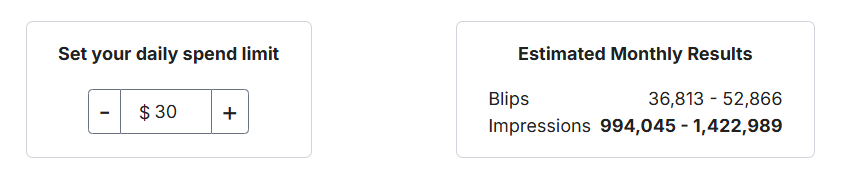
With Blip, you can advertise on Salem billboards on any budget, because you choose a daily spend that works for you and Blip automatically keeps your campaign within that amount. Each ad is a brief “blip” on rotating digital billboards near Salem, Massachusetts, and you only pay for the individual blips you receive. Pricing varies based on when and where your ads show and on advertiser demand, so you stay in control by adjusting your budget at any time.
Where can I advertise with Blip near Salem, Massachusetts?
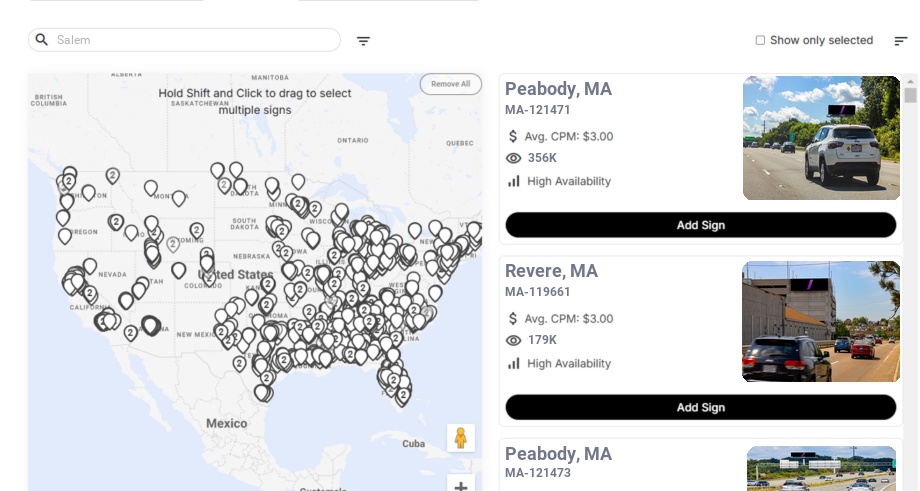
Blip has 9 digital billboards near Salem, Massachusetts, located in nearby Peabody just 4.2 miles away. These boards function as high-impact Salem billboards along the primary approach routes into the city. They are positioned to reach drivers on key corridors used by locals, commuters, and visitors.
Why are Salem, Massachusetts billboards effective for tourism and local traffic?
Salem, Massachusetts combines a dense year-round community with a massive seasonal tourism surge, making it one of New England’s most uniquely concentrated advertising markets. The city typically welcomes over 1 million visitors per year, and during October alone some busy Saturdays see 80,000–100,000 people. This mix of stable local demand and huge visitor influxes makes billboard advertising near Salem especially effective.
When is the best time to run Blip ads in Salem, Massachusetts?
By using Blip’s scheduling tools, you can bid more aggressively during commute peaks and weekends when roads are most congested—morning (7–9 a.m.), evening (4–7 p.m.), and weekend midday periods. October is especially important, when traffic volumes and travel times can increase by 20–50% on key approaches. Blip also lets you set custom schedules so your ads only run during these high-value windows.
Who can Blip reach with Salem, Massachusetts billboards?
Digital billboards serving the Salem area give access to local residents, tourists and day-trippers, students and young professionals, and commuters to Boston and the Route 128 job belt. The greater Salem–Peabody–Beverly cluster houses over 150,000 residents within a 10–15 minute drive, and commuters along Route 128 and I-95 collectively represent tens of thousands of higher-income professionals passing Peabody billboards every weekday. In peak months, day-trippers can account for 60–70% of total visitation.
Do I need a contract to advertise with Blip near Salem?
No, Blip has no long-term contracts or minimum commitments. You can start, pause, or stop your campaign at any time.
How fast can I launch a billboard campaign with Blip near Salem?
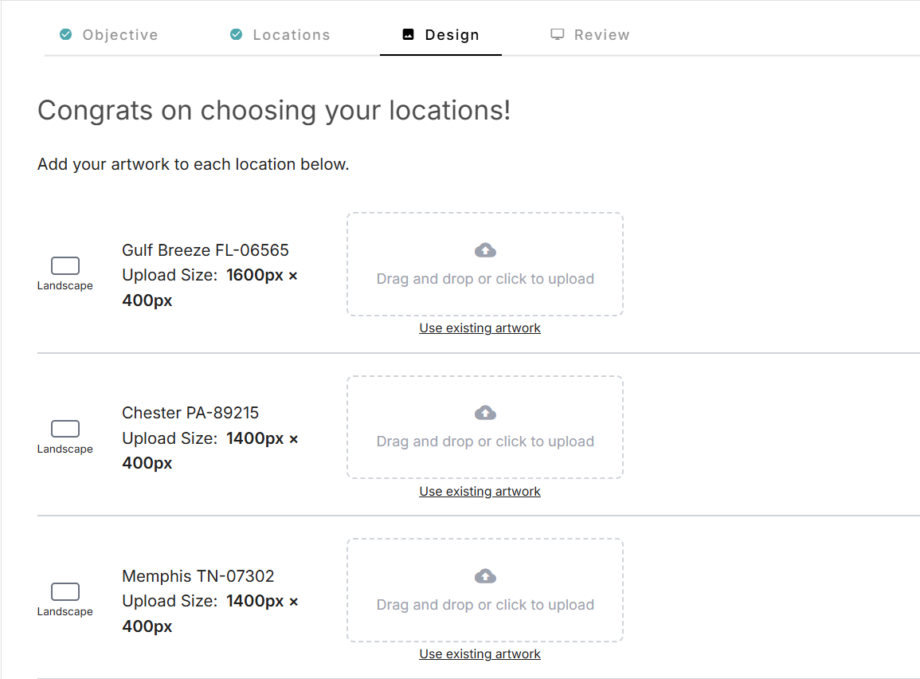
You can have your campaign live in minutes. Create a free account, select your locations, set your budget, upload your design, and start running once approved.
Where can I advertise with Blip near Salem?
Blip has digital billboards near Salem. You can browse available locations on a map, choose the ones that fit your audience, and start advertising right away.
Still have questions? Launch a campaign in minutes — no contracts, no commitments.
Start Your CampaignSalem Billboard Advertising Guide
Salem, Massachusetts combines a dense year‑round community with a massive seasonal tourism surge, making the Salem area one of New England’s most uniquely concentrated advertising markets. With nine digital billboards serving the Salem area from nearby Peabody—just 4.2 miles away—advertisers can use Blip to stay visible along the key corridors locals, commuters, and visitors rely on every day. For brands specifically looking for billboards near Salem, these Peabody locations essentially function as high‑impact Salem billboards along the primary approach routes into the city.
Understanding the Salem Area Market
The Salem area offers a rare mix of stable local demand and huge visitor influxes, which makes billboard advertising near Salem especially effective:
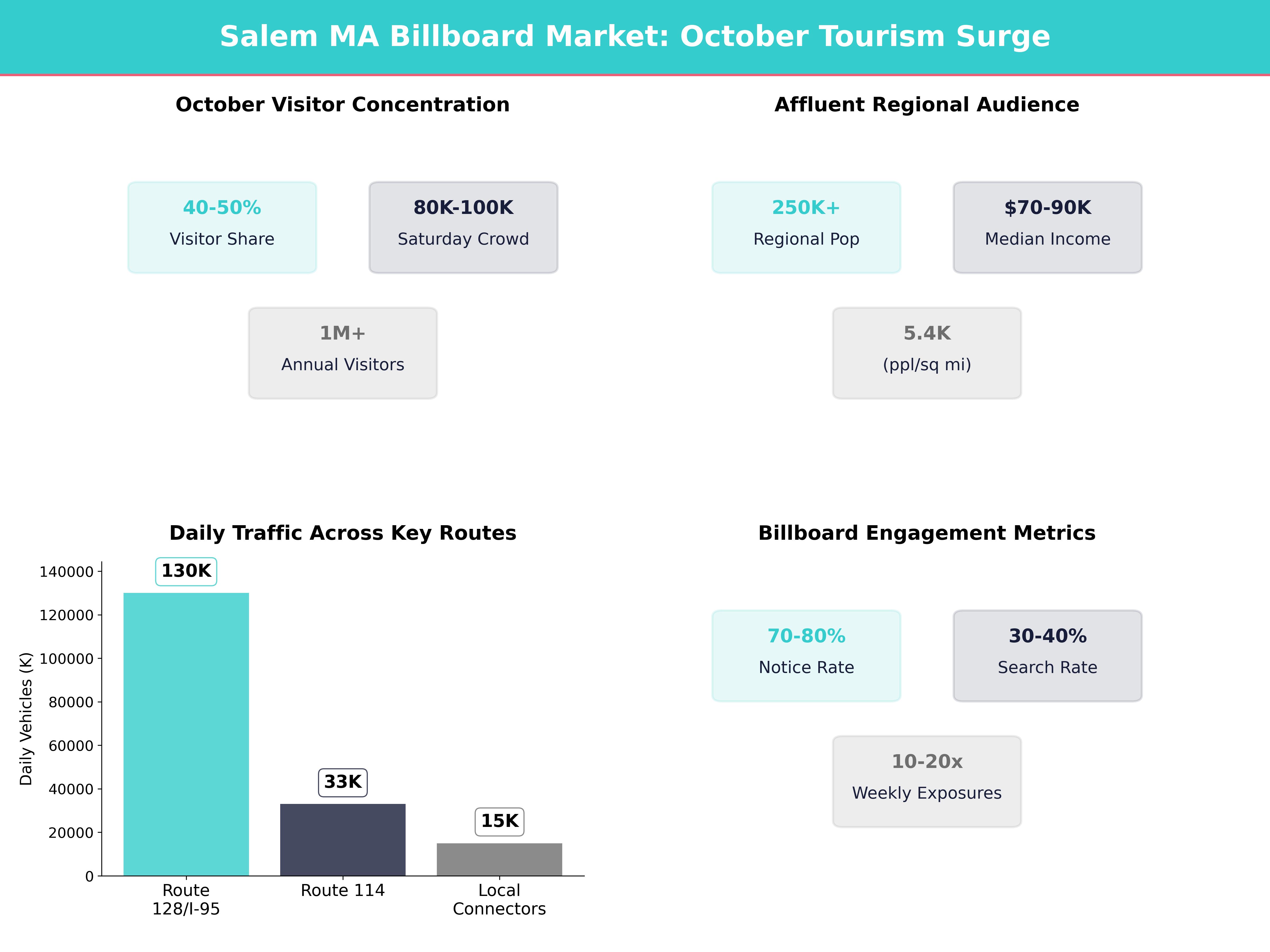
- The City of Salem reports a population of roughly 45,000 residents within only 8.3 square miles, a density of about 5,400 people per square mile, which is more than double the overall Massachusetts density. This creates a compact and highly drivable market where repeated billboard exposure can reach the same residents dozens of times per month along their regular routes.
- According to Destination Salem, the city typically welcomes over 1 million visitors per year, with tourism spending estimated in the hundreds of millions of dollars annually across lodging, dining, attractions, and shopping.
- During October alone, tens of thousands of visitors arrive on peak weekends, with some recent years seeing 80,000–100,000 people on the busiest Saturdays reported in local coverage from The Salem News. In some Octobers, Haunted Happenings activity is estimated to account for 40–50% of Salem’s annual visitation.
- Salem State University (Salem State) enrolls around 7,500–8,000 students across undergraduate and graduate programs, plus 1,000+ faculty and staff, adding a consistent younger demographic that commutes around the region throughout the week.
- Median household incomes across Salem, Peabody, and Beverly are generally in the $70,000–$90,000 range, supporting strong discretionary spending on dining, attractions, and retail.
By placing boards near Salem in Peabody, we tap into the primary road network that this entire audience uses, including drivers headed between Salem, Danvers, Beverly, Lynn Boston metro. Within a 15–20 minute drive of the Peabody boards, regional population totals exceed 250,000 residents, giving advertisers both depth (locals) and breadth (regional visitors) through billboard rental near Salem that feels truly regional in reach.
Key Roadways and Traffic Patterns Near Salem
The nine digital billboards serving the Salem area in Peabody allow campaigns to reach drivers in several influential traffic streams, effectively functioning as billboards near Salem on the North Shore’s most important corridors:
-
Route 128 / I‑95 Corridor (Peabody):
This loop around Boston is one of Eastern Massachusetts’ critical commuter and commercial routes. MassDOT counts on segments near Peabody frequently exceed 120,000–140,000 vehicles per day. Advertising here reaches:- Salem residents commuting to Boston or the Route 128 tech and office corridor
- Peabody, Danvers, and Beverly shoppers heading to the Northshore Mall and nearby retail clusters
- Regional visitors driving into the Salem area from I‑95 and I‑93, often traveling 30–60 miles from elsewhere in Massachusetts and New England
-
Route 114 (Salem–Peabody–Danvers):
Route 114 ties downtown Salem to Peabody’s malls and big-box retail and continues to Danvers. State and regional planning data commonly show 25,000–40,000 vehicles per day on major segments between Salem and Peabody. This road is heavily used by:- Local residents running errands and accessing big‑box retail
- College students commuting to Salem State
- Visitors following GPS routes into the Salem area from Route 128 and Route 1
-
Local Connectors and Downtown Access:
Arterials like Highland Avenue (Route 107), Bridge Street, and Derby Street channel vehicles into downtown Salem, where parking turnover is high during peak tourism months. Many of these roads see 10,000–20,000 vehicles per day, especially in October and summer weekends. -
Access from Boston and Logan Airport:
Many visitors approach the Salem area via I‑93, Route 1, and Route 128, then cut across local routes into Salem. Logan International Airport handled over 30 million passengers annually in recent pre‑pandemic years, with a growing share of domestic leisure travelers. A meaningful fraction of these passengers rent cars or rideshare to North Shore destinations, including Salem. Strategically timed Blips on Peabody boards capture this flow before visitors disperse into local streets and parking, making these placements some of the most valuable Salem billboards for reaching fly‑in travelers.
By using Blip’s scheduling tools, we can bid more aggressively during commute peaks and weekends when these roads are most congested—morning (7–9 a.m.), evening (4–7 p.m.), and weekend midday periods, especially during October, when traffic volumes and travel times can increase by 20–50% on key approaches.
Seasonality: Leveraging Salem’s Tourism Cycles
Salem is famous for its seasonal swings, which should guide how we plan and budget campaigns and how we use billboard advertising near Salem throughout the year:
-
October Surge (Haunted Happenings):
The city’s month‑long Haunted Happenings celebration draws hundreds of thousands of visitors in October alone. Local reports and city planning materials often cite attendance well over 500,000 for the month, with some years estimated closer to 600,000–700,000. Hotels frequently report near‑100% weekend occupancy, and restaurants may see waits of 60–120 minutes at peak dinner times.- Expect weekend traffic to spike dramatically on highways, park‑and‑ride lots, and parking routes. Public safety and transportation updates from the City of Salem routinely warn of “full capacity” conditions downtown on peak days.
- Businesses in hospitality, food and beverage, attractions, retail, and transportation should front‑load their Blip budgets from late September through Halloween, often allocating 30–50% of their annual Salem‑area ad spend into this six‑week window.
- Use creative that speaks directly to the Halloween experience—“5 minutes from downtown Salem,” “Avoid the crowds—book ahead,” or “Warm up after the ghost tours.”
-
Spring and Summer Tourism:
Salem’s maritime history, museums, and waterfront bring strong visitation from May through September. Tourism organizations note that while October is the single strongest month, spring and summer collectively account for roughly half of annual visitation, with higher rates of family and international travel. Hotel occupancy commonly runs 70–85% on peak summer weekends.- Attractions, harbor cruises, maritime museums, and waterfront dining can benefit from midday and weekend Blips as day‑trippers arrive.
- Highlight “day trip” and “family-friendly” messaging during school vacation weeks (February and April for Massachusetts) and summer holidays (Memorial Day, July 4th, Labor Day), when regional highway traffic can jump 10–20% over average weekends.
-
Winter and Shoulder Seasons:
After November, visitor traffic drops, but local commuting stays consistent. For many businesses, December–March is when local residents make up 80–90% of sales. This is an ideal time for:- Service businesses (contractors, healthcare, automotive, legal, financial services) to run cost‑efficient brand-building campaigns.
- Retailers to support holiday shopping, New Year sales, and tax season promotions with value-focused messages, taking advantage of lower average CPMs on billboards outside peak tourism months.
Blip’s flexibility lets us adjust budgets weekly or monthly so you can shift spend toward high‑traffic months and pull back when seasonality cools, instead of locking into a fixed 12‑month spend. This flexibility is particularly valuable for businesses that want to treat billboard rental near Salem as a dynamic line item that rises and falls with demand.
Who You Can Reach in the Salem Area
Digital billboards serving the Salem area give access to distinct, valuable audience segments and make it easy to tailor billboard advertising near Salem to different customer types:
-
Local Residents (Salem, Peabody, Beverly, Danvers, Lynn):
The greater Salem–Peabody–Beverly cluster houses over 150,000 residents within a 10–15 minute drive, based on municipal population figures from cities like Salem, Peabody, Beverly, Danvers, and Lynn. Within this group:- A significant share of households own 2 or more vehicles, increasing daily roadway exposure.
- Many work locally along Route 128 or commute to Boston or Cambridge, with one‑way commute times often in the 30–60 minute range.
- Repeated billboard exposure along their daily routes reinforces brand familiarity and trust; industry studies from the Out of Home Advertising Association of America show that 70–80% of drivers notice roadside OOH each week.
-
Tourists and Day‑Trippers:
Visitors arrive from across New England and beyond, with heavy representation from the Boston metro, Rhode Island, New Hampshire, and New York. In Salem’s peak months, day‑trippers can account for 60–70% of total visitation, and a large share drive their own vehicles or rentals, increasing the value of roadside impressions.- They are actively planning spending on lodging, dining, tours, attractions, shopping, and transportation; per‑party spending for overnight visitors often exceeds $300–400 per day.
- Decision windows are short—many choose restaurants, shops, or parking options within 5–15 minutes of seeing a message.
-
Students and Young Professionals:
Salem State University’s thousands of students, combined with nearby campuses and young professionals living on the North Shore, create a strong 18–34 demographic that is highly mobile.- This group over‑indexes on rideshare, public transit, and social media usage. QR codes and short URLs on digital billboards can drive immediate mobile engagement; national studies often find 30–40% of 18–34‑year‑olds have searched online for a brand after seeing an OOH ad.
- They respond well to bold visual creative, limited‑time offers, and event‑driven messaging.
-
Commuters to Boston and the Route 128 Job Belt:
A significant portion of North Shore residents commute daily to jobs in Boston, Cambridge, and along Route 128. With daily round trips along high‑traffic corridors, these individuals may see the same board 10–20 times per week, which is ideal for recall and brand lift. Commuters along Route 128 and I‑95 collectively represent tens of thousands of higher‑income professionals passing Peabody billboards every weekday, making these Salem billboards a powerful tool for regional brand building.
Strategic Use of Peabody Boards to Reach Salem
Even though the digital billboards are in Peabody, they are optimally positioned to serve the Salem area and function as billboards near Salem for both locals and visitors:
-
Gateway Positioning:
Many drivers bound for Salem pass through Peabody via Route 114, Route 128, or connecting arterials. This makes our boards gateways where:- Attractions can promote last‑minute decisions: “Tickets available today – 3 miles ahead.”
- Parking providers can redirect traffic: “Skip downtown gridlock – park here & take the train/bus,” tying into services like the MBTA Commuter Rail at Salem Station, which handles thousands of weekday riders.
- Restaurants and bars can stand out: “No wait, only 10 minutes from Salem.”
-
Retail and Dining Synergy:
Peabody’s Northshore Mall and adjacent retail complexes draw shoppers from across the North Shore, with hundreds of thousands of visits per month in peak seasons. Combining Salem‑focused messaging with mall‑area boards helps:- Salem‑area retailers and boutiques position themselves as “worth the extra 5–10 minutes,” converting a portion of the mall’s high‑traffic base.
- Salem restaurants capture shoppers seeking dinner or nightlife after shopping, especially on Thursday–Saturday evenings when mall and roadway traffic peak.
-
Regional Brand Building:
For hospitals, banks, colleges, auto dealers, and franchise brands serving the Salem area, Peabody’s higher‑speed roads offer strong reach and frequency among all North Shore communities—not just Salem. Regional institutions like North Shore Medical Center / Salem Hospital 15–20 mile radius with a single cluster of digital boards. For these organizations, efficient billboard rental near Salem can anchor a broader North Shore marketing strategy.
Timing Your Blips for Maximum Impact
Blip’s ability to buy ad time one “blip” at a time lets us customize timing to the rhythms of the Salem area and get more from every dollar spent on billboard advertising near Salem:
-
Commuter Peaks (Mon–Fri, 7–9 a.m. & 4–7 p.m.):
Traffic volumes on Route 128 and Route 114 are often 30–40% higher in these windows than during midday. Ideal for:- Professional services, healthcare, banking, and education promoting brand awareness.
- Job recruitment campaigns—targeting commuters when they’re most conscious of their work life.
- Local news outlets like The Salem News promoting subscriptions and breaking-news coverage.
-
Midday and Early Afternoon (10 a.m.–3 p.m.):
Best for:- Tourism, attractions, and dining—capturing day‑trippers actively planning their stops. During October and summer weekends, a large share of highway entries into Salem occur between 10 a.m. and 2 p.m.
- Retail promotions, especially on Fridays and weekends when pre‑trip planning and errands spike.
- Senior-focused services, as errands and medical appointments often fall in these hours.
-
Evening and Night (7 p.m.–11 p.m.):
Effective for:- Nightlife, bars, events, and entertainment targeting visitors returning from downtown Salem or locals heading out for the evening.
- Streaming services, gaming, and home delivery targeting people heading home to relax.
- October events, when visitors linger in and around Salem into the night; on peak Saturdays, downtown activity can remain heavy until 10–11 p.m.
-
Day-of-Week Strategy:
- Weekdays: Emphasize commuting, errands, and routine services; about 70–75% of traffic on business corridors happens Monday–Friday.
- Fridays: Promote weekend events, restaurant specials, and late‑night options as traffic starts to build earlier in the afternoon.
- Weekends: Focus on family activities, tourism, shopping, and nightlife. In October, weekends may account for 50% or more of weekly visitors.
- October Saturdays/Sundays: Consider your “prime time” and allocate a greater share of your monthly budget here; for some tourism businesses, these weekends can generate 2–3x the revenue of a typical summer weekend.
With Blip, we can set custom schedules so your ads only run during these high‑value windows, instead of paying for low‑impact times like late‑night weekdays when traffic volumes drop sharply.
Crafting Effective Creative for the Salem Area
The Salem area has a distinctive identity: maritime history, the 1692 witch trials legacy, a lively arts scene, and a diverse, progressive community. Your billboard creative should reflect this while staying clear and fast to read, especially when competing with other Salem billboards for attention.
Core design principles for this market:
-
Big, Bold Headlines (7 Words or Fewer):
Traffic speeds on Route 128 and other main corridors often run 50–65 mph, giving drivers only 3–6 seconds to process your message. Aim for 5–7 words maximum in your main message. -
High Contrast Colors:
Use strong contrasts (dark background with light text or vice versa) to cut through cloudy coastal light and night driving conditions. Research from OOH industry groups shows that high‑contrast designs can improve recall by 20–30% versus low‑contrast layouts. -
Location Cues & Travel Times:
In a compact geography, small distance claims are powerful:- “Just 5 minutes from downtown Salem”
- “2 miles past this exit – Peabody location”
- “Next exit for our Salem‑area office”
Including specific exits or landmarks (e.g., “off Route 114 by Northshore Mall”) can improve wayfinding and reduce hesitation for first‑time visitors.
-
Seasonal Themes:
- October: Tasteful Halloween references, witch‑themed wordplay, and spooky color palettes are widely understood and appreciated—but keep brand credibility intact. Many local businesses report double‑digit percentage lifts in October revenue when they lean into themed marketing.
- Summer: Focus on waterfront fun, outdoor dining, harbor cruises, and festivals; highlight weather‑dependent offers when forecasts are favorable.
- Winter: Emphasize warmth, comfort, deals, or “locals only” offers when the streets are quieter and repeat local visits become a higher share of revenue.
-
Clear Calls to Action:
- “Book now at [website]”
- “Call today: [phone]”
- “Use code SALEM10”
Keep URLs short; consider vanity URLs or QR codes (large and simple) if your audience may be stopped in slower traffic near ramps or lights. Industry benchmarks suggest that adding a clear CTA can increase response rates by 20–40% compared with awareness‑only creative.
Aligning with Local Events and Calendars
Building a calendar around Salem’s major happenings helps campaigns feel timely and relevant and ensures your billboard advertising near Salem speaks directly to what people are experiencing:
-
January–March:
- New Year resolutions (fitness, health, financial planning).
- Home services (heating, insulation, interior remodeling) as cold weather drives indoor projects; local home‑improvement spending often increases 10–15% after the holidays.
- Education (spring enrollment, continuing education) and tax services, as residents prepare for April 15 filings.
-
April (Patriots’ Day & School Break):
- Massachusetts schools often have an April vacation week, and Patriots’ Day in mid‑April draws regional travel to historic sites and coastal towns.
- Good period for family attractions, museums, and local tourism messaging as day‑trip traffic to the North Shore starts to ramp up.
-
May–August:
- Tourism along the North Shore, including Salem’s waterfront, harbor cruises, and nearby beaches. Weekend visitation to coastal communities can be 30–50% higher than in early spring.
- Graduation season (Salem State and area high schools) supporting florists, restaurants, event spaces, and photographers.
- Outdoor dining and events benefit from highlighting patios, live music, and late‑sunset hours.
-
September:
- Back‑to‑school promotions, fall home improvement, and early Halloween marketing.
- Smart advertisers start warming up their presence ahead of October’s rush, building awareness 3–4 weeks before peak visitation.
-
October (Haunted Happenings):
- Concentrate budget; rotate multiple creatives to avoid fatigue, especially for repeat commuters who may see the same board 50+ times in a month.
- Emphasize “open now,” “no reservation needed,” or “fast access” messages as visitors navigate crowds and full‑capacity venues.
- Align messaging with major weekend events and parades listed on Haunted Happenings and Salem.org.
-
November–December:
- Holiday shopping and dining, including local campaigns supported by groups like the Salem Chamber of Commerce.
- Local nonprofits promoting year‑end giving and events; many raise 20–40% of annual donations in the final two months of the year.
- Service providers finishing the year strong with promotions (auto, dental, financial), as people use remaining benefits and FSA funds.
Cross‑referencing your campaign dates with the city’s event information on the official City of Salem website or tourism calendars at Salem.org ensures your messaging aligns with what visitors and locals are actually experiencing.
Using Blip’s Flexibility to Test and Optimize
Because Blip lets you buy digital billboard time by the impression, we can treat Salem‑area boards like a live testing ground for billboard advertising near Salem:
-
A/B Test Creatives:
Run two versions of a message on the same Peabody screens—one with a discount offer, one with a proximity message (“5 minutes from Salem”). Track which version correlates with an increase in web traffic, calls, or in‑store visits. Many advertisers see 10–30% performance differences between top and bottom creatives, so structured testing can materially improve ROI. -
Seasonal Flighting:
Increase your bid and daily budget in October and key summer weekends, then scale back to a maintenance level the rest of the year. For example, a tourism business might devote 50–60% of its annual Blip budget to September–October, 25–30% to May–August, and the remaining 10–25% to a low‑level “always on” presence in the off‑season. The flexibility to pause or adjust in real time helps you react to weather, news, or last‑minute events. -
Daypart Experiments:
Try running your campaign only in the evening for a week, then only in morning drive times, and compare response. For example, a restaurant might discover that 3–7 p.m. ads outperform lunch‑time ads across the Peabody boards by 20–50% in terms of reservations or online menu views. -
Geographic Layering:
Combine digital billboards serving the Salem area with other proximity tactics:- Geo‑targeted social ads around Salem and Peabody
- Partnerships or sponsorships with local organizations highlighted in your billboard creative
- Mentions of coverage from local media like The Salem News to build credibility
- Coordination with transit options like the MBTA so visitors who park outside downtown understand how to reach your location
Examples of Businesses That Can Win in the Salem Area
While nearly any brand can benefit, some categories are especially well‑positioned to succeed using digital billboards serving the Salem area and flexible billboard rental near Salem:
- Tourism & Attractions: Museums, historic tours, cruises, escape rooms, haunted houses, seasonal events. Many of these see 30–70% of annual revenue in the September–November window.
- Hospitality: Hotels, inns, B&Bs, parking services, rideshare partners, and shuttle services. During October weekends, downtown lodging can sell out weeks in advance, making “stay nearby” or “park here” messages particularly powerful.
- Food & Beverage: Sit‑down restaurants, quick‑service chains, bars, breweries, coffee shops, and dessert venues. Strong candidates for time‑specific offers (happy hour, late‑night menus) when commuter and visitor traffic peaks.
- Retail: Boutiques, antique stores, costume shops, bookstores, and mall retailers looking to extend shoppers’ day into Salem. Costume and Halloween‑themed retailers in particular can see multiple‑X sales lifts in October with effective awareness campaigns.
- Healthcare: Hospitals, urgent care, dental, and specialty providers building regional brand awareness and directing patients to nearby facilities in Salem, Peabody, or Beverly.
- Education: Colleges, trade schools, certification programs, and youth programs recruiting across the North Shore; enrollment campaigns typically center on January–March and August–September.
- Home & Auto Services: Contractors, landscapers, HVAC, auto repair, car washes, and dealerships targeting residents within 10–15 miles. These categories benefit from year‑round visibility; repeated OOH exposure has been shown to increase brand recall by up to 55% when combined with digital channels.
By aligning your category strengths with Salem’s seasonal visitor waves and local commuting habits, we can design a campaign that not only looks good on a screen—but also delivers measurable results.
Bringing It All Together
The Salem area’s combination of dense local population, powerful tourism draw, and critical North Shore roadways makes it ideal for agile, data‑informed digital billboard campaigns. With nine Peabody‑based digital billboards serving the Salem area, we can:
- Capture tourists as they drive toward downtown Salem and nearby attractions.
- Stay top‑of‑mind with local residents and commuters year‑round across high‑traffic corridors like Route 128 and Route 114.
- Flexibly shift budgets around key seasons, days, and hours to match real‑world demand.
- Continuously test and improve creative to match this market’s unique character and event calendar.
For advertisers comparing options for Salem billboards or broader billboard advertising near Salem, this cluster of Peabody locations provides a cost‑efficient way to dominate the main approach routes into the city. By leveraging local data, traffic patterns, and Salem’s distinct cultural calendar, we can use Blip to build smarter, more impactful campaigns that turn impressions into real‑world visits, calls, and sales across Salem, Peabody, and the broader North Shore.