Billboards in Worcester, MA
No Minimum Spend. No Long-Term Contracts. Just Results.
Trusted by Leading Brands


Billboard advertising
in Worcester has never been easier
How much is a billboard in Worcester?
Why Choose Blip for Billboard Advertising in Worcester
Blip lets you launch Worcester billboards on I-290, I-90, and Route 146 in minutes—perfect for commuters, students, and game-day traffic.
Set a budget that fits Worcester and pay only for the blips you want, when you want them; great for testing around Polar Park and the DCU Center.
No contracts mean Worcester businesses can flex ads for school terms, WooSox season, or holiday shopping without long commitments.
Use Blip's dayparting to hit Worcester's peak rush hours—morning and evening—when 206,000 residents and regional drivers are on the road.
Track Worcester performance in real time and shift spend fast across Auburn corridors, so you can follow what works on busy Route 20 traffic.
Blip's creative tools make Worcester ads easy to swap for students, hospitals, and families—keeping your message fresh across a diverse, young market.
Frequently Asked Questions About Billboard Advertising in Worcester
How much does a billboard cost near Worcester, Massachusetts with Blip?
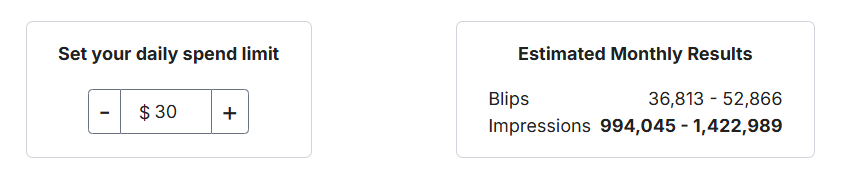
With Blip, you set your own daily budget for Worcester billboards, and the system automatically keeps your digital ads serving the Worcester area within that amount, so you only pay for the blips you receive. Pricing for billboards near Worcester, Massachusetts adjusts based on when and where your ads run and on advertiser demand. Many local businesses start with $10–$25 per day to test creative and timing.
Where do Blip billboards reach near Worcester, Massachusetts?
We have 2 digital billboards serving the Worcester area, with placements in nearby Auburn, Massachusetts, approximately 5.1 miles from Worcester and within a 10–12 minute drive of downtown via I-290. These billboards near Worcester give brands highway-level visibility across Central Massachusetts without needing multiple static placements inside the city. Auburn sits at one of the most strategic highway junctions in Central Massachusetts, including I-90, I-290, I-395, and Route 20.
Who can I reach with Blip billboards near Worcester, Massachusetts?
Worcester is home to more than 35,000 college students, and the city also has more than 206,000 residents across a young, diverse population. Roughly 70–80% of Worcester-area workers commute primarily by car, and many residents from surrounding towns travel through the Auburn/Worcester highway network daily. This makes billboards near Worcester useful for commuters, students, families, and visitors.
When is the best time to advertise on Worcester billboards with Blip?
Weekday morning commute, midday, and evening commute are all important in the Worcester area, with the evening commute typically the heaviest four-hour block on weekdays. Eventgoers also create strong evening and weekend volume, especially on Thursday through Sunday. Using Blip, campaigns can be scheduled down to specific hours and days and refined based on performance data over the first 2–4 weeks.
Why is Worcester, Massachusetts a strong market for billboard advertising?
Worcester is one of New England’s fastest-growing mid-sized cities, with more than 206,000 residents in the city and over 860,000 people across Worcester County. Major highways like I-290, I-90, and Route 146 converge nearby, and attractions such as Polar Park, the DCU Center, and the Hanover Theatre draw significant regional event traffic. Worcester’s growth, student population, and commuter traffic make it a compelling place to advertise.
Do I need a contract to advertise with Blip in Worcester?
No, Blip has no long-term contracts or minimum commitments. You can start, pause, or stop your campaign at any time.
How fast can I launch a billboard campaign with Blip in Worcester?
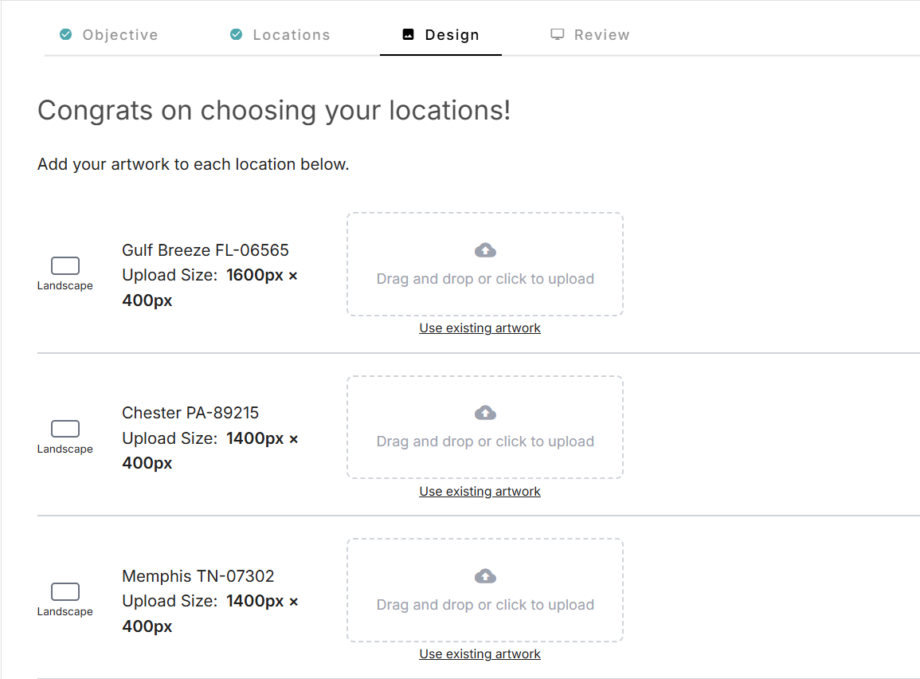
You can have your campaign live in minutes. Create a free account, select your locations, set your budget, upload your design, and start running once approved.
Where can I advertise with Blip in Worcester?
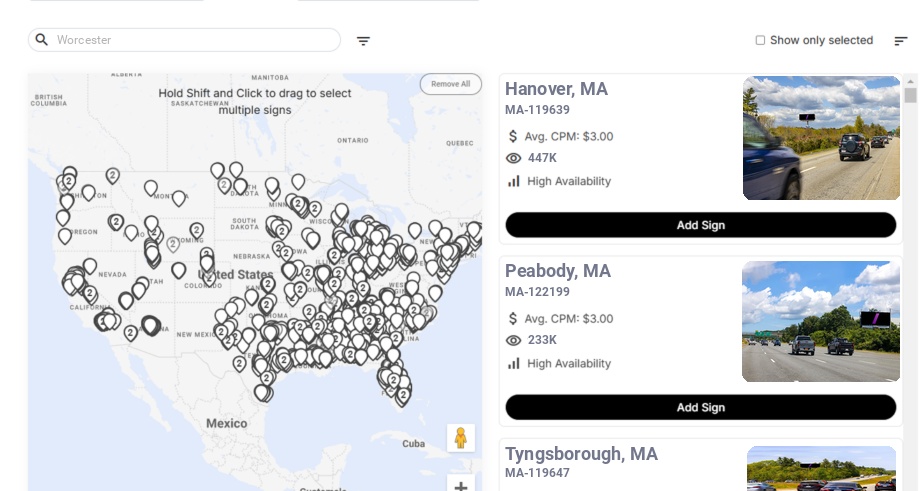
Blip has digital billboards in Worcester. You can browse available locations on a map, choose the ones that fit your audience, and start advertising right away.
Still have questions? Launch a campaign in minutes — no contracts, no commitments.
Start Your CampaignWorcester Billboard Advertising Guide
Worcester is one of New England’s fastest‑growing mid‑sized cities, with more than 206,000 residents in the city and over 860,000 people across Worcester County. Over the past decade, Worcester’s population has grown by roughly 10%, outpacing the statewide growth rate. With major highways like I‑290, I‑90 (the Massachusetts Turnpike), and Route 146 converging nearby, digital billboards near Worcester are a powerful way to reach commuters, students, families, and visitors as they move through the region. Using Blip’s flexible tools, we can target specific times of day, days of the week, and budgets to tap into the Worcester area’s unique rhythms and make billboard advertising near Worcester highly efficient and measurable.

Understanding the Worcester Area Market
Worcester’s growth and diversity make it a compelling place to advertise and a strong hub for Worcester billboards:
-
Population scale
- City of Worcester: approximately 206,000 residents (2023 estimate), making it the second‑largest city in New England after Boston. The city has added roughly 20,000 residents since 2010.
- Worcester County: about 860,000 residents, the second‑largest county in Massachusetts by population and covering 60+ municipalities.
- Median age is around 34–35 years, several years younger than the Massachusetts median (around 39–40 years), giving the city a relatively young profile compared with much of New England.
- Nearly 1 in 4 residents is foreign‑born, contributing to a highly diverse, multilingual audience.
-
Economic profile
- Median household income in the City of Worcester is around $60,000–$65,000, while Worcester County is closer to $80,000–$85,000, reflecting a mix of working‑class households and higher‑income suburbs such as Shrewsbury, Westborough, and Holden.
- The Worcester metropolitan area supports more than 300,000 jobs, with unemployment typically tracking near 3–4% in recent years.
- Key sectors include health care, education, insurance/financial services, advanced manufacturing, biotech, and food and beverage. Health care and education alone account for 30–35% of local employment.
- Major employers such as UMass Memorial Health (umassmemorialhealthcare.org), UMass Chan Medical School ( umassmed.edu The Hanover Insurance Group (hanover.com), Saint Vincent Hospital ( stvincenthospital.com City of Worcester (worcesterma.gov) anchor tens of thousands of high‑skilled jobs.
- The Worcester Regional Chamber of Commerce represents more than 2,000 member businesses, underscoring the region’s broad small‑business and mid‑market base and the opportunity for targeted billboard advertising near Worcester.
-
Educational hub
- Worcester is home to more than 35,000 college students across institutions such as College of the Holy Cross (holycross.edu), Worcester Polytechnic Institute (WPI) (wpi.edu), Clark University (clarku.edu), Assumption University ( assumption.edu Worcester State University (worcester.edu), Quinsigamond Community College (qcc.edu), and UMass Chan Medical School.
- Individual campuses draw 2,000–8,000 students each, creating dense pockets of young adults around Main South, College Hill, and the west‑side neighborhoods.
- This student population makes the Worcester area one of the most student‑dense regions in New England, ideal for campaigns targeting young adults, renters, and emerging professionals through well‑placed billboards near Worcester.
-
Regional draw
- Worcester is roughly 44 miles from Boston, 50 miles from Providence, 65 miles from Hartford, and 50 miles from Springfield, placing it within a 1‑hour drive of several major New England metros.
-
Attractions like Polar Park (home of the Worcester Red Sox, or WooSox), the DCU Center, and the Hanover Theatre & Conservatory for the Performing Arts draw significant regional event traffic:
- Polar Park / WooSox (milb.com/worcester) has drawn 500,000+ fans per season since opening, placing the team near the top of the International League in attendance.
- The DCU Center (dcucenter.com) hosts 100+ major events per year, including concerts, family shows, and conventions, welcoming several hundred thousand visitors annually.
- The Hanover Theatre ( thehanovertheatre.org 2,300 and attracts roughly 150,000 patrons per year for Broadway tours, concerts, and community programming.
- Worcester’s tourism market, supported by Discover Central Massachusetts, generates hundreds of millions of dollars in annual visitor spending across lodging, dining, and attractions that can be efficiently reached through Worcester billboards and complementary local media.
For more detail on city demographics and planning priorities, advertisers can review the City of Worcester’s official site at worcesterma.gov and regional tourism insights from Discover Central Massachusetts.
Where Our Billboards Reach Near Worcester
We have 2 digital billboards serving the Worcester area, with placements in nearby Auburn, Massachusetts, approximately 5.1 miles from Worcester and within a 10–12 minute drive of downtown via I‑290. These billboards near Worcester give brands highway‑level visibility across Central Massachusetts without needing multiple static placements inside the city.
Auburn sits at one of the most strategic highway junctions in Central Massachusetts:
- I‑90 / Massachusetts Turnpike (Exit 10 Auburn) – a primary east‑west arterial linking Worcester County to Boston and Springfield; this segment is part of a corridor that carries well over 100,000 vehicles per day in some stretches according to MassDOT’s Highway Division
- I‑290 – feeding directly toward downtown Worcester and through the heart of the city’s employment centers.
- I‑395 – carrying traffic south toward Oxford, Webster, Connecticut, and points along I‑95.
- Route 20 – a key commercial corridor with big‑box retail, auto dealers, restaurants, and service businesses running across multiple Central Massachusetts communities.
According to approximated MassDOT traffic counts, these corridors regularly carry:
- 90,000–110,000 vehicles per day on segments of I‑90 and I‑290 near Auburn.
- 50,000–70,000 vehicles per day on I‑395 and Route 20 in the Auburn/Worcester area.
- Across a typical week, that translates into 600,000–750,000 vehicle trips passing through these junctions.
By utilizing digital billboards in Auburn, we can capture:
- Commuters heading to and from Worcester’s downtown, medical campuses, and colleges.
- Regional travelers connecting between Boston, Springfield, and Connecticut, including long‑distance travelers using I‑90 and I‑395 for interstate trips.
- Shoppers and families visiting Auburn’s large retail and dining clusters such as the Auburn Mall
This positioning allows us to reach both daily local routines and long‑distance through‑traffic that regularly interacts with the Worcester area and responds well to billboard advertising near Worcester.
Key Audience Segments in the Worcester Area
A strong campaign near Worcester starts with clear audience definitions. Based on local data and observed patterns, advertisers often focus on:
1. Commuters and Workers
- Roughly 70–80% of Worcester‑area workers commute primarily by car, while about 10–15% use public transit, walking, or biking.
- The average one‑way commute for Worcester residents is around 25–28 minutes, meaning drivers are exposed to roadside media for nearly an hour each workday.
- Many residents from surrounding towns—Auburn, Shrewsbury, Leicester, Millbury, Oxford, Sutton, Grafton, and others—travel through the Auburn/Worcester highway network daily.
- Health care, education, and professional services generate large weekday flows into the city’s major campuses and office nodes, including the UMass Memorial and Saint Vincent Hospital campuses, the Biotech Park, and downtown office towers.
Ideal for:
- Professional services (law, accounting, real estate, insurance).
- Health services (urgent care, dental, primary care, specialty clinics).
- B2B and industrial services (equipment, logistics, staffing, training).
- Employers running recruitment campaigns for clinical, technical, and administrative roles that benefit from frequent exposure on Worcester billboards.
2. Students and Young Professionals
- Over 35,000 students attend colleges in the Worcester area, with individual institutions like WPI, Worcester State, Quinsigamond Community College, and Holy Cross each contributing several thousand students.
- Many students live off campus or commute from nearby communities, generating tens of thousands of weekly trips through Worcester’s arterials and the Auburn interchanges.
- Young professionals cluster around downtown Worcester, Canal District/Polar Park, and neighborhoods in Shrewsbury and Auburn, as well as newer mixed‑use developments.
- Age groups 18–34 represent a disproportionately large share of renters and mobile‑first consumers, with smartphone adoption above 90% and heavy reliance on streaming, food delivery, and rideshare apps.
Ideal for:
- Apartments and student housing.
- Mobile apps, tech products, and streaming/entertainment.
- Bars, restaurants, coffee shops, fitness studios, and boutique retail.
- Entry‑level recruitment and workforce programs targeting recent grads and grad students, supported by persistent billboard advertising near Worcester campuses and commuter routes.
3. Families and Suburban Households
- Worcester County has a significant share of family households, with many families living in commuter suburbs and using Auburn’s retail corridors for weekly shopping.
- In many surrounding towns, owner‑occupancy rates exceed 65–70%, and median household incomes commonly range from $90,000–120,000+, providing higher disposable income than the city average.
- Households in these communities typically own 2 or more vehicles, further strengthening roadway impressions as a reach medium.
Ideal for:
- Retail and grocery, especially big‑box, warehouse clubs, and regional chains.
- Home services (HVAC, roofing, solar, landscaping, plumbing, electrical).
- Youth activities (sports leagues, camps, enrichment, tutoring).
- Financial services and credit unions, including mortgage, auto loans, and college savings products that can be promoted via billboards near Worcester’s main suburban corridors.
4. Visitors and Event Attendees
Worcester’s venues routinely attract large regional crowds:
- Polar Park – home to the Worcester Red Sox, drawing 500,000+ visitors each season, with individual games often attracting 7,000–9,000 fans. Many fans travel via I‑290, Route 146, and Route 20.
- DCU Center – hosting concerts, conventions, trade shows, and sports events; a single sold‑out show can bring 10,000–14,000 attendees, while major convention weekends can fill thousands of hotel room nights across the city and nearby towns.
- Hanover Theatre & Conservatory – a regional hub for performing arts, regularly selling out its 2,300‑seat theatre for Broadway tours and special events; series programming spreads traffic throughout the week, not just weekends.
Eventgoers often travel via I‑290, I‑90, and Route 20, making digital billboards near Worcester ideal for:
- Attractions and entertainment.
- Restaurants and nightlife, particularly in the Canal District and downtown.
- Hotels and short‑term rentals in Worcester, Auburn, and surrounding suburbs.
- Rideshare and transportation services, parking facilities, and shuttle operators.
For local events calendars and visitor patterns, we recommend monitoring Discover Central Massachusetts and regional coverage from outlets like the Telegram & Gazette and Spectrum News 1 Worcester.
Crafting Effective Creative for Worcester‑Area Drivers
Because our inventory serves high‑speed highway traffic around Auburn and the Worcester area, artwork should be engineered for quick comprehension and strong brand recall.
Visual Principles
- Use large, bold typography. Keep to 7 words or fewer when possible. Messages should be readable in 2–3 seconds at highway speeds of 55–65 mph.
- High contrast color palettes. Dark text on a light background (or vice versa) stands out well during New England’s varied weather and lighting conditions, including winter snow glare and early dusk in late fall.
- One dominant visual element. A single product image, logo, or icon works better than a collage, especially given average viewing distances of 500–1,000 feet.
- Consistent branding. Make your logo or brand name large enough to be clearly identifiable from a distance; aim for at least 20–25% of the creative height for your primary branding element.
Messaging Angles That Resonate Locally
Consider leaning into Worcester‑area identity and commute realities:
- Local pride: Reference “Central Mass,” “WooSox country,” or “The Heart of the Commonwealth” to connect with local audiences and fans heading to Polar Park.
- Directionally relevant copy: Use messages like “Next Exit,” “5 Minutes Ahead,” or “Off Route 20” when appropriate to the business location; billboards near Exit 10 can credibly promote quick‑stop convenience.
- Student‑oriented content: “Student discounts,” “Show your student ID,” or semester‑specific offers can resonate with the 35,000+ local students and their visiting families.
- Time‑sensitive hooks: “Tonight at DCU Center,” “Game day specials near Polar Park,” or “Beat rush hour—order ahead” work particularly well when aligned with event calendars and known peak drive times.
Call‑to‑Action Best Practices
- Use one clear CTA: “Visit Today,” “Apply Now,” “Book by Friday,” or a short URL.
- Drive to mobile‑friendly destinations, since smartphone adoption in the 18–49 age group is well above 90% and many Worcester‑area drivers will later engage via mobile search or social media.
- Consider including a promo code tied to the location or season (for example, “WOO20” for a Worcester‑area discount or “ROUTE20” for Route 20‑specific offers) to measure campaign impact and attribute redemptions to billboard exposure.
Timing and Seasonality in the Worcester Area
With Blip, we can schedule campaigns down to specific hours and days, which is especially useful given Worcester’s strong seasonal and weekly patterns and the flexibility required for effective billboard rental near Worcester.
Daily Patterns
Based on typical Central Massachusetts traffic flows:
-
Weekday morning commute (6–9 a.m.)
- Commuters from Auburn, Oxford, Millbury, Leicester, and beyond heading toward Worcester’s employment centers and colleges.
- Often accounts for 25–30% of weekday traffic volume on key corridors.
- Ideal for coffee, breakfast, health care reminders, news, traffic apps, and job recruitment.
-
Midday (11 a.m.–2 p.m.)
- Errand runs, lunch traffic, and flexible‑schedule workers.
- Strong for retail, quick‑service restaurants, medical appointments, and financial services.
-
Evening commute (3–7 p.m.)
- Typically the heaviest four‑hour block on weekdays, with return traffic to the suburbs and outbound regional travel via I‑90 and I‑395.
- Great for grocery, family dining, home improvement, entertainment, and promotions targeting parents and after‑work activities.
-
Evening/weekend leisure
- Eventgoers traveling to or from Worcester’s entertainment venues and malls, particularly on Thursday–Sunday.
- Strong for restaurants, bars, nightlife, attractions, and weekend retail promotions.
Using Blip, we can weight impressions heavily to the specific blocks (e.g., weekday 4–7 p.m.) most relevant to your target audience, then refine based on performance data over the first 2–4 weeks.
Weekly and Seasonal Trends
-
Academic calendar
- Late August–September: student move‑in and orientation periods, with thousands of out‑of‑state and international families visiting campus areas.
- October–November: steady class session traffic plus parent weekends and homecoming events across multiple campuses.
- December–January and May–August: student departures and seasonal shifts in traffic, with fewer campus commuters but more holiday shoppers and summer visitors.
- Target student‑focused campaigns most heavily from September to mid‑December and late January to early May, when campus populations are at full strength.
-
Sports and events
- WooSox season (roughly April–September) increases regional traffic on game days, particularly evenings and weekends; series against popular opponents can draw multi‑day crowds.
- Concerts and conventions at the DCU Center and shows at the Hanover Theatre drive spikes in evening and weekend volume; a cluster of major events can significantly increase hotel occupancy and restaurant demand in Worcester and Auburn.
- High school and college sports, plus tournaments at local rinks and fields, contribute to regular weekend travel.
-
Weather and holidays
- New England winters can influence driving behavior; storm systems and early sunsets (as early as 4:15 p.m. in December) shift more traffic into darker hours. Consider more brand‑building visibility during stormy periods and more response‑driven offers during milder months.
- Retail and service categories should lean into back‑to‑school (August–September), holiday shopping (November–December), tax season (February–April), and spring home improvement (April–June).
- Long weekends and state holidays (e.g., Patriots’ Day, Memorial Day, Labor Day, Columbus/Indigenous Peoples’ Day) often see increased travel along I‑90 and I‑395.
By aligning campaigns with these rhythms, we can concentrate your budget when your audience is most receptive.
Geo‑Targeting Strategy: Connecting Auburn Inventory to Worcester Audiences
Even though our billboards are positioned in Auburn, they are situated on routes that directly feed the Worcester area and its suburbs. To maximize impact and ensure your billboard advertising near Worcester feels relevant and local:
Consider Direction of Travel
-
Inbound to Worcester
- Aim messages at commuters heading toward the city in the morning or toward major campuses and the downtown core.
- Effective for daily services, job recruitment, attractions in or near Worcester, and time‑sensitive offers (“Today Only,” “Tonight’s Show”).
- Also useful for promoting public services and community messages from entities like the City of Worcester or Worcester Regional Transit Authority ( therta.com
-
Outbound from Worcester
- Engage residents leaving the city to return to suburbs or connect to I‑90/I‑395 for regional trips.
- Ideal for local retail centers, family services, and brands wanting repeated exposure during longer commutes.
- Strong for weekend getaways, auto dealers, and big‑box shopping destinations along Route 20 and in surrounding towns.
Match Creative to Audience Radius
-
For businesses located within 5–10 miles of the billboard:
- Use directional and proximity‑based messaging (“Exit 10 Auburn,” “5 Minutes Off Route 20,” “Next 2 Lights on Left”).
- Highlight quick‑stop benefits such as easy parking, drive‑thru service, or extended hours.
-
For businesses located elsewhere in Central Massachusetts or statewide:
- Focus on brand awareness, digital engagement (web/app), and high‑level offers rather than specific directions.
- Use short, memorable URLs or QR codes designed for later recall.
- Tie messaging to broader regional identity (“Serving All of Central Mass,” “Massachusetts‑Wide Delivery”) rather than a single exit.
Budgeting, Flighting, and Optimization with Blip
Blip’s pay‑per‑“blip” model lets us buy just the impressions we want, when we want them, near Worcester. This structure makes billboard rental near Worcester accessible for both small local advertisers and larger regional brands.
Setting an Initial Budget
- Many local businesses start with $10–$25 per day to test creative and timing; this can generate thousands of impressions per week in lower‑competition dayparts.
- For stronger share‑of‑voice near Worcester during peak drive times, consider $30–$75 per day, especially around key events, holidays, or major sales periods.
- Regional or multi‑location advertisers often allocate $1,000–$3,000 per month to maintain a consistent presence while rotating creative every 4–8 weeks.
- For large‑scale launches or event campaigns, short bursts of $100+ per day over 3–7 days can create the kind of saturation needed to cut through noise.
Flighting Strategy Examples
-
Launch campaigns
- Heavier spend in the first 2 weeks (for example, 150–200% of your steady‑state daily budget) to build awareness, followed by a sustainable baseline.
- Rotate at least 2 creatives during this period to see which message resonates.
-
Event‑based campaigns
- Concentrate budget on 3–5 days leading up to an event at Polar Park or the DCU Center, plus day‑of reminders focused on last‑minute decision‑makers.
- Adjust dayparts to afternoons and evenings when most fans are traveling.
-
Always‑on branding
- Maintain a consistent presence during key commute windows year‑round, with seasonal creative swaps every 60–90 days.
- This approach is particularly effective for health systems, financial institutions, regional retailers, and educational brands seeking long‑term awareness via stable billboard advertising near Worcester.
Optimization Tactics
Within Blip, we can:
- Test multiple creatives (e.g., student vs. family messaging, WooSox‑themed vs. general branding) and let performance metrics guide which version runs more frequently.
- Adjust dayparts once we see which hours produce the strongest response or correlated business outcomes (web visits, calls, store traffic).
- Temporarily boost budget around local news hooks—for instance, major weather events, school openings, significant local elections, or playoff runs that increase travel and media attention.
- Coordinate with your Google Analytics, POS data, or call tracking to match impression surges with measurable lifts in activity tied to the Worcester area.
Integrating Billboards with Local Media and Digital Campaigns
Worcester is served by several influential local outlets—such as the Telegram & Gazette and Spectrum News 1 Worcester—along with active community organizations and local social media groups.
We can amplify the effect of your digital billboards near Worcester by:
- Echoing the same message across billboards, social media, and local online ads, including sponsored content or display placements with outlets like the Telegram & Gazette or MassLive Worcester.
- Using identical promo codes or URLs on billboards and in digital campaigns to unify tracking; for example, a “/worcester” landing page or “WOO10” discount code across channels.
- Coordinating with local sponsorships (youth sports, school events, charity 5Ks, or arts organizations like the Hanover Theatre and Worcester Art Museum (worcesterart.org)) so your on‑the‑ground presence matches what people see on the highways.
- Aligning brand messaging with community priorities highlighted by the City of Worcester, Discover Central Massachusetts, and the Worcester Regional Chamber of Commerce.
This multi‑channel consistency helps Worcester‑area audiences recognize and remember your brand faster, often improving response rates across both offline and online campaigns and increasing the value you get from Worcester billboards.
Compliance, Community Tone, and Local Sensitivity
The Worcester area has a strong sense of community and civic pride, supported by city leaders and organizations highlighted on worcesterma.gov and Discover Central Massachusetts. When advertising near Worcester:
-
Respect community standards.
- Avoid imagery that might be seen as divisive or insensitive in a diverse, family‑oriented region that includes large immigrant communities and multi‑generational households.
- Consider local norms around schools, health care, and public safety when designing creative.
-
Be inclusive.
- Reflect the racial, ethnic, and age diversity of Central Massachusetts in your visuals and messaging.
- Highlight local hiring, training, and educational opportunities—messages that align with city priorities and resonate with both residents and students.
-
Stay positive and constructive.
- Messages that promote local hiring, education, health, arts, and neighborhood investment tend to resonate strongly and often earn positive social media sharing.
- Partner with local nonprofits, cultural organizations, and initiatives promoted by the City of Worcester or Worcester Public Schools (worcesterschools.org) when appropriate.
Blip’s digital format also allows for quick creative swaps if local conditions or sensitivities change—such as major news events, severe weather, or policy changes—giving you agility that static billboards cannot match.
Putting It All Together for a Successful Worcester‑Area Campaign
To make the most of digital billboards near Worcester using Blip, we recommend the following structured approach:
-
Define your core audience.
- Commuters, students, families, visitors, or a specific mix tied to your locations and goals.
-
Pick your primary dayparts.
- Start with 2–3 key windows (e.g., weekday morning and evening commutes, or weekend midday) and adjust based on performance.
-
Develop 2–4 concise creatives.
- Each tailored to an audience segment or season—test them against each other and let data determine the winners.
-
Align creatives with local rhythms.
- Tie offers to the academic calendar, WooSox games at Polar Park, big shows at the DCU Center or Hanover Theatre, and holiday or event cycles promoted by Discover Central Massachusetts.
-
Set a clear, trackable objective.
- Use short URLs, unique promo codes, QR codes, or dedicated landing pages for the Worcester area so you can attribute results to your billboard investment.
-
Monitor and optimize.
- Review impression data in Blip, correlate with store or web activity, and refine dayparts, budgets, and artwork accordingly every 2–4 weeks.
- Re‑test creative at least quarterly to keep campaigns fresh and aligned with evolving local trends.
By combining the strategic reach of Auburn‑based billboards with deep local knowledge of the Worcester area, we can create campaigns that are both highly visible and highly relevant to the people you want to reach across Central Massachusetts, maximizing the impact of billboard advertising near Worcester for your brand.