Billboards near Somerville, MA
No Minimum Spend. No Long-Term Contracts. Just Results.
Trusted by Leading Brands


Billboard advertising
near Somerville has never been easier
How much is a billboard near Somerville?
Why Choose Blip for Billboard Advertising near Somerville
Blip lets you launch on Somerville billboards fast, reaching I-93 and Route 28 commuters without long contracts.
Set a flexible budget in Somerville and let Blip keep spend in check while you test what works near Davis, Union, and Assembly Row.
Daypart your Somerville ads for 7-9 a.m. or 4-7 p.m. to catch Boston and Cambridge commuters on peak flows.
Track real-time results in Somerville, then shift ads toward the Green Line Extension, I-93, or event windows as traffic changes.
Use Blip's creative tools to build bold Somerville billboards for students, renters, and young pros moving through the city.
Frequently Asked Questions About Billboard Advertising near Somerville
How much does a billboard cost near Somerville, Massachusetts with Blip?
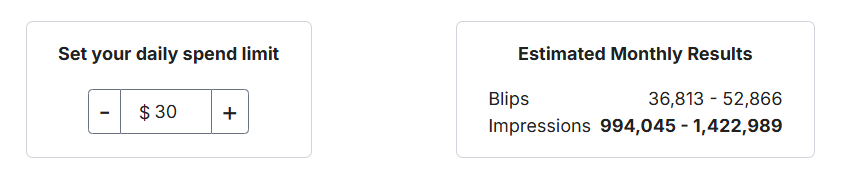
With Blip, advertising on Somerville billboards is flexible and affordable because you set your own daily budget and only pay for the digital ad “blips” you receive—each one a brief 7.5 to 10-second display. Your budget can be adjusted at any time, and Blip automatically keeps your campaign within the limit you choose, so you stay in control of your spending while reaching drivers in the Somerville area. The price of each blip on billboards near Somerville, Massachusetts varies based on when you run your ads, where your displays appear, and real-time advertiser demand.
Where can I advertise with Blip near Somerville, Massachusetts?
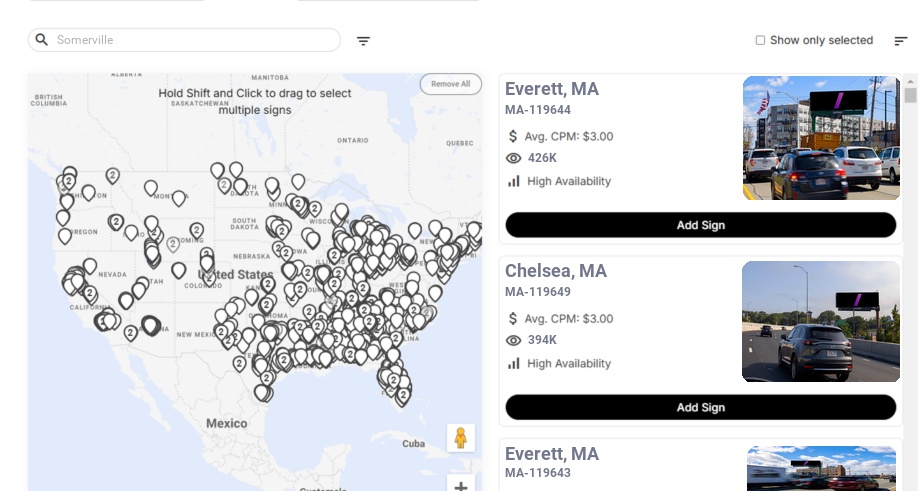
Blip’s 11 digital billboards serving the Somerville area are located in Everett, Chelsea, and Boston. These placements put your message about 2.6 to 3.9 miles from Somerville and reach commuters and shoppers moving through major corridors. Together, they deliver comprehensive billboard advertising near Somerville that tracks the full daily commute.
What kind of audience do Somerville billboards reach in Somerville, Massachusetts?
Somerville is one of the most densely populated municipalities in New England, with about 81,000 residents packed into just over 4 square miles. It is a young, urban, highly educated market, with a median age around 31–32 and many neighborhoods where 60–70% of adults hold at least a bachelor’s degree. The city also has a high renter population and strong income and spending power, making it well suited for awareness and recruitment campaigns.
When is the best time to run Somerville, Massachusetts billboards with Blip?
Peak highway volumes on I‑93, Route 1, and key arterials occur roughly on weekdays from 7:00–9:30 a.m. and 3:30–7:00 p.m. Midday traffic is often lower and more stable, which often translates into more cost-efficient impressions in auction-based buying. With Blip, you can concentrate budget on peak commuting hours, shift to off-peak for efficient frequency, or test different daypart mixes and reallocate to top performers.
What roads and traffic patterns matter most for billboard advertising near Somerville, Massachusetts?
According to the MassDOT Highway Division, I‑93 near Somerville regularly sees on the order of 150,000–180,000 vehicles per day. US Route 1/Tobin Bridge between Chelsea and Boston carries roughly 80,000–90,000 vehicles daily, and nearby arterial roads such as Mystic Avenue, McGrath Highway, and Route 16 frequently exceed 20,000–30,000 vehicles per day on key segments. These routes help billboards near Somerville reach residents, commuters, workers, and shoppers moving through the region.
Do I need a contract to advertise with Blip near Somerville?
No, Blip has no long-term contracts or minimum commitments. You can start, pause, or stop your campaign at any time.
How fast can I launch a billboard campaign with Blip near Somerville?
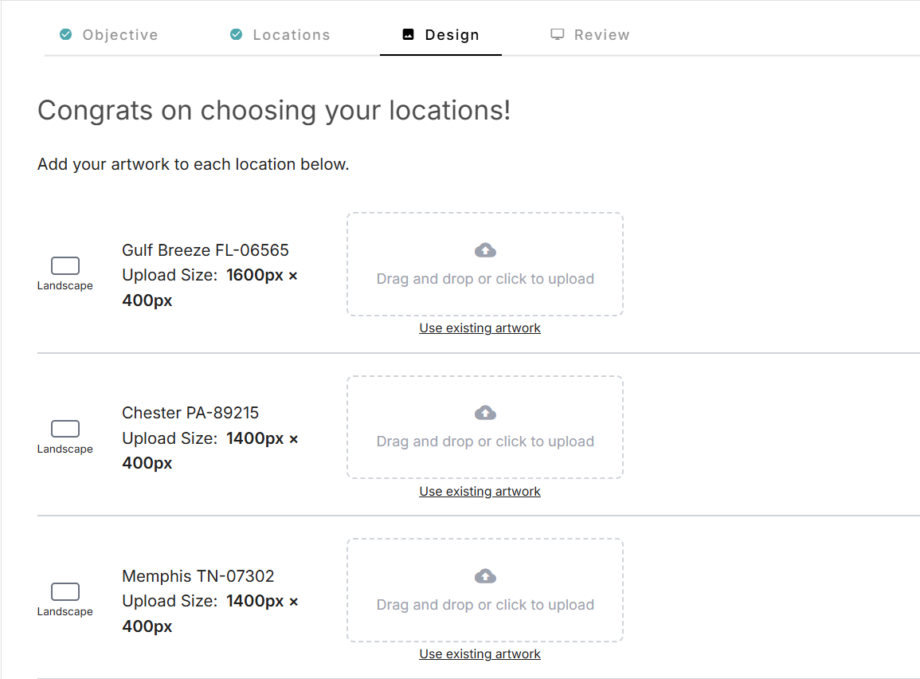
You can have your campaign live in minutes. Create a free account, select your locations, set your budget, upload your design, and start running once approved.
Where can I advertise with Blip near Somerville?
Blip has digital billboards near Somerville. You can browse available locations on a map, choose the ones that fit your audience, and start advertising right away.
Still have questions? Launch a campaign in minutes — no contracts, no commitments.
Start Your CampaignSomerville Billboard Advertising Guide
Somerville sits at the crossroads of Boston’s inner core, with dense neighborhoods, thriving squares, and constant movement between nearby cities. With 11 digital billboards near Somerville serving the area from Everett, Chelsea, and Boston, we can help you tap into one of New England’s highest‑value urban audiences with precision, flexibility, and data-driven strategy. For advertisers comparing Somerville billboards to other Greater Boston options, these placements offer a powerful balance of reach, frequency, and proximity.
Understanding the Somerville Area Market
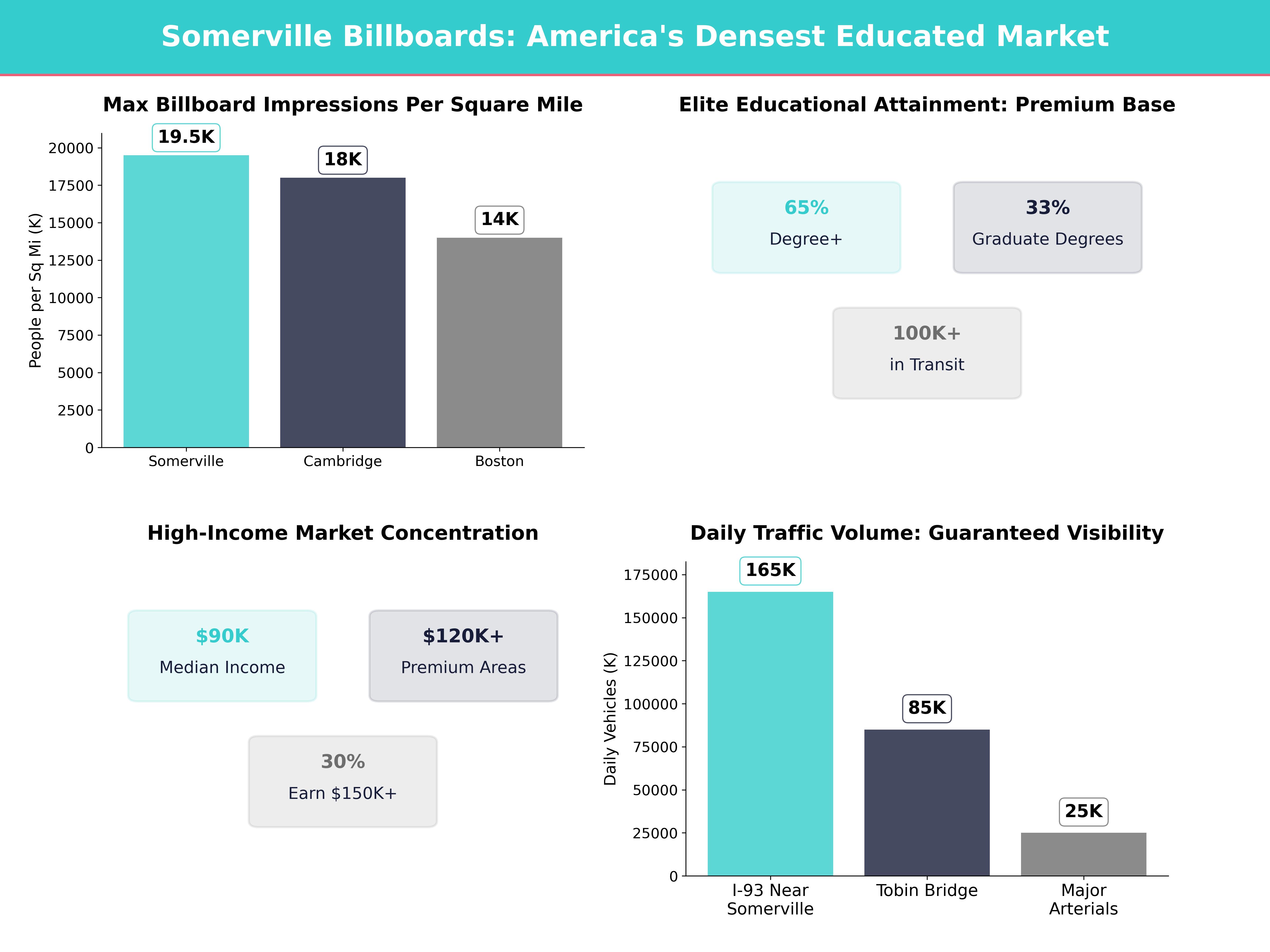
Somerville is one of the most densely populated municipalities in New England, with about 81,000 residents packed into just over 4 square miles. That’s roughly 19,000–20,000 people per square mile—several times the density of most Massachusetts cities and towns, and higher than nearby Cambridge (about 18,000 people per square mile) and Boston overall (about 14,000 per square mile). According to the City of Somerville, more than 30 distinct neighborhoods and squares create an almost continuous urban fabric connected to Boston, Cambridge, Medford, and Everett.
A few key characteristics of the Somerville area market:
- Young, urban, highly educated
Somerville’s median age hovers around 31–32, compared with a statewide median in the low 40s. In many census tracts near Davis Square, Union Square, and East Somerville, roughly 60–70% of adults hold at least a bachelor’s degree, and in some blocks the share of residents with graduate or professional degrees exceeds 30–35%. The city sits between major universities like Tufts (about 12,000 students across undergraduate and graduate programs), Harvard (over 25,000 students), and MIT (over 11,000 students) within an easy commute, plus additional nearby institutions such as Boston University (around 36,000 students) and Northeastern University (roughly 28,000 students). This concentration of students and young professionals makes billboard advertising near Somerville well suited to awareness and recruitment campaigns. - High renter and “move-ready” population
Around 65–70% of households rent, versus roughly 38–40% statewide. That translates into tens of thousands of residents frequently making decisions about housing, local services, furnishings, fitness, and lifestyle. In recent years, Somerville has added thousands of new housing units in areas like Assembly Row and Union Square, drawing waves of new residents every leasing season. - Strong income and spending power
Median household income in Somerville is in the high $80,000s to low $100,000s, and in some west Somerville and Assembly-area tracts, median incomes exceed $120,000. A substantial share of households—often 25–35% in many neighborhoods—report incomes above $150,000, supporting discretionary spending on dining, travel, personal services, and premium brands. - Multi-modal transportation culture
Somerville boasts some of the highest rates of public transit, biking, and walking in Massachusetts. In many neighborhoods, over 50% of commuters use non-car modes, and in some transit-rich tracts, car-free households account for 30–40% of residences. The addition of the Green Line Extension, detailed by the MBTA, introduced six new stations, with some stops seeing several thousand boardings per weekday. Meanwhile, I‑93 and Route 28 serve tens of thousands of drivers moving near the Somerville area every day.
These dynamics make digital billboards serving the Somerville area especially powerful for:
- Brands seeking urban early adopters and high-LTV customers
- Local service businesses (healthcare, legal, real estate, trades)
- Restaurants, bars, entertainment venues, and cultural organizations promoted by groups such as the Somerville Arts Council and Somerville’s tourism office
- Higher ed and professional programs targeting the 100,000+ college and grad students within a short transit ride
- Hiring campaigns and employer branding for Boston-area firms competing in a tight labor market
Where Our Billboards Reach the Somerville Area
Blip’s 11 digital billboards serving the Somerville area are located in:
- Everett (about 2.6 miles from Somerville)
Reaches shoppers heading to and from big-box retailers and entertainment destinations like the Encore Boston Harbor casino, which has reported millions of visits annually and thousands of employees on-site. It also taps commuters using Route 16 and Route 99, which together carry tens of thousands of vehicles per day connecting Everett, Malden, and Somerville. Local development updates from City of Everett - Chelsea (about 3.3 miles from Somerville)
Captures traffic along Route 1 and approach routes to the Tobin Bridge connecting directly to Boston. Chelsea serves as a key gateway between the North Shore and the urban core, with drivers heading to Logan Airport, downtown Boston, and the Seaport. Local briefings from the City of Chelsea and coverage in the Chelsea Record - Boston (about 3.9 miles from Somerville)
Positions your messages close to major employment centers, sports venues, and regional attractions that residents of the Somerville area frequent, including the TD Garden, the Seaport District, and Back Bay. The City of Boston estimates several hundred thousand workers commute into the city on a typical weekday, and local news outlets like Boston.com regularly report on congestion and travel times on the corridors your ads will appear on. When combined with Everett and Chelsea boards, this network delivers comprehensive billboard advertising near Somerville that tracks the full daily commute.
According to the MassDOT Highway Division
- I‑93 near Somerville regularly sees on the order of 150,000–180,000 vehicles per day.
- US Route 1/Tobin Bridge between Chelsea and Boston carries roughly 80,000–90,000 vehicles daily.
- Nearby arterial roads such as Mystic Avenue, McGrath Highway, and Route 16 frequently exceed 20,000–30,000 vehicles per day on key segments.
With digital billboards positioned along these routes, we can help you reach:
- Residents of the Somerville area commuting to and from downtown Boston, the Seaport, Kendall Square, and Longwood Medical Area
- Visitors traveling to Somerville’s and Greater Boston’s restaurants, nightlife, and cultural institutions highlighted by Meet Boston
- Workers and shoppers traveling through Everett and Chelsea to regional destinations such as Encore Boston Harbor, Assembly Row, and major retail corridors
Whether your goal is always-on awareness or a short, targeted push, this coverage makes billboard rental near Somerville a flexible way to stay visible across the region’s most important transportation corridors.
Who You’re Reaching in the Somerville Area
Understanding who lives, works, and plays in the Somerville area informs both creative and scheduling strategy.
Demographic highlights (Somerville-area core):
- Population: ~81,000 residents in Somerville, plus another 700,000+ in adjacent Boston, Cambridge, Medford, Everett, and Chelsea combined
- Median age: around 31–32, with particularly large 25–34 and 35–44 cohorts in many neighborhoods
- Education: more than 60–65% of adults hold at least a bachelor’s degree; in some areas, over 25–30% hold graduate or professional degrees
- Household income: median around the high $80,000s to low $100,000s; in higher-income tracts, median incomes can exceed $120,000–$130,000, with significant segments above $125,000 or even $150,000
- Housing: roughly two-thirds renter-occupied; in some dense multifamily corridors, renter shares exceed 75–80%
- Household size: many one- and two-person households, often accounting for 60–70% of units, plus growing families in certain neighborhoods like Winter Hill and East Somerville
Behavior and lifestyle implications:
- Experience-focused spending: Young professionals and students prioritize food, nightlife, wellness, gyms, boutique retail, and events. Local coverage from The Somerville Times Boston Globe’s metro section
- Digitally savvy, but locally rooted: Smartphone adoption and broadband subscription rates in Somerville are high—often 85–90%+ of households have internet access—making billboard exposure a powerful “offline anchor” that reinforces online ads, search, and social. QR codes and short URLs are particularly effective with this audience.
- Progressive and engaged: Somerville consistently ranks among Massachusetts’ most civically engaged communities, with local elections in some cycles drawing turnout rates above 30–40% despite being off-year municipal contests. Local government and news sources like Somerville City Hall, the Somerville Arts Council, and outlets such as The Somerville Times WBUR and GBH News.
For advertisers, this points toward:
- Clear, clever, and concise messaging that respects an informed audience
- Aligning with local values—sustainability, equity, creativity, and community
- Calls to action that drive both digital engagement and local foot traffic, often within a 5–15 minute walk or transit ride
Mobility Patterns and When to Target
People in the Somerville area are constantly moving between home, work, school, and entertainment across city lines. Leveraging Blip’s scheduling controls, you can align impressions with these patterns.
Commuting flows
Data from regional transportation and planning sources, including MassDOT
- A large share of Somerville-area residents commute to Boston, Cambridge, and the surrounding employment centers; depending on neighborhood, 50–70% of workers travel outside Somerville for work.
- MBTA boardings at nearby stations (e.g., Sullivan Square, Assembly, Davis, and the new Green Line Extension stops) total tens of thousands of riders on a typical weekday.
-
Peak highway volumes on I‑93, Route 1, and key arterials occur roughly:
- Weekdays, 7:00–9:30 a.m. (inbound to Boston/Cambridge)
- Weekdays, 3:30–7:00 p.m. (outbound dispersing northwest and north)
How to use this with Blip:
-
Morning focus (7–10 a.m.):
- Coffee shops, breakfast spots, gyms, transit-accessible retail
- B2B advertisers targeting professionals: “See us before your next meeting”
- Professional services (financial, legal, healthcare) capturing commuting decision-makers
-
Evening focus (4–8 p.m.):
- Restaurants, grocery, meal kits, entertainment, nightlife
- Service businesses for after-work calls: medical, financial, legal, home services
- On average, a large share of regional spending on dining and retail occurs after 4 p.m., making evening impressions especially valuable
Midday and late night
-
Midday (10 a.m.–3 p.m.): Typically lower congestion and more stable traffic, which often translates into more cost-efficient impressions in auction-based buying.
- Ideal for healthcare practices, salons, auto services, and other businesses open during work hours
- Universities and training programs targeting students’ class transitions and remote workers running errands
-
Late night (9 p.m.–2 a.m.):
- Bars, clubs, late-night food, rideshare promotions, and streaming services
- Hiring campaigns for hospitality, logistics, and healthcare night shifts—sectors that in Greater Boston employ tens of thousands of late- and overnight-shift workers
Because you can adjust bids and schedules in near-real time with Blip, we can design campaigns that:
- Concentrate budget on peak commuting hours for maximum reach and unique viewers
- Shift to off-peak for efficient frequency and repeated exposures
- Test different daypart mixes and reallocate to top performers based on web, foot-traffic, or call data
Creative Best Practices for the Somerville Area
The Somerville area audience is visually literate and used to dense environments—your creative must cut through quickly.
1. Prioritize ultra-clear hierarchy
Drivers on I‑93, Route 1, and major arterials have only a few seconds—often 4–8 seconds at typical speeds—to absorb your message. Aim for:
- 6–10 words total on each design
- One dominant call to action (CTA)
- Brand or logo large enough to recognize at a glance, often occupying at least 10–15% of the canvas height
2. Match the area’s visual culture
Somerville and nearby neighborhoods are known for murals, festivals, and independent art—highlighted by organizations like the Somerville Arts Council and events such as ArtBeat and SomerStreets. To fit the environment:
- Use bold, high-contrast color palettes that stay legible in all weather and lighting
- Consider graphic, illustration-style elements rather than stock-photo-heavy layouts
- Reference local landmarks or neighborhoods (Davis Square, Union Square, Assembly area, Winter Hill) when meaningful to increase relevance and recall
- When you mention events or locations promoted by Somerville’s tourism and events listings, echo the same naming conventions and visuals used locally
3. Lean into local tone and identity
This audience responds well to smart, concise copy with a local nod:
- Witty headlines that reward repeat exposure during daily commutes
- Short local references (“Steps from Davis,” “Green Line easy,” “Just over the bridge”)
- Authentic language—avoid generic, national-sounding slogans that feel disconnected from Greater Boston’s culture
4. Design for multi-touch journeys
Residents of the Somerville area bounce between offline and online constantly. Use billboards to:
- Reinforce social and search campaigns with the same color, tagline, and URL
- Use memorable short URLs or QR codes for offers (but keep QR large and simple; aim for at least 10% of the screen width)
- Highlight Instagram handles or branded hashtags if they’re short, such as tags used by local organizations featured on Somerville City Hall and Meet Boston
Timing Campaigns Around the Local Calendar
The Somerville area has a robust calendar of events that bring spikes in regional traffic and attention.
Consider aligning campaigns with:
-
Spring & early summer (April–June)
- University commencement season (Tufts, nearby Harvard and MIT) brings tens of thousands of visitors—each school often hosts several graduation ceremonies attracting 5,000–20,000 guests over multiple days.
- Outdoor dining and events ramp up across greater Boston and Somerville; the City of Somerville has documented hundreds of outdoor dining permits and event applications in some recent seasons.
- Effective for moving services, financial planning, and career programs as residents transition, sign new leases, and change jobs.
-
Summer festivals
- Arts events and street festivals promoted by groups like the Somerville Arts Council draw thousands from around Greater Boston. Signature events like ArtBeat and SomerStreets can attract crowds of several thousand people per day, along with performers and vendors.
- Ideal for restaurants, beverage brands, entertainment, and experiential activations near the Somerville area.
-
Back-to-school (August–September)
- Tens of thousands of students return to colleges in surrounding cities; Greater Boston’s higher ed population exceeds 150,000–200,000 students across dozens of campuses.
- Great for furniture, tech, banking, fitness, and food delivery, as well as local services like bike shops and tutoring centers.
-
Holiday season (November–December)
- Traffic to regional shopping destinations in Everett, Boston, and Cambridge spikes. Retail centers like Assembly Row, Cambridgeside, and the downtown crossings often report double-digit percentage increases in foot traffic compared to off-peak months.
- Promote gift cards, retail offers, and seasonal services such as home cleaning, delivery, and events.
-
Local elections and civic campaigns
- Somerville-area voters are highly engaged; municipal elections, ballot questions, and advocacy campaigns often see strong turnout, as reflected in coverage by outlets like Boston.com and the Boston Globe’s metro section
- Ideal for issue advertising, awareness campaigns, and nonprofit fundraising. Civic advertisers can schedule heavier flights in the 2–4 weeks leading up to election day, when voter attention and news coverage are most intense.
With Blip, we can “turn on” intensified flighting for specific days, weekends, or event windows without committing to long-term static placements, making it easier to align with hyper-local spikes in activity and maximize the impact of billboard advertising near Somerville.
Using Blip’s Flexibility to Your Advantage
Digital billboard advertising serving the Somerville area becomes far more powerful when we tailor it to your objectives and budget. Some strategic plays:
1. Micro-geographic focus
- Use locations in Everett and Chelsea to dominate drivers coming from the northbound and southbound corridors passing near the Somerville area, including commuters from the North Shore and Route 1 suburbs.
- Deploy Boston-area boards to “bookend” the commute, catching both the city-side and homeward-side legs of the journey. This can effectively double daily exposures among frequent commuters, who may traverse the corridor 10+ times per week.
Together, these placements function as an integrated Somerville billboards network, even though the physical structures sit just outside city limits.
2. Daypart and weekday vs. weekend strategies
- Weekday-heavy: For B2B, commuting professionals, education programs, and home services—segments that see peak demand Monday–Thursday.
- Weekend-heavy: For entertainment, local attractions, restaurants, and retail, when many residents spend a higher share of their discretionary time and money in the city.
-
Test two schedules:
- Campaign A: Mon–Fri, 7–10 a.m. & 4–7 p.m.
- Campaign B: Sat–Sun, 10 a.m.–10 p.m.
- Compare performance in your website analytics and store traffic and shift budget toward the stronger performer. Even modest lifts—such as a 5–10% increase in direct traffic or in-store visits during campaign windows—can indicate a strong return on ad spend.
3. Creative rotation and experimentation
Blip makes it simple to upload multiple creatives and see which performs best in support of your goals:
-
Run 2–4 variations at once:
- Different headlines
- Different offers (percentage discount vs. dollar amount vs. “first visit free”)
- Different imagery (people-centric vs. product-centric)
- Use A/B results from digital channels to inform which billboard creatives to amplify. If a particular message improves click-through rates online by, say, 15–20%, prioritize that message in your out-of-home rotation to maximize consistency and recall.
Industry-Specific Playbooks for the Somerville Area
Different verticals can leverage the Somerville area’s profile in specific ways.
Local restaurants, bars, and cafes
- Highlight proximity: “5 minutes off Exit X,” “One stop from Davis,” “Under the Green Line.” With many residents willing to travel 5–15 minutes for dining, clear location-based cues matter.
- Use time-based offers: Happy hour specials targeting 3–7 p.m. impressions, or late-night menus promoted after 9 p.m.
- Sync creative with local events and neighborhood festivals promoted by Somerville’s event listings and regional sites like Meet Boston, capturing visitors who are already in the area.
Healthcare and wellness
- Primary care, dental, urgent care, and mental health providers can reach commuters who prefer services near home, especially in neighborhoods where 20–30% of residents report not having a regular primary care provider.
- Emphasize convenience and access: evening hours, telehealth, walk-ins, and locations near MBTA stations or major bus routes.
- Target morning and early evening for appointment booking CTAs, when commuters are thinking about to-do lists and family needs.
Real estate and housing services
-
Given the high share of renters and frequent moving—Somerville sees thousands of lease turnovers each year—there is a constant churn of prospects.
- Promote apartment communities, brokers, and property management with clear move-in dates and incentives.
- Highlight move-in specials, no-fee listings, or proximity to transit and bike paths.
- Position messages on Boston- and Everett-area boards to intercept those considering shifting into or within the Somerville area, especially around September 1, when Greater Boston experiences a major lease turnover cycle. For leasing teams, short-term billboard rental near Somerville during this window can provide a concentrated burst of qualified leads.
Higher education and professional training
- Use smart, aspirational language; this audience values credentials and advancement, with a high share of residents holding or pursuing advanced degrees.
- Target early morning and late evening to reach working professionals who may be considering part-time, online, or hybrid programs.
- Promote program start dates and application deadlines prominently; clear date-based CTAs can help boost inquiry volumes in the final 2–6 weeks before cohorts begin.
Hiring campaigns
- Many employers across healthcare, logistics, hospitality, tech, and trades draw from the Somerville area labor pool. Regional employment hubs like Kendall Square, Assembly Row, and downtown Boston collectively host tens of thousands of jobs within a short commute.
- Use simple, bold headlines: “Starting $X/hr – Hiring in Everett,” “Work near the Somerville area,” “$Y signing bonus.”
-
Schedule heavily around:
- Early morning (for night-shift workers heading home)
- Late afternoon/early evening (for those considering a job change after work)
- Include short URLs or text-to-apply numbers to reduce friction; even modest response rates (e.g., 0.1–0.3% of unique viewers) can produce a strong pipeline in a dense corridor.
Measuring Success and Optimizing Over Time
While billboards are a one-to-many medium, campaigns serving the Somerville area can be tracked and optimized with rigor.
Ways to measure impact:
-
Web and app analytics
- Watch for lifts in direct traffic and branded search volume in the Somerville, Everett, Chelsea, and Boston corridors during flight periods. For many advertisers, a 5–15% lift in direct traffic during a billboard campaign is a strong indicator of impact.
- Use vanity URLs or unique promo codes on billboard creatives to isolate response, even if only a small share of users (often 1–5%) type them in directly.
-
Store and call-center data
- Track in-store redemptions, appointment volume, or call spikes against campaign timing.
- Compare locations proximate to the billboard corridors with control locations farther away to estimate incremental lift.
-
Surveys and customer feedback
- Ask “How did you hear about us?” and track the share citing “billboard” or “sign on the highway.” In many local campaigns, 5–20% of new customers may report seeing an out-of-home placement when prompted.
Optimization levers with Blip:
-
Shift impressions toward the best-performing:
- Locations (Everett vs. Chelsea vs. Boston)
- Time windows (morning, midday, evening, late night)
- Day types (weekday vs. weekend)
-
Retire underperforming creatives and expand on winners:
- If a specific discount or message drives more conversions, create more variations around that theme.
- If locality cues (“Near Davis Square,” “Off Exit X,” “Steps from Green Line”) correlate with stronger engagement, incorporate them into additional designs that emphasize billboards near Somerville and nearby commuter routes.
-
Adjust budget dynamically:
- Increase bids around key holidays, events, or peak seasons flagged on calendars from Somerville City Hall and Meet Boston.
- Lower bids or narrow schedules during slower periods while maintaining brand presence for baseline awareness.
Bringing It All Together
Advertising on digital billboards serving the Somerville area gives you direct access to a dense, educated, and mobile urban audience that moves constantly through Everett, Chelsea, and Boston. By combining:
- Local knowledge of how people in the Somerville area live, commute, and spend
- Strategic placement across 11 digital billboards on corridors carrying hundreds of thousands of vehicles each day
- Smart scheduling, testing, and creative tailored to the region’s character
we can help you build campaigns that not only get seen but actually drive measurable business results. Whether you are a local business rooted in the Somerville area or a regional or national brand looking to win attention in Greater Boston’s urban core, flexible billboard rental near Somerville with Blip offers the focus, reach, and control to meet your goals.