Billboards in Lincoln Park, NJ
No Minimum Spend. No Long-Term Contracts. Just Results.
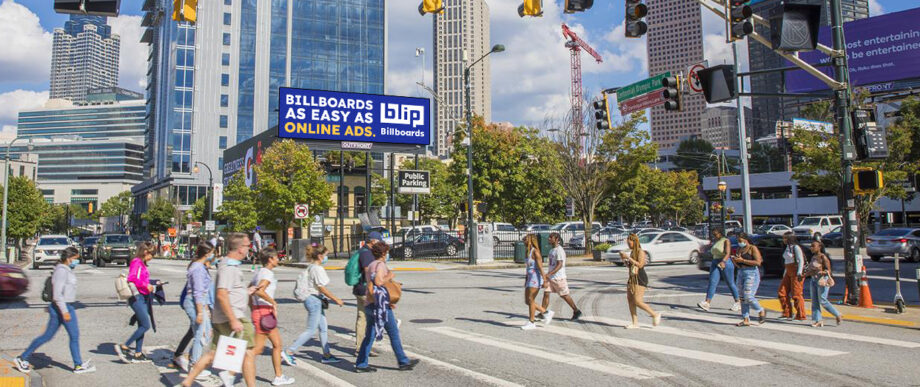
Turn heads with Lincoln Park billboards that pop, not flop. Blip puts 20 digital billboards near Lincoln Park, New Jersey at your fingertips, letting you set your budget, timing, and creative so your message lights up the Lincoln Park area in style.
Billboard advertising
in Lincoln Park has
never been easier
HERE'S HOW IT WORKS

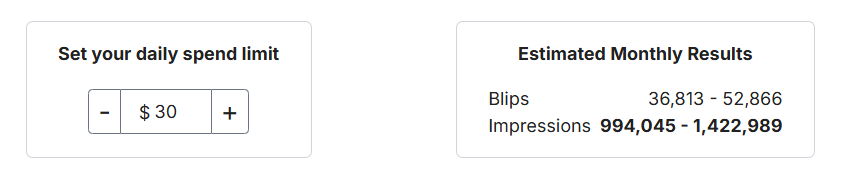
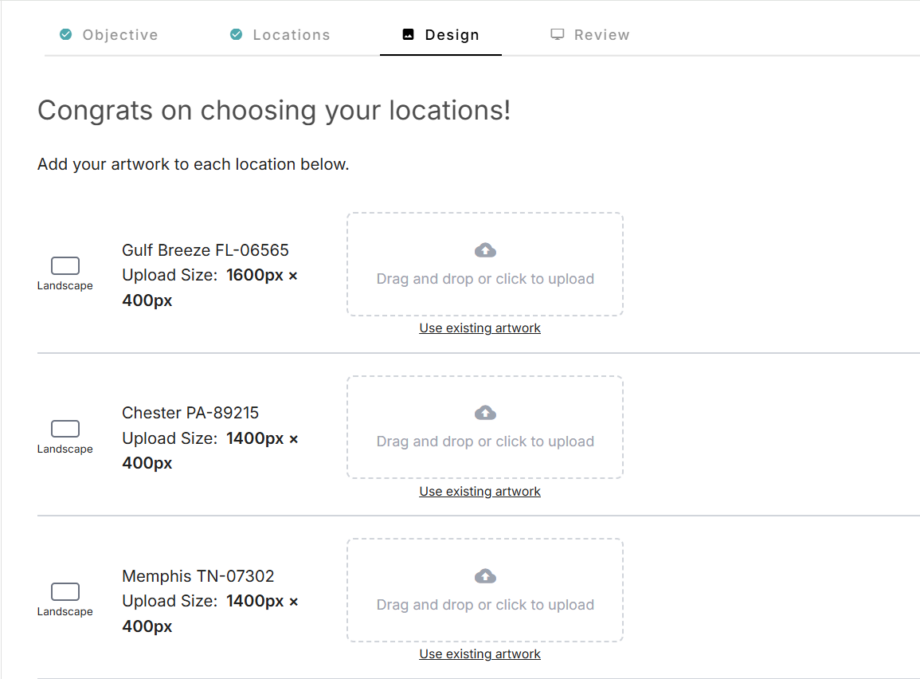
How much is a billboard in Lincoln Park?
Billboards in other New-jersey cities
Lincoln Park Billboard Advertising Guide
The Lincoln Park, New Jersey area offers a powerful mix of suburban stability, commuter traffic, and regional shopping and entertainment patterns that make digital billboards an especially smart play. With 20 Blip digital billboards within about 10 miles of Lincoln Park—in nearby Totowa, Caldwell, Little Falls Bloomingdale, Butler, Woodland Park Oakland
Understanding the Lincoln Park Area Market
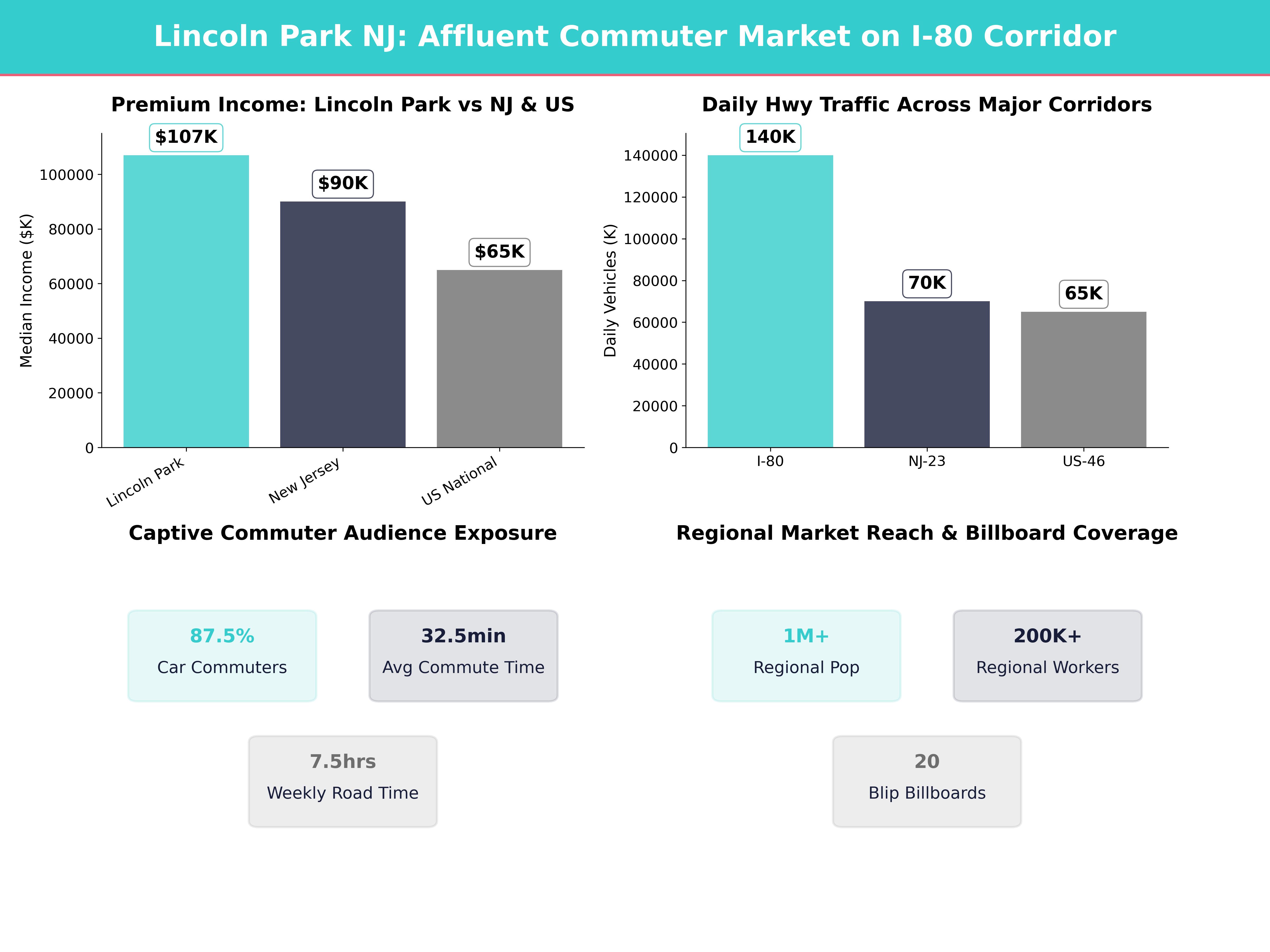
Lincoln Park is a small but affluent borough in Morris County, bordered by Passaic County communities and just over 20 miles from Midtown Manhattan. According to recent estimates, Lincoln Park’s population is about 10,900–11,000 residents (the 2020 Census counted 10,915 people), and the borough’s median household income is in the low- to mid‑$100,000s (roughly $104,000–$110,000 based on recent American Community Survey data). That places Lincoln Park:
- Roughly 10–20% above the overall New Jersey median household income (around the low‑$90,000s)
- More than 60% above the national median household income (in the mid‑$60,000s)
Home values and local tax data from Morris County show that many single‑family homes in the Lincoln Park area fall in the $400,000–$650,000+ range, indicating solid purchasing power and equity-driven spending. For advertisers, this means Lincoln Park billboards can reach a customer base that is both affluent and actively spending on local goods and services.
A few key characteristics of the Lincoln Park area audience:
- Stable, long-term residents:
Owner-occupancy in Lincoln Park typically runs in the 65–70% range, and many neighborhoods see residents staying 10+ years. That stability correlates with strong ties to local businesses, schools, and services and makes consistent billboard messaging more effective over time. - Commuter-heavy lifestyle:
A large share of residents commute to employment centers in Morris County, Passaic County, Essex County, using corridors like I‑80, I‑287, US‑46, and NJ‑23. Average one‑way commute times for northern New Jersey workers often fall between 30 and 35 minutes, with a significant portion spending 45+ minutes each way, meaning 5–10 hours per week spent on the road—prime time for repeated billboard impressions. - Highly mobile, car-dependent area:
In many Morris and Passaic County communities, more than 85–90% of workers commute by car, and over 40% of households have 2 or more vehicles. The borough itself is walkable in spots, but daily life is built around driving, making roadside media extremely visible and relevant. - Family-focused demographics:
Lincoln Park has a strong family base: roughly one‑quarter to one‑third of residents are under age 25, and a large percentage of households include children under 18. Lincoln Park Public Schools ( district website 90%. Many families feed into regional high schools and nearby colleges like William Paterson University in Wayne, which enrolls around 9,000–10,000 students. Family, education, and youth-related campaigns perform particularly well.
This mix means advertisers can use our digital billboards near Lincoln Park to speak to:
- Established homeowners with disposable income and strong credit
- Busy parents and caregivers managing multiple weekly trips for school, sports, and shopping
- Commuters heading toward Newark/ Jersey City
- College students and young professionals passing through key corridors
Local information from the Borough of Lincoln Park and Morris County can provide additional detail on population, services, and community programs that shape local demand and help fine-tune billboard advertising near Lincoln Park for specific neighborhoods or audience segments.
Where Our Billboards Are and How They Serve the Lincoln Park Area
We operate 20 digital billboards within about 10 miles of Lincoln Park, concentrated along heavily traveled corridors in:
- Totowa (about 4.5 miles from Lincoln Park)
- Caldwell (4.8 miles)
- Little Falls (5.1 miles)
- Bloomingdale (5.5 miles)
- Butler (5.7 miles)
- Woodland Park (5.7 miles)
- Oakland (7.1 miles)
Many of these towns have their own strong retail and dining bases—Totowa, Little Falls, and Wayne Township together host hundreds of retail and restaurant establishments—so you are not only reaching Lincoln Park residents, but also neighboring shoppers and diners. This regional reach is what makes billboard rental near Lincoln Park so effective for both small local businesses and multi-location brands.
These locations sit along or near some of northern New Jersey’s key roadways:
- I‑80 & US‑46 (Totowa, Woodland Park, Little Falls):
NJDOT traffic counts indicate that segments of I‑80 near Woodland Park and Totowa carry roughly 130,000–150,000 vehicles per day, or 3.9–4.5 million vehicle trips per month on a typical segment. US‑46 in the same area generally sees 60,000–70,000 vehicles daily, depending on the segment, translating to around 1.8–2.1 million monthly trips. These routes carry commuters toward Newark, Jersey City, and New York City, plus local shoppers heading to big-box retail, auto dealers, and malls such as the Willowbrook Mall retail area in Wayne. - NJ‑23 (Bloomingdale, Butler):
NJ‑23 is a primary north–south artery between Wayne, Kinnelon, and Franklin Lakes, with busier sections carrying on the order of 60,000–80,000 vehicles per day and somewhat lower volumes (30,000–50,000 daily) in more northerly stretches. Over a month, that can mean 1–2 million+ vehicle trips past boards in the Bloomingdale/Butler area. Motorists include Lincoln Park area residents traveling to shopping centers, recreation spots, and workplaces. - I‑287 (Oakland):
I‑287 is a regional beltway moving traffic between Morris, Passaic, and Bergen Counties. Near Oakland, daily traffic commonly exceeds 100,000 vehicles, or 3+ million trips per month, capturing long-distance commuters and regional freight traffic moving between the I‑80, I‑280, and Garden State Parkway corridors.
Local resources such as Passaic County’s official site and Morris County provide context on population (each county with roughly 500,000 residents), employment centers, and attractions that drive this traffic. Visit New Jersey’s tourism site and the Morris County Tourism Bureau highlight parks, historic sites, and events that also contribute to weekend and seasonal travel.
For advertisers, the key takeaway is that although our screens are near—rather than inside—Lincoln Park, they sit exactly where Lincoln Park area residents drive every day:
- To shop in Wayne, Totowa, and Paramus (each with major retail corridors and malls attracting tens of thousands of shoppers per week)
- To work in Parsippany, Newark, and Manhattan, where many large employers and office parks are located
- To attend school or college, including campuses like William Paterson University and Montclair State University (with combined enrollments exceeding 25,000 students)
- To reach recreation areas in the Highlands and along the Passaic and Pequannock rivers
This pattern makes billboards near Lincoln Park a practical way to intercept both routine commuter trips and discretionary shopping and leisure travel.
Audience Profiles and Campaign Objectives in the Lincoln Park Area
Because the Lincoln Park area is a crossroads between Morris and Passaic counties, campaigns can effectively target several overlapping audiences across a regional population of more than 1 million residents.
1. Local household decision-makers
- Age range often 30–64, a prime spending demographic
- Homeownership rates in Lincoln Park and adjacent towns typically run 5–10 percentage points above national averages
- Median household incomes around or above $100,000, with a sizable share of households earning $150,000+
-
Strong propensity to spend on home improvement, healthcare, professional services, and kids’ activities; consumer expenditure data for similar income brackets show annual spending of:
- $4,000–$6,000 on home maintenance and improvement
- $5,000–$8,000 on healthcare
- $7,000–10,000 on entertainment, dining out, and recreation
Ideal objectives:
- Drive awareness for local services (home contractors, dentists, medical practices, auto repair, real estate)
- Promote limited-time offers at retailers and restaurants in nearby hubs like Wayne, Totowa, and Fairfield
- Reinforce brand credibility and trust with repeated impressions along daily routes, aiming for 20–40+ exposures per month per frequent driver
2. Commuters and regional professionals
- Traveling to Newark, Jersey City, Manhattan, and large corporate clusters in Parsippany, Fairfield, Montville, and beyond
- Often passing the same boards twice daily, five days a week—up to 40+ passes per month per frequent commuter
- Many work in sectors like finance, healthcare, logistics, and professional services, which in Morris and Passaic counties together employ well over 200,000 workers
Ideal objectives:
- Brand-building campaigns for financial services, legal practices, insurance, and regional healthcare systems
- Recruitment campaigns for employers within a 10–20 mile radius (warehouses, offices, distribution centers along I‑80 and I‑287)
- App, subscription, or e‑commerce brands seeking repeated exposure before/after the workday when purchase intent is high
3. Youth and education-linked audiences
- Families with K–12 students in local schools; nearby districts often report student enrollments in the thousands and strong involvement in extracurriculars
- College students commuting to William Paterson University, Montclair State University, and other campuses, many of whom travel by car along I‑80, US‑46, and NJ‑23
- Youth sports families traveling to fields and facilities across Passaic and Morris counties; regional leagues and tournaments can bring in hundreds to thousands of visiting families on busy weekends
Ideal objectives:
- Promote tutoring centers, after-school programs, music and arts schools
- Highlight enrollment periods for private schools or childcare centers
- Support youth sports tournaments, camps, and clinics with date‑specific creatives
Local media like NorthJersey.com and NJ.com often report on demographic, school, and development trends—such as enrollment shifts or new housing projects—that can help you refine these audiences further and decide which Lincoln Park billboards or nearby corridors offer the best fit.
Timing Your Campaign: When to Run Near Lincoln Park
With digital billboards, timing is as important as location. The Lincoln Park area’s traffic patterns and calendar give us clear windows of opportunity.
Daily and Weekly Dayparts
Traffic count diagrams from NJDOT and regional planning studies typically show pronounced weekday peaks on I‑80, US‑46, I‑287, and NJ‑23:
-
Morning commute (6–9 a.m.):
In many northern New Jersey corridors, 30–35% of weekday daily traffic occurs between early morning and late morning. Strong flows east- and southbound on I‑80, US‑46, and NJ‑23. Great for:- Coffee shops, breakfast spots, and convenience stores
- Traffic, weather, or news-linked messages
- Motivational, “start your day” messaging for gyms or wellness brands
-
Afternoon school and errand window (2–5 p.m.):
School dismissal typically falls between 2:30 and 3:30 p.m., driving a spike in local trips. Parents and caregivers move between schools, activities, and shopping centers. Effective for:- Family restaurants, quick-service dining, and dessert shops
- Pediatric and family healthcare
- Retail promotions targeting weekday errands
-
Evening commute (4–7 p.m.):
Another 30% or more of weekday traffic is often concentrated in the late afternoon and early evening. Heavy westbound traffic returns toward Lincoln Park, Pompton Plains, Butler, and Kinnelon. Ideal for:- Restaurants, entertainment, and local events
- Gyms and fitness studios
- Messaging about home services (“Schedule tonight, service tomorrow”)
-
Weekends:
Weekend traffic volumes can be 10–20% lower on pure commuter highways but significantly higher near retail clusters. The Willowbrook/Wayne and Totowa retail areas attract thousands of shoppers per day on Saturdays and Sundays. Use weekends to drive:- Sales events and limited-time offers
- Recreation, sports, and local attractions
- Seasonal businesses (landscaping, snow removal, tax preparation)
Blip’s flexible scheduling allows us to concentrate your budget into the specific hours and days that matter most, rather than paying for around-the-clock impressions you don’t need, making billboard rental near Lincoln Park both efficient and predictable.
Seasonal Trends
Northern New Jersey’s four-season climate shapes behavior—and messaging—across roughly 4,000+ degree days annually and wide temperature swings:
-
Winter (Dec–Feb):
- Short days and early sunsets mean heavy commute-time impressions in the dark—by December, sunset is before 4:30 p.m. Make creatives bold and high-contrast.
- Emphasize heating, automotive maintenance (battery, tires, brakes), winter sports, and holiday shopping.
- Many retailers see 20–30% of annual sales in the November–December period.
-
Spring (Mar–May):
- Home improvement, landscaping, and real estate listings spike; historically, spring and early summer account for 40%+ of annual home sales in many New Jersey markets.
- Tax season campaigns typically run strongest from late February through mid-April, as filers approach the April 15 deadline.
- Allergy, primary care, and dental campaigns resonate as families schedule routine checkups.
-
Summer (Jun–Aug):
- School is out; local travel patterns shift. Families travel to lakes and parks in Bloomingdale, Butler, and Oakland, as well as shore points via I‑287 and I‑80 highlighted on Visit New Jersey’s tourism site.
- Promote camps, outdoor dining, recreational venues, and weekend events.
- Many camps and summer programs rely on registrations that peak 8–12 weeks before the season, so early promotion is critical.
-
Fall (Sep–Nov):
- Back-to-school, after-school programs, and fall sports dominate; schools in Morris and Passaic counties typically resume in early September.
- Strong window for healthcare (flu shots, checkups) and financial planning campaigns heading into year-end.
- Retailers begin holiday promotions as early as October, and local events like Halloween attractions, harvest festivals, and small business Saturdays gain attention.
We can use Blip’s calendar tools to deploy different creatives by month or week, ensuring your messages always match what people in the Lincoln Park area are actually doing. Check community calendars on the Borough of Lincoln Park’s official site, Passaic County, and Morris County for date-specific opportunities.
Crafting Effective Creative for the Lincoln Park Area
In heavy-traffic corridors with fast-moving vehicles, clarity is everything. Research on out-of-home (OOH) recall suggests that simple designs can boost ad recognition by 20–30 percentage points over cluttered layouts. We recommend the following for campaigns near Lincoln Park:
Keep Copy Short and Punchy
Most drivers have 3–7 seconds to view your message. Aim for:
- 6–8 words total, no more than 2–3 lines of text
- One clear call to action: “Exit 53 Totowa,” “Rt. 23 North, Butler,” “Schedule at [short URL]”
Avoid local jargon that only a tiny subset would recognize; instead, use widely known reference points: “near Willowbrook Mall,” “off Route 23,” “minutes from Lincoln Park.” Keeping these references front and center makes it obvious your ad is part of the broader ecosystem of billboard advertising near Lincoln Park.
Leverage Local Landmarks and References
Tie your brand to familiar waypoints and commuting infrastructure:
- “5 minutes from the Lincoln Park train station”
(NJ Transit Montclair-Boonton Line info) - “Next to Home Depot off Route 23”
- “Across from Willowbrook in Wayne”
- “Just off I‑80 Exit 53 Totowa”
Including a distance or exit number can significantly boost response because it tells people how close you actually are. Studies of directional OOH signage show that adding clear wayfinding (exits, miles, or minutes) can increase store visits by up to 10–20% versus brand-only messaging.
Match Visual Tone to Suburban, Family-Oriented Audiences
The Lincoln Park area responds well to:
- Clean, professional design (healthcare, financial services, education, professional offices)
- Family-friendly imagery (kids, parents, home life, pets)
- Practical value propositions (“Same-day appointments,” “Free estimate,” “0% APR for 12 months”)
Use high contrast—dark text on light backgrounds or vice versa—and large fonts (ideally 10–15% of the height of the entire design for the main message) to ensure readability at highway speeds. Avoid more than 1–2 brand colors plus a neutral background to maintain legibility.
Test Multiple Creatives
Digital OOH allows you to treat creative like an ongoing test rather than a one-time decision:
- Run 2–4 versions with different headlines or offers.
- A/B test call-to-action styles: “Call Today,” “Text LINCOLN to 55555,” “Scan to Save 20%.”
- Evaluate performance using web analytics (changes in direct traffic and branded search), call volume, coupon redemption, or QR code scans.
- Adjust based on real-time results—shift budget toward top performers and pause underperforming designs, potentially improving response rates by 15–30% over time.
Using Blip’s Tools Strategically Near Lincoln Park
Because our billboards near Lincoln Park are digital and purchased per “blip” (a single play of your ad), we can tailor campaigns with precision.
Geographic Strategy
- Core coverage:
Focus on screens in Totowa, Little Falls, and Woodland Park for primary daily commuter flows between Lincoln Park, Wayne, and eastern employment centers along I‑80 and US‑46. These corridors see combined volumes well over 200,000 vehicles per day and function as de facto Lincoln Park billboards for many area residents. - Northern and western spillover:
Add boards in Bloomingdale, Butler, and Oakland to capture weekend leisure traffic and residents from Kinnelon, Riverdale, and Pompton Lakes who share shopping and service catchments with the Lincoln Park area. These communities collectively add tens of thousands of additional residents within a 10–15 mile radius. - Eastern lifestyle and dining traffic:
Use Caldwell boards to reach audiences traveling for dining, nightlife, and services tied to Essex County, which many Lincoln Park area residents frequent. The broader Essex/Montclair–Caldwell region is known for dense restaurant and entertainment districts that draw visitors from across northern New Jersey.
You can selectively include or exclude boards by location in your Blip campaign to match your actual trade area, adjusting coverage as you see changes in your customer ZIP codes and lead forms. This tailored approach helps ensure your billboard advertising near Lincoln Park is tightly aligned with your most valuable traffic patterns.
Budgeting and Frequency
Even modest daily budgets can be effective if we concentrate your buys:
-
A small business might start with $10–$20 per day, focused on:
- Rush hours only (morning and evening commutes)
- A subset (for example, 5–8 of our 20 nearby boards)
- 1–2 core creatives
Depending on bid levels and competition, this can translate into dozens to a few hundred blips per day, enough to generate multiple exposures per week for regular commuters.
-
Larger advertisers can push for:
- Higher frequency (more blips per hour per board)
- Broader coverage across all nearby boards
- Multiple dayparts (commute, mid-day, weekends)
Many OOH planners aim for a target of 20–50 impressions per person per month among core audience segments to build familiarity and recall. We can back into this goal using estimated traffic volumes from NJDOT, your selected boards, and schedule.
Flexibility for Events and Promotions
Because the Lincoln Park area hosts seasonal events—like town celebrations, school functions, and regional festivals—you can:
- Launch a campaign for just a few days or weeks around an event
- Increase your budget right before a big sale or opening
- Swap creatives in real time if plans or inventory change
Check the Borough of Lincoln Park’s official site, Morris County Tourism Bureau, and Passaic County for event calendars and local happenings you can align with, such as summer concerts, street fairs, and holiday parades that may bring hundreds or thousands of additional visitors into the area on specific days.
Local Use Cases: Who Wins with Billboards Near Lincoln Park
Advertisers who can benefit most from digital billboards serving the Lincoln Park area include:
- Medical and dental practices
Target high-income residents with messages like “New patients welcome – 10 minutes from Lincoln Park, off Rt. 23.” The local and regional healthcare market is robust—Morris and Passaic counties together host dozens of major medical practices and hospital networks. Include phone, website, and a simple benefit (“Same-day appointments available”). Consider aligning flu shot, urgent care, or dental promotion windows with back-to-school and winter illness peaks. For practices looking to stand out, securing consistent billboard rental near Lincoln Park can build long-term brand familiarity. - Home services (HVAC, roofing, landscaping, plumbing)
With high homeownership levels and older housing stock in parts of Morris and Passaic counties, spending on repairs and upgrades is significant. Emphasize fast response and local expertise: “Trusted in Morris & Passaic for 25+ years.” Use boards on I‑80 and NJ‑23 to stay in front of homeowners year-round, especially around weather extremes (heat waves, cold snaps, and storms) that drive urgent demand. - Restaurants and quick-service chains
Promote lunch and dinner specials timed to commute hours. Include exit numbers or simple directions (“Next right after Exit 53”). Boards in Totowa and Little Falls are especially valuable, given their proximity to dense restaurant corridors and high daily traffic volumes of tens of thousands of vehicles. - Real estate agents and brokerages
With many buyers moving from denser areas into towns like Lincoln Park, Pompton Plains, and Butler, there is steady demand for for‑sale homes and rentals. Message inventory and expertise: “Thinking of moving to the Lincoln Park area? Call [Name].” Highlight that low local inventory and competitive bidding in Morris and Passaic counties can make expert representation critical. Rotate listings and “Just Sold” creatives to build authority and maintain visibility over multi‑month buying cycles. - Education and youth programs
Districts in the region serve thousands of students and dozens of schools. Use spring and late summer for enrollment pushes: “Now registering for fall – STEM after-school program, 10 min from Lincoln Park.” Focus on boards near school commute patterns and peak enrollment windows (for example, March–May for camps and July–September for fall programs). - Regional employers and recruiters
Promote open roles at warehouses, offices, and campuses along I‑80, I‑287, and NJ‑23: “Hiring now in Wayne – $20/hr + benefits. Apply today.” The logistics and distribution sector along these corridors continues to grow, and billboards can help fill roles quickly by reaching thousands of local workers every day. Time these near morning and evening commutes when jobseekers are most receptive.
Local news outlets such as NorthJersey.com and regional sections of NJ.com are useful for tracking economic and development trends—new shopping centers, residential projects, or corporate relocations—that suggest where demand, and therefore advertising opportunity, is growing and where additional Lincoln Park billboards coverage might be warranted.
Compliance, Regulations, and Local Alignment
While our digital billboards are sited and operated in compliance with state and local rules, it is still wise for advertisers to be aware of:
- Municipal sensitivities about content tone and appropriateness in family-oriented communities
- Restrictions around certain product categories (e.g., cannabis, adult content, gambling) that may be governed by state or municipal ordinances
- Rules about political or issue-based advertising, especially around election cycles, when some towns and counties see heightened scrutiny and increased complaint volume
Local government sites such as the Borough of Lincoln Park, Morris County, and Passaic County can offer guidance on general standards, planning and zoning details, and event permitting, while we can advise on Blip’s specific policies and best practices. Nearby municipalities like Totowa, Little Falls, and Wayne Township also publish information on local regulations and community expectations.
Aligning your message with local values—community, safety, family, education, and small business support—will amplify the effectiveness of your campaign and minimize any risk of negative reception. Sponsorship-style messages tied to local schools, charities, or events often generate particularly positive responses and are a natural fit for community-facing billboard advertising near Lincoln Park.
By understanding how residents move through the Lincoln Park area, when they are on the road, and what matters most to them, we can use our network of 20 digital billboards within about 10 miles of Lincoln Park to deliver smart, efficient, and flexible outdoor campaigns. With precise scheduling, local creative, and data-informed strategy grounded in real traffic and demographic numbers, advertisers of any size can tap into this high-value suburban market and turn daily traffic into real business results using billboards near Lincoln Park that are tailored to their goals and audiences.