Billboards in Rowlett, TX
No Minimum Spend. No Long-Term Contracts. Just Results.
Turn local heads with Rowlett billboards powered by Blip’s easy, self-serve platform. Pick your favorite digital spots, set any budget, and launch eye-catching ads on billboards in Rowlett, Texas—with real-time results and flexible control at your fingertips.
Trusted by Leading Brands


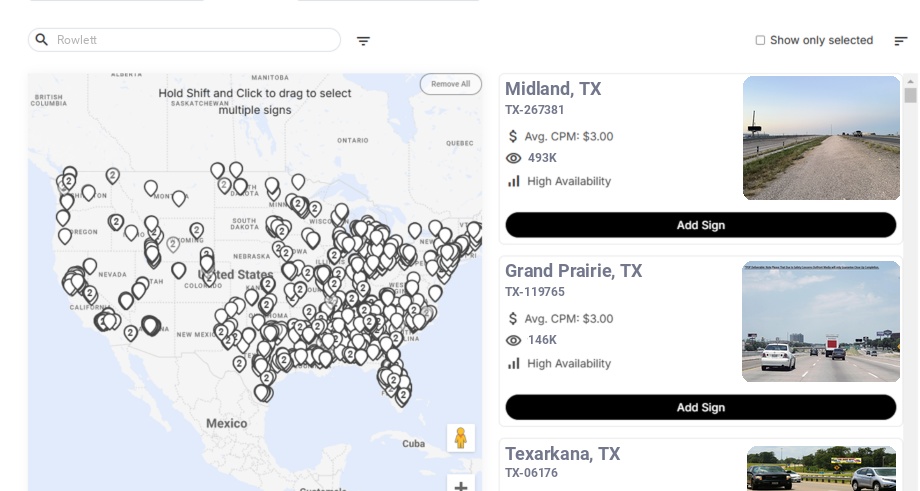
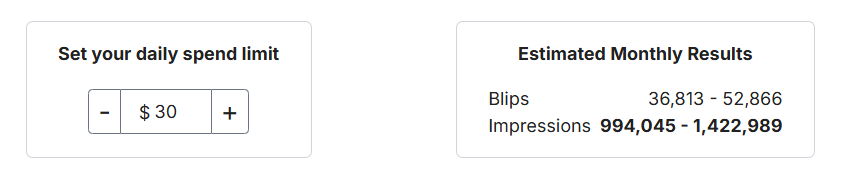
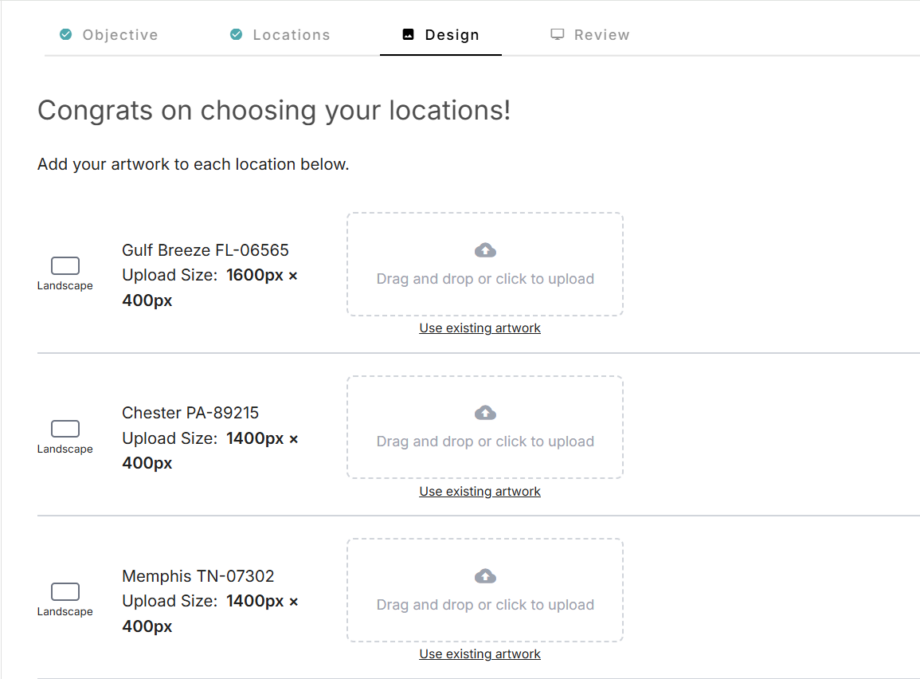
How much is a billboard in Rowlett?
Billboards in other Texas cities
Rowlett Billboard Advertising Guide
Rowlett, Texas sits at the intersection of fast-growing suburban living and major Dallas–Fort Worth commuter traffic. With strong household incomes, a family-heavy population, and consistent regional travel along I‑30 and President George Bush Turnpike (PGBT), we have an opportunity to reach residents, commuters, and lake visitors with highly targeted digital billboard campaigns through Blip. For advertisers looking to use Rowlett billboards as part of a broader DFW strategy, this market offers a powerful blend of local density and regional pass-through traffic.
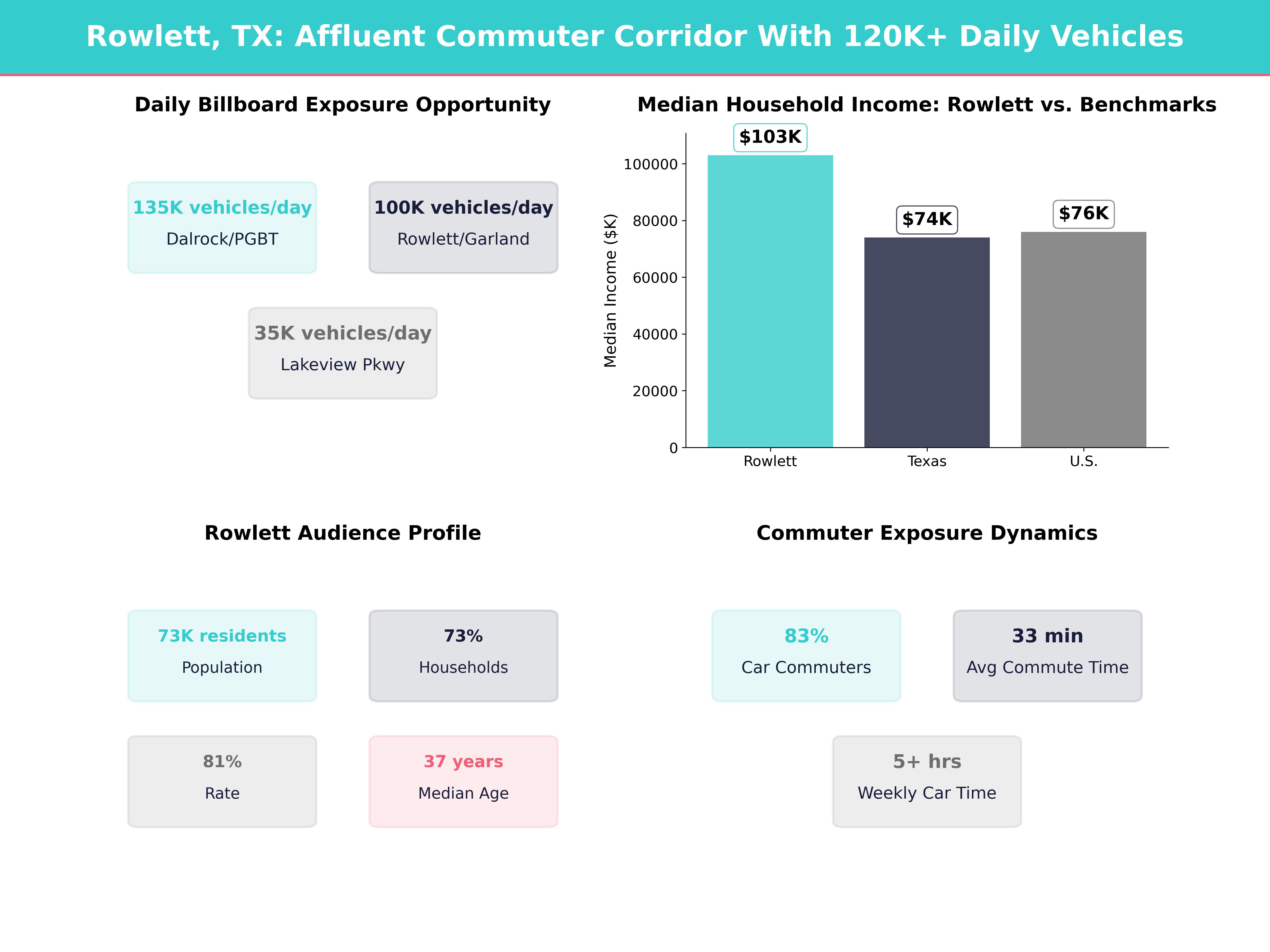
Rowlett Market Snapshot: Who We’re Reaching
Rowlett’s story is rapid suburban growth and strong purchasing power—ideal for billboard advertisers and any brand considering ongoing Rowlett billboard advertising.
-
Population and growth
- The City of Rowlett cites a population of just over 73,000 residents in recent estimates, up from 56,199 in the 2010 Census—roughly 30% growth in a little over a decade and more than double the growth rate of Texas overall over the same period.
- Rowlett is part of the Dallas–Fort Worth–Arlington metro, which surpassed 7.9 million residents by 2023, adding more than 1.4 million people since 2010. Regional planning data from the North Central Texas Council of Governments (NCTCOG) consistently ranks DFW among the top 3 fastest-growing large metros in the country.
-
Age and household composition
- Rowlett’s median age is around 37 years, slightly younger than the national median of roughly 39, reflecting a strong mix of young families and mid-career professionals.
- Family households dominate the market. City and regional estimates show that 70–75% of Rowlett households are family households, compared with roughly 65% statewide.
- Average household size in the Rowlett area is approximately 2.9–3.0 persons, higher than the U.S. average of about 2.6, reinforcing the family orientation of the community.
-
Homeownership and housing
- Rowlett is heavily owner-occupied: regional estimates put the homeownership rate in the 78–83% range, notably higher than Texas (about 63–66%) and the U.S. as a whole.
- The Rowlett Economic Development
- Median home values in Rowlett are commonly reported in the $320,000–$360,000 range, positioning the city as a mid- to upper-middle-income suburb within DFW.
-
Income and spending power
- Median household income in Rowlett is typically reported between $100,000 and $105,000, well above both the Texas median (roughly $72,000–$75,000) and the U.S. median (around $74,000–$78,000 in recent estimates).
- Roughly 40–45% of households in the area earn $100,000 or more per year, and a meaningful share fall into the $150,000+ bracket, indicating strong discretionary spending on housing upgrades, vehicles, dining, recreation, healthcare, and education.
- Consumer expenditure profiles for similar DFW suburbs show above-average spending on food away from home, vehicle purchases and maintenance, entertainment, and personal services, all categories that respond well to billboard-driven awareness and consistent billboards in Rowlett.
-
Ethnic and cultural diversity
- Rowlett is racially and ethnically diverse, with substantial White, Black, Hispanic/Latino, and Asian populations. Local and regional profiles indicate that no single racial/ethnic group accounts for more than about 55–60% of residents, contributing to a mixed and inclusive community.
- More than 20% of residents in the broader corridor speak a language other than English at home, and local coverage frequently highlights Rowlett’s diversity as a strength.
- Messaging that is inclusive, family-friendly, and community-oriented—rather than narrowly targeted to a single demographic—tends to resonate here and should guide creative choices for Rowlett billboard advertising.
Useful local resources:
- City government: City of Rowlett
- Economic development: Rowlett Economic Development
- Local business & networking: Rowlett Area Chamber & Visitors Center
- Local news: Community Impact – Rowlett & surrounding
- Regional planning and data: North Central Texas Council of Governments – Demographics
- Tourism and regional context: Visit Dallas and Visit Garland Texas
Implications for billboard campaigns
- With household incomes 20–30% above state and national medians and high homeownership, we can confidently use value-oriented messaging that speaks to homeownership, family activities, and quality-of-life improvements when planning any billboard rental in Rowlett.
- A family-heavy audience (roughly 3 in 4 households are family households) means visuals featuring families, homes, vehicles, boats, pets, and local landmarks (Lake Ray Hubbard, downtown Rowlett) will feel immediately relevant.
- Higher incomes and significant discretionary spending support campaigns for home services, medical/dental, financial services, automobiles, boats and RVs, dining, and lifestyle brands—all categories that, according to industry benchmarks, often see 5–15% lifts in unaided awareness when supported by consistent billboard exposure on Rowlett billboards and nearby corridors.
Traffic, Commuting, and Key Driving Corridors
Rowlett is a commuter city, with a large share of residents working elsewhere in the DFW area, which increases the effectiveness of billboards in Rowlett and adjacent cities.
-
Commuting patterns
- Regional data indicate that 80–85% of workers in Rowlett commute by car (drive alone or carpool), compared with about 75–80% nationally.
- The average one-way commute for Rowlett residents is about 32–34 minutes, several minutes longer than the U.S. average (roughly 26–28 minutes). That equates to over 5 hours per week in the car for a typical full-time worker, creating many touchpoints for billboard exposure.
- Many residents travel toward Dallas, Garland, Rockwall, Plano, and Richardson. These multi-city patterns increase the value of boards placed not just in Rowlett but across the eastern DFW commuter arc.
-
Major roadways
- Interstate 30 (I‑30): Connects Rowlett west to Dallas and east over Lake Ray Hubbard to Rockwall. Traffic counts published by the Texas Department of Transportation – Dallas District 120,000–150,000 vehicles per day (AADT), or roughly 3.6–4.5 million vehicle trips per month.
- President George Bush Turnpike (PGBT / State Highway 190): A major loop around Dallas managed by the North Texas Tollway Authority. The Rowlett/Garland segment typically sees in excess of 90,000–110,000 vehicles per day, exceeding 2.7–3.3 million vehicles per month, and connecting Rowlett drivers to Plano, Richardson, and the northern DFW suburbs.
- State Highway 66 (Lakeview Parkway): Rowlett’s primary arterial, with many retail, dining, and service businesses. Segments through Rowlett often see 30,000–40,000 vehicles per day, or roughly 900,000–1.2 million trips per month, making it ideal for neighborhood and “on your way” messaging and highly efficient Rowlett billboard advertising.
- Additional local collectors and arterials (Miller Rd, Rowlett Rd, Dalrock Rd) contribute significant peak-hour volumes that funnel traffic toward these main corridors.
Traffic and construction updates:
- City of Rowlett – Public Works & Projects
- Texas Department of Transportation – Dallas District
- Tollway operations and traffic info: North Texas Tollway Authority
Implications for Blip placement and scheduling
-
Use Blip’s location selection to prioritize boards on:
- I‑30 corridors for work commuters, regional shoppers, and lake traffic. With well over 100,000 daily vehicles, even a modest share of Blip impressions can translate into tens of thousands of daily views from strategic Rowlett billboards.
- PGBT for north-south and east-west commuter flows throughout the DFW suburbs, particularly higher-income commuters traveling to employment centers in Plano, Richardson, and North Dallas.
- Lakeview Pkwy / SH‑66 for hyperlocal, “in-town” messaging (restaurants, retailers, clinics) where 30,000+ daily vehicles mean strong neighborhood-scale frequency.
-
Leverage rush-hour dayparting:
- Morning: 6:30–9:00 a.m. westbound toward Dallas/Garland, targeting workers and school traffic when roadway volumes are typically 30–40% higher than mid-day.
- Evening: 4:00–7:00 p.m. eastbound back toward Rowlett, Rockwall, and lake-area neighborhoods, tapping into return-commute congestion and increased dwell times.
- Use weekend-heavy schedules for dining, entertainment, boat/RV sales, and lake-related activity, when recreational travel around Lake Ray Hubbard spikes. On peak summer weekends, lake-adjacent roadways can see 20–30% higher volumes than weekday averages.
Seasonality, Events, and When to Turn Up the Volume
Rowlett isn’t just a bedroom community; its calendar and lakefront location create predictable spikes in local and regional activity that make timing a key part of any billboard rental in Rowlett.
Key seasonal patterns and event opportunities:
-
Spring (March–May)
- Warmer weather drives outdoor activities at Lake Ray Hubbard and local parks. The Rowlett Parks and Recreation system oversees more than 600 acres of parkland and multiple lakefront amenities that become heavily used in spring.
- Regional tourism data from Visit Dallas show that spring and early summer account for nearly half of annual leisure trips into the metro area, increasing through-traffic on major corridors around Rowlett.
- Home improvement, landscaping, HVAC, and outdoor recreation brands can emphasize “spring refresh” offers when homeowners typically ramp up spending—industry data often show 10–20% higher demand for these services in spring versus winter.
-
Local events promoted by the city and chamber often pick up; check:
- City of Rowlett – Special Events
- Rowlett Area Chamber & Visitors Center – Events Calendar
-
Summer (June–August)
- Heavy lake traffic, boating, fishing, and waterfront dining dominate Lake Ray Hubbard and surrounding areas. Lake- and park-related visits in the DFW region often peak in June–August, with weekend visitation in some locations doubling off-season levels.
- July 4th celebrations and related festivities can draw thousands of attendees to city parks and waterfront sites for fireworks and community events.
-
Restaurants, entertainment venues, marine and powersports dealers, and family attractions should:
- Increase impression budgets on Fridays–Sundays, when leisure traffic and dining out rates are highest. For many restaurants, 40–50% of weekly revenue can come from these three days.
- Run time-sensitive creative (e.g., “Tonight,” “This Weekend,” “Summer Sale Ends Sunday”) to capture spur-of-the-moment decisions from drivers already heading toward the lake.
-
Fall (September–November)
- Back-to-school, youth sports, and family routines stabilize. In nearby school districts covered by Garland ISD and other local systems, tens of thousands of students return to class, driving up morning and afternoon traffic near schools and activity centers.
- Insurance, healthcare, dental and orthodontics, tutoring, and youth activities can use targeted back-to-school and fall routine messaging; many practices see 10–25% increases in new appointments around August–October compared with early summer.
- Late fall is prime for holiday shopping and services; national and regional retail data show that November and December can account for 25–30% of annual sales for some consumer-facing businesses. Focus on early November to capture planners and again after Thanksgiving for last-minute shoppers.
-
Winter (December–February)
- Holiday events, religious gatherings, and year-end retail spikes create strong December traffic. Churches and nonprofits often report their highest-attended services and events in December, while retailers and restaurants experience sharp demand peaks.
- Financial planners, tax preparers, gyms, and wellness services can use New Year’s resolution messaging starting right after Christmas; fitness and wellness businesses frequently see 30–50% increases in inquiries in January compared with November.
- Consider heavier evening and weekend schedules when families are out shopping or dining and when holiday light displays and events extend evening traffic in and around Rowlett neighborhoods.
How to leverage this with Blip
-
Create seasonal creative variations and rotate them automatically:
- Spring: “Refresh Your Home Before Summer”
- Summer: “Heading to the Lake? Stop by [Your Brand] on the Way”
- Fall: “Back-to-School Checkups – Book in Rowlett Today”
- Winter: “Save Before Year-End – Last Chance This Week”
- Use campaign start/stop dates and day-of-week targeting to increase bids only during your peak periods, instead of running a flat schedule year-round. Even shifting 20–30% of impressions into your highest-performing weeks can noticeably improve return on ad spend from billboards in Rowlett.
Designing Creative That Works in Rowlett
Rowlett drivers are usually on familiar routes, often at highway speeds. Successful creative respects their limited attention while speaking directly to local life and the way residents encounter Rowlett billboards in their daily routines.
Visual best practices
- Use large, high-contrast fonts readable at 60–70 mph. Industry guidelines suggest copy that can be read in 2–3 seconds, which typically means 7 words or fewer on the main message.
-
High-impact visuals that resonate locally:
- Lake Ray Hubbard, boats, fishing, sunsets on the lake. You can reference local amenities listed by Rowlett Parks and Recreation to align imagery with actual locations.
- Neighborhood-style homes, family activities, youth sports.
- Iconic local or nearby scenes (Dallas skyline in the distance, recognizable local intersections such as Lakeview Pkwy at PGBT).
- Keep your logo clear and simple; it should be recognizable in under 1 second of viewing at highway speeds.
Message angles that fit Rowlett
Given Rowlett’s demographic and commuter profile, these angles tend to perform well:
-
“On your way” positioning
- “On your way home on I‑30? Pick up dinner at [Restaurant].”
- “Before you hit the lake, swing by [Store] at [Exit].”
-
Family and community focus
- “Trusted by Rowlett families since 2010.”
- “Proud to serve Rowlett, Garland, and Rockwall neighbors.”
-
Time-bound urgency
- “Today Only – Free Appetizer 4–7 p.m.”
- “Sale Ends Sunday – Exit [Number], 2 Miles Ahead.”
-
Local proof and credibility
- “Rated 4.8★ by your Rowlett neighbors.”
- “Serving over 5,000 local families each year.”
- “Locally owned and operated in Rowlett,” which aligns with consumer surveys showing 60–70% of shoppers prefer to support local businesses when given a clear option.
Creative rotation with Blip
-
Upload multiple creatives for A/B testing:
- One “brand” creative (logo + simple tagline).
- One “offer” creative (specific promotion).
- One “directional” creative (“Next Right on Lakeview Pkwy”).
- Blip will rotate them; watch which versions coincide with higher engagement (site traffic, calls, store visits) and prioritize top performers. In many campaigns, “offer” creatives can outperform pure brand creatives by 20–40% in measurable responses, making them especially valuable on high-traffic Rowlett billboards.
Targeting Strategy: How to Structure Campaigns Around Rowlett
We can maximize efficiency by thinking in layers: hyperlocal, commuter, and regional reach. This layered approach helps any advertiser using billboard rental in Rowlett get more from each impression.
1. Hyperlocal Rowlett layer
Audience: Residents living and shopping primarily in Rowlett and immediate neighbors (Sachse, Garland, Rockwall).
-
Use boards closest to:
- Downtown Rowlett / Main Street.
- Lakeview Pkwy / SH‑66 retail corridors.
- Exits that directly feed your business location.
-
Best for:
- Restaurants, coffee shops, gyms, salons.
- Auto repair, tire shops, car washes.
- Medical, dental, chiropractic, urgent care.
-
Blip tactics:
- Lower daily budget but run consistently (brand presence). Local businesses that maintain always-on visibility often report steady increases in branded search volume over 3–6 months.
- Focus on lunch and evening dayparts, plus Saturdays, when neighborhood errands and dining spikes occur.
2. Commuter belt layer
Audience: Rowlett residents plus DFW commuters traveling I‑30 and PGBT.
-
Prioritize boards that reach:
- Westbound traffic in the morning (toward Dallas, Garland, Richardson).
- Eastbound traffic in the evening (returning to Rowlett, Rockwall, Fate, Royse City).
-
Best for:
- High-ticket services: home remodelers, roofing, windows, HVAC, solar.
- Financial advisors, banks, credit unions.
- Colleges, trade schools, and training programs.
-
Blip tactics:
- Concentrate budget on weekday rush hours, when traffic volumes can be 30–50% higher than mid-day baselines.
- Use frequency to stay top-of-mind during long commutes; many media planners target 20–40 weekly impressions per commuter during concentrated flights for high-consideration services.
3. Regional DFW layer
Audience: Visitors who may not live in Rowlett but can become customers (for attractions, destination dining, specialty retail, or B2B).
-
Use boards in:
- Adjacent cities (Garland, Mesquite, Rockwall, Plano, Richardson).
- Approaches to major shopping and employment hubs highlighted by the Dallas Regional Chamber
-
Best for:
- Regional attractions (trampoline parks, entertainment centers, marinas).
- Niche healthcare (specialists, surgery centers).
- B2B services targeting small/medium businesses across the metro.
-
Blip tactics:
- Run short, intense flights around events, launches, or promotions.
- Use 15–30 day bursts and scale up for major announcements, aligning with the timing of key events listed on regional calendars such as Visit Garland Texas or Visit Dallas.
Industry-Specific Tips for Rowlett Advertisers
Restaurants & local dining
- Rowlett has a mix of chains and local favorites; with median household incomes around $100,000+ and strong family presence, there’s solid appetite for casual dining, specialty coffee, and weekend experiences.
- DFW regional tourism and hospitality reports regularly show food and beverage as one of the largest visitor spending categories, often accounting for 20–25% of total trip spending.
-
Strategy:
- Target 5–10 miles around your location, focusing on SH‑66 and main feeder roads, where highly visible billboards in Rowlett can capture both residents and lake visitors.
- Emphasize convenience (“On Your Way Home”), speed (“Dinner in 15 Minutes”), or experience (“Patio on the Lake Tonight”).
- Heavier Thursday–Sunday budgets, with extra impressions 4–8 p.m., when many restaurants see 50–60% of their weekly traffic.
Home services (HVAC, roofing, landscaping, remodeling)
- High homeownership (around 80%) and a large stock of single-family homes mean significant ongoing investment in property.
- North Texas weather patterns—hot summers, severe thunderstorms, and occasional hail—regularly drive spikes in HVAC and roofing demand. After major storm events, some contractors report 2–3x normal inquiry volume.
-
Strategy:
- Target Rowlett + Rockwall + Garland corridors; many homeowners live east of Dallas and commute.
- Run seasonal pushes: HVAC in May–September, roofing after major storms, landscaping in spring. In many markets, HVAC lead volume can be 30–50% higher in peak summer months than in shoulder seasons.
- Use credibility cues: “Licensed & Insured,” “Locally Owned,” and “Serving Over 2,000 DFW Homes,” aligning with survey data showing that 70%+ of homeowners rate “trust” and “local reputation” as top selection factors. These messages translate especially well to concise digital Rowlett billboard advertising.
Healthcare, dental, and orthodontics
- Growing families create strong demand for pediatric care, dental/ortho, and urgent care. In family-heavy suburbs, children and teens can make up 25–30% of the population, driving significant pediatric and orthodontic volumes.
-
Strategy:
- Hyperlocal boards near schools, sports complexes, and neighborhood entrances where possible.
- Creative examples: “Braces in Rowlett – Free Consultation,” “Urgent Care Open Late on Lakeview Pkwy.”
- Heavier presence in August–October (back-to-school and sports injuries) and January–March (benefits renewals and deductible resets), which many practices identify as their highest-intake periods.
Automotive (sales, repair, detail, car wash)
- Long commute times (over 30 minutes each way on average) translate into high vehicle usage and maintenance needs. In car-dependent suburbs, it is common for 90%+ of households to have at least one vehicle, and many to have two or more.
-
Strategy:
-
Use I‑30 and PGBT to reach daily commuters with simple, benefit-driven messages:
- “Oil Change in 15 Minutes – Exit [#]”
- “Trade Up in Rowlett – Better Payment, Better Car.”
-
Peak campaigns:
- Early spring and end-of-year for vehicle sales, matching industry patterns where year-end sales events can contribute 20–30% of annual volume for some dealerships.
- Weekends and evenings for car wash/detail, which often generate 60–70% of weekly revenue in many suburban operations.
-
Use I‑30 and PGBT to reach daily commuters with simple, benefit-driven messages:
Local events, churches, and nonprofits
- Rowlett has an active faith and nonprofit community; digital billboards are excellent for event awareness, especially when coordinated with city promotions through City of Rowlett – Special Events
-
Strategy:
- Focus on 2–4 weeks leading up to major events (Easter services, Christmas programs, festivals, charity walks). For one-day events, awareness often needs 3–5 exposures per person to drive strong attendance.
- Include clear date and time plus a short URL or name people will remember.
- Daypart: Early morning and evening, when families are coordinating schedules and when school and commute traffic are highest.
Measuring Success and Optimizing Over Time
Even though we can’t track every individual who views a billboard, we can create a solid feedback loop around Rowlett billboard advertising.
Before launch
-
Define one or two primary KPIs:
- Direct: website traffic, coupon redemptions, phone calls, form fills.
- Indirect: brand search volume (“[Your Brand] Rowlett” in Google), foot traffic trends.
-
Create a simple landing page or URL variant:
- Example:
yourbrand.com/rowlettmentioned in creative. - Track visits and leads from that page during the campaign. If your site normally gets 100 weekly visits from the Rowlett area and that rises to 130–150 during the campaign, that 30–50% lift is a meaningful signal even without perfect attribution.
- Example:
During the campaign
-
Adjust:
- Dayparts: Shift budget toward times that correlate with higher inquiries or sales. Many advertisers find that consolidating spend into their top 30–40% of hours yields better cost per lead.
- Locations: Pause underperforming boards and double down on those near your best-converting customers.
- Creative mix: If “offer” creatives drive more calls than “brand” creatives—often by 20–40%—increase their share while still maintaining some brand-building presence.
After 4–8 weeks
-
Compare:
- Average weekly sales, leads, or visits before vs. during the campaign.
- Website traffic from Rowlett and nearby ZIP codes before vs. during.
- Run short post-campaign surveys (“How did you hear about us?”) in-store or online; if even 10–20% mention “billboard” or “sign,” that’s a strong signal given the broad-reach nature of the medium.
- For multi-location or regional advertisers, compare performance of Rowlett-focused locations with non-advertised locations over the same period to estimate billboard impact.
Putting It All Together
Rowlett’s combination of high-income families, long commutes, strong regional connectivity, and lake-centered recreation makes it an excellent market for digital billboards. With Blip, we can:
- Start at any budget and scale up around peak seasons and events.
- Target specific corridors, times of day, and days of the week that match how Rowlett residents actually move through the city and the metro.
- Continuously test and refine creative to align with local lifestyles—family, community, convenience, and quality.
By aligning our messaging with Rowlett’s real-world traffic patterns, demographics, and event calendar—and by leveraging local data from sources like the City of Rowlett, Rowlett Economic Development Rowlett Area Chamber & Visitors Center—we can turn digital billboards in Rowlett from a generic awareness tool into a focused, high-impact channel that drives measurable results and makes every billboard rental in Rowlett work harder for your marketing budget.