Billboards in East Lansing, MI
No Minimum Spend. No Long-Term Contracts. Just Results.
Trusted by Leading Brands


Billboard advertising
in East Lansing has never been easier
How much is a billboard in East Lansing?
Why Choose Blip for Billboard Advertising in East Lansing
Blip lets East Lansing brands launch fast on Grand River and M-43, reaching MSU students and campus pedestrians without buying a long-term package.
Set flexible budgets in East Lansing and scale up for move-in, football Saturdays on Trowbridge, then dial back after the rush.
No contracts make East Lansing billboard tests easy across US-127 and I-496 commuter traffic, so you keep what works.
Use Blip's real-time analytics in East Lansing to track response from game days, finals, and downtown East Lansing traffic, then optimize fast.
Create and swap East Lansing ads quickly with Blip's tools for Spartans, late-night dining, and student lease-up messages.
Frequently Asked Questions About Billboard Advertising in East Lansing
How much does a billboard cost in East Lansing, Michigan with Blip?
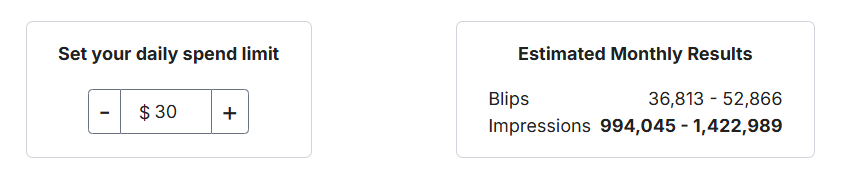
With Blip, you control exactly how much you spend on East Lansing billboards by setting a daily budget that can be adjusted anytime. Each “blip” is a short 7.5 to 10-second display, and you only pay for the individual blips your ad receives, making it easy to start with a small budget and scale up as you see results. Pricing for billboards in East Lansing, Michigan varies based on when and where your ad appears and current advertiser demand, so your total cost over time is simply the sum of each blip.
Where can I place Blip billboards in East Lansing, Michigan to reach students and commuters?
Grand River Avenue (M-43) runs along the northern edge of MSU’s main campus and passes student housing, bars, restaurants, bookstores, and retail. US-127 and I-496/I-69 corridors are also important regional routes, with heavy commuter traffic into and around East Lansing. Hagadorn Road, Trowbridge Road, and Saginaw Highway are additional high-value arterials that connect campus, student housing, and commercial areas.
When is the best time to run Blip billboards in East Lansing, Michigan for student traffic?
Late August through early September is a major move-in window, when tens of thousands of students and families arrive and set up routines. Early fall is especially strong because campus energy peaks and student discretionary spending is high. Because of heavy student turnover, awareness resets every August, making back-to-school timing especially important.
What kind of audience will see Blip billboards in East Lansing, Michigan?
East Lansing is a uniquely concentrated college town and state-capital suburb, where tens of thousands of students, faculty, state employees, and visitors move through a compact network of arterial roads every day. The city’s median age is about 21–22 years old, and in some campus-adjacent tracts over 70% of residents are age 18–24 during the academic year. The wider Lansing–East Lansing metro also includes over 550,000 residents and around 250,000+ jobs.
What types of businesses work well on Blip billboards in East Lansing, Michigan?
East Lansing’s young, educated, and event-driven audience makes it a strong fit for brands tied to education, technology, entertainment, nightlife, food, and early-career services. The page also highlights strong opportunities for restaurants, bars, nightlife, apartments, housing, storage, healthcare, wellness, retail, and recruiting. Game days, finals, move-in weeks, and seasonal breaks all create useful windows for different kinds of campaigns.
Do I need a contract to advertise with Blip in East Lansing?
No, Blip has no long-term contracts or minimum commitments. You can start, pause, or stop your campaign at any time.
How fast can I launch a billboard campaign with Blip in East Lansing?
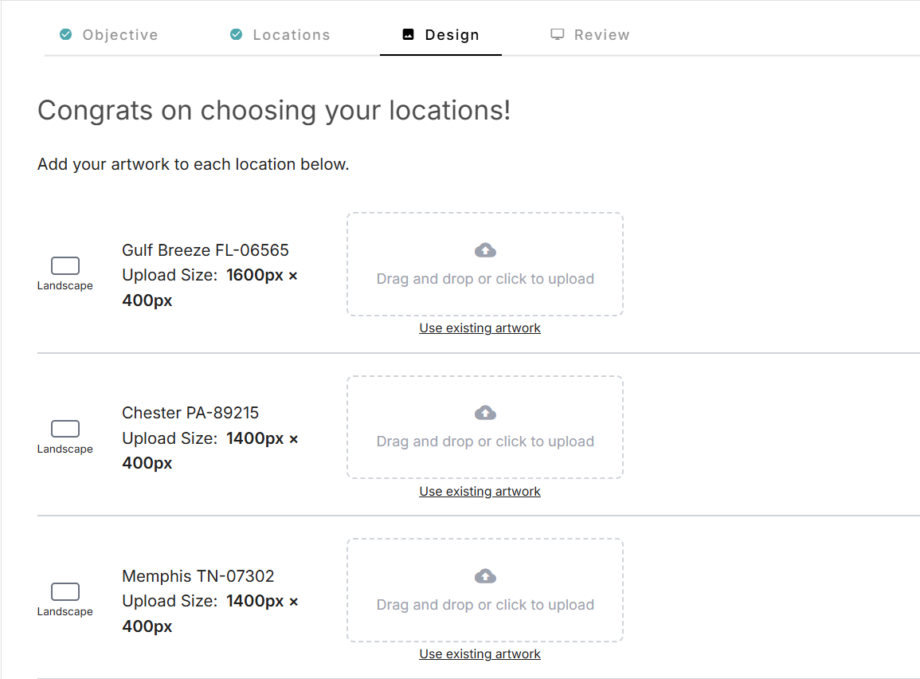
You can have your campaign live in minutes. Create a free account, select your locations, set your budget, upload your design, and start running once approved.
Where can I advertise with Blip in East Lansing?
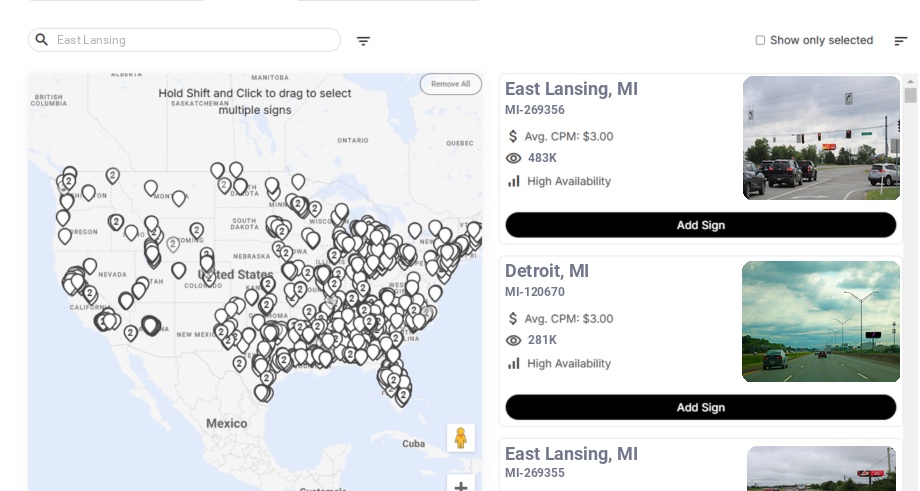
Blip has digital billboards in East Lansing. You can browse available locations on a map, choose the ones that fit your audience, and start advertising right away.
Still have questions? Launch a campaign in minutes — no contracts, no commitments.
Start Your CampaignEast Lansing Billboard Advertising Guide
East Lansing is a uniquely concentrated college town and state‑capital suburb, where tens of thousands of students, faculty, state employees, and visitors move through a compact network of arterial roads every day. When we use digital East Lansing billboards here, we are speaking to one of the youngest, most educated, and most event‑driven audiences in Michigan—making precise targeting and agile creative especially powerful with Blip.
Understanding the East Lansing Audience
East Lansing’s characteristics are dominated by Michigan State University (MSU), which fundamentally shapes who sees our billboards and when. That MSU footprint is exactly what makes East Lansing billboard advertising so effective for brands that want to reach students and regional professionals at scale.
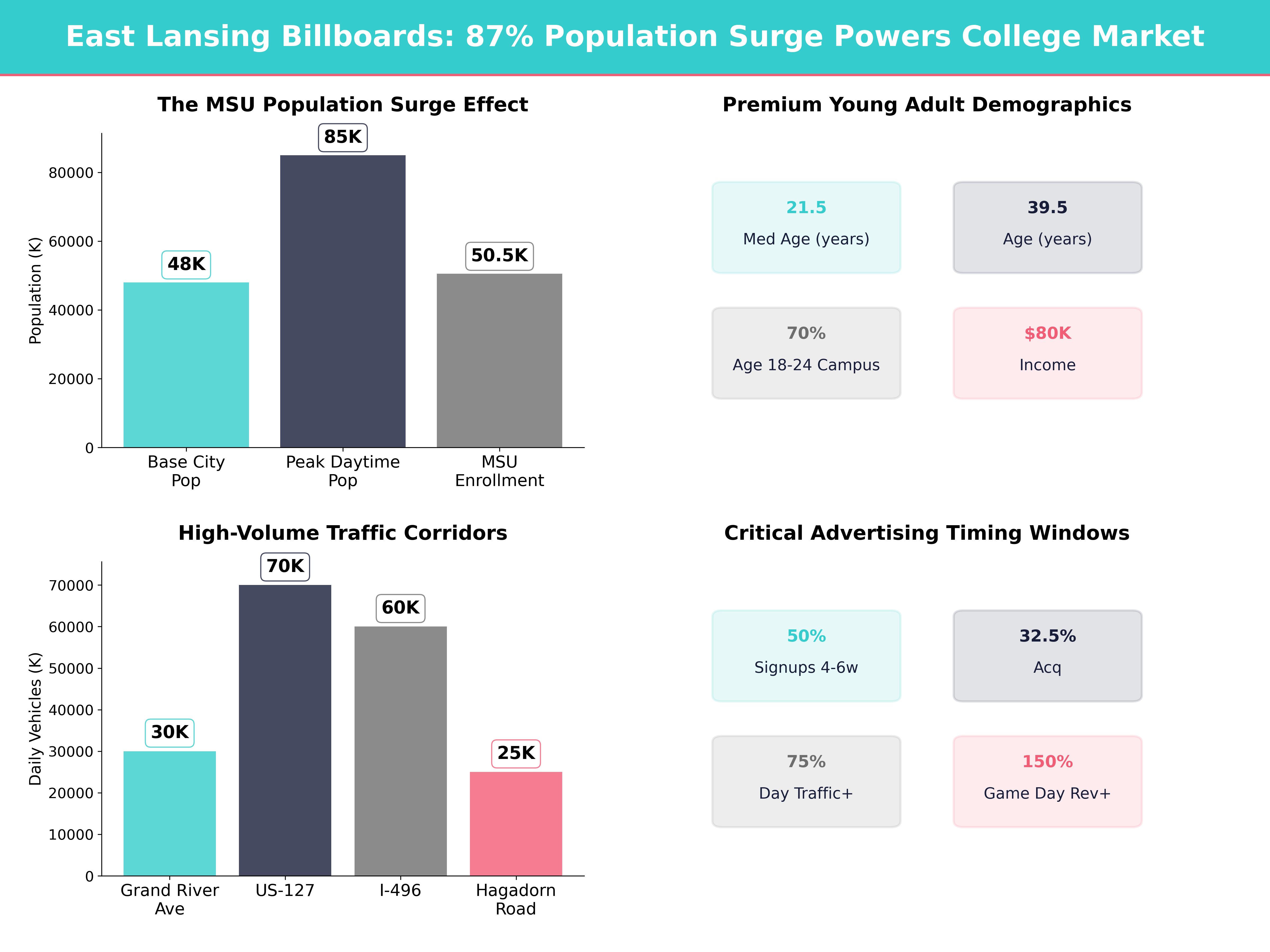
- The City of East Lansing's population is about 48,000 residents (2020), but when MSU is in full session, the effective daytime population commonly reaches 80,000–90,000 once students, commuters, and visitors are included.
- MSU reports total enrollment of roughly 50,000–51,000 students in recent years (about 39,000–40,000 undergraduates and 10,000–11,000 graduate/professional students), plus approximately 12,000+ faculty and staff working on or near the main campus.
- The median age in East Lansing is about 21–22 years old, far younger than the Michigan median in the 39–40 range; in some campus‑adjacent tracts, over 70% of residents are age 18–24 during the academic year.
- Housing is heavily renter‑oriented: in many central neighborhoods, over two‑thirds of units are renter‑occupied, and in student‑heavy blocks the renter share can exceed 80–85%, largely driven by student leases and young professionals.
- The wider Lansing–East Lansing metro includes over 550,000 residents, with around 250,000+ jobs anchored by state government, healthcare, education, and manufacturing. Many of these workers commute past East Lansing on US‑127, I‑496, and M‑43 (Grand River Avenue) daily.
- MSU’s economic footprint is substantial: the university supports an estimated 65,000+ jobs statewide and contributes several billion dollars in annual economic activity, helping sustain robust demand for food, retail, housing, and services in a relatively small geographic area.
What this implies for our campaigns:
- We are usually speaking to a young, educated, mobile audience—MSU’s six‑year graduation rates hover around 80%, and more than 60% of adults in East Lansing hold a bachelor’s degree or higher—ideal for brands tied to education, technology, entertainment, nightlife, food, and early‑career services that want their billboards in East Lansing to stay top of mind.
- Because of heavy student turnover, awareness resets every August; each year, more than 9,000–10,000 new first‑year and transfer students arrive, alongside thousands of returning students who change apartments, routines, and preferred hangouts.
- There is a strong mix of full‑time residents with stable incomes (faculty, state workers, healthcare employees, professionals) sharing the roadways with budget‑sensitive students; median household incomes in non‑student neighborhoods often run $70,000–90,000+, while many students are highly price‑sensitive despite strong long‑term earning potential.
- Tourism and visitor activity adds another layer: the Greater Lansing region welcomes 4–5 million visitors annually, generating hundreds of millions of dollars in visitor spending, a significant portion of which flows through East Lansing and the MSU campus area.
To understand the community context and public projects that may affect traffic and development—and by extension the performance of East Lansing billboards—it’s useful to monitor the City of East Lansing and Ingham County resources, as well as MSU’s own msu.edu news and events pages and the City of Lansing for regional policy and development updates.
Key Corridors and Traffic Patterns
Billboard effectiveness in East Lansing is driven by a handful of high‑flow corridors where campus, commerce, and commuters intersect. Choosing the right corridors is central to any East Lansing billboard advertising plan.
1. Grand River Avenue (M‑43)
Grand River is the spine of East Lansing:
- It runs along the northern edge of MSU’s main campus, passing student housing, bars, restaurants, bookstores, and retail, including the Downtown East Lansing district.
- Average daily traffic (ADT) on segments through East Lansing often reaches 25,000–35,000 vehicles per day, with peak 15‑minute intervals during rush hours that can see 1,000–1,500 vehicles.
- Pedestrian activity is very high—MSU’s campus hosts 50,000+ students and thousands of employees; several key crosswalks along Grand River can see thousands of pedestrian crossings per day, especially between 8–10 a.m. and 3–7 p.m.
- The Capital Area Transportation Authority (CATA) operates several high‑frequency bus routes along Grand River and into campus, carrying tens of thousands of riders daily during the academic year and further increasing visibility for transit‑facing boards.
Grand River is ideal when we want:
- Local and student visibility for food, nightlife, services, campus‑adjacent apartments, and retail; upwards of 60–70% of MSU students live on or near corridors that feed directly into Grand River.
- Short, bold messaging that can catch both drivers and pedestrians in a dense, visually noisy environment where visual clutter is high and dwell time is often under 5 seconds for drivers.
2. US‑127 and I‑496/I‑69 Corridors
East Lansing sits just east of Lansing, with multiple regional freeways:
- US‑127 just east of campus can see 60,000–80,000 vehicles per day on busy segments near Lansing, with truck traffic often comprising 8–12% of vehicles—valuable for logistics, industrial, and B2B campaigns.
- I‑496 functions as a key east‑west commuter route into downtown Lansing and toward East Lansing, with many sections carrying 50,000–70,000 vehicles per day.
- I‑69 ties the Lansing–East Lansing metro to Flint, Grand Ledge, and other regional hubs, serving 40,000–60,000 vehicles per day on common commuter segments.
- Many state government, healthcare, and university employees use these freeways daily: the Lansing area hosts approximately 14,000+ state government workers and several thousand hospital employees across the Sparrow Health and McLaren Greater Lansing systems, creating a substantial professional commuter base.
Freeway‑adjacent boards are ideal for:
- Regional brands and franchise locations drawing from across Greater Lansing’s 550,000+ residents.
- Recruiting (healthcare, logistics, manufacturing, state government job postings) that tap into the region’s 250,000+ jobholders.
- Destination businesses—furniture, auto, large retail, casinos, regional attractions, and the Capital Region International Airport—where typical customers are willing to travel 15–45 minutes.
3. Hagadorn Road, Trowbridge Road, Saginaw Highway & Other Arterials
Several east–west and north–south connectors carry important niche audiences:
- Hagadorn Road (campus east side and student housing corridors) sees heavy student and hospital traffic to MSU’s medical facilities and the MSU Health Care network, including access to the MSU College of Human Medicine. Daily traffic often runs in the 20,000–30,000 vehicles range on key segments.
- Trowbridge Road links US‑127 to the south side of campus and dense student complexes; traffic is amplified on game days and during events at the Breslin Center and nearby Spartan Stadium, with pre‑ and post‑event peaks that can double normal hourly volumes.
- Saginaw Highway (M‑43 west of campus) is a major commercial strip toward Lansing, with big‑box retail and restaurants; daily traffic commonly exceeds 30,000 vehicles on key segments, feeding major shopping destinations and power centers.
- Other important routes—such as Abbot Road, Coolidge Road, and Okemos Road—connect residential neighborhoods in East Lansing, Lansing Charter Township Meridian Township’s Okemos area 15,000–25,000 vehicles per day.
For these corridors, we can tailor messaging to:
- Healthcare, fitness, and wellness brands reaching medical workers and health‑oriented students, especially along Hagadorn and near hospital clusters where thousands of clinical staff and patients circulate daily.
- Grocery and big‑box retailers promoting weekly specials and seasonal offers along Saginaw and other commercial arterials, where average shopping trips often exceed $50–$75 per visit.
- Local services (banks, dentists, auto service, urgent care) building awareness among daily commuters; in Greater Lansing, owner‑occupied households typically own 2+ vehicles, supporting strong demand for auto‑related offers.
To keep a finger on any construction or road work that might shift traffic patterns and affect billboards in East Lansing, we can follow updates from the Michigan Department of Transportation (MDOT) region pages Lansing State Journal, WLNS WILX, and East Lansing Info, as well as the City of East Lansing’s construction updates.
Seasonality, MSU Calendar, and Event‑Driven Spikes
In East Lansing, when we advertise can be as important as where we advertise, because the city’s rhythms follow the MSU academic and athletic calendar. Successful billboard rental in East Lansing should always be built around these predictable cycles.
Academic Calendar
MSU’s roughly 50,000 students dramatically change local traffic and consumption patterns:
- Late August–early September: Move‑in and the beginning of fall semester. Tens of thousands of students and families arrive within a two‑week window; MSU typically houses around 16,000–18,000 students on campus, while 30,000+ live off campus in East Lansing and nearby communities, all setting up housing, banking, dining, and shopping routines.
- Late April–early May: Finals and graduation periods bring families and alumni to town; spring commencement can involve 8,000–9,000 graduates and tens of thousands of visiting family members, spiking hotel occupancy and restaurant demand.
- Summer: Undergraduate population drops substantially, but graduate students, summer session attendees, youth camps, and conference visitors keep consistent traffic. MSU hosts numerous academic conferences and youth programs, adding thousands of short‑term visitors across June–August.
- Thanksgiving to New Year’s: Student presence is lighter; parts of campus housing can be 50–80% vacant, and we’re speaking more to residents, staff, and regional shoppers.
Blip’s ability to schedule campaigns by date and time means we can:
- Front‑load spend during move‑in weeks to introduce restaurants, gyms, apartments, and local shops to incoming students; for many categories (gyms, mobile phone plans, streaming, banking), 40–60% of annual student signups can occur in the first 4–6 weeks of the semester.
- Pause or reduce student‑focused campaigns during winter and summer breaks, reallocating budget to local‑resident messaging and regional shoppers, who often increase their share of local retail spending during these periods.
MSU Athletics and Major Events
MSU athletics are a traffic engine:
- Spartan Stadium seats around 75,000 fans, and home football games can draw crowds that more than double East Lansing’s typical population on game days. Tailgating often begins 4–6 hours before kickoff, extending the window of high visibility for boards on access routes.
- The Breslin Center holds approximately 15,000 for basketball and events, hosting dozens of home games and special events each season.
- Large events at the MSU Auditorium Wharton Center for Performing Arts, and Munn Ice Arena also create surges in evening and weekend traffic; Wharton alone can stage 200+ performances annually, drawing audiences from across Mid‑Michigan.
With Blip, we can:
- Run intense, short bursts of impressions on home football Saturdays or big basketball game days, targeting boards on inbound corridors like Trowbridge, Grand River, and US‑127, when hourly traffic volumes can be 50–100% above typical weekends.
- Create event‑specific creative (“Game Day Specials,” “Show Your Ticket for 10% Off”) that only runs during event windows, capturing the projected tens of thousands of event attendees while limiting spend on off‑days.
Seasonal Themes
East Lansing’s seasonality also affects what messages resonate:
- Fall (Sept–Nov): Campus energy peaks. Student discretionary spending is high—many undergraduates spend $200–400+ per month on dining and entertainment alone. Push school‑year subscriptions (streaming, fitness, tutoring), tailgate specials, and fall retail.
- Winter (Dec–Feb): Weather is harsh; Lansing‑area snowfall commonly totals 45–55 inches per season, and average highs can hover in the 20s–30s°F. Emphasize delivery, online ordering, winter apparel, car care, and indoor entertainment.
- Spring (March–May): Graduation gifts, job hunting, apartment leasing, and outdoor recreation promotions tend to perform well as temperatures rise into the 50s and 60s°F and outdoor activity increases.
- Summer (June–Aug): Focus on regional tourism, family activities, and service businesses appealing to year‑round residents and visiting families; many local attractions see 20–30% of their annual attendance during these months.
Regional tourism campaigns can piggyback on efforts from the Greater Lansing Convention & Visitors Bureau, which promotes festivals, sports tournaments, and events that bring visitors into the area and documents that visitor spending supports thousands of local jobs and hundreds of millions of dollars in economic impact.
Crafting High‑Impact Creative for a College‑Town Market
Because many East Lansing viewers are students and younger adults, our creative should be particularly fast, bold, and benefit‑driven. Well‑executed creative is what turns basic billboard rental in East Lansing into a true performance channel.
Design Principles for East Lansing Billboards
-
Simplify for speed.
Traffic speeds on freeways and major arterials mean we usually have 3–6 seconds of viewing time.- Limit to 7 words or fewer where possible; industry eye‑tracking studies consistently show recall dropping sharply beyond 8–10 words.
- Use one dominating visual and one call‑to‑action to maximize recognition.
-
Use campus‑relevant language and imagery.
- References to “Spartans,” green and white color accents, or campus landmarks can immediately signal local relevance for the 50,000+ students and tens of thousands of alumni in the region.
- Example: “Spartans, Late‑Night Delivery in 30 Minutes” with a simple URL or QR code.
-
Highlight student‑friendly offers.
- Dollar amounts and clear value propositions work well: “$5 Student Lunch,” “First Month Free,” “$0 Application Fee.” Surveys of college students frequently show 60–70% prioritize discounts and promotions when choosing where to shop or eat.
- Use short URLs or brand names that are easy to remember; avoid phone numbers unless they are extremely simple.
-
Design for mobile follow‑up.
- Many viewers will follow up on their phones; smartphone ownership among college‑age adults is typically 95%+.
- Add a short URL, easy search phrase, or memorable brand name instead of tiny detail text.
- QR codes can work on slower city streets near campus, but should be large and high‑contrast; aim for at least 10–15 inches on the physical board so they remain scannable from a distance.
-
Consider multi‑language or diversity‑aware creative.
- MSU has significant international enrollment (often 13–15% of students from 100+ countries), and the Greater Lansing area includes growing communities of Spanish‑speaking and Asian‑language households.
- Imagery reflecting diversity, or occasional bilingual creative (e.g., English–Spanish) for certain services, can build additional relevance and trust.
Timing and Dayparting: Matching Message to the Moment
Blip allows us to purchase individual “blips” of ad space in specific time windows. In East Lansing, we can use this granularity to align with daily routines and make sure our billboards in East Lansing appear exactly when our ideal audience is on the road.
Morning (6 a.m.–10 a.m.)
- Audience: Commuters, faculty, staff, healthcare workers, graduate students. Many MSU and state employees work 8 a.m.–5 p.m. schedules, creating strong morning inbound flows.
-
Best for:
- Coffee shops and breakfast spots; coffee consumption among young adults is high, with 60–70% drinking coffee daily.
- Financial services, insurance, and healthcare reminders at a time when planning and appointment‑setting is top of mind.
- Recruitment campaigns (“Now Hiring Nurses in Lansing – Apply Today”) targeting the thousands of daily commuters into the Lansing employment core.
Midday (10 a.m.–3 p.m.)
- Audience: Students moving between classes, campus staff, local shoppers; a large share of MSU classes fall within this window.
-
Best for:
- Quick‑serve restaurants and coffee, capturing the lunch rush; typical campus‑adjacent restaurants may see 30–40% of daily transactions between 11 a.m.–2 p.m.
- Campus‑adjacent retail and services (printing, tech repair, shipping) when academic tasks peak.
- Daytime entertainment or events (museums, galleries), including MSU attractions like the Eli and Edythe Broad Art Museum.
Afternoon Rush (3 p.m.–7 p.m.)
- Audience: Heavy mix of students leaving campus, commuters heading home, families.
-
Best for:
- Dinner specials, happy hours, and entertainment; many restaurants and bars report 40–50% of daily revenue from evening service.
- Fitness centers and gyms promoting post‑work workouts; national fitness usage data shows 30–40% of visits occur after 5 p.m.
- Traffic‑based promotions (“Tonight Only,” “After Work Special”) when congestion and dwell times at signals are higher.
Late Night (7 p.m.–2 a.m.)
- Audience: Students, younger nightlife crowd, late‑shift workers. In a large university town, a significant portion of the student population is active into late evening hours, especially Thursday–Saturday.
-
Best for:
- Delivery, late‑night dining, bars, music venues. Late‑night ordering can account for 20–30% of daily orders for some campus‑oriented delivery brands.
- Rideshare, taxi, and safety‑focused campaigns—particularly important in a community emphasizing safe transportation after drinking or late events.
Because Blip lets us adjust bids by time of day, we can bid higher during peak periods (rush hours, game days) and bid conservatively or pause during quieter intervals, maximizing ROI and helping ensure impressions are concentrated when conversion potential is highest.
Using Blip’s Flexibility Around the Academic Cycle
One of Blip’s biggest advantages in East Lansing is the ability to instantly scale up, scale down, or pivot according to the MSU calendar and local conditions. This makes digital East Lansing billboard advertising far more agile than traditional static boards.
Back‑to‑School Sprints
- Run heavier campaigns from mid‑August through the second week of September, when tens of thousands of students are choosing banks, gyms, grocery stores, delivery apps, and hangouts; for many local student‑centric businesses, 25–40% of annual new customer acquisition happens in this window.
-
Rotate creatives:
- “Welcome, Spartans – 15% Off With Student ID.”
- “Fall Lease Specials – Steps from Campus.”
- “Set Up Your New Place – Furniture, Internet, Streaming.”
- Layer location‑based messaging: campus‑adjacent boards for student basics, freeway boards for big‑ticket items (furniture, vehicles) that parents often help purchase.
Mid‑Semester Reminders
-
Target mid‑October and mid‑March with “check‑in” messages:
- Mental health and wellness services, including counseling and telehealth offerings, as stress typically spikes around midterms.
- Tutoring and exam prep, especially for gateway courses; nationwide, use of tutoring and supplemental instruction is highest just before major exams.
- Gym membership pushes before and after midterms when students reassess routines.
Finals and Graduation
-
Late April/early May campaigns:
- “Graduation Dinners – Reserve Now.” Many restaurants near campus fill to capacity; advertising can help capture the spillover from fully booked venues.
- Career services, graduate programs, and job fairs reaching 8,000–9,000 graduating students plus younger alumni.
- Moving, storage, and self‑storage offers, as thousands of students vacate leases and residence halls within 1–2 weeks.
Break Periods
-
Winter break (late Dec–early Jan) and summer:
- Focus on residents and regional visitors rather than students; Lansing‑area households total well over 200,000, and many seek shopping and entertainment options during school breaks.
- Promote holiday shopping, tourism, and family activities, aligning with peak holiday retail when some stores can earn 20–30% of annual sales.
- Adjust creatives to be less student‑specific and more family‑ and resident‑oriented.
Industry‑Specific Strategies for East Lansing
Different sectors can leverage East Lansing’s profile in different ways, and tailoring your East Lansing billboards by industry will usually improve response.
Restaurants, Bars, and Nightlife
- East Lansing and nearby Lansing have a high density of dining and nightlife options focusing on students and young professionals; the downtown core alone features dozens of bars and restaurants within a short walk of campus.
- Typical college‑town behavior patterns show students eating out or ordering in 3–5 times per week, with average check sizes of $10–20 per person for casual dining—creating strong opportunity for repeat impressions.
-
Use Grand River, Hagadorn, Trowbridge, and Saginaw boards for:
- “10‑Minute Walk from Campus” type messages; many students are willing to walk 0.5–1 mile for food and nightlife.
- Daily specials synced with happy hour (often 3–6 p.m.) or late‑night time blocks (after 9 p.m.).
-
Game days:
- Run short‑window campaigns like “Game Day: 20 Wings for $20 – 2 Blocks from Stadium” only on MSU home football Saturdays, when some venues see revenue increases of 100–200% compared with typical weekends.
Apartments, Housing, and Storage
- Leasing in East Lansing is highly cyclical; many leases start in August, and pre‑leasing can begin as early as October–November for the following academic year.
-
Run lease‑up campaigns from January through August, with intensity in:
- Jan–March: early planners; highlight top‑tier amenities (gym, study lounges, in‑unit laundry). Many student properties target 90–95% pre‑lease by late spring.
- April–June: remaining units; highlight discounts and “last chance” messaging.
- Pair student‑facing boards near campus with regional boards on US‑127 and I‑496 to attract parents and graduate students commuting from outside the immediate area; a notable share of grad students and young professionals commute 15–30 minutes from nearby suburbs.
-
For self‑storage, emphasize move‑in and move‑out windows:
- “Students: Store Your Stuff for Summer – 2 Miles from Campus.” Storage demand peaks in late April/early May and again in August, when units near campus can reach 90%+ occupancy.
Education, Training, and Recruiting
-
With tens of thousands of undergrads and grad students:
- Promote bootcamps, certification programs, and graduate degrees to a population that already values education; MSU’s strong STEM and business programs create a large pool of candidates for tech, healthcare, and professional certifications.
- Emphasize outcomes: “Average Starting Salary $XX,XXX – Apply Now.” Local and regional employers often advertise starting salaries between $45,000–65,000 for in‑demand fields, which can be highlighted for impact.
-
For employers:
- Use regional freeway boards to reach both MSU talent and experienced professionals commuting into the Lansing area’s 14,000+ state employees and thousands in healthcare, insurance, and manufacturing.
- Time hiring pushes around graduation and early fall, when thousands of candidates are exploring first jobs or career switches.
Healthcare and Wellness
- Multiple hospital systems and clinics serve the region (e.g., Sparrow Health, McLaren Greater Lansing, MSU Health Care).
-
East Lansing’s young population plus nearby families create demand for:
- Urgent care, dental, vision, primary care, mental health; many students are first‑time healthcare decision‑makers, and national data show rising usage of mental health services among college students (often 30–40% reporting counseling or therapy use during their academic careers).
-
Strategically place boards near Hagadorn, US‑127, and major arterials; emphasize:
- “Same‑Day Appointments.”
- “Open Until 9 p.m.”
- Insurance acceptance and new patient availability.
- Wellness and fitness brands can leverage high student interest in gyms and recreation—on many campuses, 60–70% of students use fitness facilities weekly.
Retail and Services
-
Use Saginaw Highway, Grand River, and key freeway boards to:
- Promote major sales events (Black Friday, back‑to‑school, graduation). Retailers often see 20–30% of annual revenue from major promotional periods.
- Drive traffic to malls, big‑box centers, and local boutiques serving both students and residents.
-
Campus‑oriented services (phone repair, printing, shipping) should time campaigns:
- Around midterms, finals, and move‑in weeks when stress and logistical needs peak; print and shipping volumes can spike 30–50% before large project deadlines and move‑out days.
Local Messaging and Community Integration
East Lansing responds well to brands that show they are part of the community, and local tone can dramatically improve the impact of East Lansing billboard advertising.
-
Reference local events and institutions:
- Art festivals, MSU Homecoming, farmers markets, and concerts, including events listed on the City of East Lansing’s event listings and lansing.org.
- The East Lansing Art Festival, MSU Homecoming East Lansing Farmers Market can bring tens of thousands of visitors into the city over a single weekend, amplifying billboard reach.
-
Support cause‑based campaigns:
- Safe driving, mental health awareness, sustainability, and local philanthropy resonate in a university environment where civic engagement and volunteerism rates are typically above national averages for young adults.
-
Feature local partnerships:
- “Proud Partner of MSU [Club/Program]” or “Supporting East Lansing Schools,” or collaborations with local organizations like the East Lansing Public Library or East Lansing Public Schools.
- Consider referencing local media and civic conversations surfaced in outlets such as the Lansing State Journal, WLNS WILX, and East Lansing Info to ensure messaging feels timely and connected.
With Blip, we can quickly swap creatives to reflect real‑time events—weather emergencies, community initiatives, or time‑sensitive announcements—without the delay and cost of traditional print billboards.
Testing, Measuring, and Optimizing in East Lansing
To get the most from our East Lansing billboard campaigns with Blip, we should treat them as an ongoing experiment and continuously refine how we use billboards in East Lansing.
1. Use Trackable Calls‑to‑Action
- Unique URLs (e.g., brand.com/el), promo codes (“SPARTAN10”), or dedicated phone numbers help attribute responses.
- Compare website analytics, store traffic, or order volume before vs. during campaign periods; aim for measurable lifts such as 10–30% increases in web sessions from the Lansing/East Lansing area or 5–15% gains in in‑store transactions during test windows.
2. A/B Test Creative
-
Rotate multiple creatives within the same campaign:
- One emphasizing price, another speed, another location.
- After a few weeks and at least a few tens of thousands of impressions per variant, evaluate which message aligns with higher conversions, then allocate more budget to the winner.
3. Compare Locations and Time Blocks
-
Test different Blip locations:
- Campus‑adjacent vs. freeway vs. suburban arterials. For many businesses, campus‑adjacent boards may excel at awareness, while freeway boards drive higher‑value destination trips.
-
Test different times:
- Daytime vs. evening vs. late night for restaurants, for example, to identify which time blocks produce the highest average order value or check size.
- Use performance metrics from your own business (foot traffic, reservations, signups, online orders) to determine where and when your message is most effective, and adjust bids to favor top‑performing combinations.
4. Align with External Data
- Monitor local news and event coverage in outlets like the Lansing State Journal, WLNS WILX, and East Lansing Info.
- When a relevant story, trend, or event spikes public attention (e.g., a big MSU sports win, a new economic development project detailed by the City of Lansing or City of East Lansing), quickly adjust creative to align with the moment and capture heightened interest.
By understanding East Lansing’s young, transient, event‑driven population—and by leveraging Blip’s flexibility in location, timing, and creative—we can build billboard campaigns that feel locally tuned, data‑informed, and responsive. Whether we’re trying to fill seats on game day, lease student housing, hire new staff, or drive regional shopping trips, digital East Lansing billboards give us a powerful way to be visible at exactly the right moments, in exactly the right places.