Billboards in Bellflower, CA
No Minimum Spend. No Long-Term Contracts. Just Results.
Turn heads in the Bellflower area with Bellflower billboards that fit any budget. Blip makes it easy to launch eye-catching billboards near Bellflower, California in minutes, with full control, flexible scheduling, and real-time performance insights.
Billboard advertising
in Bellflower has
never been easier
HERE'S HOW IT WORKS
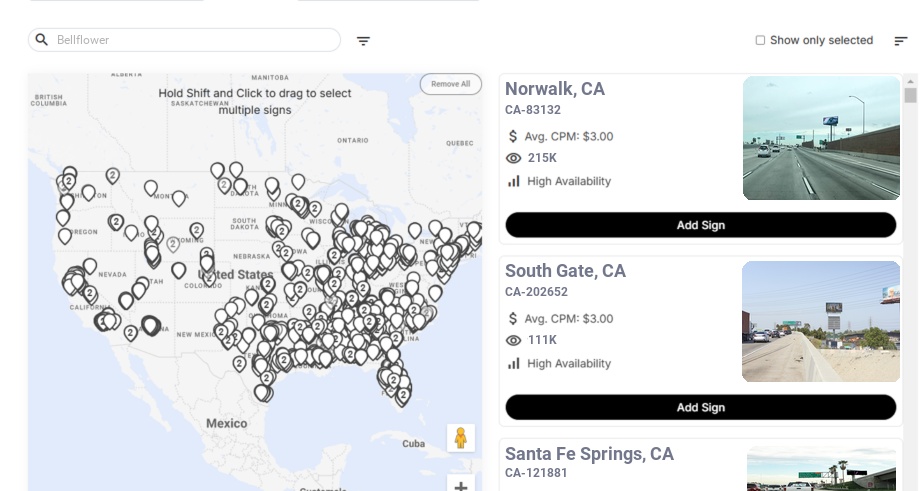
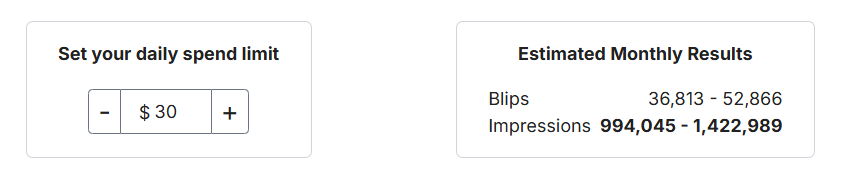
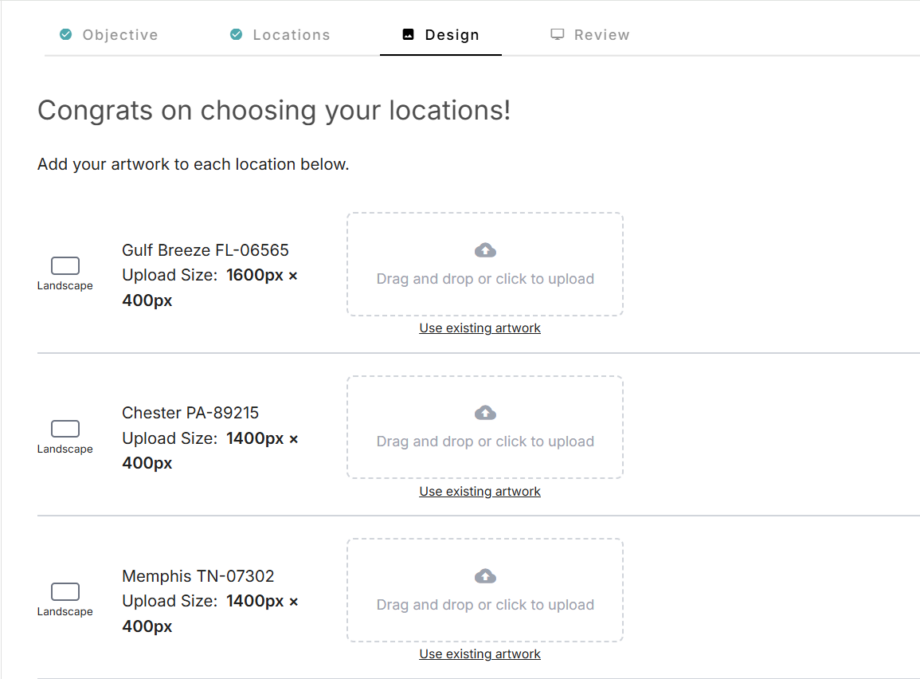
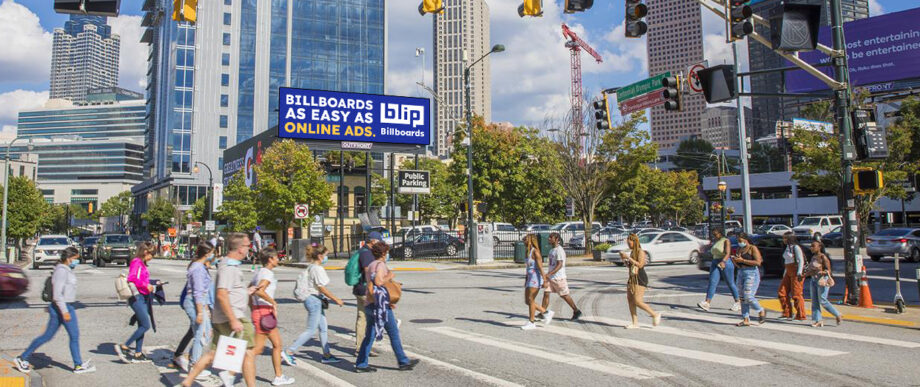
How much is a billboard in Bellflower?
Billboards in other California cities
Bellflower Billboard Advertising Guide
Bellflower sits in the heart of southeast Los Angeles County Artesia, Norwalk, South Gate, Lynwood, Compton Los Angeles, we can help advertisers reach local residents, commuters, and shoppers with precision and flexibility using Blip’s pay-per-flip model. For businesses specifically looking for billboards near Bellflower or flexible digital Bellflower billboards that don’t require long-term contracts, this network provides extensive regional coverage.
Understanding the Bellflower Area Market
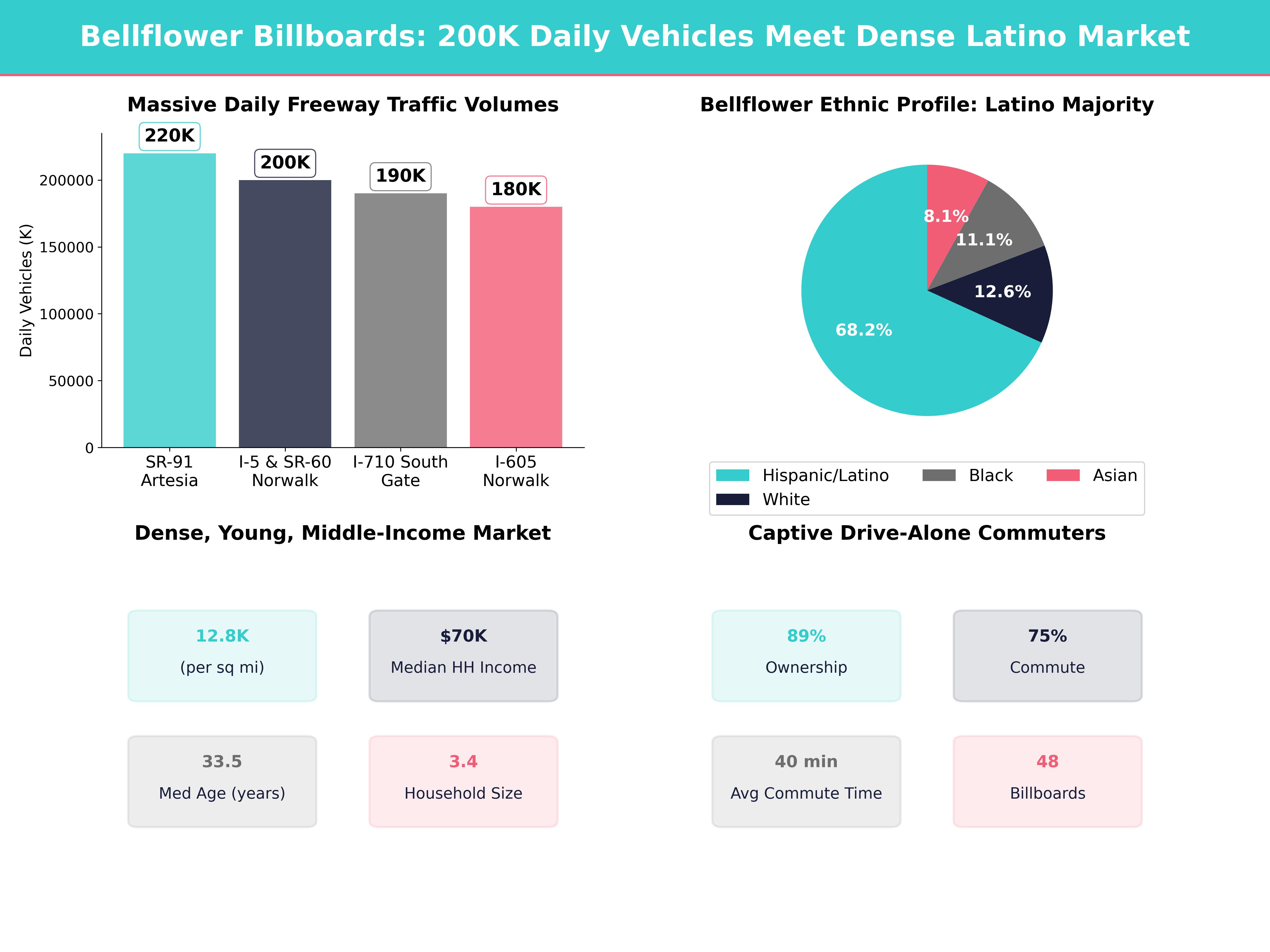
Bellflower is a compact but densely populated city in the Gateway Cities region of LA County. Recent population estimates place Bellflower at roughly 77,000–80,000 residents in about 6.1 square miles, translating to a population density of around 12,500–13,000 people per square mile—more than five times the U.S. average of roughly 2,800 people per square mile and significantly higher than the Los Angeles County average of about 2,500–3,000 per square mile. That density makes well-placed digital billboards extremely efficient at generating impressions for both local and regional campaigns, especially for advertisers seeking billboard advertising near Bellflower that can reach large audiences quickly.
Key demographic characteristics of the Bellflower area:
- Population: Approximately 79,000 residents, with modest growth over the past decade (roughly 3–5% since 2010).
- Median age: Around 33–34 years, skewing younger than both the California median (about 37 years) and the national median (about 38 years).
- Household size: Averages roughly 3.3–3.5 people per household, compared with a national average of about 2.6. This indicates a high share of families and multigenerational homes.
-
Race and ethnicity:
- Hispanic/Latino residents make up an estimated 65–70% of the population.
- Non-Hispanic White residents account for roughly 10–15%.
- Black/African American residents represent around 10–12%.
- Asian residents account for approximately 7–9%, with additional representation from Pacific Islander and multiracial communities.
This diversity aligns with broader Gateway Cities trends, where more than 80% of residents identify as people of color.
- Income: Median household income in Bellflower falls in the $65,000–$75,000 range, close to LA County’s median (around $76,000), with a large share of households in the $40,000–100,000 bracket. Roughly 15–20% of residents live below the poverty line, creating strong demand for value-oriented products and services.
Bellflower’s employment base is strongly tied to nearby cities. In LA County, more than 45% of workers are employed in services, healthcare, education, and retail, while logistics, construction, and manufacturing together account for another 15–20%. Many Bellflower residents commute to jobs in Downey Long Beach, Commerce
The city’s official site, the City of Bellflower, and regional resources like the Los Angeles County Economic Development Corporation Gateway Cities Council of Governments and Los Angeles County
What this means for advertisers:
- Messaging should be family-focused and value-conscious, with clear calls-to-action that resonate with working families and commuters who may be managing tight budgets—especially when about 1 in 5 residents is under age 18 and a substantial share of households have children.
- Bilingual (English/Spanish) creative can significantly widen reach; in LA County, more than 55% of residents speak a language other than English at home, and in Bellflower’s surrounding communities, Spanish-speaking households often exceed 60%. Even a short Spanish tagline or offer line can improve relevance for the large Hispanic audience.
- A relatively young median age supports campaigns related to quick-service restaurants, entertainment, automotive, mobile apps, education, and trades training, especially given that roughly 60%+ of residents are in the prime working and consumption ages 18–64.
Where Our Billboards Reach People Near Bellflower
While our digital billboards are located in nearby cities, they are positioned on major routes that residents of the Bellflower area use daily. For marketers searching for billboards near Bellflower that still capture local traffic, these nearby placements function effectively as Bellflower billboards because of the overlapping commuter corridors. Within about 10 miles, we have 48 digital screens in places like:
- Artesia (2.9 miles) – Near SR-91 (Artesia Freeway), a key east–west corridor for Bellflower residents who shop, work, or study in Cerritos, Buena Park, and beyond. Learn more about the area through the City of Artesia.
- Norwalk (4.1 miles) – Along I-5, I-605, and the Norwalk Boulevard corridor, capturing both local and regional commuters heading toward Downtown LA and Orange County. See community info at the City of Norwalk.
- South Gate & Lynwood (about 5 miles) – Near I-710 and key surface streets connecting the Gateway Cities; these routes are heavily used by industrial and service workers. Local context is provided by the City of South Gate and City of Lynwood.
- Santa Fe Springs & Montebello (4.8–6.5 miles) – Along I-5 and SR-60, serving heavy commuter flows between southeast LA County and Downtown LA. See the City of Santa Fe Springs and City of Montebello
- Compton & Carson (5.9–7 miles) – Near SR-91, I-710, and I-405, linking Bellflower-area commuters to the port, industrial, and retail zones. Learn more through the City of Compton City of Carson.
- Los Angeles & Buena Park (5–7.3 miles) – Reaching shoppers and workers moving between Bellflower, central LA, and north Orange County. Tourism and attraction insights are available at Discover Los Angeles and Visit Buena Park.
Caltrans District 7 traffic data for these freeways and primary routes typically show daily traffic volumes in the hundreds of thousands of vehicles:
- Segments of SR-91 near Artesia/Compton often carry 210,000–230,000 vehicles per day, ranking among the busier east–west routes in the region.
- I-605 near Norwalk and Santa Fe Springs regularly sees around 160,000–200,000 vehicles per day, including commuters connecting to I-5, I-105, and SR-91.
- I-710 near South Gate and Lynwood draws on the order of 180,000–200,000 vehicles per day, with truck volumes accounting for roughly 10–15% of total traffic due to proximity to the Port of Los Angeles and Port of Long Beach
- I-5 and SR-60 corridors near Norwalk and Montebello routinely see 180,000–220,000 vehicles per day, combining heavy commuter traffic to and from Downtown Los Angeles, the San Gabriel Valley, and Orange County.
Across a full week, these volumes translate to 1.2–1.4 million vehicle trips on many segments, so even a modest share of exposures can yield tens of thousands of impressions for a single creative. For brands using billboard advertising near Bellflower, this level of traffic helps turn a relatively small buy into broad regional awareness.
By selecting specific boards in these corridors with Blip, we can tailor campaigns to:
- Bellflower-area commuters heading to LA or Orange County in the morning, many of whom travel 10–20 miles each way.
- Residents returning home through Artesia, Norwalk, or Compton in the evening, when freeway speeds often drop below 35 mph, increasing dwell time and readability.
- Shoppers and leisure travelers visiting malls, restaurants, and attractions in Buena Park, Carson, and central LA, including destinations like Knott’s Berry Farm and major retail centers.
Commuter Patterns and Timing Your Campaign
The Bellflower area is strongly car-dependent, like most of LA County. County-wide, roughly 88–90% of households own at least one vehicle, and more than 75% of workers commute by driving alone**, while another 8–10% carpool. Fewer than 10% use public transit as their primary commute mode, despite extensive bus and rail service from LA Metro 31–32 minutes each way in LA County, and for many Gateway Cities residents, one-way trips of 35–45 minutes are common.
These patterns mean Bellflower-area residents collectively spend millions of hours per year on the road, creating repeated exposure opportunities for digital billboards and making billboard rental near Bellflower a practical way to stay in front of drivers day after day.
Key patterns to leverage:
-
Morning rush (6:30–9:30 a.m.)
Many residents travel north and west toward Los Angeles, South Gate, Lynwood, and Montebello, or east toward Santa Fe Springs and Norwalk employment centers. During this window, freeway speeds can drop 20–40% below free-flow conditions, extending ad visibility. This is a powerful window for:- Coffee shops and breakfast QSR offers (e.g., “Exit in 2 miles for breakfast specials”), especially when over 60% of workers start shifts between 6 a.m. and 10 a.m.
- Auto repair and insurance (“Protect your commute—call today”), targeting the roughly 1 in 10 drivers who experience some form of mechanical or collision-related issue each year.
- Job recruitment and training programs (“Classes start Monday—enroll now”), particularly for healthcare, logistics, and trades, which together employ tens of thousands of workers within a 10–15 mile radius.
-
Evening rush (3:30–7:30 p.m.)
Traffic flows back toward the Bellflower area from Los Angeles, Carson, Compton, and Montebello. This is ideal for:- Restaurants, grocery stores, and delivery services capturing the 40–50% of households that eat out or order in at least once a week.
- Fitness centers and after-school programs, aligning with families picking up children from schools and activities—school-aged children account for roughly 18–20% of the local population.
- Retail promotions and same-day or weekend sales that leverage increased mall and big-box traffic; regional centers like Los Cerritos, Lakewood, and Downey attract tens of thousands of visits per week.
-
Midday (10 a.m.–3 p.m.)
Midday traffic includes service workers, shoppers, and parents with flexible schedules. While volumes are 10–25% lower than peak rush periods, impressions remain high and often more cost-efficient. Use this window for:- Medical clinics, dental offices, and beauty services, as many appointments are scheduled between 10 a.m. and 2 p.m.
- Home services (HVAC, solar, pest control), especially in spring and summer when service calls rise by 20–40% due to heat and seasonal pests.
- Government and community messaging, such as public health campaigns or city programs, coordinated with agencies like the City of Bellflower or Los Angeles County.
With Blip’s dayparting, we can schedule your ads so they appear only during the time windows most relevant to your target audience—maximizing impact per dollar and aligning with when 80–90% of daily vehicle trips occur.
Local Economic Drivers and Vertical Opportunities
The Bellflower area economy is tied closely to the broader Gateway Cities and Los Angeles County, mixing service, healthcare, education, logistics, and retail. In LA County, roughly:
- 15–20% of jobs are in healthcare and social assistance
- 12–15% in retail trade
- 10–12% in education
- 10–12% in manufacturing, transportation, and warehousing combined
Bellflower residents are directly connected to these sectors through nearby employment hubs, which is why billboard advertising near Bellflower often performs well for employers and service providers looking to reach these workers.
Some notable drivers and nearby hubs include:
- Healthcare and medical services
There are multiple hospitals and clinics in the broader area, including major medical centers in Downey, Norwalk, and Long Beach. Facilities such as PIH Health in Downey, Kaiser Permanente in Downey and Bellflower, and large hospital systems in Long Beach collectively employ tens of thousands of workers and serve hundreds of thousands of patient visits annually. Healthcare facilities draw patients and employees from the Bellflower area daily, with many sites seeing thousands of visits per weekday. Local and regional health information is frequently shared through outlets like the Press-Telegram. - Education
School districts serving the area—such as Bellflower Unified School District (BUSD website)—educate thousands of K–12 students each year; Bellflower Unified alone serves approximately 11,000–12,000 students. Nearby districts like Downey Unified Norwalk-La Mirada Unified School District also draw Bellflower-area families.
Higher education is another major driver, with nearby institutions such as Cerritos College, Long Beach City College, and California State University, Long Beach collectively enrolling well over 100,000 students in total. Back-to-school, continuing education, and vocational training campaigns perform especially well from July through September and again in January, when enrollment and registration spikes can increase website and in-person traffic by 30–50%. - Retail and entertainment
Residents travel to regional shopping and entertainment destinations like Buena Park (home to Knott’s Berry Farm and associated retail corridors), Cerritos, Downey Lakewood. Major shopping centers such as Los Cerritos Center Lakewood Center, and Stonewood Center each host millions of visits annually. Local news sources such as the Press-Telegram and Los Angeles Times - Industrial and logistics
The Bellflower area sits near major industrial zones in Santa Fe Springs, Commerce, South Gate, and Carson. These corridors support logistics jobs and steady truck and commuter flows, ideal for B2B campaigns (fleet services, equipment, staffing firms). Gateway Cities communities collectively move a significant share of the region’s freight, with truck trips on nearby freeways increasing by 10–20% during peak shipping seasons tied to port activity.
Verticals that can particularly benefit from digital billboards serving the Bellflower area:
- Restaurants (especially quick-service and fast-casual), which capture frequent repeat visits; national data show over 60% of adults eat at fast-food restaurants at least once per week.
- Auto dealers, auto repair shops, tire stores, and insurance agents, serving a market where nearly 9 in 10 households have cars and many drive more than 12,000 miles per year.
- Healthcare (urgent care, dental, optical, clinics), addressing a local population where routine visits, urgent care needs, and elective procedures generate constant demand.
- Education (trade schools, community colleges, online learning), particularly in a younger market where more than 30% of adults may be pursuing some form of postsecondary or certificate training.
- Home services (plumbing, HVAC, solar, roofing, pest control), especially during summer heat waves when electricity and cooling demand surge across LA County.
- Entertainment (events, concerts, theme parks, local attractions), leveraging regional venues and attractions promoted by Discover Los Angeles and Visit Buena Park.
- Financial services (credit unions, tax prep, payday alternatives), serving working families who often time major purchases—vehicles, furniture, electronics—around tax refunds and seasonal income spikes.
Designing Creatives for the Bellflower Area Audience
Bellflower-area drivers often encounter billboards at highway speeds (55–65 mph) or on major arterials in nearby cities. That means we have about 5–7 seconds of attention per impression—roughly the time it takes a car going 60 mph to travel 450–600 feet. Effective creative follows a few key principles:
-
Bilingual and culturally relevant messaging
With a large Hispanic/Latino population and strong cultural diversity:- Consider dual-language creatives: primary message in English with a short Spanish tagline, or vice versa. In LA County, roughly 40–45% of residents speak Spanish at home, so even partial Spanish messaging can significantly boost relevance.
- Use inclusive imagery that reflects families and individuals from different backgrounds common to southeast LA County.
- Keep Spanish lines short and legible—ideally under 7–8 words—to stay readable at freeway speeds.
-
Keep text extremely concise
Aim for:- 6–8 words maximum, plus a logo or URL; studies of roadside readability consistently show recall rates dropping sharply when copy exceeds about 10 words.
- Large, high-contrast fonts (sans-serif) that are easy to read at a glance.
- One core call-to-action, such as “Exit Lakewood Blvd” or “Order at [short URL]”.
-
Use location-based hooks
Tie your offer to recognizable local references:- “On your way home to Bellflower?”
- “2 miles ahead – Norwalk location”
- “Near the 91 & Lakewood – Open Late”
This makes your message feel relevant to drivers who identify with the area and reinforces geographic memory; location-specific wording has been shown to improve ad recall by 10–20% in many OOH studies. Including phrases like “minutes from Bellflower” or “serving Bellflower commuters” can further signal that your billboard advertising near Bellflower is meant for local residents.
-
Mobile-first calls to action
Many Bellflower-area residents use smartphones heavily for navigation, ordering, and deals; in LA County, smartphone adoption is estimated above 85% of adults.- Use short URLs and QR codes with high contrast and simple design.
- Promote app downloads, online order discounts, or “Text BELL to #### for 10% off”.
- Ensure your landing pages are fast and mobile-optimized—pages taking longer than 3 seconds to load can lose 30–50% of visitors.
-
Color and contrast for LA’s daylight
Southern California sunlight can be intense, with more than 280–290 sunny days per year in the region. On digital billboards:- High-contrast combinations (dark text on light background or vice versa) work best and maintain legibility even in midday glare.
- Avoid thin fonts and overly detailed backgrounds that blur at distance.
- Use bold colors that cut through visual noise (e.g., yellow/black, white/red, white/navy), which have been shown to improve legibility and brand recognition at 500+ feet.
Seasonality and Event-Driven Campaigns
The Bellflower area experiences relatively stable weather year-round—average high temperatures in the 70s and low 80s°F most of the year and limited rain concentrated in winter—so seasonality is driven more by school schedules, holidays, and local events than by climate shifts.
Key seasonal patterns:
-
Back-to-school (late July–September)
Local districts like Bellflower Unified School District and nearby systems typically return to class between late July and late August. This period brings:- Increased morning and afternoon traffic near schools and along commuter corridors.
- Heavy shopping for supplies and clothing; families often increase spending by 20–30% on school-related items.
Ramp up campaigns for: - Education and tutoring services.
- Kids’ health and dental, timed to checkups before school starts.
- Retail, clothing, and electronics focused on school and college needs.
-
Holiday season (November–December)
Major shopping at regional malls and centers in Downey, Cerritos, Lakewood, and Buena Park accelerates sharply; many retailers see 20–30% of annual sales during November–December.- Promote gift cards, special holiday offers, and extended hours.
- Combine billboards with online campaigns targeting Bellflower-area ZIP codes for reinforcement; cross-channel campaigns can increase ad recall by 50% or more compared with single-channel efforts.
-
Tax season (January–April)
Bellflower has many working families who rely on tax refunds, and federal and state refunds often average several thousand dollars per household.- Tax preparation, auto dealers (refund promotions), furniture, and home improvement do particularly well.
- Financial services can highlight refund-advance products and savings accounts, targeting the roughly 70% of filers who receive a refund.
-
Summer (May–August)
Increased travel, local tourism, and leisure activities drive traffic to beaches, theme parks, and entertainment districts.- Campaigns for theme parks, local attractions, summer camps, and quick-service dining can focus on families moving between the Bellflower area and coastal/entertainment destinations.
- Regional tourism sites like Discover Los Angeles and Visit Long Beach highlight events and attractions that draw local traffic into central LA and coastal areas, contributing to weekend traffic peaks on I-710, I-605, and SR-91.
With Blip, we can adjust your schedules in real time—dialing up impressions around key holidays (Black Friday, Cinco de Mayo, Labor Day, Independence Day) and scaling back during slower periods, all without long-term commitments. This flexibility helps align spend with periods when consumer spending can increase by 20–40% in certain retail categories and makes short-term billboard rental near Bellflower easy to test around major events.
Using Blip Tools to Target the Bellflower Area Efficiently
Our platform lets you zero in on the Bellflower area market while taking full advantage of high-traffic corridors in nearby cities.
Key tactics:
-
Board-level geographic targeting
- Choose boards in Artesia and Norwalk to reach commuters using SR-91 and I-605 who live or work in the Bellflower area. These corridors connect to major job centers and schools like Cerritos College.
- Add South Gate, Lynwood, and Compton boards to capture I-710 traffic between the Gateway Cities and central LA, where daily volumes often exceed 180,000 vehicles.
- Use Carson and Buena Park boards to reach Bellflower-area residents heading to the ports, South Bay, or Orange County attractions such as Knott’s Berry Farm and malls promoted by Visit Buena Park. This mix effectively functions as a custom network of billboards near Bellflower that you can turn on and off as needed.
-
Dayparting and weekly scheduling
- Focus weekday morning and evening rush hours for commuter campaigns, aligning with the Monday–Friday pattern when most full-time workers commute.
- Emphasize weekends for retail, events, and quick-service dining, when shopping trips and entertainment outings can increase by 25–40% compared with weekdays.
- For B2B or professional services, run heavier Monday–Friday during business hours, targeting office, industrial, and service workers whose schedules cluster between 8 a.m. and 6 p.m.
-
Budget control and A/B testing
-
Start with a modest daily budget and run two or more creative versions:
- Version A: English-only
- Version B: English + Spanish tagline
- Compare performance by monitoring frequency, traffic times, and inbound responses (calls, website visits, coupon redemptions). Bilingual or culturally tailored creatives in LA County frequently outperform generic ads, often delivering 10–30% higher response rates.
- Shift budget toward the best-performing creative and time slots as data accumulates over 2–4 weeks.
-
Start with a modest daily budget and run two or more creative versions:
-
Message rotation for different audience segments
- Rotate family-focused offers during early evening and weekends, when family trips and dining out are most common.
- Run employment or training messages during midday and late-night schedules for shift workers in healthcare, logistics, and manufacturing.
- Promote different store locations depending on the direction of traffic (e.g., Norwalk location vs. Carson location), capitalizing on corridor-specific traffic volumes and exit patterns.
Measuring Success and Connecting Billboards to Your Funnel
To ensure your digital billboard campaign serving the Bellflower area is working as hard as possible, we recommend tying every creative to measurable outcomes.
Practical measurement approaches:
-
Unique URLs and promo codes
- Create short, memorable URLs (e.g., “BrandNameBellflower.com”) and track visits. Even a simple landing page with analytics can show changes in traffic of 20–50% when campaigns go live.
- Use billboard-specific promo codes (“BELL10”) and track redemptions online or at POS. When codes are used consistently, businesses can attribute a clear percentage of new sales—often 5–15% during promotion periods—to billboard exposure.
-
Adjust bids based on performance
- If you see strong lift in website or foot traffic during periods when your ads are heavier (for example, after increasing evening impressions on SR-91 boards near Artesia), allocate more budget to those times and locations.
- Over time, reallocating budget toward high-performing dayparts and corridors can improve cost-per-acquisition by 20–30%.
-
Coordinate with local media
- Combine your billboard campaign with coverage from local outlets such as the Press-Telegram, ABC7 Los Angeles, or community news sources. Cross-media campaigns (OOH + TV/online) typically produce higher recall and brand favorability—often 1.5–2x the impact of single-channel efforts.
- When a news story or sponsorship runs at the same time as a billboard campaign, community recognition can spike quickly, especially in tight-knit areas where local stories spread via social media.
-
Track store traffic and calls
- For local businesses, monitor foot traffic by day and time, and track call volume with a billboard-specific phone number. Even small businesses commonly see 10–20% increases in calls or visits during active OOH campaigns.
- Compare trends before, during, and after your campaign for at least 4–8 weeks to understand both immediate and residual impact.
Putting It All Together for the Bellflower Area
By leveraging 48 digital billboards in nearby cities—Artesia, Norwalk, South Gate, Lynwood, Compton, Los Angeles, and more—we can build a tailored campaign that reaches people who live, work, shop, and commute in the Bellflower area. These boards sit on corridors carrying hundreds of thousands of vehicles per day, turning even modest budgets into substantial weekly impression counts and giving advertisers an accessible way to test billboard rental near Bellflower without locking into traditional static placements.
The most successful campaigns:
- Respect and reflect the area’s diverse, largely Hispanic, family-oriented population, where households are larger and younger than national averages.
- Use short, clear, bilingual-friendly messaging designed for roadside speeds, maximizing recall in 5–7 seconds of viewing time.
- Target high-traffic corridors and peak commuting times with precise dayparting, aligning with the 75%+ of workers who drive to their jobs.
- Align with local seasonality—school calendars, holidays, and community events that swell traffic and consumer spending by 20–40% in key retail periods.
- Tie every impression to measurable outcomes via codes, URLs, calls, and store traffic, then refine based on real-world response data.
With flexible budgets, no long-term contracts, and the ability to adjust locations and schedules on the fly, Blip gives advertisers in and around the Bellflower area a powerful way to test, learn, and scale outdoor campaigns in real time—turning the region’s dense traffic and vibrant, diverse community into a consistent source of new customers through targeted billboard advertising near Bellflower.