Billboards near Montgomery, OH
No Minimum Spend. No Long-Term Contracts. Just Results.
Trusted by Leading Brands


Billboard advertising
near Montgomery has never been easier
How much is a billboard near Montgomery?
Why Choose Blip for Billboard Advertising near Montgomery
Blip lets you launch Montgomery billboards fast, reaching I-71 and I-275 commuters without sales calls or delays.
In Montgomery, set flexible daily spend and pay only for the blips you get—ideal for affluent shoppers near Kenwood and Montgomery Road.
No contracts means you can test Montgomery weekday commute hours, school runs, and weekend dining traffic, then shift spend anytime.
Use real-time analytics with Blip to see what works in Montgomery and adjust around Blue Ash commuters, Kenwood shoppers, and Loveland trail traffic.
Create and swap Montgomery billboard ads easily with Blip's tools—perfect for seasonal pushes from back-to-school to holiday shopping.
Frequently Asked Questions About Billboard Advertising near Montgomery
How much does a billboard cost near Montgomery, Ohio with Blip?
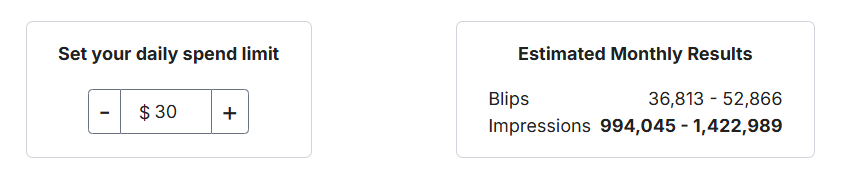
With Blip, you can run eye-catching ads on Montgomery billboards on any budget, because you choose a daily spend that Blip automatically honors. Each “blip” is a 7.5–10 second ad on rotating digital billboards near Montgomery, Ohio, and you pay only for the blips you receive, similar to pay-per-click online ads. Costs vary based on when and where your ad runs and on advertiser demand, so you stay in control while reaching drivers in the Montgomery area.
Where can I advertise with Blip near Montgomery, Ohio?
We have 7 digital billboards serving the Montgomery area, located in nearby cities within about 10 miles—most notably in Loveland, approximately 8.2 miles from Montgomery. These locations are strategically positioned along key commuter and shopping routes that residents of the Montgomery area use every day. Major corridors influencing how people move around the Montgomery area include I-71, I-275, US 22/3 (Montgomery Road), and SR 48 and Loveland–Madeira Road.
What kind of audience do Montgomery billboards with Blip reach?
The Montgomery, Ohio area offers one of the most attractive suburban audiences in the Cincinnati region: affluent households, family decision-makers, and daily commuters moving between northern suburbs and downtown Cincinnati. Montgomery is a historic, upscale suburb in northeast Hamilton County, and the area has roughly 10,800 residents with a significant share of high-income professionals. Within a 10-mile radius of Montgomery, there are well over 100,000 residents and tens of thousands of daytime workers.
When is the best time to run Montgomery, Ohio billboard ads with Blip?
The Montgomery area has distinct traffic and activity patterns, and with Blip, we can purchase “blips” at specific times of day and days of week to match those patterns and your budget. Morning peak is roughly 7:00–9:00 a.m., and evening peak is about 4:00–6:30 p.m. Midday, school-related traffic, evenings, and weekends can also be strong depending on your audience and offer.
What businesses work well on Montgomery, Ohio billboards?
This makes brand visibility near Montgomery particularly effective for higher-end retail and boutiques, financial and professional services, medical and dental practices, home services and contractors, restaurants and hospitality, and private schools, camps, and extracurricular programs. The Montgomery area’s demographics create several high-value audience segments, including affluent suburban families, professionals and executives, and regional shoppers and diners. Digital billboards serving the Montgomery area let us put your brand directly in front of these high-intent audiences as they commute, shop, and dine.
Do I need a contract to advertise with Blip near Montgomery?
No, Blip has no long-term contracts or minimum commitments. You can start, pause, or stop your campaign at any time.
How fast can I launch a billboard campaign with Blip near Montgomery?
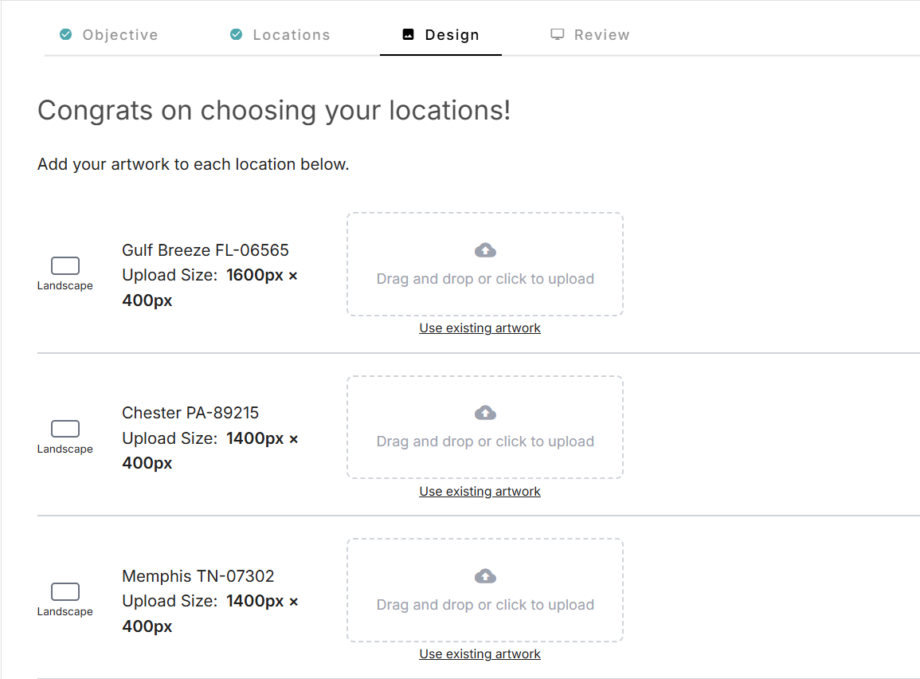
You can have your campaign live in minutes. Create a free account, select your locations, set your budget, upload your design, and start running once approved.
Where can I advertise with Blip near Montgomery?
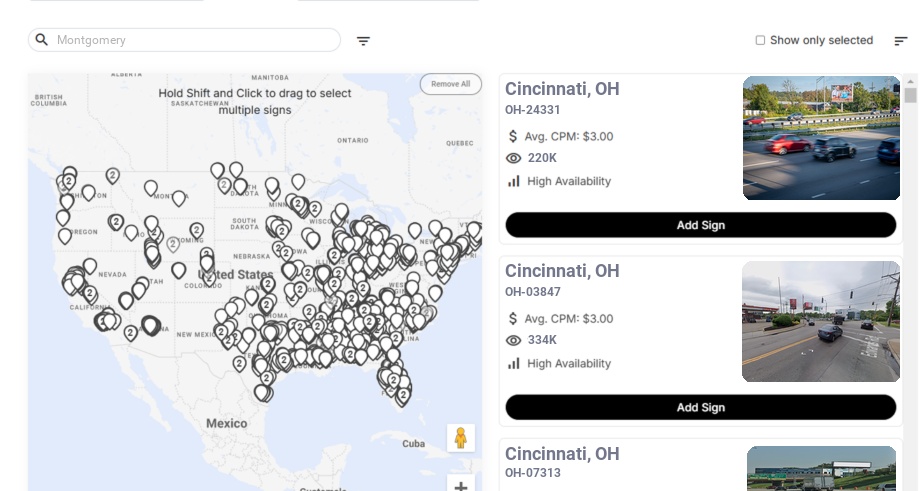
Blip has digital billboards near Montgomery. You can browse available locations on a map, choose the ones that fit your audience, and start advertising right away.
Still have questions? Launch a campaign in minutes — no contracts, no commitments.
Start Your CampaignMontgomery Billboard Advertising Guide
The Montgomery, Ohio area offers one of the most attractive suburban audiences in the Cincinnati region: affluent households, family decision-makers, and daily commuters moving between northern suburbs and downtown Cincinnati. With digital billboards near Montgomery—particularly in nearby Loveland—we can help advertisers tap into this concentrated, high-spend market using flexible, data-driven campaigns. For brands exploring billboard advertising near Montgomery, these placements provide a cost-effective way to extend reach beyond search and social while staying tightly focused on local consumers.
Understanding the Montgomery Area Market
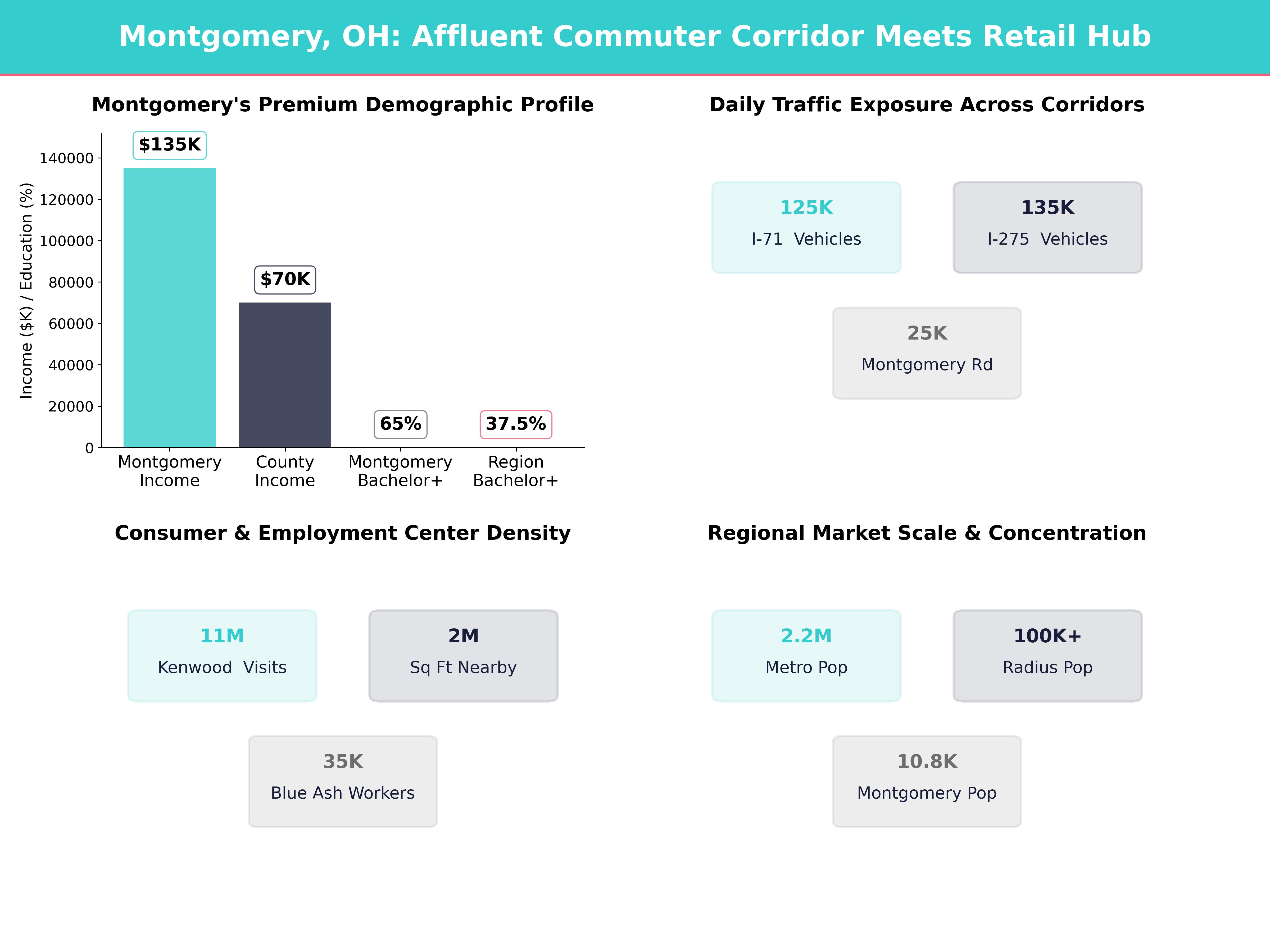
Montgomery is a historic, upscale suburb in northeast Hamilton County, about 15 miles from downtown Cincinnati. According to recent city data from the City of Montgomery, the Montgomery area has roughly 10,800 residents, and a significant share of households are high-income professionals:
- Median household income in Montgomery is in the $130,000–$140,000 range, nearly double Hamilton County’s median around the low $70,000s.
- More than 60–70% of adult residents in Montgomery hold a bachelor’s degree or higher, compared with roughly 35–40% across the broader Cincinnati region.
- The Cincinnati metro area as a whole includes over 2.2 million residents and more than 900,000 workers, giving advertisers the option to speak both to local Montgomery shoppers and to regional commuters passing through the area daily.
Montgomery functions as a retail and dining hub for surrounding suburbs including Blue Ash, Symmes Township, Indian Hill Loveland. Key commercial nodes such as Montgomery Road’s business district and the nearby Kenwood retail corridor attract shoppers from across northeast Cincinnati:
- The Kenwood/Harper’s Point corridor features more than 2 million square feet of retail space within a 10–15 minute drive of Montgomery, including over 180 stores and restaurants at Kenwood Towne Centre alone.
- Kenwood Towne Centre draws an estimated 10–12 million visits per year and is frequently cited in local business coverage by outlets such as Cincinnati.com as one of the highest-grossing malls in Ohio by sales per square foot.
- Within a 10-mile radius of Montgomery, there are well over 100,000 residents and tens of thousands of daytime workers, creating dense layers of local shoppers and commuters.
This makes brand visibility near Montgomery particularly effective for:
- Higher-end retail and boutiques
- Financial and professional services
- Medical and dental practices
- Home services and contractors
- Restaurants and hospitality
- Private schools, camps, and extracurricular programs
Digital billboards serving the Montgomery area let us put your brand directly in front of these high-intent audiences as they commute, shop, and dine. For many advertisers, Montgomery billboards function as a consistent, high-visibility anchor alongside more targeted digital campaigns.
Where Our Billboards Reach Drivers Near Montgomery
We have 7 digital billboards serving the Montgomery area, located in nearby cities within about 10 miles—most notably in Loveland, approximately 8.2 miles from Montgomery. These locations are strategically positioned along key commuter and shopping routes that residents of the Montgomery area use every day, making them ideal options if you are considering billboard rental near Montgomery.
Major corridors influencing how people move around the Montgomery area include:
- I-71 – A primary north–south interstate connecting downtown Cincinnati to suburban employment centers like Blue Ash, Mason, and beyond. Sections near Montgomery typically carry on the order of 110,000–140,000 vehicles per day.
- I-275 – The beltway around Cincinnati, funneling regional traffic toward Montgomery and its retail districts, with many segments in northeast Hamilton County seeing 120,000–150,000 vehicles per day.
- US 22/3 (Montgomery Road) – The historic commercial spine through the Montgomery area, heavily used for local shopping, dining, and everyday errands, with common daily traffic counts in the 20,000–30,000+ vehicle range through key retail stretches.
- SR 48 and Loveland–Madeira Road – Key connectors between Montgomery, Loveland, and other northeast suburbs, serving thousands of daily trips between residential neighborhoods, schools, and shopping centers.
Traffic on these roads is reinforced by strong employment and retail clusters nearby:
- The Blue Ash business district, anchored by areas such as the Summit Park
- The Kenwood/Harper’s Point retail areas draw tens of thousands of shoppers weekly. On busy weekends and during the November–December peak, daily visitor counts to Kenwood-area stores can spike to well over 40,000–50,000 shoppers.
- The Loveland area is a major draw for recreation, thanks to the Little Miami Scenic Trail
By placing digital billboard messages on routes near Loveland and other adjacent suburbs, we can efficiently reach:
- Montgomery-area residents commuting to downtown Cincinnati or Blue Ash
- Shoppers traveling between Montgomery, Kenwood, and Loveland
- Families and recreational visitors headed toward parks, trails, and weekend destinations
This network of Montgomery billboards and nearby digital faces allows campaigns to blanket the full suburban trade area without wasting impressions far outside your service radius.
Key Audience Segments in the Montgomery Area
The Montgomery area’s demographics create several high-value audience segments that billboard advertisers can lean into. When planning billboard advertising near Montgomery, it helps to match your message to the groups most likely to respond.
1. Affluent Suburban Families
- The Montgomery area is known for its high-performing schools, including districts such as Sycamore Community Schools and nearby Indian Hill Exempted Village School District, both routinely ranked among the top in Ohio in state report cards for college readiness, graduation rates (often 95–99%), and test scores.
- In several of the ZIP codes around Montgomery, owner-occupied home rates are in the 70–80% range, with many homes valued at $400,000–$800,000+, indicating strong household balance sheets and discretionary spending power.
-
Household sizes skew toward families, and the combination of strong schools and high incomes means robust demand for:
- Tutoring and education services
- Youth sports and enrichment programs
- Healthcare, dental, and orthodontic services
- Home improvement and landscaping
- Insurance and financial planning
2. Professionals and Executives
- Many Montgomery-area residents commute to corporate campuses in Blue Ash, downtown Cincinnati, and Mason. Typical commute times in the northeastern suburbs are in the 20–30 minute range, giving repeated daily exposure to digital billboards.
- Professional and business services, healthcare, and finance together account for well over one-third of regional employment in the Cincinnati metro, and the Blue Ash/Montgomery corridor is one of the densest clusters of office space in the region.
-
Average earnings for professional and managerial occupations in the Montgomery/Blue Ash area often exceed $90,000–$100,000 annually, creating a concentration of decision-makers who control both household and business budgets. They are prime targets for:
- B2B services (IT, legal, accounting, HR, marketing)
- Financial services and wealth management
- Luxury automotive and real estate
3. Regional Shoppers and Diners
- The Montgomery business district and newer mixed-use developments such as Montgomery Quarter
- Nearby Kenwood Towne Centre, just southwest of the Montgomery area, is consistently one of the highest-grossing malls in Ohio by sales per square foot, with regional trade area reach often extending 25–30 miles.
- In the broader I-71 corridor from Kenwood through Mason, annual retail sales are measured in the billions of dollars, with key shopping seasons (back-to-school and holidays) accounting for 25–30% of annual retail revenue for many stores.
-
This cross-suburban movement creates strong opportunities for:
- Retail promotions with specific offers or events
- Restaurant and bar campaigns targeting evening and weekend traffic
- Entertainment, arts, and cultural events
By aligning your creative and scheduling with these segments, we can use digital billboards to move people from awareness to action quickly—especially when paired with time-sensitive offers or URLs/custom landing pages.
Timing Your Campaign: When to Run Your Blips
The Montgomery area has distinct traffic and activity patterns. With Blip, we can purchase “blips” (individual ad plays) at specific times of day and days of week to match those patterns and your budget. This flexibility makes digital billboard rental near Montgomery accessible even for smaller businesses that need to tightly manage spend.
Weekday Rush Hours
- Morning peak: roughly 7:00–9:00 a.m. as commuters travel from the Montgomery area toward Blue Ash, Mason, and downtown Cincinnati. On major corridors like I-71 and I-275, 30–40% of weekday traffic can occur during the combined morning and evening rush periods.
- Evening peak: about 4:00–6:30 p.m. as commuters return and stop at grocery stores, gyms, and restaurants along Montgomery Road, I-71 exits, and Loveland–Madeira Road. Retail-focused roads can see traffic volumes 20–30% higher than midday during these hours.
For service businesses, financial firms, and healthcare practices, we recommend prioritizing:
- Morning blips focused on brand credibility and awareness.
- Evening blips emphasizing convenience (“Same-week appointments,” “Call tonight, be seen tomorrow,” etc.).
Midday and School-Related Traffic
- Between 10:00 a.m. and 3:00 p.m., traffic includes retirees, at-home workers, and parents running errands. In many suburban corridors, these off-peak hours still represent 30–40% of daily traffic volume.
- School start and dismissal windows—approximately 7:15–8:15 a.m. and 2:30–4:00 p.m.—add significant bursts of local traffic near residential routes and activity centers. Large local schools routinely serve 1,000–2,000+ students each, creating concentrated parent and teen trip patterns.
These windows are ideal for:
- Retailers, grocery stores, and quick-service restaurants (QSRs)
- Healthcare providers, salons, and fitness studios
- Enrichment programs targeting parents (music lessons, tutoring, camps)
Evenings and Weekends
The Montgomery and Loveland areas are both dining and leisure destinations:
- Downtown Loveland, the Little Miami Scenic Trail, and river outfitters attract heavy pedestrian and cycling traffic, especially from spring through fall. Visitor traffic on pleasant-weather Saturdays and Sundays can be several times weekday levels.
- Montgomery’s restaurants, bars, and community events, including those on the City of Montgomery events calendar, draw residents throughout the week, with Friday and Saturday nights typically seeing the highest restaurant sales.
- For many restaurants and entertainment venues in suburban Cincinnati, 40–50% of weekly revenue can come from Friday–Sunday.
Consider:
- Friday–Sunday heavy-up schedules for dining, entertainment, and recreation ads.
- Seasonal pushes tied to major local events promoted through organizations such as Visit Cincy and regional news outlets like The Cincinnati Enquirer, WCPO 9, and WLWT.
With Blip, we can shift spend toward the most valuable time slots without committing to fixed, long-term contracts, letting you test and refine your timing strategy using real performance indicators (web traffic spikes, phone calls, coupon redemptions).
Seasonal Strategy for the Montgomery Area
Seasonality is particularly important near Montgomery because family schedules and regional events drive behavior. Retail and service businesses in greater Cincinnati often see 20–30% swings in monthly demand across the year, so aligning billboard spend with these cycles can markedly improve ROI.
Spring (March–May)
- Youth sports, outdoor recreation, and home improvement peak as the weather improves. Local sports leagues and clubs enroll thousands of children and teens, triggering purchases of gear, training, and related services.
- Landscaping, roofing, exterior painting, lawn care, and remodeling services should concentrate spend from March through May, especially on afternoon and weekend slots, as homeowners tackle deferred maintenance.
- Spring break and Easter shopping/eating-out patterns increase traffic to retail and restaurants across Montgomery and Loveland; restaurants commonly see double-digit percentage bumps in sales during spring holiday weeks.
Summer (June–August)
- Camps, swim clubs, youth programs, and family entertainment are in high demand as schools close. Many local day camps and specialty programs operate at or near capacity, serving hundreds of families each week.
- The Loveland trail and river activities see their highest visitation—on sunny weekends, trailhead parking areas can turn over multiple times, translating into thousands of daily visitors in the downtown Loveland area. This is ideal for recreation, food, and beverage brands.
- Contractors, realtors, and moving services can capitalize on peak moving season, when a large share of annual home sales in Hamilton and Warren counties occur (often 40%+ of closings between May and August).
Fall (September–November)
- Back-to-school and extracurriculars surge: tutoring, test prep, music lessons, and sports training are highly relevant. Spending on education-related services typically jumps in August and September as families lock in fall schedules.
- Healthcare and dental practices can promote back-to-school checkups and braces, aligning campaigns with sports physicals and fall activities.
- Retailers and restaurants can target football weekends and holiday prep shopping, particularly late October and November. Many retailers see a 20–30% lift in sales from early November through Thanksgiving compared with September levels.
Winter (December–February)
- Holiday shopping and dining out intensify between Thanksgiving and New Year’s, with many Montgomery-area households having ample disposable income for gifts, events, and dining. For some retailers, 25–40% of yearly revenue is generated in the November–December window.
- Financial services, tax preparers, and wealth advisors can ramp up messaging in January–April as W-2s and tax documents arrive and households think about refunds, retirement contributions, and investment planning.
- Gyms, fitness studios, and wellness services can target New Year’s resolution traffic, with fitness participation typically spiking in January and gradually normalizing by March.
Because digital billboards are fully flexible with Blip, we can ramp your presence up or down around these seasonal peaks, instead of locking into the same spend year-round. That agility makes billboard advertising near Montgomery an attractive option for businesses with strong seasonal swings.
Creative Best Practices for the Montgomery Area
To make the most of impressions near Montgomery, billboard creative should reflect both the local environment and the way drivers process information at 55–65 mph. Eye-tracking and out-of-home (OOH) studies consistently show that drivers have only 5–8 seconds to absorb a message, so clarity is critical.
Highlight Quality and Trust
Residents of the Montgomery area tend to value quality, reputation, and long-term relationships:
- Lead with credentials: “Board-Certified Orthodontist,” “Voted Top Attorney in Cincinnati,” or “Serving Montgomery Area Families for 20+ Years.” Local awards or “Best of” lists from outlets like Cincinnati.com or CityBeat can be powerful proof points if you have them.
- Use clean, upscale design: restrained color palette, professional photography, and clear typography to match the high-end suburban aesthetic and the look/feel of nearby retail like Kenwood Towne Centre and Montgomery Quarter.
Speak to Time-Starved Families
Many households are juggling work, school, and activities—local youth sports organizations, music programs, and clubs can easily involve multiple evenings per week per child:
- Emphasize convenience: “Online booking in 60 seconds,” “Same-day service,” “Open evenings and Saturdays.”
- Focus on time- or location-based benefits: “5 minutes from the Montgomery Road exit,” “Just off I-71 at Exit __,” or “On your way between Montgomery and Loveland.”
When you invest in Montgomery billboards that highlight time savings and easy access, you are speaking directly to one of the most important decision factors for busy parents and professionals.
Use Locally Resonant Language
While we avoid implying that boards are physically within Montgomery, we can still speak directly to local identity:
- “Proud to serve the Montgomery area”
- “Trusted by families near Montgomery for over 15 years”
- “Your Montgomery area orthodontist / contractor / advisor”
Referencing familiar places—Montgomery Road, Kenwood, Loveland Bike Trail, Blue Ash business district, local parks listed on the City of Montgomery
Keep It Simple and Legible
Given the speed of passing traffic, aim for:
- 7–10 words of core message, plus your logo and a single call to action; OOH research shows recall drops sharply when copy exceeds about 10–12 words.
- High contrast between text and background (white on dark blue, or dark text on a light solid background).
- Large, bold fonts and minimal fine print—avoid complex phone numbers if a short URL or simple domain is available.
If you do use a web address, prioritize short, memorable URLs or vanity domains such as:
- MontgomeryBraces.com
- LovelandRoofing.com
- CincyTaxHelp.com
These are easier for drivers to remember and type later, especially on mobile, which accounts for a majority of web traffic in most consumer categories.
Using Blip’s Flexibility to Test and Optimize
One of the Montgomery area’s advantages for advertisers is that traffic is predictable and concentrated, which makes it ideal for experimentation. With 7 digital billboards serving the Montgomery area, we can:
-
A/B Test Creative
- Run two versions of your ad—one highlighting price, another emphasizing quality or convenience—and compare downstream metrics such as website visits or inquiry volume during the test window. Even a 10–20% difference in clickthrough or call volume can guide where to invest long term.
- Use different headlines for different dayparts: family-focused copy during after-school hours, business-focused copy during morning commute.
-
Rotate Seasonal and Offer-Based Ads
- Launch one creative for general brand awareness and another with a specific promotion (“$500 off Invisalign through June 30”) to drive urgency.
- Swap artwork around key local dates—school start, tax season, holiday shopping, or signature events promoted on Hamilton County and Visit Cincy calendars—without production delays.
-
Target Specific Time Blocks Without Overspending
- A local restaurant might focus 80–90% of its budget on 3:30–7:30 p.m. on Thursdays–Saturdays, when people are deciding where to eat near Montgomery and Loveland and when restaurant sales typically peak for the week.
- A B2B service could target weekday mornings when decision-makers are commuting to Blue Ash and downtown offices, aligning impressions with the start of the workday when business messages are most relevant.
-
Coordinate With Other Channels
- Sync your digital billboard messaging with social ads targeting ZIP codes surrounding Montgomery, Blue Ash, and Loveland for consistent branding.
- Watch for traffic spikes in Google Analytics from Montgomery- and Loveland-area IPs during time blocks when your blips run, then adjust spend based on what performs best. Even a 5–10% uplift in branded search volume during your flight weeks can be a meaningful signal.
This test-and-learn approach turns simple billboard rental near Montgomery into an ongoing optimization process that improves results over time.
Local Partnerships and Content Hooks
Tapping into the Montgomery area’s community-oriented culture can amplify your campaign:
- Sponsor local events or teams and highlight that sponsorship in your creative: “Proud sponsor of Montgomery area youth sports” or “Supporting Sycamore Schools music programs.” Local youth leagues, school booster clubs, and civic groups collectively engage thousands of families each season.
- Coordinate campaigns around events listed by the City of Montgomery, Hamilton County, or tourism calendars from Visit Cincy, timing heavier ad rotations in the weeks leading up to them.
- Monitor coverage from outlets like Cincinnati.com, WCPO, FOX19 Now, and Local 12 WKRC to align campaigns with regional news cycles or community interest topics—such as new restaurant openings, local school achievements, or major roadway projects that may temporarily shift traffic flows.
When your billboard messaging reflects the community’s real interests—school pride, recreation, local business support—it tends to earn more attention and trust.
Bringing It All Together
By combining high-income, family-oriented demographics with strong commuter and retail traffic, the Montgomery, Ohio area is a powerful environment for digital billboard advertising. With 7 digital billboards serving the Montgomery area from nearby locations such as Loveland, we can:
- Reach affluent households and professionals where they live, commute, and shop.
- Adjust your campaign by time of day, day of week, and season to align with local behavior and demand peaks that can vary 20–30% across the year.
- Tailor creative that speaks directly to Montgomery-area values: quality, convenience, and community.
- Continuously test, learn, and optimize without long-term commitments, reallocating budget toward the copy, offers, and dayparts that produce measurable lifts in calls, web visits, and in-store traffic.
When we design your campaign around how people in the Montgomery area actually move, spend, and make decisions, digital billboards become a high-impact, high-efficiency piece of your overall marketing strategy. For any business evaluating billboards near Montgomery, this approach ensures that every impression is working as hard as possible to drive real local results.