Billboards near Sleepy Hollow, NY
No Minimum Spend. No Long-Term Contracts. Just Results.
Trusted by Leading Brands


Billboard advertising
near Sleepy Hollow has never been easier
How much is a billboard near Sleepy Hollow?
Why Choose Blip for Billboard Advertising near Sleepy Hollow
Blip lets you launch Sleepy Hollow billboards in minutes, reaching commuters on I-87 and the Saw Mill River Parkway without a sales rep.
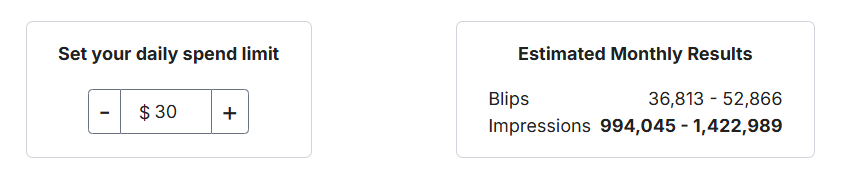
Set a flexible budget for Sleepy Hollow and only pay for the blips you run, so October tourism spikes or slow weeks stay in your control.
Use dayparting in Sleepy Hollow to hit morning NYC commuters, midday shoppers, and evening visitors headed to Hudson Valley attractions.
No contracts with Blip means Sleepy Hollow advertisers can test Yonkers corridors, then scale what works for fall events and weekend traffic.
Track Sleepy Hollow campaign results in real time and shift creative fast as traffic changes on Cross County Parkway and the Hudson River corridor.
Blip's creative tools make it easy to tailor Sleepy Hollow ads for Halloween, riverfront dining, or bilingual Westchester audiences.
Frequently Asked Questions About Billboard Advertising near Sleepy Hollow
How much does a billboard cost near Sleepy Hollow, New York with Blip?
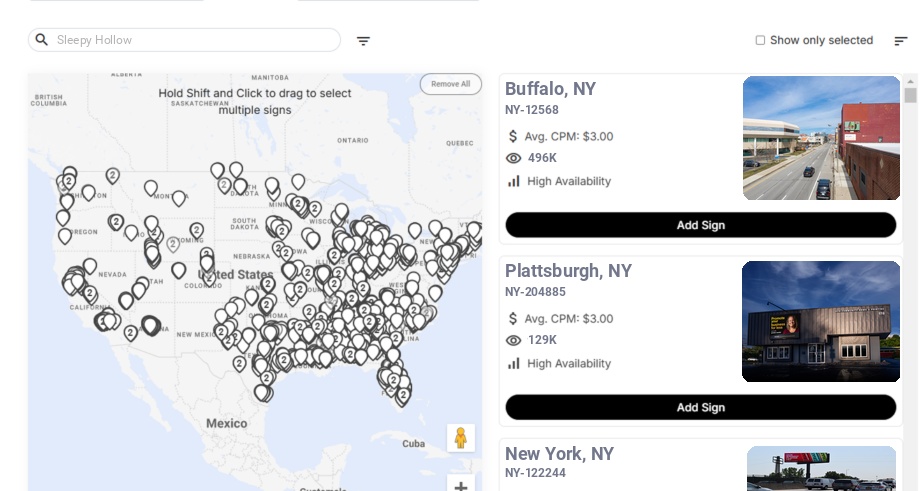
With Blip, you control exactly what you spend on Sleepy Hollow billboards by setting a daily budget that can be adjusted at any time, so your message in the Sleepy Hollow area stays within your comfort zone. You pay per “blip” – a 7.5 to 10-second ad display on rotating digital billboards near Sleepy Hollow, New York – and each blip’s price depends on when and where you choose to advertise and on current demand. That means you only pay for the exposure you receive, and the total cost over days or weeks is simply the sum of those individual blips.
Where can I advertise with Blip near Sleepy Hollow, New York?
Blip’s three digital billboards serving the Sleepy Hollow area are located in Yonkers, about 9 miles away by road. Because Sleepy Hollow is only about 9 miles from Yonkers, these billboards naturally catch Sleepy Hollow and Tarrytown residents driving south toward Yonkers, the Bronx, and Manhattan, as well as Yonkers and Bronx residents driving north to visit Sleepy Hollow area attractions.
What kind of audience do Sleepy Hollow, New York billboards with Blip reach?
The Sleepy Hollow area combines affluent suburban households, daily commuters into and out of New York City and White Plains, and tourists and visitors. Westchester County’s median household income is over $110,000, and in several riverfront ZIP codes around Sleepy Hollow and Tarrytown, median household incomes exceed $120,000. The area also sees strong commuter traffic and seasonal visitor activity tied to Sleepy Hollow’s tourism draw.
When is the best time to run billboards near Sleepy Hollow, New York with Blip?
For the Sleepy Hollow area, tailoring timing to traffic patterns and local behavior dramatically improves efficiency for billboard advertising near Sleepy Hollow. Morning southbound commute windows, midday errands, and evening traffic in both directions each reach different audiences, and tourism and leisure dominate Friday evening through Sunday. October is the peak season for Sleepy Hollow tourism, with events and Halloween-themed activity dramatically increasing weekend and evening traffic near the village.
Why do Yonkers billboards work for advertising near Sleepy Hollow, New York?
Blip’s three digital billboards serving the Sleepy Hollow area are located in Yonkers, the largest city in Westchester County and New York State’s third-largest city outside New York City. Yonkers sits directly on major transportation corridors, including I-87, the Saw Mill River Parkway, Henry Hudson Parkway, and Cross County Parkway, which carry heavy commuter and regional traffic. For many advertising goals, positioning your message in Yonkers lets you influence decisions made by a large pool of potential visitors before they choose exactly where to eat, shop, or explore along the river.
Do I need a contract to advertise with Blip near Sleepy Hollow?
No, Blip has no long-term contracts or minimum commitments. You can start, pause, or stop your campaign at any time.
How fast can I launch a billboard campaign with Blip near Sleepy Hollow?
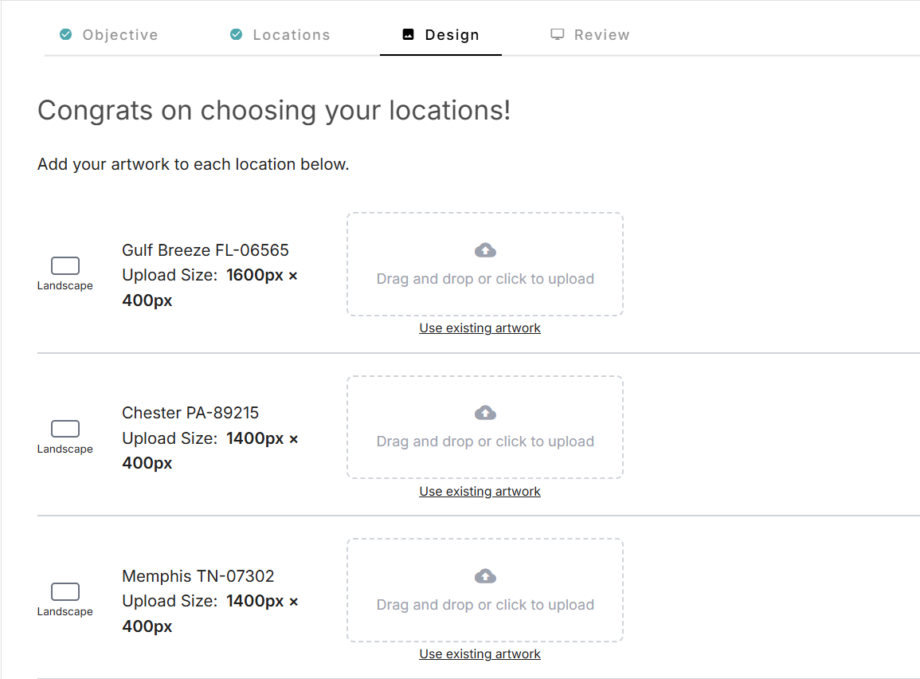
You can have your campaign live in minutes. Create a free account, select your locations, set your budget, upload your design, and start running once approved.
Where can I advertise with Blip near Sleepy Hollow?
Blip has digital billboards near Sleepy Hollow. You can browse available locations on a map, choose the ones that fit your audience, and start advertising right away.
Still have questions? Launch a campaign in minutes — no contracts, no commitments.
Start Your CampaignSleepy Hollow Billboard Advertising Guide
Sleepy Hollow, New York is one of the Hudson Valley’s most distinctive communities—small in size but oversized in cultural pull, tourism appeal, and commuter activity to New York City and the surrounding suburbs. For advertisers searching for billboards near Sleepy Hollow to reach this high‑value audience, Blip’s three digital displays in nearby Yonkers function as Sleepy Hollow billboards in practice. With these units, advertisers can use Blip to tap into a high-income, highly mobile audience that moves constantly along the Hudson River corridor between New York City, Yonkers, Tarrytown

Understanding the Sleepy Hollow Area Market
Sleepy Hollow is a riverfront village in the town of Mount Pleasant, part of Westchester County. The village’s population is just over 10,000 residents, while neighboring Tarrytown adds another 11,000+, and Yonkers to the south has more than 210,000 residents, creating a tightly connected local market. Although Sleepy Hollow itself is small, the effective market for billboard advertising near Sleepy Hollow is far larger because of overlapping commuter, retail, and tourism patterns across the lower Hudson Valley.
Key context:
- Westchester County’s population is roughly 1,000,000 residents, with a median household income above $110,000 and more than 40% of households earning $150,000 or more, making it one of the highest-income counties in New York State.
- In several river towns, including Sleepy Hollow, Tarrytown, and nearby Irvington, owner-occupied home values commonly exceed $600,000, and in some neighborhoods in Tarrytown and Sleepy Hollow, median values exceed $700,000, indicating substantial homeowner equity and spending power.
- Sleepy Hollow directly neighbors Tarrytown and sits just north of Yonkers, connecting it tightly to major retail and employment centers along the Hudson and I‑87 corridor. Yonkers alone is home to more than 5,000 businesses and multiple regional draws such as Cross County Center and Ridge Hill
- The area falls under the influence of New York City’s media market (the largest in the U.S., reaching more than 7 million TV households), but local out-of-home advertising and Sleepy Hollow billboards give brands a way to reach residents and visitors in a much more targeted, place-based way and at high-traffic decision points.
Local references worth understanding as you plan your campaign:
- Village information and planning documents: Village of Sleepy Hollow
- Town-level context and planning: Town of Mount Pleasant
- City-level demographics, development, and permitting in the core billboard market: City of Yonkers
- County-level economic and transportation context: Westchester County Government
- Tourism and visitor activity: Visit Sleepy Hollow Visit Westchester (Westchester County Tourism)
- Local and regional news: The Hudson Independent, The Journal News / lohud, and Yonkers Times
Because Blip’s digital billboards serving the Sleepy Hollow area are located in Yonkers—about 9 miles away by road—your message can intercept both local residents and the heavy flows of commuters and visitors traveling to and from the village. Daily vehicle counts on key Yonkers roadways routinely reach into the high five figures to low six figures, giving you frequent exposure even with modest budgets and making these locations some of the most efficient billboards near Sleepy Hollow for regional reach.
Who You’re Reaching Near Sleepy Hollow
The Sleepy Hollow area combines three powerful audience components: affluent suburban households, daily commuters into and out of New York City and White Plains
Affluence and spending power
- Westchester County’s median household income is over $110,000, compared with a New York State median around the mid‑$70,000s. In several riverfront ZIP codes around Sleepy Hollow and Tarrytown, median household incomes exceed $120,000, and professional and managerial occupations account for more than half of all workers.
- More than 45% of adults in Westchester County have a bachelor’s degree or higher, and in some river towns that share Sleepy Hollow’s trade area, that figure climbs above 60%. Higher educational attainment correlates with increased discretionary spending on travel, culture, dining, and premium services.
- High housing costs along the Hudson River corridor mean a concentration of dual‑income households. In many nearby census tracts, median gross rent exceeds $2,000 per month and median home values exceed $600,000, indicating households with substantial purchasing power for categories like dining, entertainment, home improvement, and financial services.
Commuter and worker population
- The Hudson Line of the Metro‑North Railroad, operated by MTA Metro‑North Railroad, runs directly through Tarrytown and nearby stations. Typical weekday travel times from Tarrytown to Grand Central Terminal are about 35–40 minutes on express trains, with peak‑period service running as often as every 10–15 minutes.
- Tarrytown Station boards several thousand riders on an average weekday, and across lower Hudson Valley stations between Yonkers and Ossining, tens of thousands of daily trips connect directly to Manhattan and regional employment centers.
- Car commuting is also significant: in many Westchester communities, around 60–70% of workers commute by car, truck, or van. This creates a strong driver audience on I‑87, the Saw Mill River Parkway, and local connectors passing the Yonkers billboards near Sleepy Hollow.
- Southbound traffic toward Yonkers and New York City includes commuters from Sleepy Hollow, Tarrytown, Briarcliff Manor, Ossining, and other northern suburbs; northbound traffic includes Yonkers, Bronx, and Manhattan residents heading to jobs and attractions in the Sleepy Hollow area. In practice, this means your message can reach both outbound professionals in the morning and inbound diners or visitors in the evening through well‑timed billboard advertising near Sleepy Hollow.
Tourists and visitors
Sleepy Hollow is nationally known for its connection to Washington Irving’s “The Legend of Sleepy Hollow.” Attractions such as Sleepy Hollow Cemetery, Philipsburg Manor, and seasonal events run by Historic Hudson Valley draw large visitor volumes, especially in the fall.
- Visit Westchester (Westchester County Tourism) reports that tourism in Westchester supports tens of thousands of jobs and generates well over $1 billion in direct visitor spending each year, with total economic impact (including indirect and induced spending) reaching multiple billions.
- Millions of visitors come to Westchester County annually, and the lower Hudson Valley communities around Sleepy Hollow and Tarrytown are among the best‑known destinations for both day trips and overnight stays from the New York City metro area.
- October is the peak season for Sleepy Hollow tourism, when events such as the Great Jack O’Lantern Blaze, various haunted attractions, cemetery tours, and Halloween‑themed festivals dramatically increase weekend and evening traffic near the village. On peak weekends, local attractions report selling out ticket blocks days or weeks in advance, and hotel occupancy in the immediate area can approach or reach capacity.
This mix of residents, commuters, and visitors makes digital billboards serving the Sleepy Hollow area especially valuable for:
- Local attractions and tours
- Restaurants, bars, and cafés
- Home services (contractors, landscapers, HVAC, etc.)
- Healthcare and professional services
- Real estate and new developments
- Retailers in Yonkers, White Plains, and the broader Hudson Valley
- Entertainment, cultural institutions, and seasonal events
Why Yonkers Billboards Work for the Sleepy Hollow Area
Blip’s three digital billboards serving the Sleepy Hollow area are located in Yonkers, the largest city in Westchester County and New York State’s third‑largest city outside New York City. That’s an advantage, not a limitation, for anyone planning billboard advertising near Sleepy Hollow.
Yonkers sits directly on major transportation corridors:
- I‑87 / New York State Thruway: A primary north–south route connecting New York City with Westchester and the rest of upstate New York. New York State Thruway Authority and New York State Department of Transportation traffic data show that average annual daily traffic (AADT) on I‑87 near Yonkers typically ranges from roughly 100,000 to 140,000 vehicles per day in both directions combined, with peak weekday volumes during commuting hours.
- Saw Mill River Parkway & Henry Hudson Parkway: Parallel parkway routes that carry commuters and local traffic between Manhattan, Yonkers, and river towns to the north. On many segments near Yonkers, daily traffic commonly reaches 60,000–80,000 vehicles, offering frequent viewing of digital billboards.
- Cross County Parkway: Links I‑87, Bronx River Parkway, and the Hutchinson River Parkway, feeding traffic from Westchester and the Bronx. Portions of this corridor also handle tens of thousands of vehicles per day, channeling shoppers and commuters toward Yonkers retail districts and onward to the Hudson River towns.
Because Sleepy Hollow is only about 9 miles from Yonkers, these billboards naturally catch:
- Sleepy Hollow and Tarrytown residents driving south toward Yonkers, the Bronx, and Manhattan
- Yonkers and Bronx residents driving north on weekends or evenings to visit Sleepy Hollow area attractions, restaurants, and waterfront destinations
- Regional traffic using Yonkers as a pass‑through between New York City and the Hudson Valley
For many advertising goals—such as weekend tourism, brand awareness, or household‑oriented services—it is often more effective to display messaging where trips begin or where traffic is heaviest (Yonkers) rather than only at the final destination. Positioning your message in Yonkers lets you influence decisions made by a large pool of potential visitors before they choose exactly where to eat, shop, or explore along the river, making these placements functionally equivalent to prime billboards near Sleepy Hollow.
Timing Your Blips Around Local Traffic Patterns
With Blip, we can schedule ads (blips) at specific times of day and days of the week. For the Sleepy Hollow area, tailoring timing to traffic patterns and local behavior dramatically improves efficiency for billboard advertising near Sleepy Hollow.
On high‑volume commuter corridors like I‑87, hourly traffic can spike to several thousand vehicles per direction during rush hours, then drop by half or more mid‑day. Aligning your spend with these spikes means your ads are shown when the road is most crowded.
Weekday patterns
- Morning (6–10 a.m.) southbound: Capture Sleepy Hollow and Tarrytown residents commuting into Yonkers, the Bronx, or Manhattan. Many local commuters leave home between 6:30 and 8:30 a.m., producing sustained heavy flow during this window. Ideal for: financial services, healthcare and dental practices with city commuters as clients, coffee shops, transit‑oriented services, and brand awareness for local attractions they might visit after work or on weekends.
- Midday (10 a.m.–3 p.m.): Reach local errands and service trips—parents, seniors, flexible workers, and tradespeople. This period can represent 30–40% of total daily traffic on some routes, but at lower congestion levels, making messages easier to process. Ideal for: grocery stores, medical offices, day‑time attractions, lunch spots, and home services.
- Evening (3–8 p.m.) both directions: Capture commuters returning north as well as Yonkers and Bronx residents heading toward the Sleepy Hollow area for dinner, events, or recreational activities. In many suburban corridors, outbound traffic is strongest between 4 and 7 p.m. Ideal for: restaurants, gyms, evening entertainment, and seasonal attractions.
Weekend patterns
Tourism and leisure dominate Friday evening through Sunday:
- Friday evening: Many visitors to the Sleepy Hollow area, especially in fall, head north after work. This window typically combines strong traffic volumes with longer trip distances as people leave the city for weekend plans. It is a high‑value window for hotels, restaurants, haunted attractions, river cruises, and special events.
- Saturday and Sunday midday and evening: Family outings, day‑trip tourism, and regional leisure trips peak, particularly between about 11 a.m. and 7 p.m. Ads for museums, tours, riverfront parks, breweries, and retail centers are highly effective, especially when they highlight timely offers or weekend‑only experiences.
Using Blip’s scheduling tools, you can:
- Concentrate your budget on peak tourism weeks in October and on specific weekends tied to local events listed by Visit Sleepy Hollow Visit Westchester.
- Run heavier frequency during morning and evening commute windows if your main targets are local residents and city commuters.
- Shift impressions to midday if your best customers are families, seniors, or day‑trippers who tend to be on the road outside traditional rush hours.
Leaning Into Sleepy Hollow’s Brand: Seasonal & Thematic Campaigns
Few small communities in the United States have a brand as instantly recognizable as Sleepy Hollow. Smart billboard campaigns serving the Sleepy Hollow area use this to their advantage.
Fall and Halloween campaigns
From September through early November, Sleepy Hollow turns into a regional magnet for Halloween‑themed tourism:
- Event calendars from Visit Sleepy Hollow Historic Hudson Valley show a concentration of nightly and weekend events, guided tours, cemetery walks, and performances. Many of these events operate at or near capacity, with popular attractions selling tens of thousands of tickets across the season.
- Local lodging sees a surge in demand: during peak October weekends, hotel occupancy in and around Sleepy Hollow and Tarrytown can approach full capacity, with average daily rates significantly higher than off‑season periods.
- Parking lots for major events and riverfront attractions often reach capacity on Friday and Saturday nights, and evening travel times along local approaches can lengthen, giving your billboard message more viewing time for slow‑moving traffic heading north from Yonkers.
For this season:
- Ad copy: Use short, suspenseful phrases and seasonal keywords: “Haunted tours tonight,” “Last‑minute tickets,” “Parking & dining near Sleepy Hollow,” “Don’t lose your head over Halloween plans.”
- Calls‑to‑action: Drive quick actions—“Exit ahead,” “Reserve now,” “Tickets selling fast,” or QR codes for same‑day booking and mobile tickets.
- Visuals: High contrast designs with dark backgrounds, orange accents, and simple silhouettes (pumpkins, ravens, bridge imagery, or horse motifs) that can be recognized at 60–70 mph.
Year‑round positioning
Outside the Halloween season, the Sleepy Hollow area is still attractive for:
- Riverfront dining and nightlife
- Historic tourism (Philipsburg Manor, Lyndhurst Mansion nearby in Tarrytown, Rockefeller State Park Preserve)
- Outdoor recreation, running, cycling, and Hudson River views
- Residential relocation and real estate, both rental and for‑sale
The Hudson Valley’s warm‑weather season (roughly May through October) typically brings sustained visitor interest, with countywide hotel occupancy and tourism spending rising compared with winter months. Weekends during late spring and summer are especially productive for day‑trip campaigns.
Year‑round creatives can focus on:
- “Weekend escape to the Hudson Riverfront”
- “Live where you play: Homes near Sleepy Hollow”
- “Dinner with a view—just minutes from Sleepy Hollow”
By updating your Blip creatives seasonally—something that’s quick and affordable in a digital environment—you can keep your Sleepy Hollow billboards aligned with what visitors and residents are actually doing throughout the year and respond rapidly to changing demand, weather, or event calendars.
Creative Best Practices for the Sleepy Hollow Area
Digital billboard success in the Sleepy Hollow area depends heavily on legible, culturally tuned creative.
1. Design for speed and distance
Traffic on I‑87 and the Yonkers corridors typically moves at 50–65 mph when uncongested, and may slow significantly during rush hours. At highway speed, drivers usually have only 5–8 seconds to process your message.
- Limit text to 7 words or fewer where possible; studies of out‑of‑home recall consistently show that shorter messages are more easily remembered.
- Use one clear call‑to‑action (e.g., “Exit 3 – Turn Right,” “Book Tonight,” “Call Now”).
- Choose large fonts and high contrast (light text on dark background or vice versa). On bright daytime screens, contrast can make the difference between a readable message and a missed impression.
- Feature one strong visual element: a logo, product image, or simple scene. Cluttered designs reduce comprehension, particularly for drivers traveling at higher speeds.
2. Reference local geography and landmarks
The Hudson Valley identity is important to local pride and visitor expectations. References that resonate include:
- “Hudson River views”
- “Minutes from the Tappan Zee / Mario M. Cuomo Bridge”
- “Just north of Yonkers, near Sleepy Hollow”
- “Follow the river to your next night out”
Clear geographic cues are especially useful for visitors from New York City or New Jersey who may know the river, the bridge, or Yonkers but not specific village names.
Avoid cluttered regional references; pick one or two that make your location easy to understand at a glance.
3. Speak to diverse, bilingual audiences
Many communities in Westchester County, including the Sleepy Hollow area and Yonkers, have significant Hispanic/Latino populations. In some local ZIP codes, Hispanic/Latino residents account for 30–50% of the population.
- Consider bilingual creatives (English + Spanish) for businesses that serve diverse residents, such as healthcare, grocery, banking, auto services, and community events.
- Even a single Spanish word or phrase—“Bienvenidos,” “Abierto tarde,” “Financiamiento disponible”—can signal inclusivity and increase response.
- For family‑oriented services such as pediatric care, education, or recreation, bilingual messaging can be a key differentiator when parents are choosing among options they see on their commute.
4. Match tone to audience
- For commuting professionals: clean, modern layouts; concise, benefit‑driven copy (“Cut your NYC commute costs,” “Premium dental care near home”). Many local workers are accustomed to Manhattan‑level branding, so polished creative helps you stand out.
- For families and seasonal visitors: warmer, playful visuals; emotional hooks (“Make this fall unforgettable,” “Family dinner by the river”).
- For luxury or high‑value services (real estate, financial planning): understated, elegant designs; trust‑oriented messaging (“Local expertise, Manhattan‑level service”).
Using Blip’s Flexibility to Test and Optimize
Because Blip sells space one “blip” at a time with no long‑term contracts, advertisers serving the Sleepy Hollow area can treat billboard campaigns more like digital marketing: test, learn, and refine. This flexible approach effectively turns billboard rental near Sleepy Hollow into an on‑demand tool you can scale up or down as needed.
A/B testing creatives
- Run two versions of a design—e.g., one focused on Halloween‑themed messaging and one on general Hudson River tourism, or two different offers (“Free Appetizer” vs. “10% Off Tonight”).
- Compare performance by watching downstream metrics: web traffic during your scheduled blip times, promo code usage, walk‑in volume, or call volume. Even a 10–20% difference in response between designs can meaningfully improve your return on ad spend.
- After identifying the stronger performer, allocate more of your budget toward that design and refine further.
Adjusting by time of day and week
- Start with a wide schedule covering mornings, middays, and evenings across all days.
- After 2–4 weeks, correlate your results with timing (for example, reservation spikes after evening campaigns, or service inquiries after morning runs).
- Narrow your Blip schedule to the most productive windows, stretching your budget further and possibly achieving more impressions in your best‑performing hours without increasing total spend.
Scaling around key dates
The Sleepy Hollow area has predictable spikes:
- Fall weekends (September–October), especially around Columbus Day and Halloween
- Major holiday periods (Thanksgiving through New Year’s), when regional shopping and dining trips increase significantly
- Spring and early summer weekends when outdoor recreation and waterfront dining pick up
Use Blip to:
- Increase your maximum budget or frequency just before and during these windows.
- Run “countdown” messaging (“3 nights left,” “Final weekend,” “Book before Saturday”).
- Dial back to a lower, always‑on awareness schedule between peaks, maintaining a presence for local residents and repeat visitors.
What Types of Businesses Benefit Most Near Sleepy Hollow
While nearly any business can build awareness on digital billboards, advertisers serving the Sleepy Hollow area tend to fall into a few especially successful categories. For many of these, carefully planned billboard advertising near Sleepy Hollow is one of the most cost‑effective ways to reach both locals and visitors.
Tourism & experiences
- Haunted houses, Halloween events, and walking tours
- River cruises, kayak/boat rentals, and waterfront parks
- Historic sites and museums throughout the Hudson Valley
Use urgency (“Tonight only,” “This weekend”), clear location cues, and QR codes for directions or ticketing. During October, consider increasing frequency; for many attractions, a large share of annual ticket revenue is concentrated in a few peak weeks.
Hospitality & dining
- Restaurants and bars in Sleepy Hollow, Tarrytown, and Yonkers
- Boutique hotels, inns, and short‑term rentals
- Coffee shops and bakeries targeting morning commuters
Highlight proximity from major routes, unique views, and specialties (e.g., “Hudson‑view cocktails 15 minutes ahead”). In a market where household incomes often exceed $100,000, positioning around quality, atmosphere, and experience can be as important as price.
Local services
- Medical and dental practices
- Auto dealers and repair shops
- Home services (plumbing, roofing, landscaping, remodeling)
- Education and enrichment programs for children
Target weekday commuting windows and emphasize convenience (“Evening appointments,” “On‑call 24/7,” “Free estimate,” “Walk‑ins welcome”). With thousands of vehicles passing daily, even a small response rate can translate into steady new‑patient or new‑client flow over time.
Real estate and development
- New multifamily or townhouse communities
- Real estate brokerages and teams
- Senior living and assisted living communities
Focus on lifestyle: riverfront trails, easy NYC access, and neighborhood amenities. Many families in the region choose homes based on school quality; consider referencing local districts and linking in digital follow‑ups to resources like the Union Free School District of the Tarrytowns or other nearby districts when appropriate.
Putting It All Together for the Sleepy Hollow Area
To build a strong Blip campaign serving the Sleepy Hollow area:
- Define your primary audience: residents, commuters, tourists, or a mix. Consider how many of your customers likely come from high‑income Westchester households, day‑trippers from New York City, or local workers passing through Yonkers daily, and how often they will encounter billboards near Sleepy Hollow along their routes.
- Choose goals: brand awareness, foot traffic, ticket sales, lead generation, or recruitment. Clarify what a successful response looks like (calls, online bookings, visits, or sign‑ups) so you can evaluate performance.
- Align with local rhythms: commute windows, fall tourism peaks, and weekend leisure trips. In particular, build heavier October and holiday schedules to match the highest tourism and shopping periods.
- Design with the Hudson Valley in mind: simple, bold visuals; local references; seasonal themes when appropriate; and bilingual elements where they fit your audience.
- Use Blip’s flexibility: test multiple creatives, adjust your schedule by time and day, and scale around events and holidays promoted by local sources like Visit Sleepy Hollow Visit Westchester.
By understanding how residents, workers, and visitors move through Yonkers and the lower Hudson Valley to reach the Sleepy Hollow area, we can use digital billboards to intercept them at the right moment with the right message—turning a few seconds of attention along the roadway into meaningful business results and making billboard rental near Sleepy Hollow work as a measurable, flexible part of your marketing mix.