Billboards in Timonium, MD
No Minimum Spend. No Long-Term Contracts. Just Results.
Trusted by Leading Brands


Billboard advertising
in Timonium has never been easier
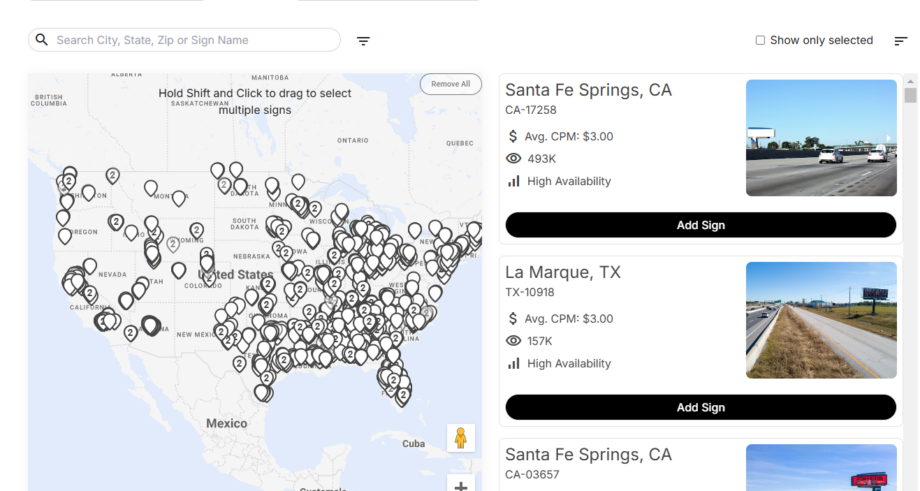
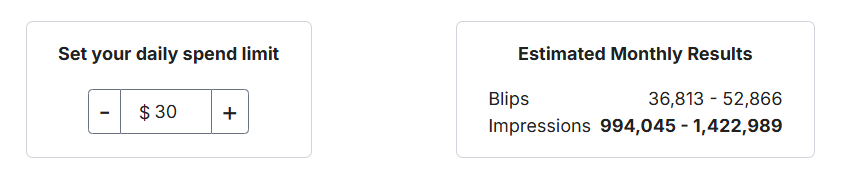
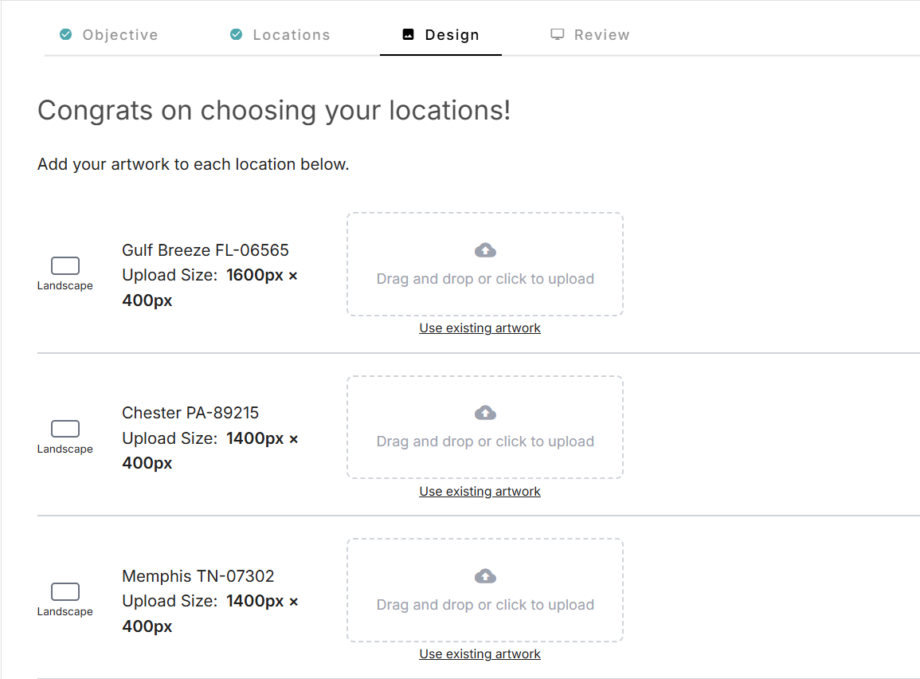
How much is a billboard in Timonium?
Frequently Asked Questions About Billboard Advertising in Timonium
Do I need a contract to advertise with Blip in Timonium?
No, Blip has no long-term contracts or minimum commitments. You can start, pause, or stop your campaign at any time.
How fast can I launch a billboard campaign with Blip in Timonium?
You can have your campaign live in minutes. Create a free account, select your locations, set your budget, upload your design, and start running once approved.
Where can I advertise with Blip in Timonium?
Blip has digital billboards in Timonium. You can browse available locations on a map, choose the ones that fit your audience, and start advertising right away.
Still have questions? Launch a campaign in minutes — no contracts, no commitments.
Start Your CampaignTimonium Billboard Advertising Guide
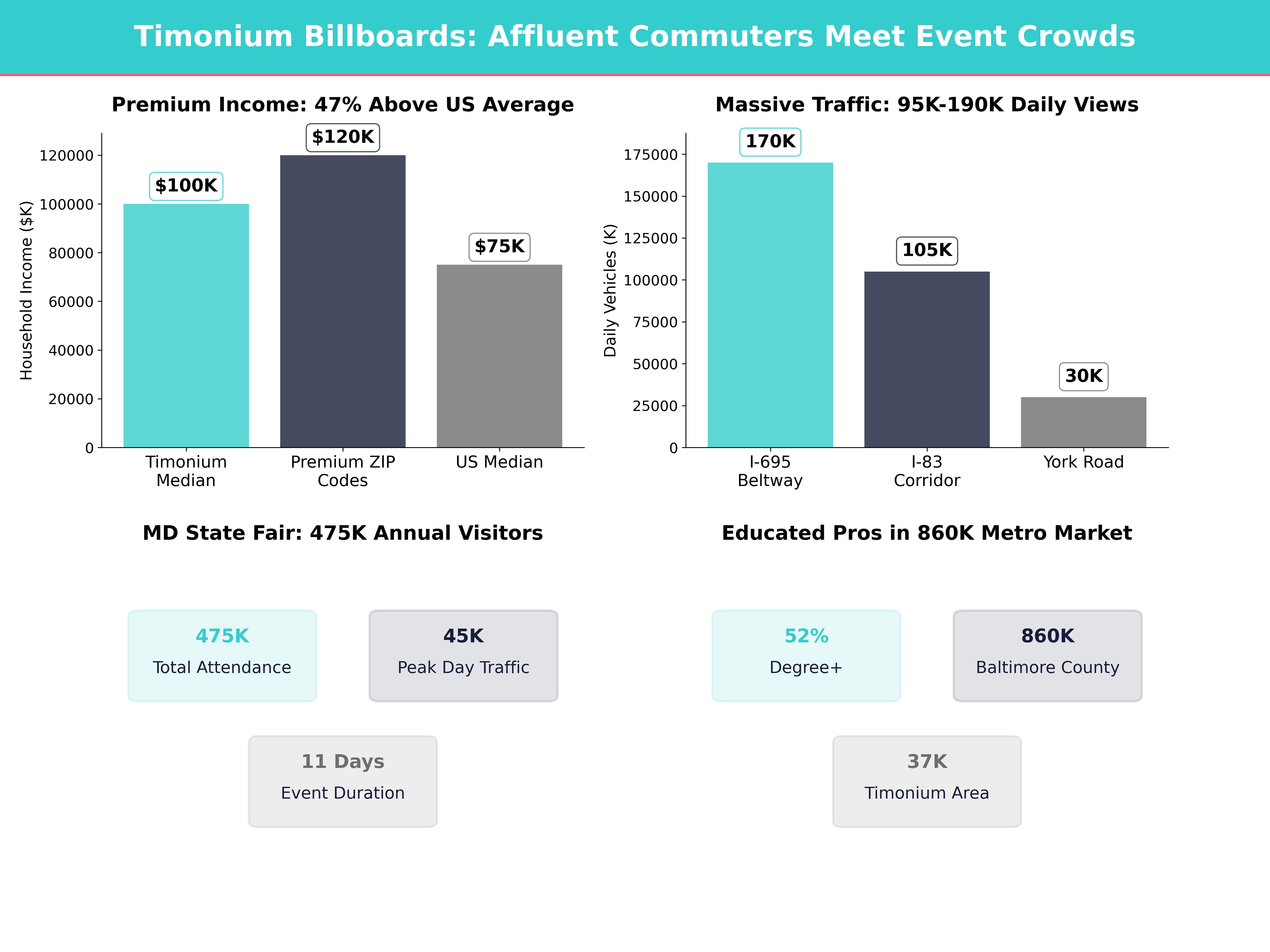
Timonium, Maryland sits at a powerful crossroads of suburban affluence, daily commuting, and regional entertainment traffic. With digital billboards near Baltimore serving the Timonium area, we can tap into tens of thousands of local drivers each day—residents heading to offices in Towson and Baltimore, families on their way to the Maryland State Fairgrounds
Understanding the Timonium Area Market
Timonium is an unincorporated community in Baltimore County Baltimore City along I‑83 (the Jones Falls Expressway). That location gives advertisers access to both stable local neighborhoods and broader regional traffic:
- Baltimore County
- Median household incomes in the Timonium–Lutherville area are commonly reported in the $90,000–$110,000+ range, and recent local assessments often put some nearby ZIP codes over $120,000, well above the national median (around $75,000). This translates into strong purchasing power for consumer services, retail, automotive, home improvement, and healthcare.
- Educational attainment is high: in adjacent Towson, roughly 50%–55% of adults have a bachelor’s degree or higher, and the Timonium corridor mirrors that profile, with several nearby census tracts showing 45%–60% bachelor’s‑plus attainment. This supports messaging that assumes professional, information‑savvy audiences and tolerance for slightly more sophisticated offers.
The Timonium area is also deeply influenced by Baltimore County’s economic and cultural centers:
- Nearby Towson is the county seat and home to Towson University
- The Maryland State Fairgrounds
- The broader region is anchored by major employers and healthcare hubs, including GBMC HealthCare in Towson, which reports over 1,200 physicians and advanced practitioners and thousands of employees, and corporate offices in the Hunt Valley and Owings Mills areas that collectively support tens of thousands of white‑collar jobs.
By using digital billboards near Baltimore that serve the Timonium area, we can surround this audience as they travel between home, work, school, shopping, and events. With more than 80% of Baltimore‑area workers commuting by car and drive‑alone rates often above 70%, roadside media remains one of the most efficient ways to reach these consumers, and billboard advertising near Timonium becomes a natural extension of your existing local marketing.
Traffic Flows and Where Our Boards Fit In
Timonium’s daily life is shaped by a small set of major roads, which dictate how and when people will see your ads:
- I‑83 (Jones Falls Expressway): The spine of the corridor, carrying commuters between the Timonium area and downtown Baltimore. Maryland State Highway Administration counts near the I‑83/I‑695 interchange show average annual daily traffic (AADT) commonly in the 95,000–115,000 vehicles‑per‑day range, meaning your message can reach well over half a million vehicle trips over a typical 5‑day workweek on this spine alone. For route details and traffic resources, advertisers can reference Maryland Department of Transportation State Highway Administration.
- I‑695 (Baltimore Beltway): Loops around Baltimore and intersects with I‑83 just south of Timonium. Segments of I‑695 around Towson often carry 150,000–190,000 vehicles per day, making it one of the heaviest‑traveled beltway sections in Maryland and a key feeder for workers coming from Owings Mills, Pikesville, Parkville, and the northeast suburbs.
- York Road (MD 45): The local commercial artery through Lutherville–Timonium, linking northward to Cockeysville and Hunt Valley and southward to Towson and Baltimore City. On busier sections near major shopping nodes, York Road can see 25,000–35,000 vehicles per day, supporting strong visibility for neighborhood‑oriented messages and highly targeted billboards near Timonium.
With two digital billboards near Baltimore (about 8.8 miles from Timonium) serving this area, we can intercept:
- North–south commuters moving between Baltimore City and the Timonium–Cockeysville–Hunt Valley suburbs, a flow that can easily exceed 100,000 daily trips when you combine key segments of I‑83 and York Road.
- East–west traffic connecting from I‑695 to city neighborhoods and job centers, as well as to suburban employment hubs like Owings Mills and White Marsh.
- Event traffic heading to downtown venues, the Inner Harbor, and the stadium district, which includes Oriole Park at Camden Yards and M&T Bank Stadium; on event days, traffic counts on these approaches can spike 10%–25% compared with non‑event days.
When planning campaigns, think about origin and destination rather than just geography:
- Want to reach residents who live near Timonium but work downtown? In Baltimore County, the typical outbound morning commute window runs roughly 6:30–9:00 a.m., with peak volumes around 7:30–8:30 a.m., and inbound commutes peak 4:00–6:30 p.m. Focus on morning southbound and evening northbound commuting windows when scheduling your blips.
- Targeting city residents visiting the Maryland State Fair or the Timonium area’s auto dealers and retailers? Weekend midday traffic (roughly 10:00 a.m.–3:00 p.m.) on I‑83 and York Road often runs at 70%–90% of weekday peak volumes but with higher discretionary trip purposes, making it ideal for weekend and mid‑day windows when shopping and leisure trips peak.
Seasonality: When the Timonium Area Really Moves
The Timonium area has clear seasonal and weekly rhythms advertisers can exploit using Blip’s dayparting and date targeting tools.
Late Summer: The Maryland State Fair Surge
The Maryland State Fair typically runs for about 10–12 days from late August into early September. During this period:
- Fair organizers report cumulative attendance in the hundreds of thousands; recent years have seen roughly 450,000–500,000 total visitors, with daily attendance frequently reaching 25,000–35,000 on weekdays and 30,000–50,000 on peak weekends.
- Nearly half of attendees come from within the greater Baltimore region, with substantial volumes traveling via I‑83 and I‑695 and passing digital boards near Baltimore that serve the Timonium area. That means a single well‑timed campaign can be seen multiple times by a large share of fair‑goers across the run of the event, especially if you’ve planned billboard advertising near Timonium as part of your fair strategy.
Campaign ideas:
- Run awareness campaigns 2–3 weeks before the fair to promote local restaurants, hotels, or attractions as “before/after the fair” stops; hospitality businesses commonly see 10%–20% lifts in walk‑in traffic during the fair period compared with earlier August.
- Use short‑duration, high‑frequency bursts during the fair itself, with time‑sensitive offers (e.g., “Show this screenshot at our Timonium location this week for 10% off”), knowing that 60%+ of visitors will be checking smartphones multiple times while traveling or on‑site.
Back‑to‑School and University Calendar
Towson University and the region’s K‑12 schools drive predictable traffic patterns:
- Move‑in and welcome weeks at Towson University
- The Baltimore County Public Schools calendar
Align creative to these cycles:
- August–September: tutoring, pediatrics, dentistry, back‑to‑school retail, college‑town nightlife, and quick‑service restaurants. Many parents make multiple shopping trips (2–4 per household on average) for clothing and supplies, increasing chances for billboard exposure.
- December: holiday retail, home services, events, and non‑profit fundraising drives, when consumer spending on gifts and entertainment often runs 20%–40% higher than average monthly levels.
Sports and Event‑Driven Traffic
The Baltimore metro is a sports‑centric market:
- The Baltimore Ravens typically host 9–10 home games (including preseason) at M&T Bank Stadium, drawing 70,000+ fans per game; official stadium capacity is around 71,000, and annual total home attendance often exceeds 650,000–700,000.
- The Baltimore Orioles play 81 regular‑season home games at Camden Yards, with seasonal total attendance in recent years ranging from roughly 1.3 million to over 2.0 million fans. That equates to average per‑game crowds of 16,000–25,000, with marquee games exceeding 30,000.
On home game days, traffic increases on the routes connecting Timonium area neighborhoods to downtown:
- Use game‑day targeting to reach fans traveling to or from the stadiums with restaurant, bar, parking, rideshare, or merchandise messaging. Even capturing a small percentage of the 70,000+ Ravens fans or tens of thousands of Orioles fans per game can translate into meaningful sales lifts for downtown and corridor businesses.
- Rotate scoreboard‑style creative (“Go Ravens! 20% off wings after the game”) that feels timely and hyperlocal; sports‑themed creative often sees recall rates 10–20 percentage points higher among local fans compared with generic messages.
Demographics and Audience Segments to Target
The Timonium area is not one homogeneous audience. Using what we know about the region, we can tailor creative and scheduling to several distinct segments:
1. Suburban Professionals and Families
Profile:
- Ages 30–55, many with children, commuting to jobs in Baltimore, Towson, or regional office parks. In several nearby ZIP codes, family households make up 60%–70% of all households.
- High car ownership rates—often 2+ vehicles per household—with 80%–90% of workers commuting by car and regular use of I‑83 and I‑695.
Tactics:
- Focus messages on convenience, quality, family benefits, and time savings—key drivers for households that often log 40+ hours per week at work plus children’s activities.
- Daypart during weekday rush hours (6:30–9:00 a.m. and 3:30–7:00 p.m.), when commuter traffic is at or near peak flow and message frequency can be highest.
- Include strong directional cues: “Next exit off I‑83,” “5 minutes from the Beltway,” or “Off York Road in Timonium.” Simple geographic references improve response rates in out‑of‑home campaigns by helping drivers quickly translate interest into action and are especially important when you’re investing in billboards near Timonium to drive in‑store traffic.
2. Students and Young Professionals
- Drawn from Towson University, local community colleges like Community College of Baltimore County, and early‑career workers who live in the Timonium–Towson corridor. The 18–34 age group can represent 25%–30% of nearby urbanized populations.
- Heavy spenders on food, entertainment, fitness, and personal services; national spending data show that 20‑ and 30‑somethings allocate a higher share of disposable income to dining out and experiences compared with older cohorts.
Tactics:
- Emphasize price points, social experiences, and mobile‑friendly calls to action (“Scan for student discount,” “Follow us for tonight’s special”) that match a demographic where smartphone ownership exceeds 95%.
- Prioritize evenings and late nights Thursday–Saturday, and mid‑day weekends, when nightlife and social plans spike; bars and casual dining venues routinely see 30%–50% of their weekly revenue concentrated in these windows.
3. Regional Visitors and Event Attendees
- Fairgrounds visitors, concert‑goers, tournament participants, and business travelers arriving via I‑83 from central and northern Maryland or via I‑95 and I‑695 from the Washington, D.C. suburbs and beyond. Tourism data from Visit Baltimore
- Many are unfamiliar with the area but open to suggestions on where to eat, stay, and shop—especially within a 5–10 minute drive of their event venue or hotel.
Tactics:
- Simple wayfinding: “Exit 17 off I‑83 – 3 minutes ahead,” embedded maps, or icons for parking and family‑friendly offerings; clear directional cues are especially important for first‑time visitors.
- Daypart around event schedules posted by the Maryland State Fairgrounds
4. Older, Established Residents
- Empty‑nesters and retirees in surrounding neighborhoods, often homeowners with stable incomes. In some nearby communities, homeownership rates exceed 70%, and a substantial share of residents are 55+.
- Higher demand for healthcare, financial services, home improvement, and leisure travel, with spending often focused on maintaining or upgrading homes and quality of life.
Tactics:
- Clean, high‑contrast designs with legible fonts and ample white space; best practices suggest a letter height of at least 18–24 inches on roadside boards for comfortable readability at highway speeds.
- Clear, direct value propositions (“Medicare plans explained locally,” “Trusted roofing in Timonium area since 1990”) and proof points (“Rated A+ locally,” “Serving 5,000+ Baltimore County customers”).
Crafting Effective Creative for the Timonium Area
Because drivers near Timonium typically view billboards for 6–8 seconds, clarity is everything. For this market specifically, several design choices pay off:
Lean on Local Visual Landmarks and Identity
- Incorporate subtle references to the Maryland flag, which is highly recognizable to locals and frequently used in regional branding and sports gear.
- Use imagery tied to local icons: crab feasts, Chesapeake Bay scenery, or silhouettes referencing the Inner Harbor
- Mention nearby anchors: “Across from the Fairgrounds,” “Minutes from Towson Town Center,” “Near Hunt Valley Towne Centre.” Both Towson Town Center and Hunt Valley Towne Centre
Optimize for Commuters
-
Keep text under 7–10 words plus your logo. Out‑of‑home industry research shows readability and recall drop sharply as copy counts exceed about 7 words for highway‑speed drivers. For example:
- “Beat Beltway traffic – book mobile auto glass now.”
- “Dinner in 15 minutes – Timonium area pickup.”
- Use large, bold fonts and high color contrast (dark text on light background or vice versa). Contrast ratios of 3:1 or higher significantly improve legibility at 55+ mph.
Design for Repetition, Not Explanation
Digital billboards serving the Timonium area will often reach the same commuters multiple times per week:
-
Run a series of 2–3 rotating creatives that build a narrative:
- Ad 1: Problem (“Home AC struggling this summer?”)
- Ad 2: Solution (“Same‑day HVAC in Timonium area”)
- Ad 3: Offer (“$89 tune‑up – call today”).
- Keep brand elements (logo, color palette, typeface) consistent so impressions compound over time. On heavily traveled corridors like I‑83, a well‑funded digital campaign can generate tens of thousands of impressions per week, so frequency and consistency help drive recall.
Mobile‑First Calls to Action
Given high smartphone use:
- Use short URLs or recognizable domains (“SmithDental.com/Timonium”), avoiding clutter; studies of billboard viewing show that drivers have time to retain only 1–2 key pieces of information (brand + offer or brand + URL).
- Encourage simple actions: “Search ‘Smith Timonium Dentist’,” “Text FAIR to 55555,” or “Scan for coupon” with a large, central QR code. Consumer surveys indicate that more than 60% of adults have scanned a QR code, with adoption especially high among younger and middle‑aged consumers.
- For offers tied to specific days or games, make the timeframe obvious (“Tonight only,” “Ends Sunday”)—time‑limited promotions often outperform evergreen offers by 10%–30% in redemption rates.
Using Blip Tools Strategically Near Timonium
Blip’s flexibility is especially powerful in a commuter‑heavy, event‑driven market like Timonium, where businesses look for billboard rental near Timonium that doesn’t require long‑term contracts or large up‑front commitments.
1. Daypart by Commute and Purpose
- Morning drive: Promote coffee shops, breakfast spots, daycare, transit/parking, B2B services, and healthcare (reminders for check‑ups or elective procedures). Morning traffic on I‑83 often reaches 80%–100% of daily peak volumes by 8:00 a.m.
- Mid‑day: Focus on errands, quick‑service restaurants, shopping, and medical appointments, when trip purposes are more discretionary and drivers may be more open to unplanned stops.
- Evening: Push dinner, family activities, entertainment, gyms, and e‑commerce; in many suburban corridors, 4:00–7:00 p.m. can account for 30%–40% of weekday traffic.
We can allocate more budget to peak times that match your audience while still maintaining a light presence off‑peak for continuous awareness.
2. Short Campaign Bursts for Key Events
Example strategies:
- Run 3–5 day “bursts” for holiday weekends, Homecoming/Commencement at Towson University, or Maryland State Fair opening weekend. Short, high‑frequency bursts can quickly deliver thousands of impressions while keeping total spend controlled.
- Combine short bursts with retargeted digital campaigns (search/social) that use the same visuals and offers, reinforcing recall. Multi‑channel campaigns that pair out‑of‑home with digital often see 20%–40% higher brand recall than single‑channel efforts.
3. Flexible Testing Across Creatives
Because you can upload multiple creatives and easily adjust budgets:
- Test two different offers (percentage discount vs. dollar amount) to see which drives more website visits or store traffic; many retailers find that percentage discounts perform better on higher‑ticket items, while fixed‑dollar discounts convert better on mid‑priced goods.
- Run a geographic A/B test by pairing billboards near Baltimore serving the Timonium area with online ads targeted to Timonium ZIP codes and compare performance across message types, using analytics tools to monitor differences in click‑through rates, store visits, or phone calls.
Industry‑Specific Ideas for the Timonium Area
Different businesses can benefit uniquely from digital billboards serving the Timonium area. Here are tailored approaches for key categories and how to think about billboard advertising near Timonium for each.
Local Restaurants and Hospitality
- Promote pre‑ and post‑event dining for fairgrounds visitors, stadium game days, and concerts downtown. Event‑driven dining can account for 10%–30% of daily covers on major game or concert nights.
- Rotate time‑sensitive creatives: lunch specials during 10 a.m.–2 p.m., happy hour from 3–6 p.m., and late‑night menus after 9 p.m. Aligning creative with dayparts mirrors the way restaurants actually earn revenue, as many see over half of daily sales between 5–9 p.m.
- Emphasize ease for commuters: “Order ahead from the Beltway – pickup in 15 minutes at York Road.” Drive‑through and curbside orders have remained popular since 2020, with many quick‑service brands reporting 50%+ of orders coming through off‑premise channels.
Auto Dealers and Services
Timonium, Cockeysville, and Hunt Valley host a concentration of auto dealerships and service centers:
- Use creative that highlights inventory scarcity or urgency (“Trucks in stock now – Timonium area”), especially when average new‑vehicle transaction prices remain high and buyers comparison‑shop across multiple lots.
- Schedule heavier impressions during weekends and end‑of‑month when shoppers are more active; auto dealers often see 40%–50% of monthly sales concentrated in the final 10 days of the month.
- For service: promote winterization in October–November and AC/tire specials in April–June, aligning offers with Maryland’s seasonal weather swings—from summer highs in the upper 80s°F to winter lows below freezing.
Healthcare and Wellness
With major hospitals and medical practices in Towson and the Timonium corridor:
- Promote elective procedures (orthopedics, dentistry, ophthalmology) with simple benefit statements and a clear next step; national data show elective services often see appointment volumes rise 10%–20% early in the year as benefits reset.
- Time campaigns around benefits reset (January–February) and flex spending deadlines (November–December), when many households are planning or rushing to use health dollars.
- Use trust signals—years in practice, local awards, affiliations with institutions like GBMC or University of Maryland Medical System. Healthcare providers that highlight credentials and affiliations often see higher response rates than those with generic messaging.
Home Services and Contractors
Homeownership rates in the suburbs surrounding Timonium are high—often 65%–75% in nearby communities—making the area attractive for home‑oriented marketing:
- Run roof, HVAC, landscaping, and remodeling campaigns targeting early mornings and late afternoons when homeowners commute. These dayparts can deliver multiple exposures per week to the same decision‑makers.
- Tie creative to weather and seasons: “Storm damage? Call us before the next Beltway storm.” Maryland typically sees 40+ inches of rain per year and multiple severe‑weather events, driving demand for roofing, tree service, and restoration.
- Feature local proof: “Serving Baltimore County homes since 1998,” “5,000+ local projects completed,” or “Rated 4.8/5 by neighbors in Timonium and Towson.” Social proof is especially powerful for high‑ticket home projects.
Education and Youth Activities
The area’s family‑oriented demographics make it fertile ground for:
- Private schools, tutoring centers, camps, sports leagues, dance studios, and music schools; families in upper‑income suburbs often spend hundreds to thousands of dollars per child annually on extracurriculars.
- Synchronize campaigns with the Baltimore County Public Schools academic calendar
- Use simple, parent‑focused messages: “After‑school math help – 10 minutes from Timonium area schools,” or “Summer camp near the Fairgrounds – limited spots.” Scarcity language (“limited enrollment”) can increase inquiry rates.
Measuring Impact and Optimizing Over Time
While billboards themselves don’t generate clicks, we can still measure and improve performance for campaigns serving the Timonium area:
1. Use Time and Location Correlation
- Align your Blip flight dates with analytics in Google Analytics, POS systems, or call tracking tools. Look for lift in visits/calls during and shortly after active billboard periods—e.g., a 10%–25% increase in web sessions or phone inquiries from Baltimore County ZIP codes while the campaign is live.
- Tag campaigns internally (e.g., “Baltimore–Timonium Billboard Push – March”) and compare to prior periods, accounting for seasonality (holidays, school breaks, fair dates) using reference points such as the Baltimore County Government
2. Track Promo Codes and Landing Pages
- Use short, memorable promo codes visible at 55–65 mph (“TIMONIUM10”) that are unique to your billboard campaign. Businesses often see that even modest redemption—1%–3% of exposed, interested customers—can produce a strong return due to the large impression base.
- Create simple, billboard‑only landing pages (e.g.,
/timonium) and monitor direct traffic and conversions from the region; spikes of even 10%–15% during your flight can be meaningful for local businesses.
3. Listen to Customers
- Train staff to ask, “How did you hear about us?” and specifically track responses mentioning “billboard,” “sign near the Beltway,” or “digital sign on the way to Baltimore.” In a localized trade area like Timonium, hearing this from even a few dozen customers over a month can validate impact.
- Over a few weeks, even a modest count of such mentions can validate impact in a geographically compact market like the Timonium area, where your boards may be seen multiple times per week by the same high‑value households.
Staying Local and Relevant
To keep your messaging sharp, it helps to stay plugged into local news and developments:
- Follow Baltimore County Government
- Track local news via outlets such as The Baltimore Sun, WBAL-TV 11, and WMAR-2 News to anticipate stories, openings, and community events you can reference in creative.
- Watch the events calendars at Visit Baltimore Maryland State Fairgrounds
By combining that local intelligence with Blip’s ability to control when and where your ads show on digital billboards near Baltimore serving the Timonium area, we can create campaigns that feel timely, relevant, and omnipresent to your ideal customers—without the long contracts or large up‑front costs of traditional outdoor buys. Whether you’re exploring Timonium billboards for the first time or looking to fine‑tune ongoing billboard rental near Timonium, this approach helps ensure your message reaches the right people at the right moments in their daily drive.