Billboards in Pocono Summit, PA
No Minimum Spend. No Long-Term Contracts. Just Results.
Trusted by Leading Brands


Billboard advertising
in Pocono Summit has never been easier
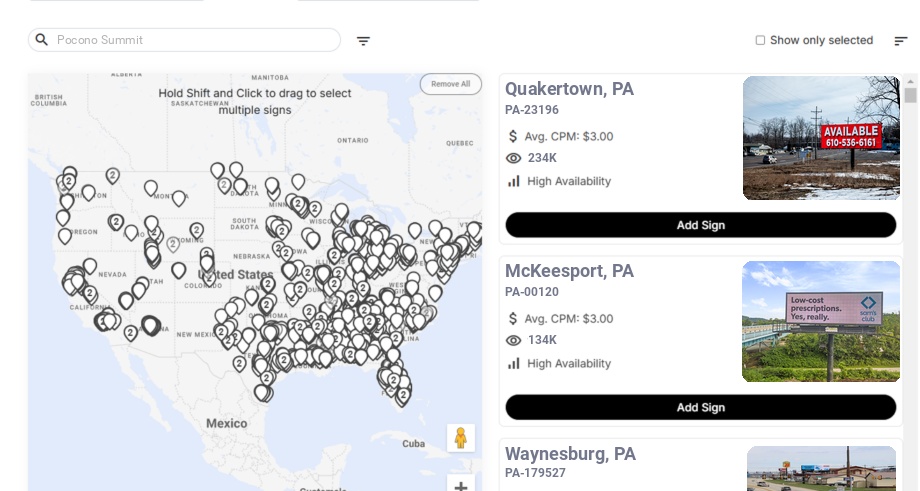
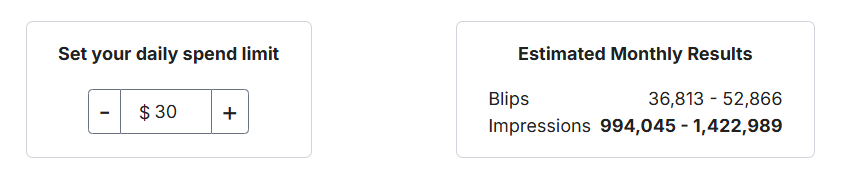

How much is a billboard in Pocono Summit?
Why Choose Blip for Billboard Advertising in Pocono Summit
Choose Blip in Pocono Summit to launch fast along I-80 and I-380 commuter routes with self-serve access and no contracts.
Pocono Summit budgets stay flexible with Blip—start small, pause anytime, and tune spend for Route 611 and 940 traffic.
Use dayparting in Pocono Summit to hit weekday commuters and Friday-to-Sunday resort visitors near Camelback and Kalahari.
Track Pocono Summit ads in real time with Blip, then shift budget toward the corridors driving traffic from Monroe County travelers.
Blip’s creative tools make it easy to build bold, winter-ready ads for Pocono Summit’s ski, outlet, and waterpark seasons.
Frequently Asked Questions About Billboard Advertising in Pocono Summit
How much does a billboard cost in Pocono Summit with Blip?
With Blip, billboard advertising in Pocono Summit can fit a wide range of budgets because you only pay when your ad actually appears. Each “blip” is a 7.5-to-10-second display on a rotating digital billboard, and pricing starts at just $0.01 per display. Your daily budget helps Blip’s algorithm bid for open ad slots, and the cost per blip can change based on time of day, location, and advertiser demand.
Where can I advertise with Blip in Pocono Summit?
Pocono Summit is a strong billboard market because it sits at the crossroads of Monroe County commuter traffic and the year-round visitor economy of the Pocono Mountains. The page highlights Interstate 80, Interstate 380, PA Route 611, and PA Route 940 as key corridors around Pocono Summit. These roads connect homes, resorts, shopping, employers, and interstate traffic across the central Poconos.
Why is Pocono Summit a good market for billboard advertising?
Pocono Summit works because it combines a stable resident base, long drive times, and a visitor economy that keeps bringing in new people. Monroe County had 168,327 residents in 2020, and the Pocono Mountains region attracts 30 million visitors annually. The area is highly auto-oriented, with more than 80% of workers commuting by car.
What kinds of ads work best on Blip billboards in Pocono Summit?
This market is especially strong for restaurants, attractions, healthcare, retail, real estate, and home-service campaigns. Route 611 and Route 940 are recommended for urgent care, dentists, grocery stores, local restaurants, and family entertainment, while I-80 is better for broader reach. Tourism-related offers also do well because visitors make spontaneous choices along the corridor.
When is the best time to run billboard ads in Pocono Summit?
The strongest campaigns in Pocono Summit change by season, weather, and day of week. Winter is active because ski demand and indoor-waterpark resorts keep family travel going, while summer brings waterparks, outlets, race weekends, and outdoor attractions. The page also recommends Friday afternoon through Sunday evening for leisure traffic and weekday peaks for commuters.
Do I need a contract to advertise with Blip in Pocono Summit?
No, Blip has no long-term contracts or minimum commitments. You can start, pause, or stop your campaign at any time.
How fast can I launch a billboard campaign with Blip in Pocono Summit?
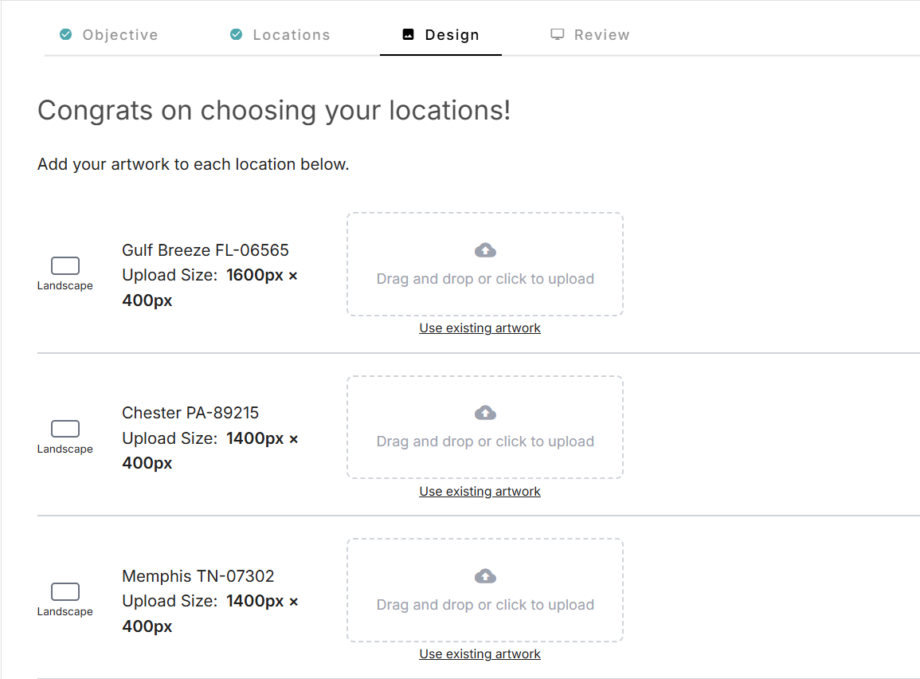
You can have your campaign live in minutes. Create a free account, select your locations, set your budget, upload your design, and start running once approved.
Where can I advertise with Blip in Pocono Summit?
Blip has digital billboards in Pocono Summit. You can browse available locations on a map, choose the ones that fit your audience, and start advertising right away.
Still have questions? Launch a campaign in minutes — no contracts, no commitments.
Start Your CampaignPocono Summit Billboard Advertising Guide
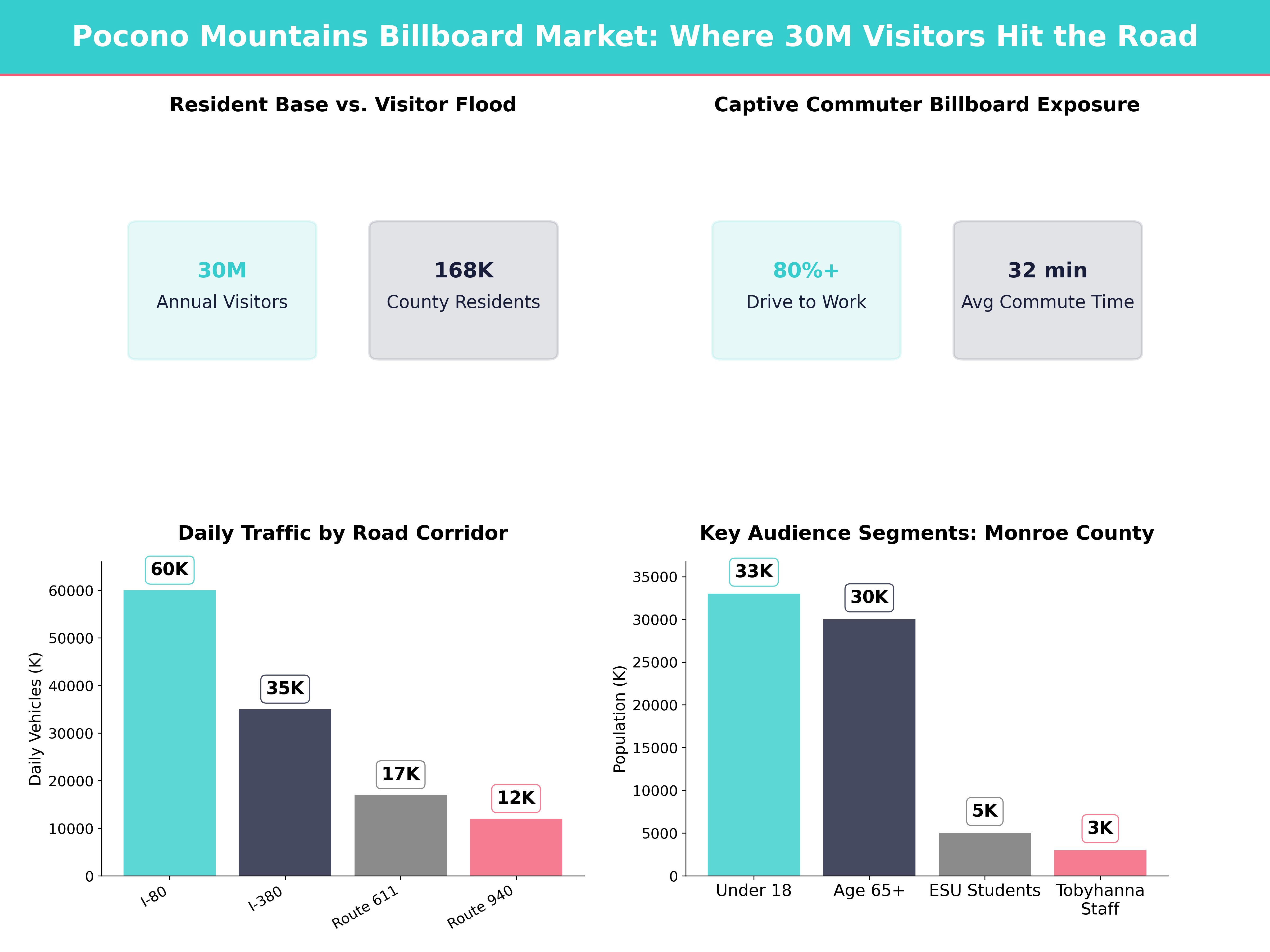
Pocono Summit is a strong billboard market because we are advertising at the crossroads of Monroe County commuter traffic and the year-round visitor economy of the Pocono Mountains. While Pocono Summit itself is a small community, it sits inside a county of 168,327 residents and inside a tourism region that the Pocono Mountains Visitors Bureau says attracts 30 million visitors annually across 2,400 square miles. The area is highly auto-oriented, with most daily trips happening by personal vehicle, including more than 80% of workers commuting by car, and with average work commutes of about 32 minutes. That mix of local frequency and constant visitor turnover gives us unusual flexibility for restaurants, attractions, healthcare, retail, real estate, and home-service campaigns.
Market Overview for Pocono Summit
When we advertise in Pocono Summit, we are not buying into an isolated village. We are buying into a gateway area in Monroe County, near the I-80 and I-380 split, and close to resort, retail, and residential traffic that moves across the central Poconos every day.
Resident base, demographics, and population trends in Pocono Summit
According to 2020 Census counts, Monroe County had 168,327 residents, down only slightly from 169,842 in 2010. That change was about -0.9%, which tells us the resident base has been relatively stable rather than volatile. For billboard planning, that stability matters because repeated local exposure still works, especially for healthcare, insurance, banking, grocery, dining, and home services.
The county also gives us multiple life-stage audiences. Roughly 1 in 5 residents are under age 18 (about 33,000 people), and about 18% are age 65 or older (roughly 30,000 people). That means family-oriented offers and senior-oriented services can both perform well, especially when we place them on corridors that connect housing areas to schools, shopping, and medical care.
Pocono Summit also sits within reach of several population centers that shape local buying behavior, including Mount Pocono Borough Stroudsburg Borough, and East Stroudsburg Borough. We should think of the market as a cluster of small communities that function as one travel shed.
Economic drivers and commute behavior around Pocono Summit
The Pocono Summit economy is broader than tourism alone. Tourism is a headline driver, but we also see education, healthcare, public-sector employment, military-adjacent work, logistics, and local retail supporting the market. Nearby employers and institutions such as East Stroudsburg University, which enrolls more than 5,000 students, and Tobyhanna Army Depot, which supports more than 3,000 employees, widen the audience well beyond weekend visitors.
Commuting patterns are especially important for billboards. American Community Survey estimates place Monroe County’s mean travel time to work at about 32 minutes, and more than 80% of workers commute by car when we combine drive-alone and carpool trips. Monroe County Transit Authority provides useful service, but this remains a market where the windshield is the main screen. That makes frequency a real advantage for digital billboards, especially on roads that drivers use every weekday.
For us, the practical takeaway is simple. Pocono Summit works because it combines a stable resident base, long drive times, and a visitor economy that keeps bringing in new people.
Key Traffic Corridors Around Pocono Summit
Pocono Summit’s ad value comes from movement. We should focus less on municipal boundaries and more on how people actually travel between homes, resorts, shopping centers, employers, and interstate connections.
Interstate 80 near Pocono Summit
PennDOT traffic maps show that Monroe County segments of I-80 commonly carry roughly 50,000 to 70,000 vehicles per day, especially on the central and eastern stretches that feed Mount Pocono, Tannersville, Stroudsburg, and East Stroudsburg. Even when our billboard is not physically in Pocono Summit proper, boards that influence I-80 traffic can still be highly relevant to the Pocono Summit trade area because so many trips funnel through the same destination set.
I-80 is our best corridor for broad-reach messaging. We usually favor it for:
- We capture regional healthcare demand for providers such as Lehigh Valley Hospital–Pocono, and St. Luke’s Monroe Campus
- We reach travelers headed to major destinations such as Camelback Resort, Mount Airy Casino Resort The Crossings Premium Outlets
- We build awareness for legal services, colleges, auto dealers, retail chains, and entertainment brands that need countywide or regionwide visibility.
Interstate 380 as a Pocono Summit gateway route
I-380 is one of the most important routes for Pocono Summit because it begins at I-80 right in this central Pocono zone. PennDOT counts on key segments near the interchange typically land in the 30,000 to 40,000+ AADT range. That is a meaningful stream of traffic moving between the Scranton area and the central Poconos.
This corridor is especially effective when we want to reach people before they choose where to stop, shop, eat, or stay. We often use I-380-oriented placements for:
- We promote quick-service restaurants, fuel, and convenience offers to in-transit travelers.
- We support hiring campaigns for logistics, maintenance, hospitality, and healthcare employers.
- We build destination awareness for attractions that want to intercept visitors before they settle into resort properties.
PA Route 611 through Mount Pocono and the central Poconos
Route 611 is the classic local-commercial spine of the central Poconos. PennDOT traffic maps commonly show daily volumes around 15,000 to 20,000+ vehicles through the Mount Pocono area. That is lower than the interstates, but the traffic is often more locally valuable because drivers are closer to purchase decisions.
We should favor Route 611 when we need immediacy. This is where urgent care centers, dentists, grocery stores, local restaurants, furniture stores, dispensaries where permitted, and family entertainment businesses can perform well. If our goal is “turn right soon,” 611 usually beats a pure awareness board on the interstate.
PA Route 940 through Pocono Summit, Mount Pocono, and Pocono Pines
Route 940 matters because it ties together residential neighborhoods, lodging, lake communities, and resort traffic. PennDOT counts in the Mount Pocono and Pocono Summit area are often in the 10,000 to 15,000+ vehicles per day range, depending on the segment. That traffic may be slower and more local than interstate traffic, which often makes the impressions more actionable.
We should use Route 940 for hospitality, dining, attractions, childcare, schools, churches, local events, and home services. It is also well suited to directional creative, because drivers on this road are often making real-time decisions rather than simply passing through.
Audience Segments We Can Reach in Pocono Summit
The strongest Pocono Summit campaigns start with audience clarity. This market is valuable because several different audiences overlap in the same road network.
Commuters and daily local drivers in Pocono Summit
Long commutes make repetition work here. With average travel times around 32 minutes, local workers spend enough time in the car for billboard messages to sink in across multiple exposures each week. Because more than 80% of commuters rely on personal vehicles, we can confidently build campaigns around morning and late-afternoon drive windows.
This audience is ideal for:
- We promote healthcare appointments, urgent care, and specialist referrals.
- We drive awareness for insurance, banking, and legal services.
- We support home-service categories such as HVAC, roofing, plumbing, landscaping, and remodeling.
Tourists, weekenders, and destination visitors near Pocono Summit
Tourism is the segment that makes Pocono Summit bigger than its population. The Pocono Mountains Visitors Bureau reports 30 million annual visitors, and many of them move through the central Monroe County corridor. Nearby anchor attractions keep traffic flowing in every season.
Several standout destinations sit very close to the Pocono Summit trade area:
- Kalahari Resorts & Conventions 220,000-square-foot indoor waterpark.
- Camelback Resort is home to Aquatopia, a 125,000-square-foot indoor waterpark.
- Great Wolf Lodge Pocono Mountains 79,000-square-foot indoor waterpark.
- Pocono Raceway is a 2.5-mile track famous for its 3 distinct turns.
- The Crossings Premium Outlets 100+ stores.
This audience responds well to restaurants, attractions, shopping, casinos, entertainment, and short-stay lodging offers. It also responds to simple “minutes away” directional creative because many visitors are unfamiliar with the area.
Students, families, and education-linked households in the Pocono Summit area
Families are a meaningful share of Monroe County demand, with roughly 20% of residents under age 18. We also have a strong student presence nearby. East Stroudsburg University serves more than 5,000 students, and Pocono Mountain School District keeps school-year traffic moving throughout the region.
This segment is well suited to:
- We advertise pediatric care, orthodontics, tutoring, childcare, and after-school programs.
- We support family restaurants, value retail, recreation, and seasonal events.
- We build awareness for colleges, trade schools, and workforce training programs.
Workforce, military-adjacent, and service-sector audiences around Pocono Summit
Tobyhanna Army Depot’s workforce of more than 3,000 people adds a durable employment base near Pocono Summit. We also see hospitality, warehousing, retail, and maintenance workers moving between shifts and job sites across the I-80 and I-380 corridor.
This audience is a strong match for recruiting, financial services, vehicle sales, workwear, mobile plans, and fast-casual food. When we want applicants or everyday spending, shift-based travel can be just as valuable as tourism.
Seasonal and Timing Opportunities in Pocono Summit
Pocono Summit is not a one-season market. The strongest campaigns respect how the central Poconos change by season, by weather, and by day of week.
Winter campaigns in Pocono Summit
Winter is a real advertising season here, not a slowdown. Ski demand at Camelback Resort, Shawnee Mountain Ski Area Jack Frost Big Boulder brings cold-weather visitors into the region, while indoor-waterpark resorts keep family travel active even when snow is on the ground.
For winter, we usually lean into:
- We run Friday afternoon through Sunday evening for leisure traffic.
- We emphasize warm, high-contrast creative because snow, fog, and gray skies can wash out pale designs.
- We promote restaurants, coffee, lodging upgrades, tire shops, heating services, urgent care, and indoor attractions.
Spring and summer opportunities near Pocono Summit
From Memorial Day through Labor Day, the market broadens. Families head to waterparks, outlets, race weekends, campgrounds, lake communities, and outdoor attractions. Pocono Raceway creates especially sharp bursts of demand during major event weekends, and the broader resort belt sees strong leisure traffic all summer.
This is the best season for:
- We target dining, mini golf, adventure parks, shopping, and entertainment.
- We promote same-day or next-exit offers for tourists who have flexible plans.
- We run longer weekly schedules because visitor volume is strong across more days of the week.
Fall, holiday, and shoulder-season timing in Pocono Summit
Fall foliage, school routines, and pre-holiday shopping make September through December valuable. The market often becomes more local after the summer peak, which is useful for healthcare, financial services, home improvement, education, and retail campaigns.
We often do especially well when we time creative around:
- We push back-to-school and college-semester messages from late August through October.
- We shift to home-heating, roofing, windows, and holiday retail in October and November.
- We support outlet shopping, casino traffic, and seasonal entertainment in late November and December.
Billboard Design Tips for the Pocono Summit Market
Pocono Summit does not respond best to generic “anywhere USA” billboard creative. We usually get better results when our design feels like the Poconos and solves for how people actually drive here.
Use Pocono Summit visuals that fit the local mindset
Outdoor, family, and getaway imagery tends to fit this market better than abstract corporate art. Mountains, trees, snow, lake scenes, resort cues, and family activity shots can all feel locally relevant when they match the offer. A home-service brand can still use local visual language by showing weather protection, comfort, or property care instead of a sterile stock background.
When we are targeting tourists, we should show the experience. When we are targeting locals, we should show usefulness and convenience.
Write for high-speed roads and fast decisions
Many of the most valuable impressions happen on roads where drivers are moving fast. Interstate traffic is often traveling at 65 mph, so we should treat every message as a quick read. That usually means one headline, one offer, one brand cue, and one action.
In the Pocono Summit market, directional language works especially well. Phrases such as “Next Exit,” “5 Minutes Away,” “On 611,” or “Near Kalahari” are often more persuasive than broad slogans because they reduce uncertainty for unfamiliar visitors.
Adapt creative to weather and season in Pocono Summit
Seasonal creative rotation is more important here than in flatter, less seasonal markets. A winter resort ad, a July waterpark ad, and a fall healthcare enrollment ad should not look the same. We should also use strong contrast because winter clouds, fog, rain, and roadside slush can weaken readability.
If we are targeting broad consumer audiences, we should also consider bilingual or ultra-simple wording. Monroe County is diverse enough that plain-language messaging can improve comprehension without making the design feel crowded.
Regional Strategies Around Pocono Summit
A Pocono Summit campaign usually works best when we divide the market into functionally different zones. Each nearby sub-area supports a different goal.
Pocono Summit and Mount Pocono for daily utility and local action
This central zone is where we should place practical, conversion-focused messaging. Route 611 and Route 940 traffic is ideal for restaurants, grocery, urgent care, auto repair, storage, childcare, and telecom offers. These boards are valuable because they reach people close to decision time, not just people in long-haul transit.
If we want appointments, walk-ins, or same-day purchases, this is usually our first zone.
Pocono Manor, Tannersville, and Long Pond for visitor spending
This is the high-leisure strategy. Kalahari Resorts & Conventions Camelback Resort, Great Wolf Lodge Pocono Mountains The Crossings Premium Outlets Pocono Raceway create concentrated destination demand. Because visitors often make spontaneous choices, well-placed digital boards can redirect spending in real time.
We should use this zone for attractions, dining, nightlife, retail, and premium hospitality. We can also use it for brand partnerships and event tie-ins during major race or holiday weekends.
Tobyhanna and workforce-oriented areas for recruiting and everyday services
The Tobyhanna side of the market is strong for workforce messaging, practical retail, and commuter services. With Tobyhanna Army Depot supporting 3,000+ jobs and with warehouse and service traffic moving along the I-380 corridor, this area supports hiring, financial services, cellular plans, automotive, and value dining.
If our goal is applicant flow rather than tourist spending, this zone often performs better than resort-focused boards.
Stroudsburg and East Stroudsburg for countywide services
Stroudsburg Borough, East Stroudsburg Borough, East Stroudsburg University, Lehigh Valley Hospital–Pocono, and St. Luke’s Monroe Campus
For many countywide brands, the smartest strategy is not choosing one zone. The smartest strategy is combining a local-action board near Pocono Summit with a broader awareness board on I-80.
Using Blip Tools Effectively in Pocono Summit
Blip is especially useful in a market like Pocono Summit because traffic patterns change by season, by weather, and by day of week. We do not need to buy the same intensity every day to be effective.
How we can match Blip tools to Pocono Summit behavior
We can use dayparting to put more weight behind morning and evening commute windows on I-380, Route 611, and Route 940. We can also shift budget toward Friday afternoon through Sunday evening when resort and weekend traffic is strongest. That kind of timing matters more here than in markets where demand is flat all week.
We can rotate creative by season without rebuilding the whole campaign. A winter ski-season message, a summer waterpark message, and a fall local-services message can all run on the same set of boards with different schedules. We can also test multiple zones at once, such as one board closer to I-80, one on a local retail corridor, and one near a resort connector, and then watch real-time performance to see where our budget is working hardest.
Because digital billboard ads are short, usually 7.5 to 10 seconds, we should use Blip’s artwork tools to keep layouts simple and legible. If we need to move quickly, the platform also makes it easier to launch a timely campaign for a race weekend, a weather event, a hiring push, or a holiday retail burst without waiting on a traditional buying cycle.
Getting Started with Billboard Rental in Pocono Summit
Renting a billboard in Pocono Summit gets easier when we start with traffic intent instead of just map pins. We should ask who we want to reach, what trip they are on, and how close they are to acting.
A practical way to launch in Pocono Summit
We usually recommend a simple local process.
- We define one primary objective. That objective might be walk-in traffic, appointment bookings, tourist visits, hiring, or general awareness.
- We choose the road type that matches that objective. Interstate boards are usually better for broad reach, while Route 611 and Route 940 boards are often better for local action.
- We match the schedule to the audience. Commuters call for weekday peaks, while resorts and entertainment often justify heavier Friday-through-Sunday weight.
- We build creative for the exact trip context. A visitor on I-80 needs a different message than a local resident on Route 611.
- We start with a manageable budget, monitor results, and optimize. Blip’s self-serve model makes that much easier than the traditional process of long negotiations, fixed packages, and rigid contracts.
How we should evaluate Pocono Summit billboard locations
When we compare billboard options, we should look at more than traffic count alone. We should also consider direction of travel, distance to the next decision point, whether the audience is local or visitor-heavy, and whether the board supports awareness or immediate response.
A strong Pocono Summit location usually has at least one of these advantages:
- We get repeat exposure from long-drive commuters.
- We intercept visitors before they commit to a resort, restaurant, or retail stop.
- We sit near a corridor where drivers are already making local decisions.
- We can support seasonal creative changes without wasting budget in off-peak periods.
Traditional billboard buying often forces us into fixed terms and broad assumptions. With Blip, we can start small, buy only the moments we want, and adjust quickly if one corridor outperforms another. In a market as seasonal and route-dependent as Pocono Summit, that flexibility is not just convenient. It is a real strategic advantage.