Billboards near Fairview, NJ
No Minimum Spend. No Long-Term Contracts. Just Results.
Trusted by Leading Brands


Billboard advertising
near Fairview has never been easier
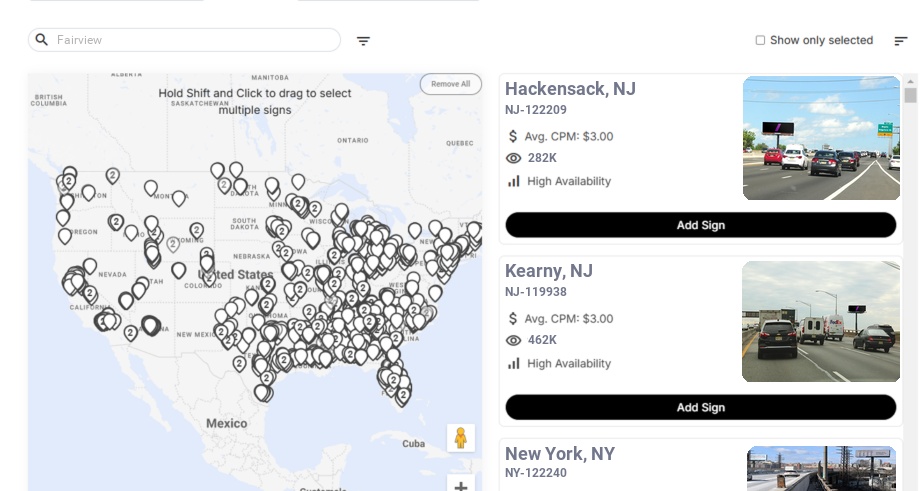
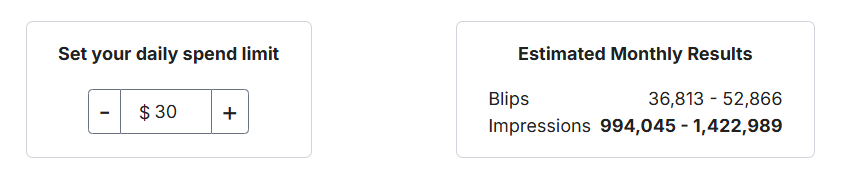
How much is a billboard near Fairview?
Why Choose Blip for Billboard Advertising near Fairview
-
Blip lets you launch fast in Fairview and target Lincoln Tunnel, Route 3, and US 1/9 commuter traffic without a long setup.
-
Use flexible budgets in Fairview to test ads on Secaucus Junction and Bergenline Avenue rush-hour flows, then scale what works.
-
Fairview campaigns can daypart to morning and evening peaks, reaching Hudson commuters on the North Bergen and Weehawken corridor when speeds slow.
-
No contracts means you can run seasonal Fairview promos for flu season, back-to-school, or American Dream weekends, then pause anytime.
-
Blip’s real-time analytics help Fairview advertisers track what performs across bilingual, dense neighborhoods near the Hudson Palisades and adjust on the fly.
-
Create and swap fresh creative for Fairview quickly with Blip, ideal for bilingual offers that speak to a diverse, high-density audience.
Frequently Asked Questions About Billboard Advertising near Fairview
How much does a billboard cost near Fairview, New Jersey with Blip?
With Blip, the answer is: whatever fits your budget. Fairview billboards on Blip use a flexible, pay-per-blip model, so you pay only for the short 7.5–10 second ad displays you receive on digital billboards serving the Fairview area. You set a daily budget during campaign creation, and Blip automatically keeps your advertising within that amount, while still giving you the freedom to adjust your budget anytime.
Where can I advertise with Blip near Fairview, New Jersey?
Blip offers 191 digital billboards serving the Fairview area from nearby cities like Ridgefield, North Bergen, Weehawken, Secaucus, and New York City. The inventory is concentrated within about a 10-mile radius, giving you options that match your budget, audience, and creative goals. This lets you mix ultra-local Fairview billboards with regional placements in surrounding cities.
What kind of audience will Blip reach around Fairview, New Jersey?
The Fairview area is exceptionally diverse, dense, and mobile, with a large commuter audience moving to and from Manhattan. In Fairview itself, well over 60% of residents identify as Hispanic or Latino, and in neighboring towns many households are bilingual or Spanish-dominant. Bergen County also has a median household income around $110,000–$115,000, giving advertisers strong purchasing power within a 10-mile radius of the screens.
When is the best time to run billboards near Fairview, New Jersey?
Morning (6–10 a.m.) and evening (4–8 p.m.) peaks are prime times to reach Fairview-area commuters on billboards near Secaucus, Weehawken, and North Bergen. Midday and weekend slots are especially effective near shopping centers, big-box retail, and restaurant clusters in Hackensack, Lodi, and Ridgefield. For entertainment, hospitality, and event campaigns, evening slots after 7 p.m. and weekends can be prioritized.
What roads and traffic areas make Fairview, New Jersey billboards effective with Blip?
The Fairview area is connected to the broader New York metro transportation network, including the Lincoln Tunnel corridor, the George Washington Bridge approach, and the New Jersey Turnpike and Route 3 near Secaucus. US 1/9 in the North Bergen–Fairview corridor typically carries 60,000–90,000 vehicles per day, and nearby commuter flows include dense local arterials and transit hubs. These routes help Fairview-area billboards capture both local shoppers and cross-river commuters.
Do I need a contract to advertise with Blip near Fairview?
No, Blip has no long-term contracts or minimum commitments. You can start, pause, or stop your campaign at any time.
How fast can I launch a billboard campaign with Blip near Fairview?
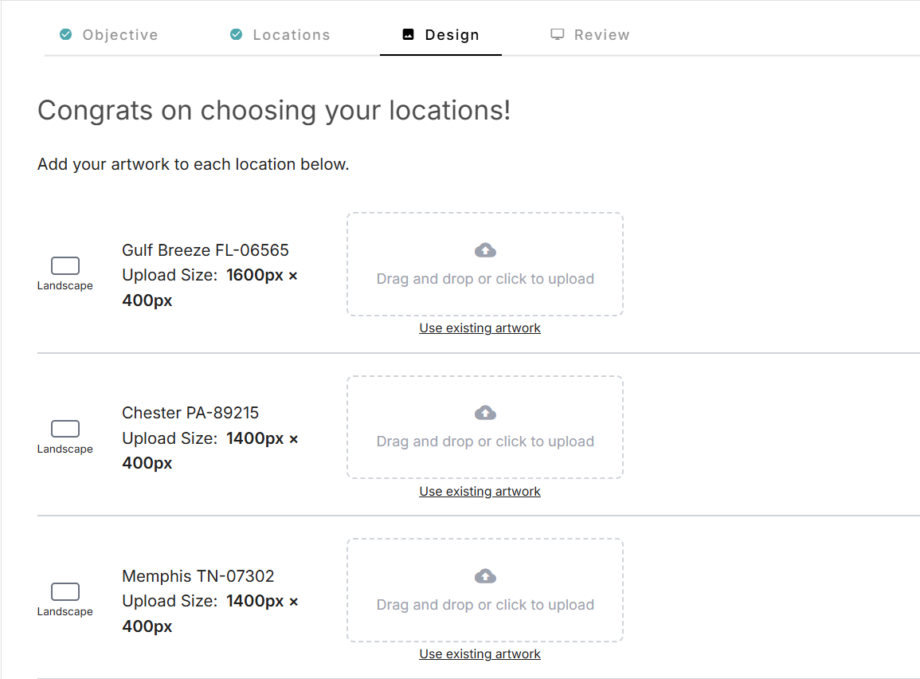
You can have your campaign live in minutes. Create a free account, select your locations, set your budget, upload your design, and start running once approved.
Where can I advertise with Blip near Fairview?
Blip has digital billboards near Fairview. You can browse available locations on a map, choose the ones that fit your audience, and start advertising right away.
Still have questions? Launch a campaign in minutes — no contracts, no commitments.
Start Your CampaignFairview Billboard Advertising Guide
Tucked on the Palisades above the Hudson River, the Fairview area offers advertisers one of the densest, most mobile, and most diverse audiences in New Jersey. With 191 digital billboards serving the Fairview area from nearby cities like Ridgefield, North Bergen, Weehawken, Secaucus, and New York City, we can help you tap into powerful daily commuter flows to and from Manhattan while staying highly visible to local residents and shoppers who are regularly exposed to billboards near Fairview in every direction.
Understanding the Fairview Area Market
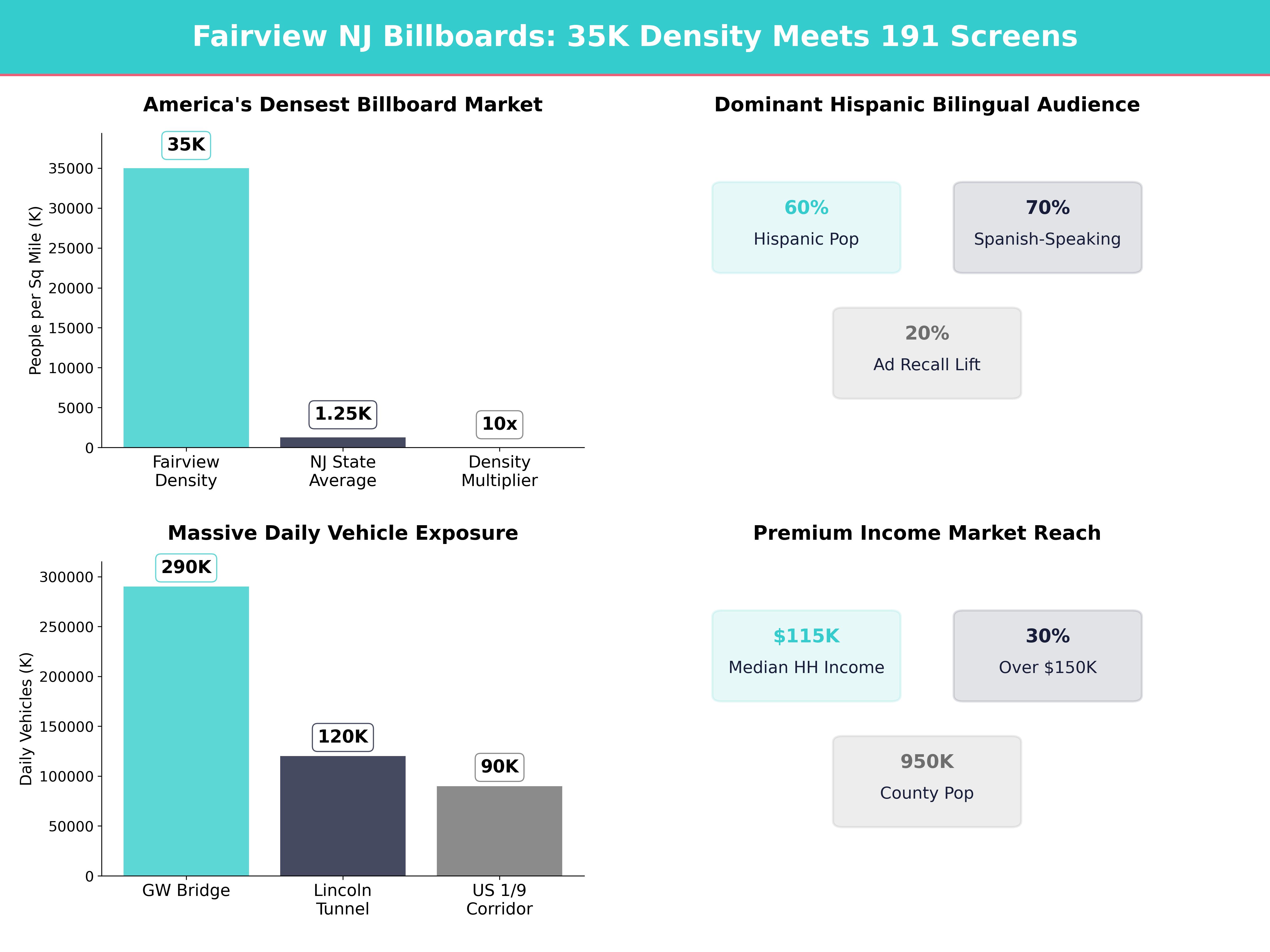
The Borough of Fairview, part of Bergen County, is a compact but crowded community. According to recent estimates, Fairview has around 14,000–15,000 residents in 0.43–0.45 square miles, translating to a population density of roughly 33,000–35,000 people per square mile—among the highest in New Jersey and over 10 times the statewide average density (about 1,250 people per square mile). You can learn more about the borough itself through the Borough of Fairview official website
Key points about the Fairview area market:
- Ultra-dense residential base: Fairview and adjacent neighborhoods like Ridgefield, Cliffside Park, North Bergen, and West New York collectively host well over 150,000–170,000 residents within a roughly 3–4 square‑mile band along the Hudson Palisades. North Bergen alone has about 62,000+ residents in just over 5 square miles, while West New York has around 50,000–52,000 residents in about 1 square mile, making it one of the most densely populated municipalities in the United States and a natural fit for highly visible Fairview billboards.
- Bergen County advantage: Bergen County is the most populous county in New Jersey, with roughly 950,000–955,000 residents and a median household income around $110,000–$115,000, significantly above the New Jersey median (roughly $90,000–95,000). That gives advertisers strong purchasing power within a 10‑mile radius of our screens serving the Fairview area.
- Cross-river connectivity: The Fairview area is less than 6 miles from Midtown Manhattan and roughly 4–5 miles from the Lincoln Tunnel and 5–6 miles from the George Washington Bridge. Nearby billboards in Weehawken, Jersey City, and New York City can reach both New Jersey residents and New Yorkers moving across the Hudson daily; the broader New York–Newark–Jersey City metro area has a population of over 19 million people.
Because our 191 digital billboards are positioned along major commuting routes and commercial corridors around the Fairview area, you can run highly targeted billboard advertising near Fairview that captures both local and regional traffic without paying Manhattan media prices, while still tapping into a metro that generates more than $2 trillion in annual GDP.
Where Our Billboards Reach the Fairview Area
Our inventory serving the Fairview area is concentrated in nearby cities within about a 10‑mile radius, each with its own traffic and demographic strengths. This gives you multiple options when you’re looking for billboards near Fairview that match your budget, audience, and creative goals:
- Ridgefield (1.3 miles from Fairview): Ridgefield has around 11,000–12,000 residents in less than 3 square miles, with strong traffic along key arterials connecting to Route 46 and US 1/9. Average daily traffic counts on nearby segments of US 1/9 and Route 46 commonly exceed 60,000–80,000 vehicles per day, according to NJDOT corridor data. Learn more about the town through the Borough of Ridgefield website.
-
North Bergen & Weehawken (3.6–3.9 miles):
- North Bergen’s population tops 62,000, and Weehawken’s is around 17,000–18,000, both with densities exceeding 15,000–40,000 residents per square mile.
- Prime locations near the approaches to the Lincoln Tunnel and along Route 3 and I‑495 capture heavy flows of Fairview-area commuters heading to Manhattan and local shoppers moving between Hudson and Bergen counties. These are some of the most powerful Fairview billboards for reaching daily cross-river commuters.
- The Township of North Bergen Township of Weehawken
-
Secaucus (4.2 miles):
- Secaucus has around 22,000–23,000 residents, but daily population swells due to retail, office parks, and the Secaucus Junction transit hub.
- NJ TRANSIT data indicate that Secaucus Junction handles 25,000–30,000 passenger trips per weekday, connecting 10+ rail lines statewide.
- The town also sits at the intersection of the New Jersey Turnpike and Route 3, where combined traffic counts routinely exceed 150,000 vehicles per day.
- More local context is available via the Town of Secaucus
-
Hackensack & Lodi (around 5–5.5 miles):
- Hackensack, the Bergen County seat, has about 46,000–47,000 residents, with a weekday daytime population boosted by tens of thousands of workers and visitors to medical and government facilities.
- Lodi, with around 25,000–26,000 residents, sits at a key junction of Route 46 and local arterials.
- These corridors are strong for retail and medical/office traffic in Bergen County’s core, where many Fairview-area residents shop and work. See City of Hackensack Borough of Lodi
-
Jersey City & Kearny (6.9–7.8 miles):
- Jersey City, with over 280,000 residents, is New Jersey’s second‑largest city and a major employment center in finance, logistics, and technology.
- Kearny, home to about 40,000 residents, anchors significant warehouse and distribution centers along the Passaic River and the Meadowlands.
- These areas capture cross-Hudson commuters using the Holland Tunnel and major distribution/industrial employment centers. More insights can be found at Jersey City Town of Kearny.
-
New York City & Brooklyn (5.8–10 miles):
- Manhattan’s daytime population exceeds 3.9 million people when workers and tourists are included, and New York City as a whole sees over 60 million domestic and international visitors per year.
- Brooklyn alone has roughly 2.7 million residents, making it larger than many U.S. cities.
- Billboards here extend your reach across the river to influence city workers and visitors who interact with the Fairview area or your New Jersey locations. Context on tourism and events is available at NYC Tourism + Conventions.
Because Blip allows you to choose exactly which boards to use and when your messages appear, you can craft a footprint that aligns with your customers’ actual travel patterns around the Fairview area rather than buying a one-size-fits-all package. This makes it easy to mix ultra-local Fairview billboards with regional placements in surrounding cities.
Who You’re Reaching: Demographics & Audience Insights
The Fairview area is exceptionally diverse, with characteristics that strongly influence which billboard messages perform best.
1. Ethnic and language diversity
Fairview and neighboring communities in eastern Bergen and southern Hudson County
- In Fairview itself, well over 60% of residents identify as Hispanic or Latino, with especially strong Colombian, Dominican, and Central American communities. In some census tracts, Spanish is spoken at home in more than 70% of households.
- In North Bergen and West New York, Hispanic/Latino residents make up roughly 65–80% of the population, creating a bilingual media environment. For example, West New York’s Hispanic share is near 80%, among the highest in New Jersey.
- Foreign-born residents often account for 40–55% of the population in these municipalities, far above the national average (around 14%), reinforcing the need for culturally aware, multilingual messaging.
- Many households are bilingual or Spanish-dominant, particularly among older generations, while younger residents skew more English-dominant but remain bicultural.
Implication for creatives:
- Consider bilingual copy (English + Spanish) for broad consumer campaigns; in similar New Jersey urban corridors, bilingual campaigns have been shown to lift ad recall by 10–20 percentage points versus English‑only messaging, especially for food and retail.
- Use simple, high-contrast typography to remain legible across languages and for viewers at highway speeds—studies from digital OOH networks often recommend letter heights of 18–24 inches for highway boards to be readable at distances of 400–600 feet.
- Emphasize culturally resonant imagery—family gatherings, food, local small business ownership, soccer and baseball, and community events tend to connect strongly here.
2. Age and household structure
The Fairview area skews toward:
- A high share of working-age adults (25–54), commonly around 40–45% of the population in nearby towns like North Bergen and West New York, compared with roughly 38–40% statewide.
- A mix of family households and multi-generational homes, with children under 18 typically representing 18–23% of the population in these municipalities.
- Household sizes averaging 2.7–3.0 people per household, larger than the U.S. average of about 2.5.
- A large renter population, often 60–75% of occupied housing units in Hudson-adjacent communities, contributing to higher residential turnover.
Implication for advertisers:
- Family-focused categories—grocery, quick-service restaurants, education, healthcare, after-school programs, and local attractions—see strong billboard value near the Fairview area.
- Because renters move more frequently (many leases turn over on 12‑month cycles), billboards are effective for apartments, real estate agents, and home services that want constant visibility to new residents and movers.
- Younger adult segments (ages 18–34), who make up around 25–30% of the population in many nearby cities, are heavy users of mobile and social media; pairing digital billboards with mobile retargeting can lift campaign response rates by 20–30% in integrated OOH–mobile campaigns.
3. Income and spending power
While incomes vary widely:
- Bergen County’s median household income exceeds $110,000, one of the highest in New Jersey, and about 25–30% of households earn over $150,000 annually.
- Nearby Hudson County communities often show median household incomes in the $70,000–90,000 range, but with significant variation by neighborhood; many Fairview-area households support dual earners, with a significant share of income flowing from Manhattan-based jobs in finance, hospitality, healthcare, and construction.
- New Jersey households consistently rank near the top nationally in consumer spending on transportation, housing, and food away from home. In the New York–New Jersey metro, annual household spending on transportation alone often exceeds $11,000–12,000.
- Local consumers are value-conscious but still spend heavily on food, personal services, telecom, transportation, and financial services, creating strong opportunities for brands that balance affordability with quality.
This combination makes the Fairview area ideal for both value-oriented messaging (specials, deals, financing) and aspirational products (automotive upgrades, travel, premium services) targeted to upwardly mobile households via targeted billboard advertising near Fairview.
Commuter Patterns & High-Value Corridors
The Fairview area is tightly integrated into the broader New York metro transportation network. Understanding these flows helps you place and schedule your campaigns.
Key routes and hubs impacting the Fairview area:
- Lincoln Tunnel corridor (Weehawken, North Bergen, Secaucus): According to the Port Authority of New York and New Jersey, the Lincoln Tunnel carries roughly 110,000–120,000 vehicles per average weekday and around 20 million vehicles annually. A large share of this traffic comes from Bergen and Hudson counties using Route 3, I‑495, and local feeders such as JFK Boulevard East and Park Avenue.
- George Washington Bridge approach (Fort Lee/Hackensack region): The George Washington Bridge handles around 280,000–290,000 vehicles per day, or more than 100 million vehicles per year, one of the highest traffic volumes of any bridge in the world. While our boards are not on the bridge itself, placements in Hackensack and Lodi tap into these east–west flows via the I‑80 and Route 4 approaches.
- New Jersey Turnpike & Route 3 near Secaucus: Sections near Secaucus and the Meadowlands routinely see 100,000–150,000 vehicles daily when combining Turnpike and Route 3 counts. Game days and events at the Meadowlands Sports Complex American Dream entertainment and retail center can push volumes even higher during peak windows.
-
Local arterials (US 1/9, Kennedy Blvd, Bergenline Avenue):
- US 1/9 in the North Bergen–Fairview corridor typically carries 60,000–90,000 vehicles per day, according to NJDOT segment data.
- Kennedy Boulevard and Bergenline Avenue are two of the busiest urban arterials in Hudson County, each supporting dense bus operations plus high local auto volumes; combined bus ridership on key Hudson–Bergen routes often exceeds 50,000 weekday trips.
- Hudson waterfront roads (River Road / Port Imperial area): River Road between Edgewater, West New York, and Weehawken has seen rapid residential development, with thousands of new apartments and condos added over the last decade, increasing peak‑hour traffic volumes and creating strong visibility opportunities for lifestyle, fitness, hospitality, and service brands.
Public transit is also critical:
- The NJ TRANSIT bus network carries more than 135 million passenger trips per year statewide; key routes serving the Fairview–North Bergen–West New York corridor funnel tens of thousands of riders daily to the Port Authority Bus Terminal in Midtown Manhattan.
- Nearby Hudson-Bergen Light Rail 40,000–50,000 weekday trips across the system, connecting riverfront neighborhoods to PATH and ferries.
- Secaucus Junction processes 25,000–30,000 daily trips, acting as the main rail transfer hub for northern New Jersey, while PATH trains between Jersey City/Hoboken and Manhattan carry more than 80 million riders annually.
Implications for scheduling:
- Morning (6–10 a.m.) and evening (4–8 p.m.) peaks are prime times to reach Fairview-area commuters on billboards near Secaucus, Weehawken, and North Bergen, when corridor speeds typically slow to 20–35 mph, increasing ad dwell time.
- Midday and weekend slots are especially effective on boards closer to shopping centers, big-box retail, and restaurant clusters in Hackensack, Lodi, and Ridgefield, where weekend traffic and errand trips spike. Retail destinations like American Dream have reported tens of thousands of visitors on busy weekend days, influencing flows on surrounding roads.
- For entertainment, hospitality, and event campaigns, evening slots (after 7 p.m.) and weekends can be prioritized to match when audiences are most likely to make discretionary outing decisions.
Blip’s flexibility lets us concentrate your budget in exactly those windows on the boards that intercept the most relevant travel paths for your audience, making your billboard advertising near Fairview as efficient as possible.
Local Economic Drivers & Category Opportunities
Knowing what fuels the local economy around the Fairview area can sharpen your targeting.
1. Retail & food
- Bergen County is a regional shopping hub, anchored by major destinations like the Garden State Plaza in Paramus and the American Dream complex in East Rutherford. Bergen County retail sales exceed $20 billion annually, with Paramus alone generating several billion dollars in yearly retail revenue, thanks in part to its status as a major mall cluster. You can explore the mall further via Westfield Garden State Plaza.
- The Fairview area itself has dense main-street style retail—small groceries, bakeries, salons, auto shops, and restaurants, many family-owned. In high-density towns like Fairview and West New York, there can be 40–70 retail and service businesses per linear mile along key corridors.
- New Jersey households spend roughly $3,500–4,000 per year on food away from home, and the New York metro is one of the top markets nationally for restaurant spending.
Best uses:
- Promote local restaurants, ethnic groceries, and quick-service options to rush-hour commuters on nearby boards, emphasizing proximity: “5 minutes from this exit” or “2 blocks off Bergenline.”
- Use rotating creatives through Blip to highlight daily specials, lunch deals, or weekend brunch; rotating menu creatives can increase ad engagement by 15–25% versus static, unchanging designs in many QSR campaigns.
- Tie messaging to local shopping peaks—e.g., Friday evening and weekend dayparts near Hackensack and Lodi, or evening commuter windows into Ridgefield and North Bergen.
2. Healthcare & professional services
- The region hosts major hospitals and medical centers, such as Hackensack University Medical Center Englewood Health, both of which serve hundreds of thousands of patient visits annually across inpatient and outpatient services.
- Healthcare and social assistance is one of the largest employment sectors in both Bergen and Hudson counties, accounting for roughly 15–20% of local jobs.
- Many professionals commute from the Fairview area to Manhattan-based offices, where finance, professional services, and media/tech jobs often pay salaries that are 20–40% above regional averages.
Strategies:
- Healthcare providers can use reassurance and convenience-based messaging (same-day appointments, bilingual staff, walk-in urgent care) on boards in North Bergen, Ridgefield, and Hackensack. In competitive healthcare markets, awareness campaigns using OOH have been shown to raise unaided brand awareness by 10–15 percentage points.
- Lawyers, accountants, and financial advisors can run campaigns near commute routes positioning themselves as local, trusted experts with cross-border (NY–NJ) capabilities, especially around tax season and year-end financial planning.
- Bilingual messaging is particularly important: in many nearby communities, 30–50% of households prefer a language other than English at home.
3. Logistics, construction, and trades
- Areas like Kearny, Secaucus, and Jersey City host major warehouses, logistics yards, and industrial sites, benefitting from proximity to Port Newark–Elizabeth Newark Liberty International Airport, and the Turnpike. The Port of New York and New Jersey moves 7–9 million TEUs (twenty-foot equivalent units) per year, supporting tens of thousands of logistics jobs regionally.
- Construction and trade workers frequently commute through these nodes from the Fairview area; in New Jersey, construction employment has hovered around 150,000–170,000 workers, with significant clusters in North Jersey.
Opportunities:
- Suppliers of building materials, equipment rental, and safety gear can reach decision-makers and crews via boards near industrial corridors and Turnpike interchanges, especially during 5–8 a.m. when work crews are on the road.
- Recruiting campaigns for union locals, training centers, apprenticeships, and trade schools can run during early-morning and late-afternoon drive times. OOH is particularly suited for workforce recruitment, with some campaigns reporting application lifts of 20–40% when billboards are added to digital channels.
- Logistics and industrial park developers can use boards along the Turnpike and Route 3 to highlight available square footage, ceiling clear heights, or proximity to NYC (under 10 miles).
Crafting Effective Creatives for the Fairview Area
Billboards serving the Fairview area must break through a visually dense, urban environment and cater to fast-moving traffic. Here’s how to design for impact.
1. Visual hierarchy tuned for quick reads
- Aim for 6–8 words max of main copy; OOH best-practice studies show comprehension drops sharply beyond 7–10 words when drivers only have 5–8 seconds of view time.
- Use large, high-contrast fonts—white or yellow on dark backgrounds, or bold colors against neutrals—to stand out in daytime and at night. Letter heights of 18–24 inches are recommended for highway viewing distances of 400–600 feet.
- Make the brand or offer the focal point, not background art; including a clear logo can increase brand recall by up to 20% compared with text-only layouts.
2. Bilingual and multicultural messaging
Given the local language mix:
- Consider split-copy layouts: English headline + Spanish subhead, or vice versa. For example, “Fast Care Near Fairview / Atención rápida cerca de Fairview.”
- Use universal icons (phone, map pin, QR codes) so viewers instantly grasp how to respond. Icons can improve message comprehension by 10–15% in quick-view environments.
- If using QR codes on local surface streets (not high-speed highways), ensure they are large enough and on boards where vehicles stop or slow (near intersections or shopping centers). Campaigns that place QR codes where average speeds are under 25 mph see significantly higher scan rates than those placed only on high-speed corridors.
3. Hyper-local references
People in the Fairview area identify strongly with their specific town and corridor:
- Call out fairly tight geographies: “Near Fairview,” “Minutes from Ridgefield,” “Off Route 3 in Secaucus,” “Just up Bergenline,” etc., so viewers know they are seeing billboards near Fairview that relate directly to their neighborhood.
- Use local landmarks: “Just past the Lincoln Tunnel entrance,” “Near Bergenline Ave,” or “by American Dream” (when geographically accurate).
- Hyper-local references can increase perceived relevance and response intent by 10–20%, according to many regional OOH case studies.
4. Clear calls to action
For best response:
- Emphasize one primary action: “Exit at …,” “Text FAIRVIEW to 55555,” “Order at [yourURL].com,” or “Turn right on Bergenline.”
- Since many viewers are commuting, short URLs or brand names they can recall later are critical; vanity URLs used in OOH have been shown to boost type-in rates versus generic homepages.
- For time-sensitive offers (weekend sales, events), use Blip’s scheduling to only show the relevant creative in the days or hours leading up to the event, helping to compress response into the desired window and avoid wasted impressions.
Timing & Seasonality in the Fairview Area
The Fairview area experiences distinct seasonal and weekly patterns that should guide your scheduling.
Weekly rhythms:
- Weekday peak (Mon–Fri): Strong commuter flows to and from Manhattan; more than 60% of North Jersey workers commute by car, with another 20–30% using transit in Hudson-adjacent areas. This is best for B2B, professional services, commuting-oriented retail (coffee, breakfast, convenience), and time-sensitive offers.
- Weeknights: Good for promoting restaurants, grocery stores, gyms, and entertainment that residents visit after work. Household errands and grocery trips often peak between 5–8 p.m. on weekdays.
- Weekends: Traffic shifts toward shopping destinations, Hudson River waterfront parks, and regional attractions like American Dream, Meadowlands events, and New York City excursions. Tourism and family activities dominate.
Seasonal opportunities:
-
Winter (Dec–Feb):
- Holiday shopping and post-holiday sales generate strong retail traffic; American Dream and major malls see some of their highest foot counts in November–December.
- Tax preparation, healthcare (urgent care, flu shots), and home services (heating, snow removal) see uplift. Flu activity typically peaks between December and February, making this prime time for clinics and pharmacies.
-
Spring (Mar–May):
- Home improvement, landscaping, auto dealers, and outdoor recreation ramp up. In Northeast markets, home-buying season typically sees 30–40% more transactions than winter months.
- Spring is also a strong period for graduation-related products, tutoring, and test prep.
-
Summer (Jun–Aug):
- Tourism to the Jersey Shore and New York City spikes; New Jersey welcomes over 100 million visitors annually statewide, according to Visit New Jersey, and a significant share flows through North Jersey.
- Use boards in Jersey City, Weehawken, and New York City to drive trip-planners toward your local business in the Fairview area—especially for hospitality, dining, parking, and attractions.
-
Fall (Sep–Nov):
- Back-to-school, tutoring, after-school programs, and sports-related advertising perform well as schools in Bergen and Hudson counties (serving hundreds of thousands of students) resume.
- Fall is also prime for healthcare checkups, flu shots, and early holiday promotions.
With Blip, you can set dayparting and date ranges so your ads only appear when relevant—maximizing ROI from even small daily budgets.
Using Blip’s Flexibility to Your Advantage
Digital billboards serving the Fairview area give you capabilities traditional static boards can’t match, whether you need ongoing visibility or short bursts of billboard rental near Fairview for key promotions.
1. Start with small, testable budgets
- You can begin with as little as a few dollars per day and expand once you see which routes and times perform best. Many small businesses start with daily budgets in the $5–20 range and scale up as results become clear.
- Test multiple creatives simultaneously—e.g., English-only vs. bilingual, price-led vs. brand-led—and rotate them in real time. A/B testing across creatives and corridors can reveal 20–50% differences in performance, letting you reallocate spend to the best-performing combinations.
2. Target precise locations around Fairview
Using Blip, you can:
- Select boards closest to your physical locations (e.g., Ridgefield or North Bergen for a Fairview-area retailer) to capture 1–3 mile “last-mile” audiences who can convert within minutes.
- Layer in additional boards near commuter funnels (Secaucus, Weehawken) to reach customers before they cross into Manhattan or on their return trips home.
- Extend across the river to New York City and Brooklyn to reach current or prospective customers who live or work there but shop or use services in New Jersey. Even capturing a fraction of the 3.9+ million workers who commute into Manhattan daily can transform demand for local service businesses.
3. Align messaging with inventory
Because digital boards serving the Fairview area are in high-demand corridors:
- Use short, high-frequency “blips” on ultra-prime locations (Lincoln Tunnel approaches, Route 3 near Secaucus, dense Hudson County arterials) for upper-funnel awareness, brand launches, and event promotion. Higher-frequency exposures can lift brand familiarity by up to 30% versus low-frequency schedules.
- Use more sustained presence on slightly less competitive boards in Hackensack, Lodi, or Maywood when you want additional frequency for local shoppers, especially around paydays (1st and 15th of the month) and weekends.
- Coordinate creative waves so that commuters see consistent messaging along their full route—for example, a teaser in Secaucus, a main offer in North Bergen, and a reminder piece closer to Fairview. This kind of coordinated billboard advertising near Fairview helps reinforce recall and drive action.
Example Campaign Ideas for the Fairview Area
Here are a few concrete ways advertisers can leverage our 191 billboards serving the Fairview area:
Local restaurant or café in the Fairview area
- Target boards in Ridgefield, North Bergen, and on key local arterials connecting to Fairview, where average daily traffic can exceed 40,000–60,000 vehicles.
- Run 7–10 second blips from 6–10 a.m. and 4–8 p.m. with a bilingual message:
“Desayuno rápido / Fast Breakfast – 5 minutos desde aquí – [Brand Name].” - Add weekend-only creatives promoting brunch or family specials; restaurants that advertise around weekend dayparts often see 10–20% higher weekend covers compared to periods without OOH support.
- Consider pairing billboards with geofenced mobile offers for drivers within a 1–2 mile radius of your location who regularly pass by billboards near Fairview.
Healthcare clinic or urgent care
- Use boards in Hackensack, Lodi, and Secaucus that intersect typical patient travel patterns, especially near major medical clusters and retail centers where families run errands.
- Message: “Urgent Care Near the Fairview Area – Walk-ins Welcome – Open 8 a.m.–10 p.m. – Se habla español.”
- Increase frequency during flu season (Oct–Mar) and during back-to-school periods when pediatric visits spike.
- Clinics using OOH in similar markets have reported increases in new-patient inquiries of 10–25% during campaign periods.
Real estate agent or property manager
- Focus on boards around the Fairview area plus commuter corridors (Route 3, Lincoln Tunnel approaches, US 1/9) to attract renters and buyers looking to move closer to NYC. North Jersey’s low vacancy rates—often under 5–6% in many neighborhoods—create strong competition for units, making visibility critical.
-
Rotate creatives:
- “Thinking of Moving Near Fairview? Scan to See New Listings.”
- “Compra tu casa – Asesoría en español – [Agent Name].”
- Run heavier schedules in spring and early summer, when moves typically peak and home sales can be 20–40% higher than winter volumes.
- Use separate creatives for rentals vs. sales to match seasonal demand (rentals often spike in late summer and early fall), and take advantage of flexible billboard rental near Fairview to adjust your schedule month by month.
Local college, trade school, or training program
- Target boards in Kearny, Jersey City, and Secaucus, where many potential students work or commute, and where industrial and service employers are concentrated.
- Feature clear program benefits (e.g., “Graduate in 12 Months,” “Job Placement Support”) and start dates, with heavier impressions in the 6–9 a.m. and 4–7 p.m. windows.
- Use changing creatives to highlight financial aid deadlines, open house dates, or registration cutoffs. Schools that advertise key deadlines via OOH often see noticeable spikes in inquiries in the 3–7 days before those dates.
- Consider bilingual messaging for programs targeting healthcare, trades, and business services, where local bilingual talent is in high demand.
Tapping Into Local Media and Information Sources
To fine-tune your messaging, it helps to follow local news and events that shape daily life around the Fairview area:
- Borough of Fairview
- Bergen County – county-level services, demographics, and infrastructure projects (road work, park upgrades, economic development) that can impact traffic patterns and consumer behavior.
- Hudson County
- Regional news from outlets like NorthJersey.com / The Record and NJ.com
- Tourism and regional context from Visit New Jersey and NYC Tourism + Conventions – useful for hospitality, attractions, seasonal events, and tourism-related advertisers targeting visitors who pass through the Fairview area.
- Municipal sites for nearby markets—such as North Bergen Weehawken Secaucus Kearny—often share event calendars, redevelopment news, and transportation updates that can help you time and localize your creatives.
Monitoring these sources lets you adapt creative in near real time—something only digital billboards and platforms like Blip can facilitate at scale for campaigns centered on billboards near Fairview.
By combining Fairview-area audience insights with the flexibility of our 191 digital billboards in surrounding cities, you can build campaigns that are hyper-local, data-informed, and budget-efficient. Whether you’re a neighborhood restaurant, a regional healthcare provider, or a cross-Hudson brand, we can help you reach the right people, on the right routes, at exactly the right times near Fairview through targeted billboard advertising and flexible billboard rental near Fairview.