Billboards near Midlothian, IL
No Minimum Spend. No Long-Term Contracts. Just Results.
Trusted by Leading Brands


Billboard advertising
near Midlothian has never been easier
How much is a billboard near Midlothian?
Why Choose Blip for Billboard Advertising near Midlothian
Blip lets you launch Midlothian billboards in minutes, reaching daily commuters on I-294, I-57, and Cicero Ave.
Set a flexible daily budget for Midlothian and pay only for the blips you get—perfect for testing the south-suburban market.
Use dayparting in Midlothian to hit rush hour, mall traffic, or weekend shoppers near Chicago Ridge Mall and 147th Street.
No contracts means you can tweak your Midlothian campaign anytime as traffic shifts from weekday commutes to weekend retail runs.
Real-time reporting shows what works in Midlothian, so you can shift spend toward Alsip, Blue Island, or Calumet City fast.
Blip's creative tools help you build bold, bilingual ads for Midlothian's family-focused, diverse audience in seconds.
Frequently Asked Questions About Billboard Advertising near Midlothian
How much does a billboard cost near Midlothian, Illinois with Blip?
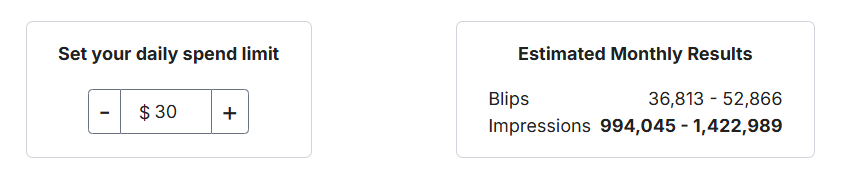
With Blip, you control exactly what you spend on Midlothian billboards by setting your own daily budget, and our system automatically keeps your digital billboard campaign within that amount. Each “blip” is a brief 7.5 to 10-second ad display on billboards near Midlothian, Illinois, and you only pay for the blips you receive, so even a modest budget can start building real local visibility. The price of each blip changes based on the time of day, location, and advertiser demand, letting you choose when and where your message appears in the Midlothian area.
Where can I advertise with Blip near Midlothian, Illinois?
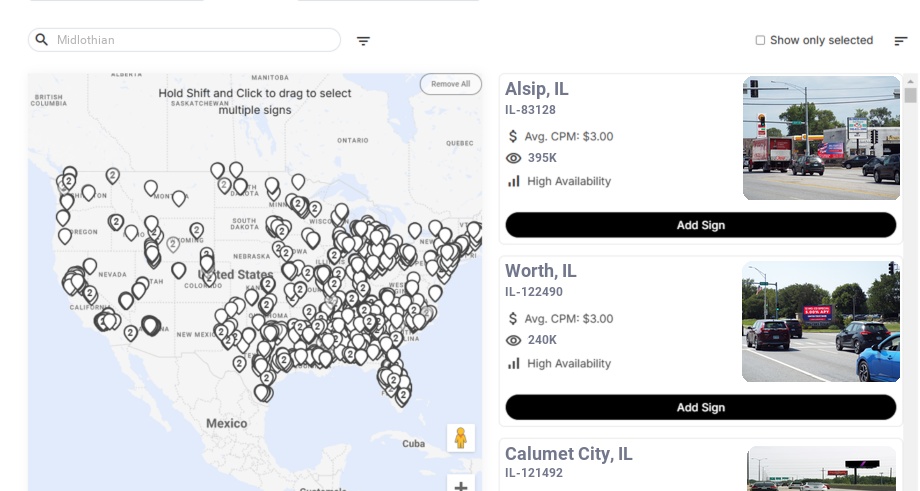
We have 26 digital billboards serving the Midlothian area within roughly 10 miles, in Alsip, Blue Island, Country Club Hills, Worth, Thornton, Chicago Ridge, and Calumet City. These communities sit along some of the highest-traffic routes feeding the Midlothian area, making them ideal for billboard advertising near Midlothian. For advertisers looking specifically for billboards near Midlothian, this cluster provides strong coverage of the places locals actually drive every day.
What kind of audience will my Midlothian billboard reach?
Midlothian itself has roughly 14,000–15,000 residents, while the surrounding south suburban belt within a 10-mile radius pulls from well over 250,000 people across multiple municipalities in Cook County. The area is predominantly working and middle class, heavily commuter-oriented, family-focused, and ethnically diverse. This mix makes clear, practical, benefit-driven messaging and bilingual creative especially effective.
When should I run Blip ads in Midlothian for the best results?
Because Blip lets you choose precise times and days, we can align your campaign with how people in the Midlothian area actually move through their week. Morning drive, midday, evening drive, and late evening each offer different opportunities, from quick calls-to-action and service reminders to restaurants, retail, and entertainment. Late-evening impressions can be 20–40% less expensive in many digital OOH systems while still reaching thousands of vehicles per hour on key roads.
What roads and traffic areas matter most for Midlothian billboards?
I-294 to the west commonly carries 150,000–170,000 vehicles per day along key segments in south Cook County, and I-57 to the south/southwest has 110,000+ vehicles per day along key stretches. Cicero Avenue (IL-50), Pulaski Road, 147th Street, and 159th Street often see 25,000–40,000 vehicles per day per segment, especially near major intersections and commercial zones. These corridors, plus local connectors to places like Chicago Ridge Mall, are ideal for reaching commuters and shoppers around Midlothian.
Do I need a contract to advertise with Blip near Midlothian?
No, Blip has no long-term contracts or minimum commitments. You can start, pause, or stop your campaign at any time.
How fast can I launch a billboard campaign with Blip near Midlothian?
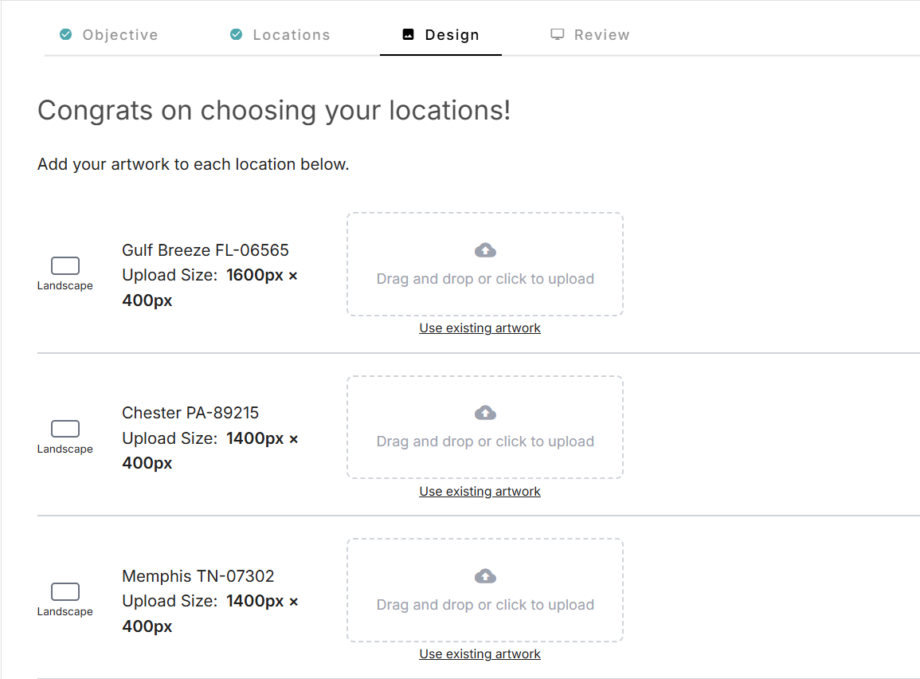
You can have your campaign live in minutes. Create a free account, select your locations, set your budget, upload your design, and start running once approved.
Where can I advertise with Blip near Midlothian?
Blip has digital billboards near Midlothian. You can browse available locations on a map, choose the ones that fit your audience, and start advertising right away.
Still have questions? Launch a campaign in minutes — no contracts, no commitments.
Start Your CampaignMidlothian Billboard Advertising Guide
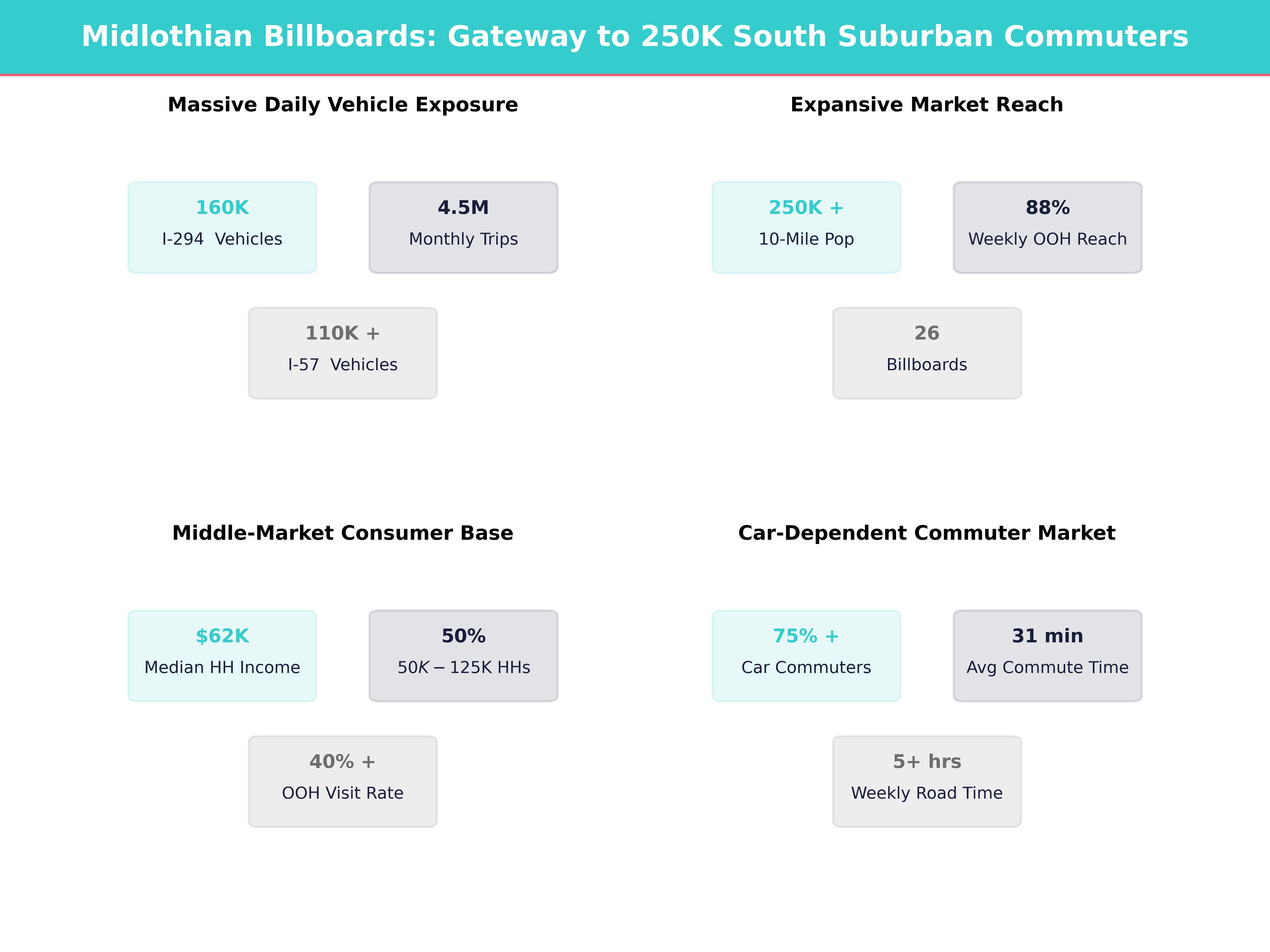
The Midlothian area sits in the heart of Chicago’s south suburbs, with dense neighborhoods, busy commuter routes, and strong ties to nearby retail and industrial corridors. With 26 digital billboards serving the Midlothian area from nearby communities like Alsip, Blue Island, Country Club Hills, Worth, Thornton, Chicago Ridge, and Calumet City, we can help you reach local residents, commuters, and shoppers with hyper-targeted, flexible campaigns. For advertisers looking specifically for billboards near Midlothian, this cluster provides strong coverage of the places locals actually drive every day. Across Chicago’s south and southwest suburbs, out-of-home (OOH) media typically reaches more than 85–90% of adults in a given week, and national studies from Nielsen and the Out of Home Advertising Association of America (OAAA) consistently show that over 40% of consumers have visited a business after seeing an OOH ad, underscoring how visible placements in this corridor can drive real actions.
Understanding the Midlothian Area Audience
Midlothian itself has roughly 14,000–15,000 residents, while the surrounding south suburban belt within a 10‑mile radius pulls from well over 250,000 people across multiple municipalities in Cook County. Nearby communities such as Alsip (about 19,000 residents), Blue Island (approximately 22,000), Country Club Hills (over 16,000), Worth (around 10,000), Thornton (about 2,300), Chicago Ridge (roughly 14,000), and Calumet City (just under 36,000) together create a dense, interlinked local market that your Midlothian billboards can tap into. The area is:
- Predominantly working and middle class. Median household income in the Midlothian area is around $60,000–$65,000, with nearby suburbs ranging from the mid‑$50,000s to mid‑$70,000s. For example, many south suburban communities cluster near the Cook County median household income of roughly $68,000, with 45–55% of households in several of these communities earning between $50,000 and $125,000 per year—prime for retail, automotive, healthcare, and financial services messages.
- Heavily commuter‑oriented. More than 75% of workers in the area commute by car, and average one‑way commute times are around 30–33 minutes, compared to about 28 minutes statewide. In some nearby suburbs, over 80% of workers drive alone to work, with public transit usage typically under 10%. That translates into hundreds of thousands of daily vehicle trips along nearby expressways and arterials where your billboards show.
- Family‑focused. About 60–65% of households are family households, and the share of residents under 18 typically sits near 23–25%. In many south suburbs, an additional 8–10% of residents are under age 5, creating strong demand for child‑focused services, family dining, and education. Homeownership rates often range from 55–70% across these communities, meaning a large base of homeowners planning home improvement, financial, and healthcare decisions.
- Ethnically diverse. The south suburbs around Midlothian include significant Black, Latino, and white populations, and a growing bilingual (English/Spanish) audience. In several nearby communities, Black residents account for 45–60% of the population, and Hispanic/Latino residents comprise 20–35%, with Spanish spoken at home in more than 20–25% of households. This mix makes inclusive and bilingual creative especially effective.
Local information and municipal resources are available from the Village of Midlothian, Cook County, and regional tourism organizations like Visit Chicago Southland Village of Alsip, City of Blue Island, City of Country Club Hills, Village of Worth, Village of Thornton Village of Chicago Ridge, and City of Calumet City.
What this means for your billboards near the Midlothian area:
- Messaging should be clear, practical, and benefit‑driven, resonating with budget‑conscious, family‑oriented consumers in a region where roughly 30–35% of households have children under 18 and an estimated 10–15% of residents live below the poverty line.
- Bilingual or culturally inclusive creative can significantly expand your impact, especially for retail, healthcare, education, and community services, given that tens of thousands of residents in the 10‑mile radius speak a language other than English at home.
- Commute‑oriented messaging (quick meal solutions, car services, training programs, healthcare, financial services) performs well because of the area’s strong “drive‑to‑work” culture and long commute times, with many residents spending more than 5 hours per week on the road.
Where Our Billboards Are and How the Market Moves
We have 26 digital billboards serving the Midlothian area within roughly 10 miles, in:
- Alsip (3.1 miles)
- Blue Island (3.9 miles)
- Country Club Hills (4.2 miles)
- Worth (5.2 miles)
- Thornton (6.0 miles)
- Chicago Ridge (6.7 miles)
- Calumet City (7.6 miles)
These communities sit along some of the highest‑traffic routes feeding the Midlothian area, making them ideal for billboard advertising near Midlothian:
- I‑294 (Tri‑State Tollway) to the west, commonly carrying 150,000–170,000 vehicles per day along key segments in south Cook County, generating upwards of 4–5 million vehicle trips per month.
- I‑57 to the south/southwest, with 110,000+ vehicles per day along key stretches, adding over 3 million monthly vehicle trips through the broader corridor.
- Cicero Avenue (IL‑50), Pulaski Road, and east–west corridors like 147th Street and 159th Street, which often see 25,000–40,000 vehicles per day per segment, especially near major intersections and commercial zones. Over a 4‑week period, that can mean 700,000–1.1 million vehicle trips per major segment.
- Local connectors linking residents to major shopping destinations like Chicago Ridge Mall in Chicago Ridge (which draws millions of visitors annually; see details at Chicago Ridge Mall) and regional centers nearer Calumet City and Country Club Hills that include multiple big‑box anchors and power centers.
Transit is also important:
- The Metra Rock Island District line stops at the Midlothian Station, linking the area to downtown Chicago and Joliet; Metra 250 weekday trains on this line across all stations and annual system ridership in the tens of millions. Rock Island District weekday ridership has been rebounding post‑pandemic, with several thousand riders per weekday boarding at south suburban stations.
- Pace Suburban Bus routes connect Midlothian and surrounding suburbs to job centers and retail hubs, with Pace reporting tens of thousands of weekday trips system‑wide across the south and southwest suburbs. Routes serving 147th Street, Cicero Avenue, and nearby park‑and‑ride lots connect directly to major employers and shopping areas.
Local travel, recreation, and tourism activity—especially for weekend shopping and events—are highlighted by Visit Chicago Southland Midlothian Park District, which sponsor festivals, sports leagues, and family events that increase traffic on key corridors.
Strategy tips based on traffic flows:
- Use billboards in Alsip, Blue Island, and Chicago Ridge to catch north–south and east–west commuters heading to and from the Midlothian area for work, school, and shopping. In peak periods, these corridors can see combined volumes exceeding 60,000–80,000 vehicles per day across multiple segments.
- Focus on Country Club Hills and Thornton boards to target residents and commuters moving between the Midlothian area and I‑57 or I‑80 job corridors, where logistics, warehousing, and industrial complexes employ thousands of workers on multiple shifts.
- Calumet City boards are powerful for campaigns that also want regional reach into Indiana shoppers and workers driving through the south suburbs, particularly along I‑94 and major retail arteries where daily traffic volumes frequently top 120,000–140,000 vehicles.
Timing Your Campaign in the Midlothian Area
Because Blip lets you choose precise times and days, we can align your campaign with how people in the Midlothian area actually move through their week. National and regional traffic studies show that 60–70% of daily vehicle trips occur during the combined morning and evening peak periods, with weekday traffic volumes in commuter suburbs like these often 10–20% higher than weekend volumes on major arterials but up to 20–30% higher on weekends around malls and big‑box centers.
Daily patterns
-
Morning drive (6–9 a.m.)
A large share of residents leave for work or school during this window. In many south suburban corridors, over 35–40% of daily traffic passes between 6 a.m. and 10 a.m. Use it for:- Quick calls‑to‑action (“Exit at …”, “Order before 10 a.m. for same‑day pickup”)
- Service reminders (dentists, auto repair, insurance, education, job fairs)
- School‑related messaging (open houses, after‑school programs, youth sports)
-
Midday (10 a.m.–3 p.m.)
Traffic dips slightly but is steady with errands, deliveries, and service calls, often representing about 30–35% of weekday traffic. Use it to:- Reach stay‑at‑home parents, freelancers, and retirees, who can account for 25–30% of daytime local trips
- Promote health appointments, banking, real estate, and local government services
- Run higher‑frequency, lower‑cost impressions when competition is lower
-
Evening drive (3–7 p.m.)
Peak congestion as commuters return, pick up kids, or shop. In many Chicago‑area corridors, 35–45% of daily traffic occurs from mid‑afternoon through early evening. Perfect for:- Restaurants and take‑out (“Dinner solved in 10 minutes—exit at …”)
- Grocery, retail, and big‑box stores
- Entertainment, youth sports, and event promotions
-
Late evening (7–11 p.m.)
Helpful for bars, entertainment venues, fitness centers, and streaming or delivery apps that people decide to use after they’re home. Late‑evening impressions can be 20–40% less expensive in many digital OOH systems while still reaching thousands of vehicles per hour on key roads.
Weekday vs. weekend
- Monday–Thursday: Strong for work‑related services, education, healthcare, and errands. Office, industrial, and logistics workers on fixed schedules keep volumes high; industrial parks in south Cook County alone employ tens of thousands of workers who travel these routes every weekday.
- Friday: Lean into weekend triggers—restaurants, events, shopping, and entertainment. Retail foot traffic data across Chicagoland regularly shows Friday and Saturday accounting for 35–40% of weekly in‑store visits.
- Saturday–Sunday: Big for regional shopping at malls and big‑box centers. Boards near Chicago Ridge, Country Club Hills, and Calumet City are especially valuable for weekend retail campaigns as shopping centers can see 10–25% higher visitor counts on Saturdays compared to weekdays.
Seasonal considerations
-
Winter (roughly November–March):
- Commuters leave and return in the dark, making bright, high‑contrast creative even more important. In December and January, sunset can occur before 4:30 p.m., so your evening drive ads run almost entirely in low‑light conditions.
- Promote heating, auto repair, winter tires, healthcare, and holiday shopping. Auto claims and roadside assistance calls typically spike 15–30% in winter months in the Midwest, making auto‑related advertising especially timely.
- Weather‑tuned messages (“Snow coming—stock up at …”) get attention, particularly when snow events can bring 4–8 inches in a single storm and disrupt travel for 24–48 hours.
-
Spring (March–May):
- A surge in home improvement, landscaping, tax prep, and youth sports. Home improvement spending often increases 20–30% from winter to spring in colder‑weather metros.
- Use boards near Country Club Hills, Alsip, and Blue Island to hit homeowners and renters upgrading their homes, as building permits and contractor activity historically pick up sharply between March and May.
-
Summer (June–August):
- Outdoor activities, festivals, and travel increase. Highlight summer camps, local attractions, and events promoted by organizations featured on Visit Chicago Southland
- Construction and seasonal jobs: perfect time for recruitment campaigns, as construction employment in Illinois typically peaks in summer, with some trades adding 10–20% more workers compared to winter months.
-
Fall (September–October):
- School‑year routines stabilize. Focus on education, tutoring, sports leagues, healthcare checkups, and fall events. Local school districts serving the Midlothian area enroll thousands of students, and back‑to‑school spending per household routinely exceeds $600–$700 nationally, much of it happening in August and September.
- Early holiday layaway and financing offers perform well with family‑oriented audiences, especially in communities where 40–50% of households carry credit card or retail installment debt and are highly responsive to structured payment options.
With Blip’s scheduling, you can shift your buy across these times and seasons without re‑signing contracts—just adjust your settings as needs change.
Creative Best Practices for the Midlothian Area
In high‑traffic, fast‑moving corridors near the Midlothian area, your creative has only 6–10 seconds to land. Based on how drivers move and who they are, we recommend:
1. Big, bold, and local
- Use 5–7 words max of main copy and one strong visual. Readability tests for roadside digital units show that legibility drops sharply beyond 8–10 words at highway speeds.
- Include a simple geographic anchor: “147th & Pulaski,” “Near Chicago Ridge Mall,” or “Off I‑57, Exit ___.”
- Local cues like “Serving the Midlothian area since 1995” or “Your Midlothian‑area family dentist” build trust and help recall; OOH research indicates that adding a recognizable local reference can increase ad recall by 10–20%.
2. Design for commuters
- Use high contrast color pairs (white/yellow on dark blue/black, or black on bright yellow/orange). Tests on digital billboards show high‑contrast color combinations improving legibility distance by 20–30%.
- Avoid small details; use large fonts (at least the equivalent of 12–18 inches high on the board) and one clear logo.
- Frame messages around time and convenience: “In & out in 30 minutes,” “Same‑day service,” “Order now, pick up on your way home.” These themes resonate strongly with an audience where roughly 60–70% of workers have full‑time schedules and limited weekday free time.
3. Speak to families and working adults
-
Emphasize:
- Savings and value (“Kids eat free,” “No‑fee checking,” “$0 enrollment”). Price‑oriented messages tend to see 10–15% higher response in working‑ and middle‑class communities compared to purely brand‑focused ads.
- Safety and reliability (healthcare, auto service, insurance, after‑school programs)
- Time‑saving benefits (online booking, curbside pickup, extended hours)
4. Consider bilingual or inclusive messaging
-
If your business serves Spanish‑speaking customers, try:
- Fully Spanish creative variants, or
- Simple bilingual phrases (e.g., “Se habla español” or dual‑language headlines)
- Rotate English and Spanish creatives with Blip to test response. In markets where 20%+ of households are Spanish‑speaking, bilingual campaigns often see 15–25% lift in engagement metrics (calls, website visits, store traffic) compared with English‑only campaigns targeting the same geography.
5. Use multiple creatives to match dayparts
Because you pay per “blip” (each impression), you can easily upload several creatives and assign them to different times:
- Morning version: “Beat traffic—schedule online now.”
- Afternoon version: “Need dinner plans? Exit at …”
- Weekend version: “Family fun this Saturday in the Midlothian area.”
Advertisers who tailor creatives by daypart frequently see 10–30% higher conversion or response rates vs. using a single, generic creative all day.
Using Location and Budget Tactics with Blip
Blip’s tools allow you to fine‑tune where, when, and how often your ads appear around the Midlothian area, whether you’re testing billboard advertising near Midlothian for the first time or scaling an existing campaign.
1. Cluster strategy for local dominance
To saturate the Midlothian area, concentrate spend on:
- Alsip + Blue Island + Chicago Ridge: Strong coverage on main north–south and east–west routes that collectively carry well over 100,000 vehicles per day.
- Country Club Hills + Thornton: Powerful for I‑57/I‑80 commuters and workers in logistics, warehousing, and industrial parks. Several nearby industrial corridors host hundreds of businesses and thousands of employees across multiple shifts.
- Worth: Good for neighborhood‑level reinforcement near parks and local retail, reaching residents on shorter, more frequent trips.
Running multiple boards at lower frequency across this cluster often beats buying only one or two boards at a high frequency, because you repeatedly reach the same population across their common driving routes. OOH planning benchmarks suggest that multi‑location campaigns can increase reach by 20–40% at similar budget levels compared with a single‑location focus.
2. Dayparting to control costs
- Focus your budget on rush hours (6–9 a.m., 3–7 p.m.) if you want maximum commuter exposure, accepting a higher cost per thousand impressions (CPM) for premium slots.
- Shift more impressions to midday and late evening if you want more frequency at lower average cost per blip; off‑peak CPMs in digital OOH can be 15–40% lower than peak‑hour pricing.
- For local events (fairs, school fundraisers, church events), push heavier rotation 3–7 days before the event, then taper. Many event organizers report that 50–70% of RSVPs or ticket sales occur in the week leading up to the event.
3. Geographic layering
Consider three concentric coverage goals:
- Core Midlothian area (0–5 miles):
Use Alsip, Blue Island, and Worth boards to hit residents, school traffic, and everyday errands. Within this radius you can comfortably reach a core audience of 40,000–60,000 residents plus thousands of daily pass‑through commuters. - Employment and retail belt (5–10 miles):
Add Country Club Hills, Thornton, Chicago Ridge, and Calumet City for job centers, regional retail, and cross‑suburb travel. This ring brings your reachable population to 250,000+ residents and a daily traffic pool easily exceeding several hundred thousand vehicle trips. - Regional awareness (>10 miles):
If you also serve Chicago‑wide or northwest Indiana, expand your board selection outward from this core cluster for brand‑level awareness. Regional OOH campaigns in the greater Chicago area can deliver millions of impressions per week, putting your brand alongside major regional and national advertisers.
Vertical‑Specific Ideas for the Midlothian Area
Local retail and restaurants
- Highlight proximity: “5 minutes from 147th & Cicero” or “Just west of I‑57.” When distances are under 5–7 minutes’ drive, conversion from awareness to visit is significantly higher, especially for quick‑service restaurants and convenience retail.
- Promote limited‑time deals and rotate them weekly using multiple creatives; retailers often see 10–20% sales lifts during tightly timed promotional windows supported by OOH.
- Showcase curbside pickup and drive‑thru options, especially for commuters who make up the bulk of the 2–3 peak traffic hours each weekday.
Home services and contractors
- The housing stock in many south suburbs includes mid‑century and older homes; roof, HVAC, window, and plumbing needs are high. In several nearby communities, more than 50–60% of homes were built before 1970, and older housing correlates strongly with ongoing repair and upgrade spending.
-
Focus messaging on:
- “Free estimates in the Midlothian area”
- Seasonal urgency (“Before winter hits…” or “Spring tune‑up special”)
- Use evening and weekend dayparts when homeowners are actively planning home projects; national surveys show that about 60% of home‑improvement research happens after 5 p.m. or on weekends.
Healthcare, dental, and urgent care
-
Emphasize:
- Same‑day and walk‑in appointments
- Extended hours for working families
- Proximity to major roads serving the Midlothian area
-
Time campaigns around:
- Back‑to‑school physicals (July–September), when pediatric and family practices can see 20–30% higher visit volume
- Flu and COVID shots (October–January); vaccination campaigns often concentrate 60–70% of doses in this window
- Dental benefits “use it or lose it” reminders (November–December), when practices frequently see a year‑end surge of 10–25% in appointment volume
Education, training, and workforce programs
-
The large commuting workforce and economic transitions in the south suburbs create strong interest in:
- Trade schools and community college programs
- CDL training, healthcare certifications, and IT bootcamps
- Workers in transportation, warehousing, manufacturing, and healthcare collectively account for a sizable share (often 25–35%) of local employment, making upskilling messages highly relevant.
-
Use boards along routes to industrial and logistics centers (Thornton, Country Club Hills, Calumet City) with messages like:
- “Upgrade your job in 6 months”
- “Night classes near the Midlothian area”
Events, churches, and community organizations
- The Midlothian area has an active community life with festivals, drives, and church events often covered by outlets like the Daily Southtown and local Patch sites such as Oak Forest Patch. Local park districts and villages may each host dozens of events per year, drawing anywhere from a few hundred to several thousand attendees.
-
For events:
- Start promotion 2–3 weeks out.
- Intensify impressions the final 5–7 days, when up to half of RSVPs or ticket purchases typically occur.
- Use clear date/time and a very short URL or recognizable name. Studies on OOH event promotion show that including a strong date/time line can increase recall by 15–20%.
Measuring and Optimizing Performance
Even though you can’t install analytics on a billboard, you can still measure and improve your campaign’s effectiveness around the Midlothian area.
1. Use offer codes and URLs
-
Track responses with:
- Unique URLs (e.g.,
yourbrand.com/midlo) - QR codes on creatives (best for slower streets, not expressways)
- Promo codes like “MIDLO10” for discounts
- Unique URLs (e.g.,
- Compare web traffic and sales in weeks with and without your Blip campaign. Advertisers who use dedicated URLs and codes often see 5–15% of their web or in‑store traffic tied directly to OOH‑specific offers.
2. Compare locations and times
- Start with a mix of boards in Alsip, Blue Island, Country Club Hills, Worth, Thornton, Chicago Ridge, and Calumet City.
-
After 2–4 weeks, review:
- Which locations correlate with increased store visits or online leads?
- Do leads spike more in the morning vs. evening?
- Shift your Blip budget toward the top‑performing locations and time windows. Many advertisers reallocate 20–50% of their initial budget after the first optimization cycle to the best‑performing boards and dayparts.
3. Coordinate with other channels
-
Align billboard messaging with:
- Local news ads (e.g., placements related to Daily Southtown)
- Social media campaigns geofenced to the Midlothian area
- Local sponsorships or event appearances promoted via Village of Midlothian or Visit Chicago Southland
- Consistent creative across channels makes it easier to attribute lift and strengthens brand recall; multi‑channel campaigns that include OOH routinely report 10–30% higher overall awareness than single‑channel campaigns.
Putting It All Together
To reach audiences near the Midlothian area effectively with Blip:
- Anchor your strategy in how locals live and move—commute‑heavy, family‑centric, price‑sensitive, and diverse, with tens of thousands of daily commuters and hundreds of thousands of residents circulating within a 10‑mile radius.
- Leverage our 26 boards within 10 miles across Alsip, Blue Island, Country Club Hills, Worth, Thornton, Chicago Ridge, and Calumet City to follow residents through their daily routes and capture millions of monthly impressions. This network makes it easy to plan billboard rental near Midlothian without sacrificing reach or flexibility.
- Use Blip’s flexibility—dayparting, location selection, and multiple creatives—to show the right message at the right time and manage your effective CPM.
- Design for clarity and locality, with bold visuals, short copy, and clear directional or neighborhood cues that can be read in 6–10 seconds at typical driving speeds.
- Measure and iterate, using simple tracking tactics and shifting your budget toward the best‑performing times and locations, refining every 2–4 weeks.
With the right strategy, digital billboards near the Midlothian area can give your brand a visible, cost‑controlled presence across the south suburbs, meeting commuters, shoppers, and families exactly where they are and turning consistent weekly impressions into measurable business outcomes.