Billboards in Orland Hills, IL
No Minimum Spend. No Long-Term Contracts. Just Results.
Trusted by Leading Brands


Billboard advertising
in Orland Hills has never been easier
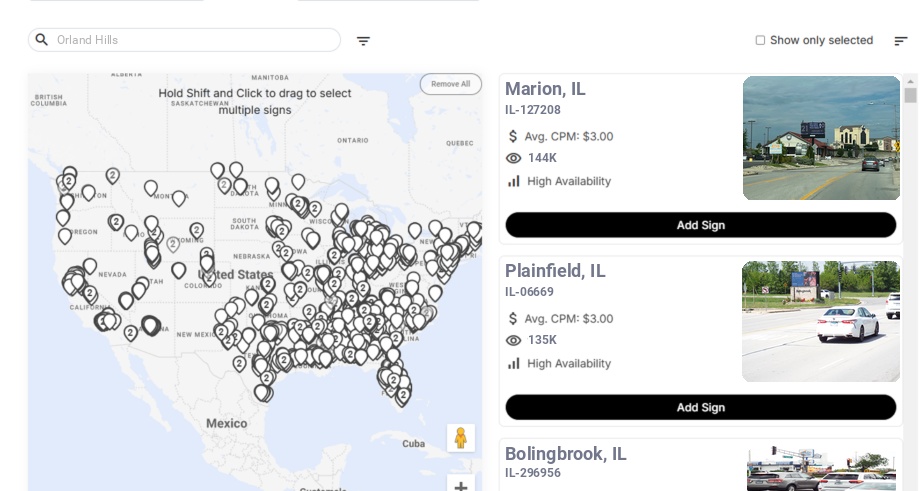
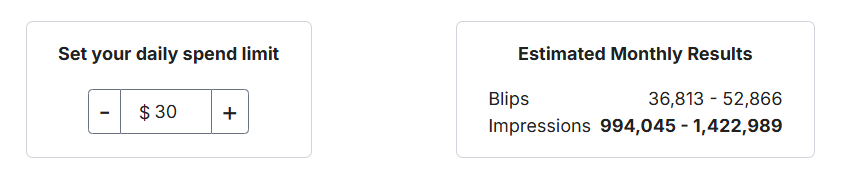
How much is a billboard in Orland Hills?
Why Choose Blip for Billboard Advertising in Orland Hills
Orland Hills businesses can launch fast with Blip’s self-serve platform, reaching I-80 and 159th Street drivers without contracts or fuss.
Blip-optimized campaigns in Orland Hills let the system auto-pick timing and boards for commuters on La Grange Road, Harlem Avenue, and I-80.
Set a flexible budget in Orland Hills and only pay when ads run—ideal for testing retail and dining traffic near Orland Square.
Use dayparting in Orland Hills to hit 6-9 a.m. commuters, 3-7 p.m. families, or concert nights near Tinley Park venues.
Track Orland Hills billboard performance in real time, then shift spend toward the corridors driving more shopper and event traffic.
Blip’s creative tools make it easy to tailor Orland Hills ads with local cues like 'Near Orland Square' or 'Off I-80'.
Frequently Asked Questions About Billboard Advertising in Orland Hills
How much does a billboard cost in Orland Hills with Blip?
Pricing starts at just $0.01 per display. Your daily budget tells Blip’s algorithm how aggressively to bid for open ad slots, and the cost per blip can shift based on time of day, location, and advertiser demand. There are no minimums or contracts, so you can set your budget, adjust it, or pause anytime.
Where can I advertise with Blip in Orland Hills?
Orland Hills sits inside one of Chicagoland’s most dependable southwest suburban driving corridors, about 25 miles southwest of downtown Chicago. Key routes include Interstate 80, Interstate 57 and the I-80 interchange east of Orland Hills, La Grange Road, Harlem Avenue, and 159th Street. These roads combine commuter traffic with destination traffic, making them strong for local action and regional awareness.
Why is Orland Hills a good place for Blip billboard advertising?
Orland Hills is a strong place for billboard advertising because it sits inside one of Chicagoland’s most dependable southwest suburban driving corridors. The Village of Orland Hills has about 7,000 residents, yet it is surrounded by larger shopping, dining, and residential centers in Orland Park, Tinley Park, and nearby Will County communities, creating a practical trade area well above 100,000 people. This is also an auto-first market, where commuters, school-run families, shoppers, and eventgoers spend a large share of their time on arterial roads and interstates.
When is the best time to run billboard ads in Orland Hills with Blip?
Morning visibility is strong from about 6:00 to 9:00 a.m., and afternoon visibility is strong from about 3:00 to 7:00 p.m. From roughly May through September, the Tinley Park concert calendar and regional sports schedule create added traffic on I-80, Harlem Avenue, and nearby arterials. Holiday retail ramps up well before Thanksgiving, and we usually recommend launching holiday creative 6 to 8 weeks before the key buying date rather than waiting until the last minute.
What kind of people will see billboards in Orland Hills?
The first core audience is the daily driver, and roughly 75% to 80% of workers in nearby southwest suburbs drive alone. Orland Hills is also a family-heavy suburban market, with school-year travel patterns, college-going traffic, and outdoor recreation users moving through the area. Nearby retail, dining, concerts, conventions, and sports venues also create concentrated periods of visitor volume.
Do I need a contract to advertise with Blip in Orland Hills?
No, Blip has no long-term contracts or minimum commitments. You can start, pause, or stop your campaign at any time.
How fast can I launch a billboard campaign with Blip in Orland Hills?
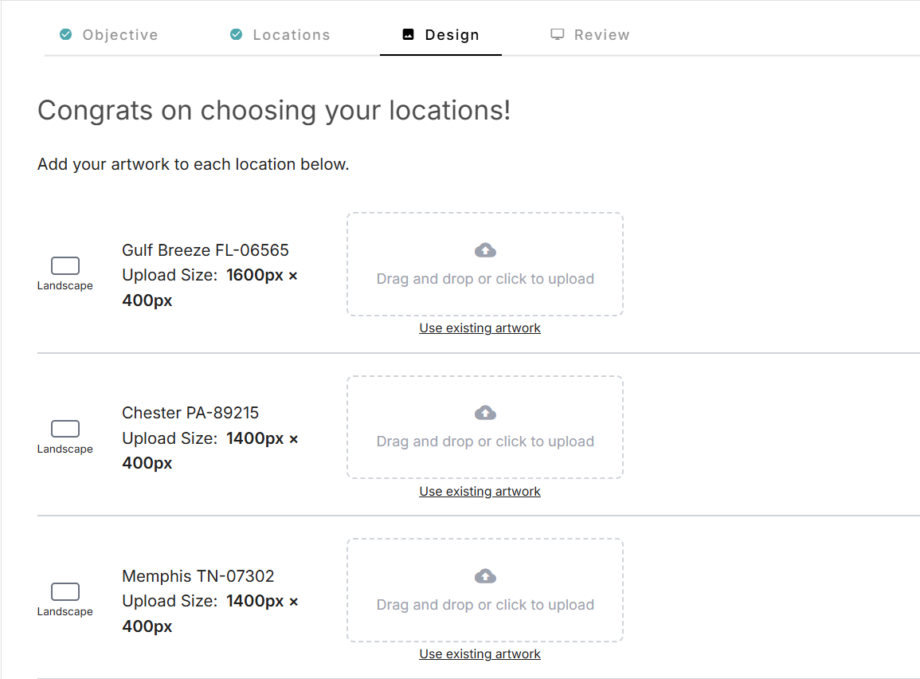
You can have your campaign live in minutes. Create a free account, select your locations, set your budget, upload your design, and start running once approved.
Where can I advertise with Blip in Orland Hills?
Blip has digital billboards in Orland Hills. You can browse available locations on a map, choose the ones that fit your audience, and start advertising right away.
Still have questions? Launch a campaign in minutes — no contracts, no commitments.
Start Your CampaignOrland Hills Billboard Advertising Guide
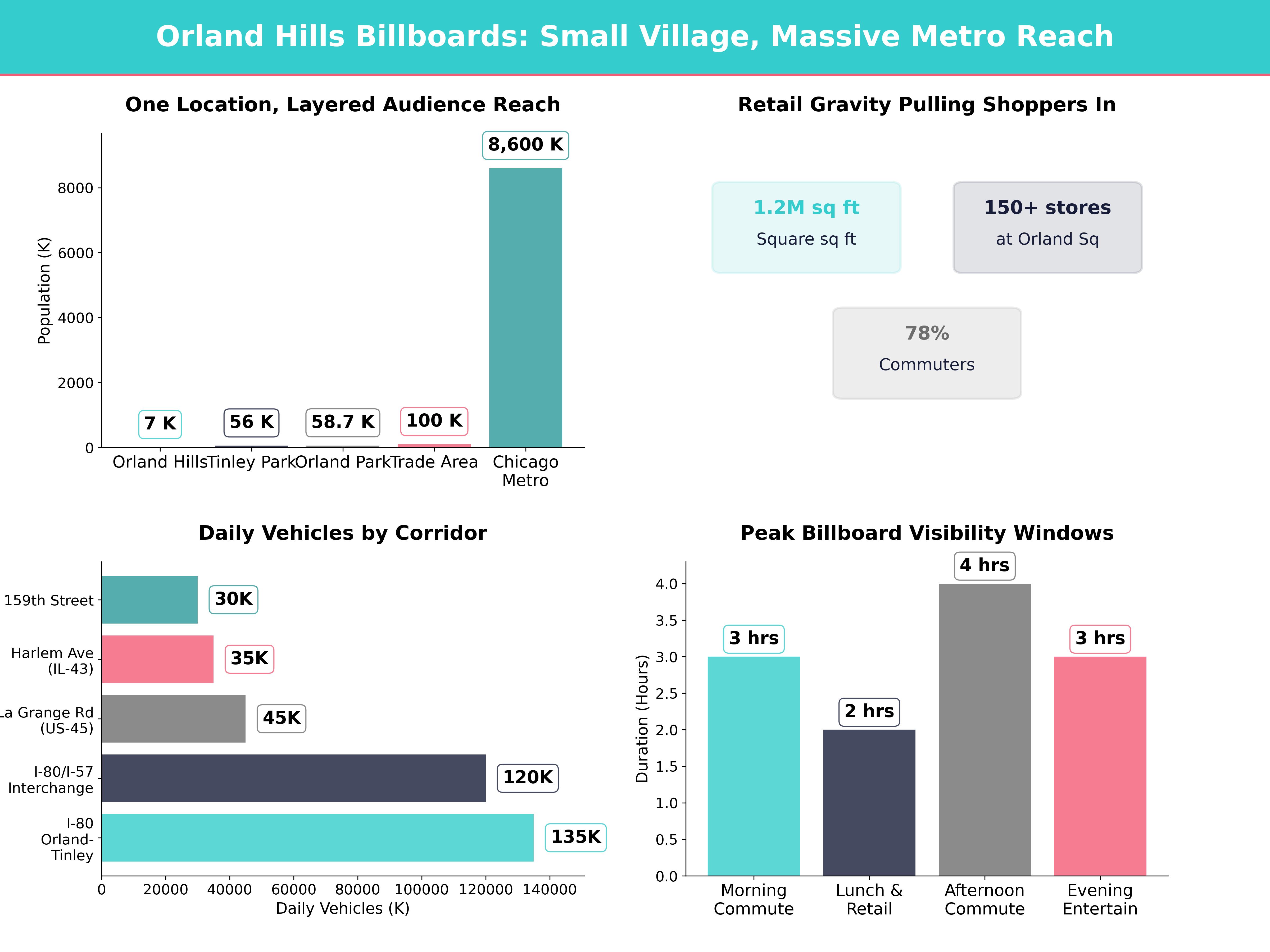
Orland Hills Village of Orland Hills 7,000 residents, yet it is surrounded by larger shopping, dining, and residential centers in Orland Park 58,700 residents), Tinley Park (about 56,000 residents), and nearby Will County communities, creating a practical trade area well above 100,000 people. This is also an auto-first market, where commuters, school-run families, shoppers, and eventgoers spend a large share of their time on arterial roads and interstates. For us as advertisers, that combination of repeat driving patterns, regional retail draw, and seasonal entertainment traffic makes Orland Hills an excellent fit for digital billboard campaigns.
Market Overview for Orland Hills
Orland Hills sits inside a much larger southwest suburban market
When we advertise in Orland Hills, we are not buying exposure only to a small village. We are buying visibility inside a south suburban cluster that includes Orland Park Tinley Park, which each have about **58,700** and **56,000** residents, respectively, plus adjacent communities such as Homer Glen Mokena Oak Forest Frankfort, and New Lenox Chicago, so it benefits from both local suburb-to-suburb travel and broader regional movement.
The surrounding counties add scale that matters for advertisers. Cook County has about **5.27 million** residents, and Will County has **696,355** residents. Across the wider Chicago Metropolitan Agency for Planning region, we are operating inside a **7-county** market of roughly **8.6 million** people. That means even a locally focused Orland Hills campaign can still tap into a regional audience moving through the south suburbs for work, shopping, healthcare, sports, and events.
This is also a mature suburban economy rather than a volatile boomtown. That stability helps billboard campaigns because message repetition matters more here than one-time novelty. We can build frequency around familiar travel patterns, trusted retailers, and routine errands.
What local travel behavior means for billboard advertisers in Orland Hills
Southwest suburban Chicago is highly car dependent. Community snapshots from CMAP for nearby municipalities regularly show drive-alone commuting around **75% to 80%** of workers, which is roughly **3 in 4** commuters. That matters because billboard exposure in Orland Hills happens during unavoidable daily trips, not only during optional entertainment outings.
Transit is present, but roads dominate. The Metra Pace Suburban Bus adds local mobility, but the market’s core advertising value remains roadside frequency.
Economically, this area punches above its village size because it sits near strong retail and service nodes. Orland Square
Key Traffic Corridors for Orland Hills Billboard Campaigns
Orland Hills travel patterns are concentrated on a handful of high-use expressways and arterial roads. When we understand those corridors, we can match boards to specific customer intent.
Interstate 80 near Orland Hills and Tinley Park
According to the Illinois Department of Transportation, I-80 through the Orland-Tinley corridor commonly carries more than **130,000 vehicles per day**, with some nearby segments pushing closer to **140,000 AADT**. This is the highest-impact corridor for broad reach in the market.
I-80 is ideal when we want to reach regional travelers moving between Joliet New Lenox Tinley Park, and the I-57 connection to the east. It works especially well for these advertiser categories:
- Healthcare, legal, and insurance brands benefit because they need broad awareness across multiple suburbs.
- Restaurants, retail, and entertainment venues benefit because drivers are often deciding where to stop, shop, or eat later that day.
- Auto dealers, home services, and local colleges benefit because these are high-consideration purchases that improve with repeated exposure.
Because I-80 carries all-day traffic, it is valuable for both commute windows and weekend leisure travel.
Interstate 57 and the I-80 interchange east of Orland Hills
I-57 is not inside Orland Hills itself, but it is close enough to matter for the area’s media strategy. IDOT counts around the I-80/I-57 area often exceed **120,000 vehicles per day**, making it one of the south suburbs’ most important interchange zones.
This corridor connects the Orland area to Country Club Hills, Matteson, Richton Park
- Staffing firms and industrial employers, because the interchange feeds major job centers and warehouse corridors.
- Regional healthcare systems, because patients often travel across several suburbs for specialty care.
- Event venues and hotels, because out-of-town visitors frequently approach from I-57.
When we want Orland Hills awareness plus broader south suburban reach, pairing I-80 and I-57 boards is often more effective than concentrating on a single local road.
La Grange Road and Harlem Avenue around Orland Hills
For local intent, arterial roads are just as important as the interstates. In Orland Park, IDOT traffic counts on U.S. 45, better known as La Grange Road, often sit in the **40,000 to 50,000 AADT** range. Nearby Harlem Avenue, also known as Illinois Route 43, often carries roughly **30,000 to 40,000** vehicles per day depending on the segment.
These roads are powerful because they combine commuter traffic with destination traffic. Drivers on La Grange Road are often headed to retail, dining, medical offices, and neighborhood services. Drivers on Harlem Avenue often include residents moving between Orland Hills, Tinley Park, Oak Forest, and the I-80 corridor.
We usually favor these routes when the campaign goal is local action rather than pure regional awareness. They are especially effective for:
- Retail centers and restaurants that want to pull nearby households.
- Urgent care, dental, and specialty medical practices that need to stay top of mind.
- Home services and local contractors that rely on trust, proximity, and repeat impressions.
159th Street and Orland Hills neighborhood retail routes
159th Street is one of the southwest suburbs’ defining east-west commercial corridors. Depending on the segment, IDOT traffic counts commonly land in the **25,000 to 35,000 AADT** range, and the road ties together Orland Hills, Orland Park, Tinley Park, and nearby retail clusters.
This corridor is especially useful for advertisers that care about family decision-making. Many trips on 159th Street are not long-distance commutes. They are shopping runs, school pickups, dining decisions, medical appointments, and weekend errands. That makes 159th Street a strong fit for grocery, childcare, fitness, quick-service restaurants, specialty retail, and community events.
Secondary routes such as 167th Street, 179th Street, and neighborhood connectors can also matter when we want frequency near a particular store, clinic, church, or service territory. In Orland Hills, local relevance often outperforms broad geographic reach.
Audience Segments for Orland Hills Billboard Advertising
Orland Hills commuters and everyday drivers
The first core audience is the daily driver. Because roughly **75% to 80%** of workers in nearby southwest suburbs drive alone, billboards in this market get repeated weekday exposure. Morning visibility is strong from about **6:00 to 9:00 a.m.**, and afternoon visibility is strong from about **3:00 to 7:00 p.m.**
These commuters are ideal for advertisers selling habitual, recurring, or locally researched services. Banks, insurance agencies, dentists, HVAC companies, legal firms, urgent care centers, and automotive brands all benefit from repeated roadside messaging in this audience.
Orland Hills retail shoppers and dining traffic
Retail is one of the market’s biggest strengths. Orland Square
For us, this means billboard campaigns can target more than just residents of Orland Hills. We can also reach people from Tinley Park, Homer Glen Mokena Frankfort, and Oak Forest
This audience responds well to offers built around convenience, price, inventory, and immediate action. Messages such as “Today,” “This Weekend,” “Next Exit,” and “Minutes from Orland Square” fit local shopping behavior.
Orland Hills entertainment, sports, and event visitors
A second major audience segment is event traffic. Nearby Credit Union 1 Amphitheatre SeatGeek Stadium Bridgeview seats about **20,000**. The Tinley Park Convention Center adds roughly **70,000 square feet** of meeting and event space.
Those venues create concentrated periods of visitor volume, especially from late spring through early fall. The Chicago Southland Convention & Visitors Bureau
This audience is ideal for:
- Hotels and restaurants that want pre-event and post-event traffic.
- Bars, entertainment concepts, and ride services that benefit from same-day decisions.
- Consumer brands and regional attractions that want high-volume visibility during peak nights and weekends.
Orland Hills families, students, and outdoor recreation users
Orland Hills is also a family-heavy suburban market. Consolidated High School District 230 operates **3** major high schools, and Orland School District 135 drives a steady rhythm of school-year travel patterns. Nearby Moraine Valley Community College
Outdoor recreation also matters more here than many advertisers assume. Orland Grassland Forest Preserves of Cook County
Seasonal and Timing Opportunities in Orland Hills
Spring and summer opportunities in Orland Hills
Spring is excellent for home improvement, lawn care, landscaping, allergy care, roofing, and elective healthcare. By late spring, the market begins shifting into its entertainment and outdoor season. From roughly **May through September**, the Tinley Park concert calendar and regional sports schedule create added traffic on I-80, Harlem Avenue, and nearby arterials.
Summer also expands the useful advertising day. We can run commuter messaging in the morning, retail and lunch messaging from **11:00 a.m. to 1:00 p.m.**, and entertainment or dining messaging from **7:00 to 10:00 p.m.** If we have a restaurant, event, attraction, or retail brand, summer usually justifies heavier evening and weekend delivery.
Back-to-school and fall timing in Orland Hills
Back-to-school season begins earlier than many brands expect. In the southwest suburbs, we usually want campaigns live by late July or early August, not Labor Day. Families start spending on clothing, dental visits, vision care, tutoring, after-school programs, sports gear, and quick dining well before classrooms reopen.
Fall is also a strong season for home services and healthcare. Furnace tune-ups, roofing, insulation, gutters, and tire service all become more relevant as temperatures drop. Because family calendars tighten in the fall, convenience-focused creative performs well. Messages tied to proximity, speed, and booking availability tend to fit Orland Hills behavior.
Holiday and winter opportunities in Orland Hills
Holiday retail ramps up well before Thanksgiving. With more than **150** stores at Orland Square
Winter also favors certain categories. Snow, ice, and shorter daylight hours increase the relevance of illuminated digital boards for urgent care, tire shops, tow services, HVAC, plumbing, legal services, and comfort-driven food and beverage brands. In a weather-sensitive suburban market like Orland Hills, timeliness often matters as much as creative polish.
Billboard Design Tips for the Orland Hills Market
Use Orland Hills geography the way locals actually talk
In this market, local fluency matters. Drivers think in terms of interstates, cross streets, nearby suburbs, and retail landmarks. Copy such as “Off 159th,” “Next Exit on I-80,” “Near Orland Square,” or “La Grange Rd Location” feels more natural than broad metro language.
We should also avoid overly generic Chicago imagery when the offer is local. A downtown skyline can look impressive, but it does not help a family in Orland Hills decide where to eat after soccer practice or which dentist to call near home. Suburban relevance usually wins.
Match Orland Hills creative to family, value, and convenience
The southwest suburban audience often responds to practical benefits first. We usually do well with messages built around:
- Value, such as limited-time pricing, family bundles, financing, or seasonal deals.
- Convenience, such as same-day appointments, easy parking, short drive times, or online booking.
- Trust, such as years in business, local ownership, strong service claims, or community connection.
Visually, clean and high-contrast layouts work best because roads in this market include both fast expressway segments and visually busy retail corridors. Strong blues, reds, whites, and dark backgrounds often read well on gray winter days, while greens, warm neutrals, and family-oriented photography fit home services, healthcare, and neighborhood brands.
Build Orland Hills creative around real local rhythms
Creative that reflects the region’s rhythms tends to feel more native. Summer ads can reference concerts, patios, sports nights, and outdoor weekends. Fall creative can lean into school routines, football weekends, and home prep. Winter creative can emphasize warmth, safety, urgency, and comfort.
We also recommend tailoring the CTA to the corridor. On I-80, broader awareness and directional copy often work best. On La Grange Road, Harlem Avenue, and 159th Street, we can be more specific with distance, cross streets, and neighborhood offers.
Regional Strategies for Orland Hills Advertisers
Orland Hills and Orland Park core strategy
The Orland Hills-Orland Park core is best for local businesses that need high frequency in a relatively compact service area. We usually emphasize La Grange Road, 159th Street, and nearby neighborhood routes when the goal is store visits, appointment bookings, or brand familiarity within a short drive.
This zone is a strong match for healthcare practices, salons, gyms, quick-service restaurants, child-focused services, financial offices, and home contractors. Here, repetition matters. We want people to see the same brand several times in a week as they move through routine suburban life.
Tinley Park and the I-80 entertainment belt strategy
Tinley Park adds a different audience mix. The I-80 belt supports regional commuting, concerts, conventions, and event-related dining. When our goal is broader visibility or event-driven demand, we usually extend beyond Orland Hills and add boards closer to Tinley Park’s entertainment infrastructure.
This is a strong approach for hospitality, nightlife, regional healthcare, colleges, car dealers, and destination retail. Evening and weekend weighting often makes sense here because not all traffic is tied to the standard work commute.
East of Orland Hills toward Country Club Hills, Matteson, and Richton Park
To the east, the market shifts toward interchange traffic, logistics movement, and broader regional commuting. Country Club Hills, Matteson, and Richton Park Will County Center for Economic Development regularly highlights the south suburban freight and industrial advantage, and that business base supports B2B and workforce-oriented campaigns.
This sub-area is especially useful for staffing companies, trucking schools, industrial suppliers, regional healthcare systems, and value-priced consumer brands with multiple locations.
West and south of Orland Hills toward Homer Glen, Mokena, Frankfort, and New Lenox
The western and southern edge of the market, including Homer Glen Mokena Frankfort, and New Lenox
This strategy works best when we combine broad regional boards with hyperlocal creative. The broader boards build awareness, and the local boards close the distance with more specific location cues.
Using Blip Effectively in Orland Hills
When we should hand-pick Orland Hills billboards
A manual campaign makes sense when we know exactly which corridor matters most. If our business depends on shoppers heading to Orland Square, patients using La Grange Road medical offices, or drivers coming off I-80 near Tinley Park, manually selecting boards lets us build that route-specific presence.
We often use manual selection when the advertiser has a single location, a tight service radius, or a short promotion tied to a local event weekend. In Orland Hills, precision can matter as much as raw impressions.
When Blip optimization is the better Orland Hills strategy
A Blip-optimized campaign is often the smarter choice when we want reach across several southwest suburban submarkets at once. If our goal is to cover Orland Hills, Orland Park, Tinley Park, and parts of Will County without micromanaging each board, optimization can allocate spend where traffic, timing, and availability line up best.
This works particularly well for regional healthcare groups, franchise brands, legal firms, colleges, event venues, and multi-location retailers. Instead of guessing which single corridor will outperform, we can let the campaign learn from real delivery and then refine.
How we can time, test, and adjust in Orland Hills
Dayparting is especially useful in this market. We can prioritize **6:00 to 9:00 a.m.** for commuters, **11:00 a.m. to 1:00 p.m.** for lunch and errand traffic, **3:00 to 7:00 p.m.** for return trips and family pickups, and **7:00 to 10:00 p.m.** for concerts, dining, and entertainment.
We can also use Blip’s analytics to compare corridor performance. If I-80 is building broad awareness but 159th Street is driving better local response, we can shift budget accordingly. If one creative version performs better in Tinley Park and another feels stronger in Orland Park, we can split the artwork and keep improving.
Blip’s artwork tools are also helpful in a market like this because local nuance matters. We can build one version that says “Near Orland Square,” another that says “Off I-80,” and a third that highlights a specific suburb or cross street without turning the campaign into a heavy production project.
Getting Started with Billboard Rental in Orland Hills
Start with the real business goal in Orland Hills
Before we rent a billboard, we should define the job it needs to do. In Orland Hills, the most common goals are usually one of these:
- We want broad awareness across the southwest suburbs.
- We want to drive visits to a nearby location.
- We want to support an event, promotion, or seasonal push.
- We want to stay visible against competitors in a busy retail corridor.
That decision affects everything else, including whether we prioritize I-80, La Grange Road, Harlem Avenue, or 159th Street.
Evaluate Orland Hills billboard locations by travel pattern, not by ZIP code alone
A good Orland Hills board is not just “near Orland Hills.” It is on the route our audience actually drives. For some advertisers, that means proximity to Orland Square. For others, it means commute visibility on I-80. For local service providers, it may mean repeated exposure on neighborhood arterials where families drive every day.
We generally evaluate a board by asking three questions. First, does the route match our target audience. Second, is the creative relevant to what that driver is doing in that moment. Third, will the audience see us often enough for recall to build.
Use Blip to simplify Orland Hills billboard rental
Compared with traditional billboard buying, Blip makes it much easier for us to test and learn in Orland Hills. We do not have to commit to a rigid long-term plan before we understand which corridor is working. We can launch with a modest budget, pay only when the ad displays, and get started from as little as **$0.01 per display**.
That flexibility is useful in a market with several distinct sub-areas. We can start with a small mix of boards, run **2 to 4** creative versions, watch performance in real time, and then scale the combinations that fit our goals. If a campaign needs local precision, we can hand-pick boards. If it needs regional efficiency, we can use Blip optimization. Either way, Orland Hills gives us a strong billboard environment because the audience is mobile, suburban, repeat-exposed, and commercially active.
When we approach Orland Hills with the right corridor strategy, the right seasonal timing, and locally fluent creative, billboard advertising here can be both efficient and highly actionable.