Billboards near Urbana, IL
No Minimum Spend. No Long-Term Contracts. Just Results.
Trusted by Leading Brands


Billboard advertising
near Urbana has never been easier
How much is a billboard near Urbana?
Why Choose Blip for Billboard Advertising near Urbana
Blip's self-serve map lets you launch in Urbana fast, reaching I-74, I-57, and campus traffic without traditional billboard delays.
Set flexible budgets in Urbana and pay only when your ad blips, perfect for testing around UIUC move-in, football weekends, or year-round healthcare demand.
No contracts means you can pause or scale Blip in Urbana as traffic shifts from summer visitors to student-heavy fall and spring.
Use real-time analytics to tune Urbana campaigns by daypart, then lean into commuter peaks on Neil Street, University Ave, and Springfield Ave.
Blip's creative tools help you build bold Urbana ads that stand out on fast corridors and stay readable for campus, retail, and medical audiences.
Frequently Asked Questions About Billboard Advertising near Urbana
How much does a billboard cost in Urbana with Blip?
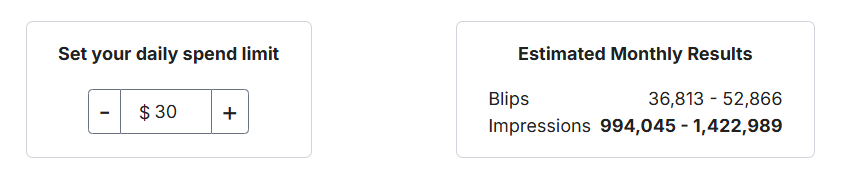
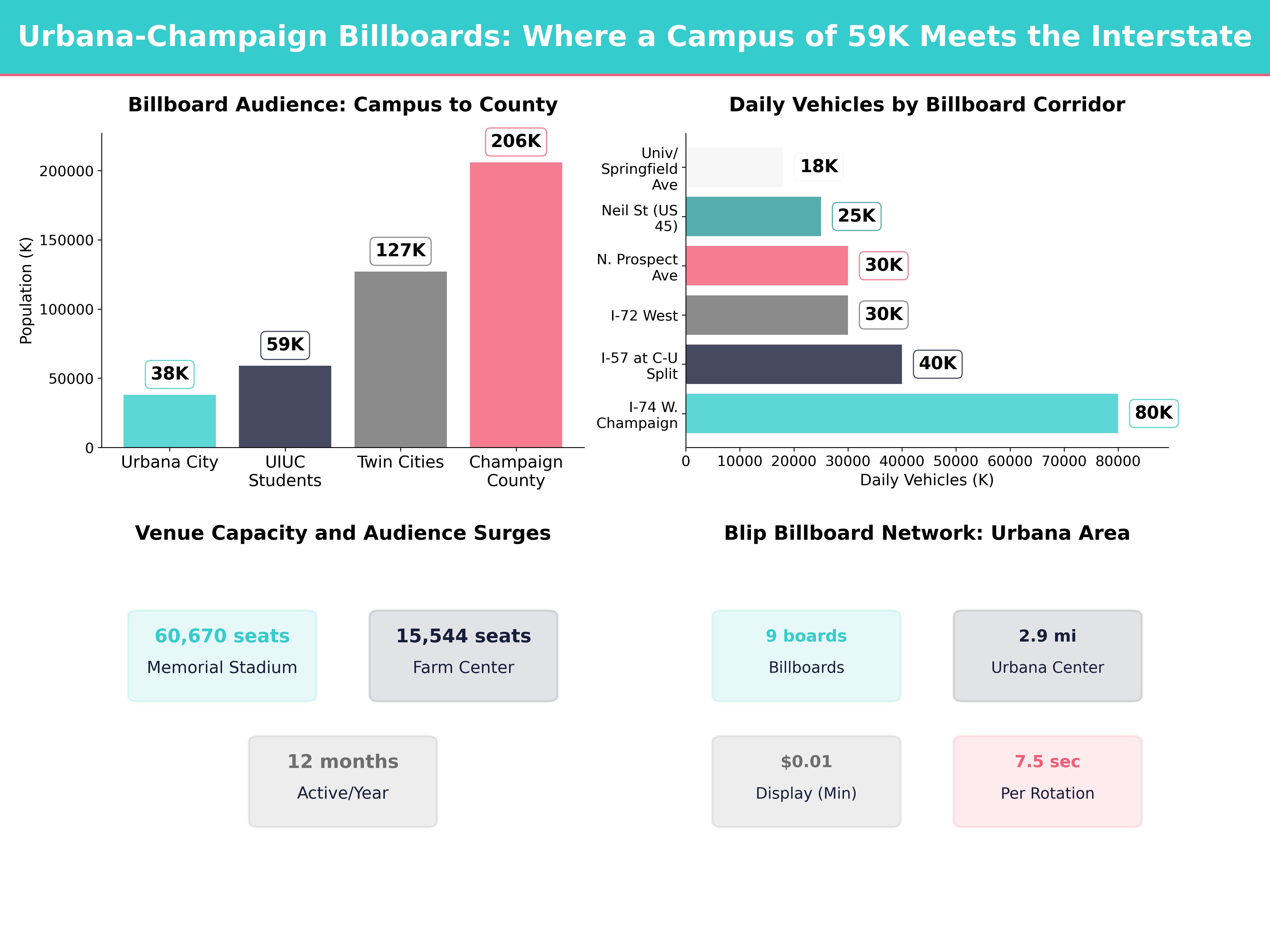
Blip makes billboard advertising in the Urbana area flexible and accessible by using pay-per-play pricing, so you only pay when your ad actually appears. Each “blip” is a 7.5-to-10-second display on a rotating digital billboard, with prices starting at just $0.01 per display. Your daily budget guides Blip’s algorithm as it bids on open ad slots serving the Urbana area, and the cost per blip can change based on time of day, location, and advertiser demand.
Where can I advertise with Blip near Urbana, Illinois?
Blip has 9 digital billboards serving the Urbana area, all located in nearby Champaign, about 2.9 miles from Urbana, which gives us strong access to the routes people already use every day. All 9 of our digital billboards serving the Urbana area are within 10.0 miles of Urbana. That means we can reach the roads that connect the market's daily habits.
Why is billboard advertising in Urbana, Illinois a good fit for local businesses?
Advertising near Urbana works because the market is compact, highly mobile, and anchored by institutions that keep demand active all 12 months of the year. The City of Urbana, nearby City of Champaign, the University of Illinois Urbana-Champaign, major healthcare providers, and the visitor economy all concentrate attention in a tight geography serving 127,245 residents in Urbana and Champaign and 205,865 in Champaign County. That mix makes the Urbana area a strong fit for local businesses, event promoters, recruiters, healthcare brands, and regional advertisers.
What roads get the most traffic for billboards around Urbana, Illinois with Blip?
For broad reach near Urbana, the interstate system is the foundation. Busy stretches of I-74 near west Champaign commonly run in the 80,000+ vehicles-per-day range, I-57 around the Champaign-Urbana split often carries roughly 40,000 vehicles per day, and I-72 west of town commonly carries around 30,000 vehicles per day. Local arterials like North Prospect Avenue, Neil Street, and University Avenue also serve the Urbana area in very practical ways.
When is the best time to run Blip ads in Urbana, Illinois?
August is the clearest advertising surge serving the Urbana area, with student return, apartment turnover, parent visits, and new-hire relocation all peaking at roughly the same time. We usually see the best opportunities in the 2 to 3 weeks before move-in and the first 10 to 14 days after classes begin. Fall, winter, and late spring also create strong timing windows around football, indoor events, commencement, and regional travel.
Do I need a contract to advertise with Blip near Urbana?
No, Blip has no long-term contracts or minimum commitments. You can start, pause, or stop your campaign at any time.
How fast can I launch a billboard campaign with Blip near Urbana?
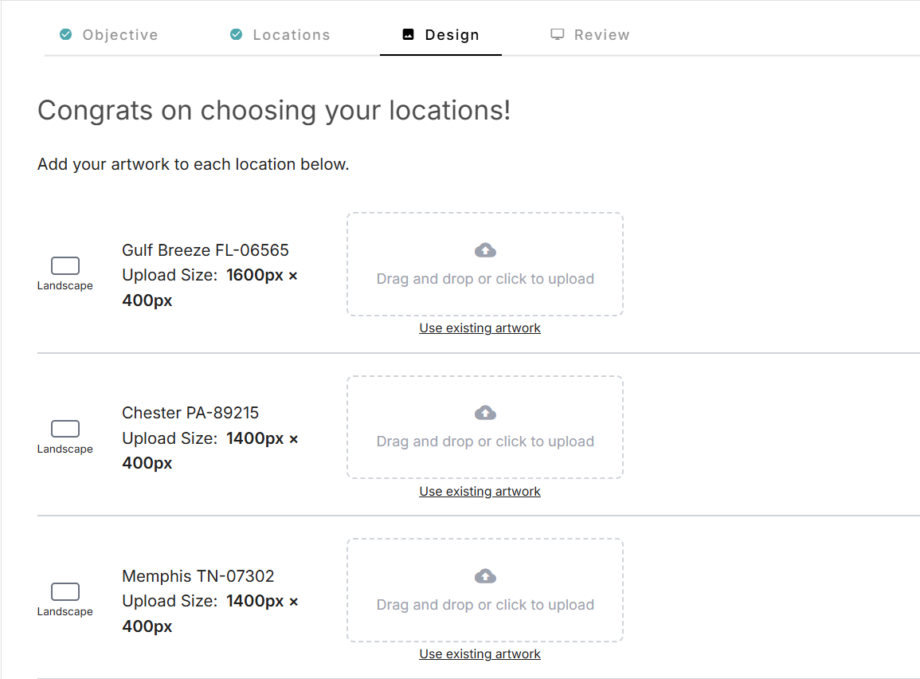
You can have your campaign live in minutes. Create a free account, select your locations, set your budget, upload your design, and start running once approved.
Where can I advertise with Blip near Urbana?
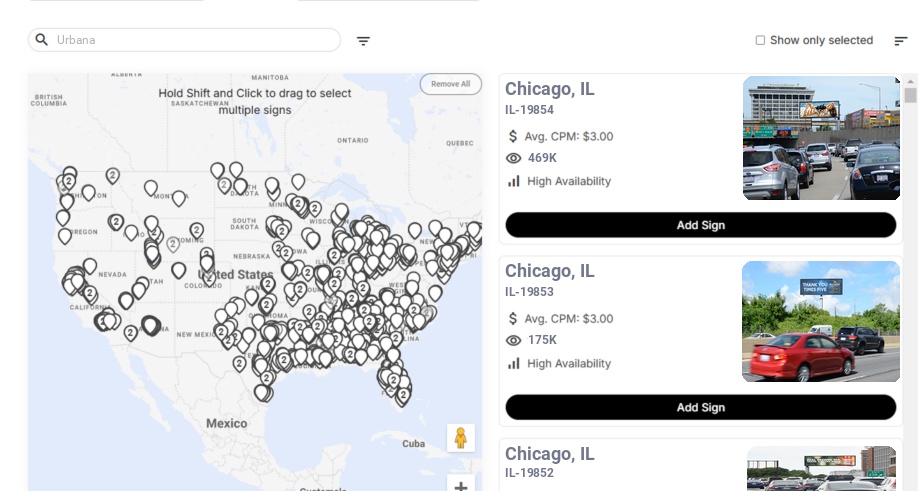
Blip has digital billboards near Urbana. You can browse available locations on a map, choose the ones that fit your audience, and start advertising right away.
Still have questions? Launch a campaign in minutes — no contracts, no commitments.
Start Your CampaignUrbana Billboard Advertising Guide
Advertising near Urbana works because the market is compact, highly mobile, and anchored by institutions that keep demand active all 12 months of the year. The City of Urbana City of Champaign, the University of Illinois Urbana-Champaign, major healthcare providers such as Carle Health and OSF HealthCare Heart of Mary Medical Center Visit Champaign County 127,245 residents in Urbana and Champaign and 205,865 in Champaign County. Blip has 9 digital billboards serving the Urbana area, all located in nearby Champaign, about 2.9 miles from Urbana, which gives us strong access to the routes people already use every day. That mix makes the Urbana area a strong fit for local businesses, event promoters, recruiters, healthcare brands, and regional advertisers that want flexible reach without committing to a traditional long-term buy.
Urbana area market overview
Population and regional scale near Urbana
Urbana had 38,336 residents at the 2020 Census. Nearby Champaign had 88,909 residents, which means the two core cities together total 127,245 people before we even add surrounding communities. Champaign County had 205,865 residents, giving advertisers a wider customer base that extends through places such as Savoy, Mahomet, and Rantoul
That scale matters because the Urbana area behaves like a unified market. People routinely live in one community, work in another, shop in a third, and attend school or events across the full Champaign-Urbana footprint. For billboard planning, that means boards near Urbana do not need to sit inside city limits to be effective. They need to intercept the routes that connect the market's daily habits.
Economic anchors serving the Urbana area
The biggest market driver is the University of Illinois Urbana-Champaign, which enrolls roughly 59,000 students in a typical recent academic year. That is an unusually large built-in audience for a metro of this size, and it creates reliable demand for apartments, food, entertainment, healthcare, telecom, retail, financial services, and employment marketing.
The university's influence extends beyond students. Research Park at the University of Illinois Urbana-Champaign is home to 120+ companies, startups, and innovation teams, which adds a steady flow of interns, engineers, founders, and business visitors to the local mix. The market also benefits from major institutional employers including Carle Health, Christie Clinic, OSF HealthCare, Parkland College, and the public-sector network represented by the City of Urbana City of Champaign, and Champaign County.
Regional business travel adds another layer. University of Illinois Willard Airport Champaign County Chamber of Commerce help keep the market active even outside the school year.
Commuting patterns and mobility in the Urbana area
The Urbana area is multimodal, but road traffic still does most of the work for billboard reach. Recent ACS estimates place drive-alone commuting in Urbana at roughly 52% of workers, while Champaign County overall is closer to 70%. Mean travel time to work in Urbana is about 17 minutes, which tells us that many trips are short, frequent, and repetitive rather than long and occasional.
That repetition is exactly what helps outdoor advertising. A commuter who sees the same message several times a week on the way to campus, healthcare appointments, shopping, or work is more likely to remember it when they need to act. At the same time, the planning work of the Champaign County Regional Planning Commission and the visibility of the Champaign-Urbana Mass Transit District strengthen circulation around campus and major commercial corridors, so even non-drivers are part of a high-activity street environment.
Key traffic corridors serving the Urbana area
Interstate gateways near Urbana
For broad reach near Urbana, the interstate system is the foundation. According to the Illinois Department of Transportation, busy stretches of I-74 near west Champaign commonly run in the 80,000+ vehicles-per-day range. I-57 around the Champaign-Urbana split often carries roughly 40,000 vehicles per day, and I-72 west of town commonly carries around 30,000 vehicles per day.
Those three corridors matter because they bring regional traffic into the market before drivers break toward campus, healthcare destinations, retail districts, hotels, and Downtown Urbana. They also catch people coming from surrounding communities and larger nearby cities such as Danville Decatur
Local arterials connecting Champaign and the Urbana area
Local arterials matter just as much because many trips in this market are short. On the west side of Champaign, North Prospect Avenue near the Market Place Shopping Center 30,000 vehicles-per-day range. Neil Street, which functions as US 45 through key parts of the market, is often around 25,000 vehicles per day on busier segments.
University Avenue, Springfield Avenue, and similar east-west connectors commonly fall in the 15,000 to 20,000+ vehicles-per-day range, depending on the count station. These roads serve the Urbana area in very practical ways. They connect shoppers to retail, students to campus, patients to medical facilities, and residents to restaurants, services, and events. Because our boards are in nearby Champaign, we can reach many of those trips before drivers continue east toward Urbana or loop back west toward shopping and employment zones.
Campus and institutional routes near Urbana
The Urbana area also has a distinct set of high-value institutional corridors. Lincoln Avenue, Cunningham Avenue, University Avenue, Kirby Avenue, Neil Street, and Springfield Avenue all feed important movement between the university, hospitals, downtown districts, and neighborhood commercial clusters.
These are not always the highest-volume roads in raw numbers, but they are often the highest-value roads in audience quality. For example, a legal practice, specialty clinic, apartment community, or graduate program may care more about repeated exposure to university-adjacent and healthcare-bound traffic than about sheer interstate scale. In the Urbana area, the best corridor depends on whether we want regional reach, local frequency, or a more targeted institutional audience.
Audience segments we can reach near Urbana
Students, faculty, and research audiences
The Urbana area is one of the Midwest's clearest examples of a university-driven advertising market. The University of Illinois Urbana-Champaign brings in roughly 59,000 students, plus faculty, staff, visiting families, conference attendees, and research partners. Research Park adds 120+ companies, which means the audience is not only young, but also unusually educated and innovation-oriented.
That makes the market attractive for apartment communities, furniture stores, internet providers, banks, restaurants, tutoring services, healthcare brands, rideshare alternatives, and recruiters. We often see student-oriented campaigns work best when they are timely and specific. Messages tied to move-in, finals, internships, football weekends, graduation, or lease season usually feel more relevant than evergreen brand lines.
Healthcare, commuter, and professional audiences near Urbana
Healthcare is one of the steadiest audience pools serving the Urbana area. Carle Health, Christie Clinic, and OSF HealthCare Heart of Mary Medical Center
The same applies to professional commuters. The combined base of 127,245 residents in Urbana and Champaign, plus the larger county population of 205,865, supports a steady stream of workers moving between offices, schools, clinics, municipal buildings, industrial sites, and retail districts. For many brands, the best audience near Urbana is not a tourist. It is a repeat local traveler who sees a message several times before making a decision.
Families, shoppers, and neighborhood consumers in the Urbana area
Families are a major part of the Urbana-area opportunity because this is still a full-service regional market of 205,865 Champaign County residents, not just a college town. North Prospect retail, neighborhood grocery trips, youth activities, and weekend dining all pull households from across Champaign County into a small set of visible corridors.
One particularly useful signal is Market at the Square 130+ vendors and draws strong Saturday attention from spring through fall. That kind of recurring community activity matters because it shows how local households organize their weekends. For grocery, dining, banking, home improvement, pediatric care, auto service, and entertainment brands, recurring neighborhood traffic often outperforms broad branding alone.
Sports, arts, and visitor audiences serving the Urbana area
Sports and culture create some of the market's biggest temporary surges. Memorial Stadium seats 60,670 fans, and the State Farm Center seats 15,544. Krannert Center for the Performing Arts operates 4 major indoor venues, which keeps arts traffic active through much of the year.
The visitor calendar adds more opportunities. Ebertfest is a 5-day spring film event. The Illinois Marathon creates a citywide race weekend each April. Visit Champaign County
Seasonal timing opportunities in the Urbana area
August and semester launch near Urbana
August is the clearest advertising surge serving the Urbana area. Student return, apartment turnover, parent visits, and new-hire relocation all peak at roughly the same time. With 59,000+ students tied to the university ecosystem, move-in is not a niche window. It is one of the market's defining annual moments.
We usually see the best opportunities in the 2 to 3 weeks before move-in and the first 10 to 14 days after classes begin. This is when messaging for apartments, furniture, mattresses, grocery delivery, internet, banking, urgent care, storage, and restaurants feels most urgent. If we want immediate action, this is the time to tighten offers and increase frequency.
Fall weekends and holiday build-up in the Urbana area
Fall layers several high-value rhythms together. Illinois football typically brings 6 to 7 home games to the 60,670-seat Memorial Stadium, while the broader back-to-school period keeps weekday traffic elevated. That combination makes late August through November especially strong for tailgate promotions, apparel, bars, casual dining, events, and retail.
Fall is also when local identity matters most. The Urbana area feels energetic, crowded, and socially active at this time of year, so creative that references game weekends, homecoming, student life, or Saturday plans often performs better than generic seasonal copy.
Winter and early spring near Urbana
Winter changes the audience mix, but it does not shut down the market. Basketball, concerts, and arena events keep the 15,544-seat State Farm Center relevant. January acts as the market's second reset as students return for spring semester, leases continue cycling, and new-year purchasing behavior kicks in.
This is a strong period for gyms, healthcare, tax services, recruiting, subscriptions, and home services. It is also a period when billboard design matters more, because gray skies, shorter daylight, and dirty road surfaces make low-contrast artwork easier to miss.
Late spring and summer serving the Urbana area
Late spring brings the Illinois Marathon, commencement, and heavy family visitation. Summer then shifts the audience mix toward residents, regional travelers, camps, and destination visitors. Attractions such as Japan House University of Illinois Arboretum, the Urbana Park District, and the Champaign County Forest Preserve District help keep local movement active even when students thin out.
For contractors, tourism businesses, healthcare providers, auto dealers, and community events, summer can be an excellent time to own more share of voice. There is often less student-focused ad clutter, but the roads still carry meaningful regional traffic.
Billboard design tips for the Urbana area
Creative that fits Urbana-area driving conditions
We see the best results near Urbana when creative is direct, high-contrast, and instantly understandable. On roads carrying 30,000, 40,000, or even 80,000+ vehicles per day, people do not have time to decode a complex message. We recommend one idea, one brand, one call to action, and usually no more than 6 to 8 words of primary copy for pure awareness.
Color contrast matters in east-central Illinois. Summer glare can flatten pale palettes, and winter conditions can dull overly subtle designs. Bold light-on-dark or dark-on-light combinations usually hold up best on the roads serving the Urbana area.
Local imagery and message angles for the Urbana market
The strongest local creative usually reflects the market without trying too hard. We tend to favor imagery and wording that fits university life, healthcare credibility, Midwest practicality, and regional weekend activity. References to move-in, campus hiring, game day, graduation, apartment living, or Saturday plans often feel more authentic than stock big-city imagery.
Visuals can also mirror local lifestyle. Students with backpacks, coffee, laptops, and bikes feel relevant. So do families, healthcare professionals, and simple nods to prairie landscapes or neighborhood recreation. The point is not to decorate the ad. The point is to make the message feel like it belongs to the Urbana area.
Offer strategy by audience near Urbana
Different segments near Urbana respond to different types of offers. Students usually react to convenience, price, speed, and urgency. Families tend to respond to trust, reliability, and location clarity. Professional and healthcare audiences often respond to benefit-led messaging that sounds efficient and credible.
In practice, that means a food brand might lead with a fast discount, a clinic might emphasize same-day care, and a recruiter might highlight pay or flexibility. The market is educated and schedule-driven, so clarity beats cleverness most of the time.
Regional strategies serving the Urbana area
Layering nearby Champaign boards for Urbana-area coverage
Because our 9 digital billboards serving the Urbana area are all in nearby Champaign, we can build coverage in layers instead of depending on a single board. That is actually an advantage in this market. Many residents and visitors cross between Champaign and Urbana multiple times a week, so a layered approach can create both broad awareness and useful repetition.
A strong campaign often combines three elements: interstate reach, retail-corridor frequency, and institution-oriented local relevance. That mix works well because the market itself is blended. People do not experience the area as separate silos. They experience it as one connected routine.
Retail and interchange strategy near Urbana
If our goal is store visits or broad consumer reach, we usually emphasize corridors near North Prospect, Neil Street, and the I-74 interchange areas. Those routes pull shoppers from Savoy, Mahomet, the Urbana area, and surrounding neighborhoods into one retail orbit.
This strategy fits restaurants, grocery, apparel, auto service, urgent care, and entertainment especially well. It works because shoppers are already in decision mode, and retail trips tend to repeat weekly. Near Urbana, that repeat exposure is often more valuable than a one-time impression.
Campus, downtown, and medical strategy serving the Urbana area
If our goal is student recruitment, apartment leasing, event attendance, or healthcare visibility, we put more weight on corridors that feed campus, downtown, and hospital activity. University Avenue, Springfield Avenue, Lincoln Avenue, and Neil Street are especially useful in this context.
This is the right strategy for housing, legal services, medical specialties, education, arts events, and professional recruiting. It aligns particularly well with destinations such as Downtown Urbana Krannert Center for the Performing Arts, and the university's east-west movement patterns.
Regional drive-in strategy near Urbana
Some advertisers do not just want locals. They want people heading toward the Urbana area from elsewhere in the region. In that case, we lean more heavily into I-57, I-72, and I-74 to catch travelers coming from Rantoul Danville Decatur
This strategy is often ideal for hotels, hospitals, visitor attractions, admissions marketing, large events, and destination retail. The best billboard mix depends on whether we want the local resident who passes every weekday, or the regional visitor who is already on the way.
Blip tools for campaigns near Urbana
Flexible scheduling for the Urbana area
Blip fits the Urbana area well because the market changes by hour, day, and season. We can choose boards from a map, align spend with weekday commuting or weekend events, and scale from a narrow test to a full 9-board presence serving the Urbana area.
That flexibility matters when the audience shifts from student-heavy in August, to football-heavy in fall, to indoor-event-heavy in winter, to resident-and-visitor-heavy in summer. Instead of locking one static message into one long-term plan, we can adapt to the market's real rhythm.
Budget control and creative testing near Urbana
Blip's pay-per-play model starts at $0.01 per display, which makes it easier to test messages and locations without the fixed commitment of a traditional outdoor contract. Each blip runs for 7.5 to 10 seconds, so concise creative is not just a best practice. It is part of the strategy.
In practical terms, that means we can test an interstate awareness message against a retail-corridor offer, or run student-focused creative in August and shift to family-oriented creative in summer. Because pricing changes with time, location, and demand, we can concentrate spend where it matters most instead of paying for inventory we do not need.
Optimization and reporting for Urbana-area campaigns
Live reporting is especially useful in a market like this one because audience patterns overlap. The same corridor can carry students in the morning, shoppers in the afternoon, and eventgoers at night. When we can see pacing and adjust quickly, we have a better chance of aligning the message with the moment.
That helps us refine dayparts, creative versions, and board mix over time. If weekday healthcare ads outperform weekend rotations, or if restaurant creative surges before football games, we can respond without rebuilding the whole campaign.
Getting started with billboard rental near Urbana
How we evaluate the right locations near Urbana
We start by defining the actual goal, because not every board should do the same job. If we need broad awareness, we focus on interstate-facing boards with the highest daily traffic levels. If we need store visits, we emphasize retail and arterial routes tied to weekly shopping and errand patterns.
If we need student, faculty, or employee recruitment, we prioritize boards that intercept university and medical traffic. If we need event attendance, we time campaigns around the specific corridors and days when that audience is building.
All 9 of our digital billboards serving the Urbana area are within 10.0 miles of Urbana, so the key decision is not whether a board is close enough. The key decision is whether that board matches the audience behavior we want to influence.
What to expect from setup and launch near Urbana
Traditional billboard buying often means long negotiations, fixed terms, and limited flexibility after the campaign starts. Blip simplifies that process. We can upload creative, set a daily budget, choose the days and times we want, and make changes without a long contract.
For many advertisers near Urbana, a 2- to 4-week test is a smart starting point. We usually recommend 2 or 3 creative versions so we can learn whether a price-led message, a brand-led message, or an event-led message gets better traction. That test period is long enough to build repetition, but short enough to adjust quickly if the audience or timing needs change.
A simple first campaign plan for the Urbana area
A practical first campaign usually follows a few steps. We choose a small group of boards that reflect the primary goal, such as interstate reach, retail traffic, or campus-oriented exposure. We build one clean creative concept with a strong headline, readable logo, and a single call to action.
We match the schedule to real local behavior, such as move-in week, weekday commuting, football weekends, or Saturday shopping. We monitor results and adjust the board mix, artwork, or timing based on what the campaign is actually doing.
When we approach billboard rental near Urbana this way, the process becomes much simpler than the old model of reserving one board for one long period and hoping it works. We can use nearby Champaign inventory to reach the Urbana area intelligently, test what resonates, and keep improving as the market shifts.